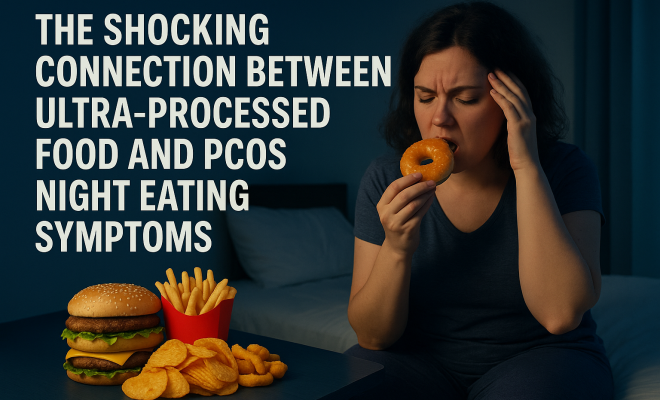
The Shocking Connection Between Ultra-Processed Food and PCOS Night Eating Symptoms
“`html
Polycystic Ovary Syndrome (PCOS) is a condition that affects millions of women around the world, often leading to a host of symptoms including irregular periods, weight gain, and fertility issues. But a recent study has taken a deeper dive into how dietary habits, specifically the consumption of ultra-processed foods (UPFs), may intertwine with behavioral patterns like night eating symptoms and gastrointestinal anxiety. This article explores the intersection of diet and health in women with PCOS, shedding light on the troubling implications of UPFs and offering actionable insights for those affected.
Understanding PCOS: What You Need to Know
PCOS is characterized by hormonal imbalances that can disrupt the menstrual cycle and lead to various health complications. Approximately 1 in 10 women of reproductive age are diagnosed with this condition, making it a common yet often misunderstood health issue. Symptoms can vary widely, from physical manifestations such as acne and excess hair growth to emotional challenges associated with anxiety and depression.
Given the prevalence of PCOS, it’s crucial for researchers to explore how lifestyle factors, particularly diet, can either exacerbate or alleviate symptoms. The recent investigation into UPFs has opened up a new avenue of research that underscores the importance of food choices in managing this chronic condition.
What Are Ultra-Processed Foods?
Ultra-processed foods are defined as industrial formulations made primarily or entirely from substances extracted from foods or derived from food constituents, often containing additives and artificial ingredients. Examples include sugary beverages, packaged snacks, ready-to-eat meals, and processed meats. These foods are designed to be convenient and appealing; however, they often carry health risks linked to their high sugar, salt, and unhealthy fat content.
In the context of PCOS, the consumption of UPFs raises several questions. How do these foods affect hormonal balance? Can they worsen symptoms like weight gain and insulin resistance? The recent study sheds light on these concerns, suggesting a troubling relationship between UPFs and night eating symptoms.
The Study: Key Findings
The research published in the journal Food Science & Nutrition establishes a significant correlation between UPF consumption and night eating symptoms in women diagnosed with PCOS. This link suggests that the eating patterns associated with UPFs can worsen gastrointestinal-specific anxiety, creating a cycle that feeds into the broader complications of PCOS.
Over the course of the study, researchers analyzed dietary habits and psychological symptoms among women with PCOS. The results revealed that higher consumption of UPFs was associated with increased night eating symptoms. This finding is particularly striking because it indicates a behavioral interplay rather than simply attributing health issues to calorie intake or weight gain alone.
Night Eating Syndrome: A Closer Look
Night eating syndrome (NES) is characterized by a pattern of eating that occurs predominantly at night, often accompanied by a lack of appetite in the morning. This condition can lead to weight gain and further exacerbate symptoms of PCOS. Emotional factors often contribute to NES, including stress, anxiety, and depression — all of which can be heightened by a diet high in ultra-processed foods.
For women with PCOS, the psychological aspects of condition management cannot be ignored. The findings of the study highlight the critical need for a comprehensive approach to treatment that includes both dietary modifications and mental health support. Addressing night eating symptoms is essential for improving overall health in individuals with PCOS.
The Role of Gut Health
A fascinating aspect of the study is its emphasis on gastrointestinal-specific anxiety in relation to UPF consumption. It’s no secret that gut health plays a pivotal role in overall well-being, affecting everything from digestion to mood. Women with PCOS often report gastrointestinal issues, which may be exacerbated by an unhealthy diet.
Emerging research is increasingly linking gut health to mental health. When it comes to UPFs, the presence of artificial additives and preservatives can disrupt the gut microbiome, potentially leading to increased anxiety and digestive discomfort. This connection is particularly concerning for women with PCOS, who may already be dealing with heightened anxiety levels.
Behavior Patterns and Dietary Choices
Understanding the behavioral and psychological factors that contribute to dietary choices is crucial in managing PCOS. The consumption of UPFs often stems from convenience, taste preferences, and emotional eating patterns. Women may reach for these quick-fix foods during stressful times, inadvertently perpetuating a cycle of unhealthy eating. (See: Polycystic Ovary Syndrome overview.)
The study’s findings suggest that interventions aimed at reducing UPF intake could be beneficial in breaking this cycle. By focusing on whole, unprocessed foods, individuals may find relief from night eating symptoms and gastrointestinal anxiety. This shift could lead to improved hormonal balance and overall health outcomes.
Actionable Dietary Modifications
If you’re grappling with PCOS and night eating symptoms, consider these dietary changes to help mitigate your symptoms:
- Prioritize Whole Foods: Incorporate a variety of fruits, vegetables, whole grains, lean proteins, and healthy fats into your diet. These foods are nutritionally dense and can help stabilize blood sugar levels.
- Avoid UPFs: Limit your intake of ultra-processed foods like sugary snacks, fast food, and pre-packaged meals. Instead, opt for fresh ingredients whenever possible.
- Establish a Meal Routine: Set regular meal times to help manage hunger cues and prevent mindless snacking at night.
- Mindful Eating: Practice mindful eating by paying attention to your body’s hunger signals and savoring your meals, which can help reduce emotional eating.
Expert Perspectives on Diet and PCOS
Health professionals are increasingly recognizing the role of diet in managing PCOS symptoms. Nutritionists and endocrinologists suggest that a personalized approach to diet can make a significant difference. Dr. Elizabeth McNally, a reproductive endocrinologist, emphasizes the importance of individualized dietary strategies: “Every woman’s experience with PCOS is unique. A one-size-fits-all approach does not suffice. Understanding the dietary triggers and working to avoid them is vital in managing symptoms effectively.”
Moreover, lifestyle approaches that incorporate stress management, physical activity, and dietary changes can lead to improved health outcomes for those affected by PCOS. Engaging in regular exercise, particularly activities that promote mindfulness such as yoga, can also play a role in reducing anxiety and improving gut health.
The Emotional Impact of PCOS
It’s essential to address the emotional aspects of living with PCOS, particularly when discussing diet and lifestyle changes. Many women with this condition experience feelings of frustration, anxiety, and depression. The connection between UPFs, night eating, and gastrointestinal anxiety adds another layer of complexity to the emotional landscape of PCOS.
Engaging with support groups, whether in person or online, can provide women with valuable emotional support. Sharing experiences and strategies with others facing similar challenges can foster a sense of community and empowerment, making it easier to navigate dietary changes and mental health challenges.
The Future of Research
The recent study linking ultra-processed food consumption and night eating symptoms in women with PCOS is just the tip of the iceberg. As research continues in this area, it may lead to more comprehensive dietary guidelines specifically tailored for women dealing with this condition.
Future studies should aim to explore how different types of diets can impact PCOS symptoms, as well as the long-term effects of UPF consumption. Understanding the relationship between diet and hormonal balance will be crucial in developing effective treatment strategies for managing PCOS.
Your Path Forward
For those grappling with PCOS, the connection between ultra-processed food and night eating symptoms presents an opportunity for change. By taking a proactive approach to dietary choices, you can work towards alleviating symptoms and improving your overall well-being.
Educating yourself about the impacts of your food choices is an empowering first step. Remember, you’re not alone in this journey. With the right support and information, managing PCOS and its associated symptoms becomes a more attainable goal.
Comparing Diets: Whole Foods vs. Ultra-Processed Foods
When evaluating diets and their impact on PCOS, a comparison between whole foods and ultra-processed foods can shed light on potential benefits and pitfalls. Whole foods are minimally processed and retain their natural nutrients, while UPFs are often stripped of valuable components and loaded with additives.
Research indicates that diets rich in whole foods can improve metabolic health, reduce inflammation, and ultimately lead to better hormonal balance for women with PCOS. For instance, a Mediterranean diet, which emphasizes fruits, vegetables, whole grains, fish, and healthy fats, has been shown to improve insulin sensitivity and reduce androgen levels.
In contrast, diets high in UPFs have been linked to increased body weight, insulin resistance, and higher levels of inflammation. In fact, one study found that women consuming more than 20% of their daily caloric intake from UPFs had a significantly higher risk of developing insulin resistance compared to those who consumed fewer UPFs. (See: Dietary patterns and PCOS.)
Statistics on UPF Consumption and PCOS
Understanding the implications of ultra-processed foods on PCOS can be further illuminated through statistics. A report from the World Health Organization (WHO) highlighted that approximately 50% of the daily caloric intake in developed countries comes from ultra-processed foods. In women diagnosed with PCOS, this trend could exacerbate their symptoms significantly.
For example, studies show that women with PCOS who consume higher quantities of UPFs are more likely to experience weight-related issues, including obesity, with a prevalence rate of about 40-60%. Additionally, research suggests that women with PCOS are at a 70% higher risk of developing diabetes, and diet plays a crucial role in this progression.
Expert Opinions on UPFs and PCOS Management
Nutrition experts are increasingly addressing the role of UPFs in the management of PCOS. Dr. Jennifer Hanes, a registered dietitian specializing in women’s health, emphasizes the importance of dietary awareness: “Reducing ultra-processed foods isn’t just about choosing healthier options; it’s about understanding how these foods manipulate our cravings and impact our hormones. Women with PCOS need to feel empowered to make choices that honor their health.” Her perspective highlights the need for education around food choices, particularly for those struggling with eating patterns influenced by emotional and psychological factors.
FAQs About Ultra-Processed Foods and PCOS
What are some common ultra-processed foods to avoid?
Common ultra-processed foods include sugary cereals, soda, packaged snacks like chips, instant noodles, and many frozen meals. It’s best to check ingredient lists for additives and high sugar content.
How do ultra-processed foods affect insulin levels?
Ultra-processed foods can lead to spikes in insulin levels due to their high glycemic index and sugar content. This can exacerbate insulin resistance, a common issue in women with PCOS.
Can reducing UPFs help with weight loss in women with PCOS?
Yes, many women report weight loss and improved symptoms after reducing UPF intake. Whole foods tend to be more filling and nutrient-dense, which can help regulate appetite and improve metabolic health.
What role does exercise play in managing PCOS and UPF consumption?
Exercise can significantly enhance insulin sensitivity and help manage weight, both critical factors for women with PCOS. When combined with a diet low in UPFs, exercise can lead to much better health outcomes.
Are there specific foods that can help manage PCOS symptoms better?
Foods rich in omega-3 fatty acids (like salmon and walnuts), fiber (such as legumes and whole grains), and antioxidants (from fruits and vegetables) can help manage symptoms and improve overall health.
How can I develop a healthier relationship with food?
Consider working with a dietitian or therapist specializing in nutrition to address emotional eating patterns. Mindful eating practices and educational resources can also support a healthier relationship with food.
Future Directions in PCOS Research and Nutrition
The continuing exploration of diet’s impact on PCOS is paramount. Future studies will likely focus on specific dietary patterns that could further alleviate symptoms. Nutritional genomics is an exciting field that studies how individual genetic differences affect responses to dietary components; this could personalize dietary recommendations for women with PCOS.
Researchers are also likely to investigate the role of specific nutrients in hormonal regulation, the gut-brain connection in relation to UPF consumption, and how lifestyle interventions can synergistically improve outcomes. This growing body of knowledge will empower women with PCOS to make informed dietary choices, ultimately leading to better health and more effective management of their symptoms. (See: CDC's PCOS information page.)
Understanding the Link Between UPFs and Inflammation
Inflammation plays a significant role in PCOS, and the consumption of ultra-processed foods can exacerbate inflammatory responses in the body. Many UPFs contain refined sugars, unhealthy fats, and additives that can trigger inflammation. One study found that women consuming high amounts of UPFs had elevated levels of inflammatory markers, which can contribute to insulin resistance and make managing PCOS symptoms even more challenging.
Adopting an anti-inflammatory diet can be a strategic approach for women with PCOS. This diet emphasizes whole foods, healthy fats, and a variety of fruits and vegetables known to reduce inflammation. Foods like berries, fatty fish, leafy greens, and nuts are excellent choices that can help combat the inflammatory effects associated with UPFs.
The Psychological Aspect of Dietary Change
Making dietary changes can be psychologically daunting, especially for women with PCOS who may already experience anxiety and stress related to their health. Research suggests that the mere act of changing one’s diet can lead to feelings of deprivation and frustration. It’s important to approach dietary modifications with a positive mindset.
Strategies like gradual changes and focusing on what can be added to the diet instead of what must be removed can create a more sustainable approach. For example, instead of cutting out all your favorite snacks, consider healthier alternatives that satisfy cravings without the negative health impacts of UPFs. This approach can make the process feel less overwhelming and more manageable.
Success Stories: Real Women, Real Changes
Hearing from women who have successfully navigated the challenges of PCOS through dietary changes can be inspiring. Many women report that by reducing their intake of ultra-processed foods and incorporating more whole foods, they’ve experienced significant improvements in their symptoms. For instance, Sarah, a 28-year-old woman diagnosed with PCOS, shared her journey on a health blog: “After I cut out UPFs and focused on eating whole foods, I noticed my energy levels surged, and my anxiety decreased. It’s like I finally felt in control of my body again!”
These personal accounts not only provide motivation but also emphasize the importance of community support in making lasting changes. Joining support groups or online forums can provide valuable insights and encouragement as you embark on your own journey toward better health.
Resources for Women with PCOS
Finding the right resources can make a significant difference in managing PCOS. Here are some valuable tools and platforms:
- PCOS Awareness Association: This organization offers resources, support groups, and educational materials tailored to women with PCOS.
- Online Recipe Communities: Websites and social media platforms that focus on healthy recipes can provide inspiration for meals that align with a PCOS-friendly diet.
- Mobile Apps: Several apps are available to help track symptoms, food intake, and exercise, which can be beneficial for women managing PCOS.
- Books on Nutrition and PCOS: Many authors and experts have written insightful books that explore the relationship between diet and PCOS, offering practical advice and meal planning tips.
Incorporating these resources into your daily life can support your journey toward managing PCOS effectively.
“`
Trending Now
Frequently Asked Questions
What is the connection between ultra-processed foods and PCOS?
Recent studies suggest that the consumption of ultra-processed foods (UPFs) may exacerbate symptoms of Polycystic Ovary Syndrome (PCOS) by influencing hormonal imbalances and promoting unhealthy eating patterns, such as night eating symptoms.
What are the symptoms of PCOS?
PCOS symptoms can vary widely, including irregular periods, weight gain, acne, excess hair growth, and emotional challenges like anxiety and depression, affecting approximately 1 in 10 women of reproductive age.
How do ultra-processed foods affect women's health?
Ultra-processed foods can negatively impact women's health by contributing to weight gain, hormonal imbalances, and increasing the risk of various health issues, particularly in those with conditions like PCOS.
Can diet influence PCOS symptoms?
Yes, dietary habits play a crucial role in managing PCOS symptoms. A balanced diet, particularly avoiding ultra-processed foods, can help alleviate symptoms and improve overall health in women with PCOS.
What are examples of ultra-processed foods?
Examples of ultra-processed foods include sugary beverages, packaged snacks, ready-to-eat meals, and processed meats, which often contain additives and artificial ingredients that may pose health risks.
What’s your take on this? Share your thoughts in the comments below — we read every one.