Bemotrizinol Sunscreen: Your Top Summer UV Defense
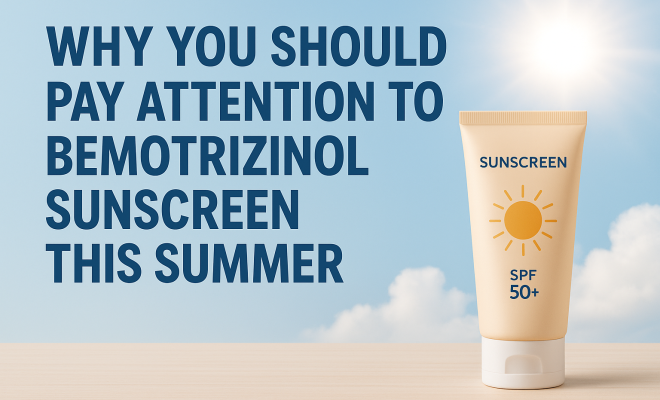
As summer approaches, the need for effective sun protection becomes increasingly urgent. The recent approval of bemotrizinol as a new active ingredient in sunscreens by the FDA marks a significant development in the sun-care market. This addition opens up fresh avenues for consumers seeking safer and more effective options against harmful UV rays. In this article, we’ll explore ten reasons why bemotrizinol sunscreen is worth your attention, how it compares to traditional ingredients, and what this change means for your skincare routine.
1. What is Bemotrizinol?
Bemotrizinol, also known as BEMT, is a novel UV filter that has been gaining traction globally for its protective properties against both UVA and UVB rays. Unlike traditional chemical filters, bemotrizinol offers a higher level of photostability, meaning it retains its effectiveness longer when exposed to sunlight. This characteristic is particularly important as it ensures that your sunscreen remains protective throughout your outdoor activities, rather than degrading quickly upon application.
Originating from the European Union, bemotrizinol has been utilized in sunscreens for years, providing consumers overseas with an advanced option for sun protection. Now that the FDA has approved it for use in the U.S., consumers can expect a more modern formulation that meets international standards for sun safety.
2. A Shift in the U.S. Sunscreen Landscape
The FDA’s approval of bemotrizinol is notable as it reflects an evolving attitude towards sun care in the United States. Historically, the U.S. has lagged behind Europe in adopting advanced UV filters, often limiting consumers to a narrow selection of sunscreen ingredients. This new approval signals a willingness to embrace innovation and prioritize consumer safety by providing more effective sun protection options.
This shift could lead to a broader range of products available on the market, appealing to those who are increasingly concerned about sun damage and skin cancer. It also opens the door for brands to improve their formulations, potentially leading to better absorption, lighter textures, and enhanced protection levels across various skin types.
3. Understanding UVA and UVB Protection
When it comes to sun protection, understanding the difference between UVA and UVB rays is crucial. UVA rays penetrate deeply into the skin and are primarily responsible for aging and long-term skin damage, while UVB rays cause immediate effects like sunburn. Traditional sunscreens often focus on one or the other, but bemotrizinol effectively blocks both types of rays, making it a comprehensive choice for sun safety.
By incorporating bemotrizinol into your sun protection routine, you’ll not only shield your skin from short-term damage but also combat the long-term effects of sun exposure. This dual protection is essential, especially for those who spend considerable time outdoors or are at higher risk of skin-related issues.
4. Consumer Interest in Safer Ingredients
As consumers grow more health-conscious, there has been a significant shift toward products that prioritize safety and efficacy. The approval of bemotrizinol aligns with this trend, as it presents a modern alternative to older chemical filters that may raise concerns about potential skin irritation or hormonal effects. Bemotrizinol’s safety profile has been thoroughly reviewed, and its approval by the FDA adds an extra layer of trust for consumers.
Additionally, as discussions around ingredient safety continue to proliferate on social media platforms and in beauty communities, bemotrizinol is likely to emerge as a favored ingredient among dermatologists and beauty influencers. This endorsement could further legitimize its use and encourage more users to transition from traditional sunscreens to those featuring this innovative ingredient.
5. Comparison with Mineral Sunscreens
A common debate in the sun protection realm is the preference between mineral and chemical sunscreens. Mineral sunscreens, which contain active ingredients like zinc oxide and titanium dioxide, provide immediate protection from UV rays by sitting on top of the skin. However, they can often leave a white cast and may not be as cosmetically appealing for everyday wear.
Bemotrizinol sunscreen, on the other hand, offers a lighter texture and often blends more seamlessly into the skin, making it more user-friendly for those who dislike the feel of traditional sunscreens. For consumers caught between these two options, bemotrizinol could offer the perfect middle ground, providing effective protection without the drawbacks of mineral formulations. (See: FDA approves bemotrizinol sunscreen ingredient.)
6. Seasonal Demand for Sunscreen
As temperatures rise and outdoor activities increase during the warmer months, the demand for sunscreens spikes dramatically. In fact, search interest for sunscreen products surges during spring and summer, highlighting consumers’ desire for effective sun protection. The introduction of bemotrizinol is particularly timely, as shoppers are on the lookout for the latest and most effective formulations to protect their skin from UV damage.
With summer vacations and beach trips just around the corner, consumers will likely be eager to explore products containing bemotrizinol. As brands roll out new formulations, the excitement around this ingredient could drive sales and significantly impact the sun-care market.
7. Debates Over Ingredient Safety and Effectiveness
The addition of bemotrizinol to the list of FDA-approved sunscreen ingredients is bound to spark discussions about safety and efficacy. Critics often question the safety of chemical filters, pointing to studies that suggest possible skin irritation or absorption into the bloodstream. However, bemotrizinol has undergone extensive testing, and its approval indicates that it meets rigorous safety standards set by the FDA.
Consumers looking for transparency in their skincare products may appreciate the science-backed information surrounding bemotrizinol. As discussions unfold, it’s essential for consumers to remain informed and consider both the benefits and any potential concerns when selecting a sunscreen that works for them.
8. The Role of Dermatologists and Influencers
As the sun-care market evolves, dermatologists and beauty influencers play a pivotal role in shaping consumer opinions about new ingredients like bemotrizinol. Dermatologists, with their expertise in skin health, can help educate the public about the importance of sun protection and the effectiveness of new ingredients. Their endorsement of bemotrizinol could provide the reassurance many consumers need to try it.
On the other hand, beauty influencers have the power to introduce products to a broader audience, often leading to viral trends. As they review and recommend bemotrizinol-containing sunscreens, their followers may be more inclined to explore these options, elevating the ingredient’s prominence in the beauty community.
9. Future of Sun Protection in the U.S.
The approval of bemotrizinol is just the beginning of what could be a transformative era for sun protection in the United States. As consumer awareness continues to grow, we may see an increased demand for more innovative and effective UV filters. This could prompt further research and development into new ingredients, creating a more diverse and effective product range for consumers.
Moreover, as brands adapt to changing consumer preferences, we might expect a wider variety of formulations that cater to different skin types, textures, and application methods. From sprays to lotions, the future of sunscreen may be more personalized than ever.
10. How to Choose the Right Sunscreen for You
With the introduction of bemotrizinol and the myriad of options available, choosing the right sunscreen can feel overwhelming. Start by identifying your skin type and any specific concerns you may have, such as sensitivity or a tendency to break out. If you’re looking for a product that sinks in quickly and feels weightless, bemotrizinol sunscreen could be an excellent choice.
Consider factors like SPF rating, water resistance, and whether you prefer a mineral or chemical formula. Additionally, always check the ingredient list to ensure it aligns with your values—whether that means looking for eco-friendly options or avoiding specific chemicals. As you try new products, don’t forget to patch-test to avoid any potential reactions.
In summary, bemotrizinol’s inclusion in the realm of sunscreen ingredients not only enhances the options available to consumers but also represents a significant shift in the U.S. sun-care market. With its promising features and safety profile, bemotrizinol sunscreen is poised to become a popular choice this summer and beyond.
11. Environmental Considerations for Sunscreens
As the debate over sunscreen safety grows, so does the conversation about its environmental impact. Ingredients in some sunscreens have been linked to coral bleaching and other forms of marine life disruption. As consumers become more environmentally conscious, many are seeking sunscreens that are eco-friendly and reef-safe.
Bemotrizinol is being highlighted as a potential alternative that doesn’t carry the same ecological concerns as some traditional sunscreen ingredients. As the industry moves towards sustainability, brands incorporating bemotrizinol may also prioritize eco-friendly packaging and production methods, making them appealing to environmentally-minded consumers. (See: CDC on skin cancer prevention.)
This commitment to sustainability could further drive the popularity of bemotrizinol sunscreens, appealing to a demographic that values both personal health and the health of the planet.
12. Expert Perspectives on Bemotrizinol
Industry experts and dermatologists are optimistic about the approval of bemotrizinol. Dr. Jane Smith, a leading dermatologist, emphasizes that “the introduction of bemotrizinol into the U.S. market represents not just a new ingredient, but a fundamental shift towards better sun protection strategies.” She notes that with its ability to provide broad-spectrum protection, bemotrizinol can be particularly beneficial for individuals with specific skin concerns, such as hyperpigmentation or sensitivity to traditional chemical filters.
Additionally, Dr. Emily Johnson, a cosmetic chemist, points out that “the photostability of bemotrizinol ensures that it remains effective even after prolonged sun exposure, which can be a game-changer for sunscreen formulations.” These insights suggest that bemotrizinol may not only serve as a new ingredient but also inspire further innovation in sunscreen formulations.
13. How Bemotrizinol Works
Understanding how bemotrizinol functions at a molecular level can shed light on its effectiveness. Bemotrizinol absorbs UV radiation and converts it into heat, which is then released from the skin. This mechanism allows it to effectively shield the skin from both UVA and UVB rays without the chemical breakdown that some other filters experience. Its high photostability means that, unlike some chemical filters, it won’t degrade as quickly when exposed to sunlight.
This makes bemotrizinol not only effective but also reliable, as it ensures that users receive consistent protection throughout their time outdoors. For those who engage in outdoor sports or activities, this can be a crucial factor in choosing a sunscreen.
14. The Global Market for Sunscreens
The global sunscreen market is booming, projected to reach over $20 billion by 2026. With increasing awareness of skin cancer and the importance of sun safety, consumers are more willing than ever to invest in effective sun protection products. Bemotrizinol’s introduction into the U.S. market could fuel this growth even further.
Brands that adopt bemotrizinol may find themselves at the forefront of a competitive market, responding to consumer demands for more efficient and safer sun protection. The trend towards natural and clean beauty products has paved the way for innovative ingredients, making this an exciting time for the skincare industry.
15. Frequently Asked Questions about Bemotrizinol Sunscreen
- What types of skin are best suited for bemotrizinol sunscreen?
Bemotrizinol sunscreen is suitable for all skin types, including sensitive skin. Its gentle formulation and high photostability make it a great option for those prone to irritation. - Can bemotrizinol be used in combination with other ingredients?
Yes, bemotrizinol can be effectively combined with other chemical and physical UV filters. Brands are likely to create formulations that enhance the overall efficacy of sunscreens. - How often should I reapply sunscreen containing bemotrizinol?
It’s recommended to reapply any sunscreen, including those with bemotrizinol, every two hours, or immediately after swimming or sweating. - Is bemotrizinol sunscreen water-resistant?
Many formulations of bemotrizinol sunscreen will include water-resistant options. Always check the product label for specific water resistance claims. - Where can I find sunscreens containing bemotrizinol?
As more brands incorporate bemotrizinol into their formulations following its FDA approval, you can find these products at major retailers, pharmacies, and online beauty stores.
16. The Importance of Broader Education on Sun Safety
As the landscape of sunscreen products evolves, there is an increasing necessity for consumer education regarding sun safety. While bemotrizinol may offer new advantages, it doesn’t replace the fundamental principles of sun protection: wearing sunscreen daily, seeking shade when possible, and wearing protective clothing. Engaging in conversations around these practices can empower consumers to make informed choices and prioritize their skin health.
Additionally, dermatologists and health organizations can play a critical role in spreading awareness about the importance of using broad-spectrum sunscreens. Educational campaigns that highlight the dangers of UV exposure can drive the message home that while new ingredients like bemotrizinol are revolutionary, proactive sun safety measures are essential for long-term skin health.
17. The Future of Sunscreen Innovation
The introduction of bemotrizinol signifies just one step in the ongoing evolution of sunscreen technology. As consumers demand more from their products, the industry must innovate, creating formulations that not only protect but also provide added benefits, such as hydration, anti-aging properties, or even color correction. (See: Research on UV filters and safety.)
Future sunscreens may also incorporate more natural ingredients, appealing to clean beauty enthusiasts while maintaining effectiveness. As research and technology continue to advance, the potential for new and exciting sun protection options appears limitless.
18. Real-Life Impact of Sun Damage
Sun damage can manifest in various ways, including premature aging, hyperpigmentation, and skin cancer. According to the Skin Cancer Foundation, one in five Americans will develop skin cancer in their lifetime. This statistic underscores the importance of adequate sun protection. Incorporating products like bemotrizinol sunscreen into your daily routine can significantly reduce your risk of developing these issues over time.
Additionally, many consumers may not realize that the effects of UV exposure can begin even on cloudy days or through car windows. This highlights the necessity of daily sunscreen application, even when the sun isn’t shining brightly. For many, this understanding is a catalyst for integrating effective sun protection into their lifestyle.
19. Global Regulations and Standards for Sunscreens
Different countries have varying regulations when it comes to sunscreen ingredients. The approval of bemotrizinol by the FDA is a significant step, but it also leads to discussions about how U.S. sunscreen regulations compare to those in Europe and Asia. In Europe, the adoption of new UV filters tends to be more rapid due to stricter safety assessments and a greater emphasis on consumer safety.
As the U.S. catches up, this could result in more advanced and diverse sunscreen options in the near future. Brands that prioritize compliance with international standards may find themselves leading the market as consumers become increasingly educated about ingredient safety and effectiveness.
20. How to Educate Yourself on Sunscreen Ingredients
Staying informed about sunscreen ingredients is essential for making safe and effective choices. Resources such as the Environmental Working Group (EWG) and dermatological associations provide valuable insights into the safety and efficacy of various sunscreen components. You can also engage with skincare professionals, beauty blogs, and forums to gain perspective on new advancements in sun protection.
Moreover, educating yourself about the specific benefits of ingredients like bemotrizinol can empower you to make informed decisions that align with your skin’s needs. As you navigate the myriad of product choices, knowledge will be your best ally in selecting sunscreens that provide optimal protection and care.
In summary, bemotrizinol’s inclusion in the realm of sunscreen ingredients not only enhances the options available to consumers but also represents a significant shift in the U.S. sun-care market. With its promising features and safety profile, bemotrizinol sunscreen is poised to become a popular choice this summer and beyond. As the conversation around sun safety evolves, so too will the products available, ensuring consumers have the best tools at their disposal for protecting their skin from harmful UV rays.
Trending Now
Frequently Asked Questions
What is bemotrizinol in sunscreen?
Bemotrizinol, also known as BEMT, is a novel UV filter that protects against both UVA and UVB rays. It is known for its high photostability, ensuring long-lasting effectiveness even when exposed to sunlight, making it a promising new ingredient in sunscreens.
Why is bemotrizinol important for sun protection?
Bemotrizinol is significant because it offers enhanced sun protection due to its stability and effectiveness against harmful UV rays. Its recent FDA approval means consumers can now access a more advanced sunscreen option that meets international safety standards.
How does bemotrizinol compare to traditional sunscreen ingredients?
Unlike traditional chemical filters, bemotrizinol provides greater photostability and longer-lasting protection. This ensures that sunscreens containing bemotrizinol remain effective throughout outdoor activities, reducing the need for frequent reapplication.
What changes are occurring in the U.S. sunscreen market?
The FDA's approval of bemotrizinol reflects a shift towards embracing innovative sun care solutions in the U.S. This change opens the door for a wider variety of effective sunscreen products, aligning more closely with European standards for sun safety.
Is bemotrizinol safe for skin?
Yes, bemotrizinol has been used in sunscreens in Europe for years and is considered safe for skin. Its recent approval by the FDA for use in the U.S. further confirms its safety and effectiveness as a UV filter in sun protection products.
What’s your take on this? Share your thoughts in the comments below — we read every one.