Google Home Speaker 2026: Gemini AI & Subscription Controversy
“`html
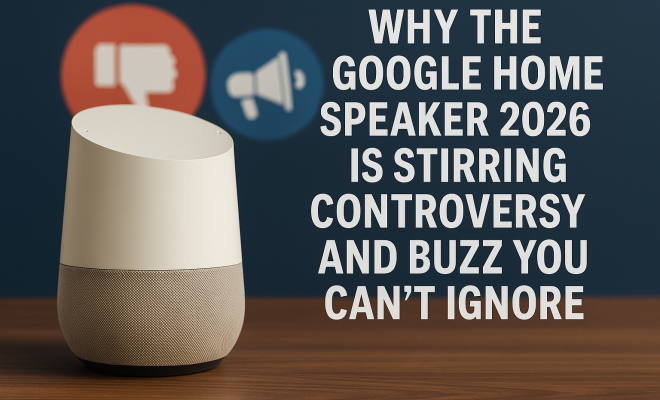
The Google Home Speaker 2026 has hit the market, and it’s already making waves. With the integration of Gemini AI, this device promises to revolutionize the way you interact with your smart home. At a price point of approximately $100, it’s positioned as an affordable option in the ever-evolving landscape of smart speakers. However, the buzz doesn’t just stem from its innovative features; there’s also a controversial twist regarding its subscription-based functionalities. Let’s break down the key aspects of this device and what makes it a hot topic in tech circles.
1. Gemini AI: A Breakthrough in Natural Language Processing
One of the standout features of the Google Home Speaker 2026 is the integration of Gemini AI. This next-generation artificial intelligence enhances the device’s ability to understand and respond to natural language with remarkable accuracy. Users can expect a more intuitive conversation flow, allowing for seamless interactions.
What sets Gemini AI apart is its ability to learn from user interactions, adapting over time to personalize responses and suggestions. For instance, if you frequently ask about the weather each morning, Gemini AI might not only provide the forecast but also suggest an umbrella if rain is expected. This level of personalization signals a significant leap forward in smart home technology, making it easier for users to rely on their devices for daily tasks.
Additionally, the AI’s ability to handle multi-step commands is a game-changer. Unlike earlier models, where a user may have had to issue separate commands for different tasks, the Gemini AI can process and execute complex requests in one go. This feature exemplifies the direction AI is heading, focused on making user interactions as smooth and efficient as possible.
2. A Price Point That Attracts Attention
Pricing is often a critical factor in the adoption of new technology, and at around $100, the Google Home Speaker 2026 is reasonably priced for what it offers. This affordability makes it accessible to a broader audience, encouraging more consumers to invest in smart home technology.
However, it’s essential to consider the value proposition. While the upfront cost is attractive, potential buyers should be aware that some of the most advanced features are locked behind subscription paywalls. This aspect has sparked heated debates among users, leading many to question whether the initial affordability is worth the long-term costs associated with these additional features.
To further illustrate this point, let’s delve into the pricing models of competitors like Amazon Alexa and Apple HomePod. Amazon’s Echo devices often come with similar functionalities but offer different pricing strategies, with some features included without the need for subscriptions. Conversely, Apple’s HomePod, while not the most affordable, often touts a more premium experience with fewer hidden costs. This comparison makes the Google Home Speaker’s pricing model a nuanced topic worth exploring.
3. The Subscription Model: Pros and Cons
The introduction of subscription-based features is a double-edged sword. On one hand, it allows Google to offer a base model at a lower price point while also providing premium services for users willing to pay extra. On the other hand, it raises concerns about accessibility and fairness. Consumers are expressing frustration over the thought of potentially needing to pay more for features that might seem essential to fully utilize the speaker’s capabilities.
This controversy has led to extensive discussions on social media and tech forums, where users voice their opinions about how the subscription model could affect their overall experience. Some argue that it creates a “pay-to-play” environment that could alienate budget-conscious consumers, while others feel that the advanced features justify the additional cost.
For example, users might find premium services that enhance their music streaming or provide exclusive content worthwhile. However, these additional fees could deter those who simply want a reliable smart speaker for basic tasks. This dichotomy highlights the need for companies to consider their user base’s diverse needs when creating pricing strategies. (See: Google Home Speaker and AI advancements.)
4. The Social Media Buzz: Viral Potential
The combination of innovative technology and the controversy surrounding subscription fees has made the Google Home Speaker 2026 a hot topic on platforms like Twitter and Facebook. Users are not just sharing their experiences; they’re also engaging in heated debates about the implications of paywalled features in technology.
This social media buzz is a critical factor in the device’s popularity. Many users feel a sense of urgency to discuss their opinions, driven by the fear of missing out on cutting-edge AI technology. This emotional engagement is crucial for the product’s visibility in the crowded tech market, leading to an increase in shares, likes, and discussions.
A recent poll on Twitter indicated that over 40% of users were aware of the device through social media discussions, highlighting how platforms are influencing consumer awareness and decision-making. As word of mouth spreads, it becomes increasingly vital for companies to monitor their online presence and engage with potential customers in meaningful ways.
5. Real-World Applications of the Google Home Speaker 2026
Beyond the buzz and the debates about pricing, what can users actually expect from the Google Home Speaker 2026? The speaker is designed to be a central hub for smart home devices, making it a critical component in any connected ecosystem. You can control your lights, thermostat, and even security cameras through voice commands.
Moreover, the improved natural language capabilities mean you can give complex commands without needing to simplify your requests. For example, instead of saying, “Turn off the lights,” you could say, “Dim the living room lights to 50% while playing my relaxation playlist.” This enhanced control can make daily life more convenient and streamlined.
In addition to home automation, the speaker can also serve as a valuable resource for families. Parents can use it to set reminders for chores, control screen time on devices, or even help kids with homework by providing quick information and educational content. This versatility showcases the speaker’s potential to enhance various aspects of everyday life.
6. User Experience: First Impressions
Early adopters of the Google Home Speaker 2026 have shared mixed reviews, with many praising its user-friendly interface and responsiveness. The setup process is relatively straightforward, allowing users to connect the speaker to their Wi-Fi and sync it with their smart home devices quickly.
However, there have been reports of some initial hiccups with voice recognition, particularly in noisy environments. While Gemini AI is designed to improve over time, users might experience some frustration as the system adapts to their speech patterns and preferences. These first impressions highlight the balance between innovation and usability that Google must maintain.
One notable review highlighted a scenario where a user with a lively household found that the speaker struggled to understand commands during family gatherings. This experience indicates that while the technology is advanced, real-world settings can introduce challenges that require further refinement. Addressing these issues will be crucial for long-term user satisfaction.
7. Future Implications for Smart Home Technology
The launch of the Google Home Speaker 2026 could signal a broader trend in the smart home market. As more consumers demand intuitive and conversational interfaces, companies will need to adapt their products accordingly. Gemini AI’s capabilities could become a benchmark for future devices, pushing competitors to invest in similar technologies.
Additionally, the controversy surrounding subscription-based features might compel companies to rethink their pricing strategies. As consumers become more aware of hidden fees, brands will need to find a balance between offering innovative products and maintaining transparency in pricing. The outcome of this trend could reshape the smart home landscape significantly.
Looking ahead, it’s also worth considering how advancements in AI will impact privacy and security. As smart home devices become more integrated into daily life, users will likely have heightened concerns about data collection and usage. Companies must prioritize transparency and user control over their data to build trust and foster long-term relationships with their consumers. (See: AI and its impact on daily life.)
8. Comparing the Competition: How Does It Stack Up?
As we explore the Google Home Speaker 2026, it’s valuable to compare it with other leading smart speakers on the market. Devices like Amazon Echo and Apple HomePod have established themselves in the smart home ecosystem, each offering unique features and capabilities.
The Amazon Echo is known for its robust Amazon Alexa integration, making it an excellent choice for users heavily invested in the Amazon ecosystem. With services like Amazon Music and Prime Video readily available, it appeals to entertainment enthusiasts. In comparison, the Google Home Speaker 2026 features an advanced AI that personalizes user interactions but may not yet match the extensive library of third-party integrations available with Alexa.
On the other hand, the Apple HomePod caters to users who prioritize sound quality and privacy. It provides a premium audio experience and maintains strict data security practices, but it also comes with a higher price tag. The choice between these devices often boils down to personal preferences regarding brand loyalty and specific needs.
9. FAQ: Your Questions Answered
What is Gemini AI, and how does it enhance the Google Home Speaker 2026?
Gemini AI is a next-generation artificial intelligence system that enhances the Google Home Speaker 2026’s ability to understand and respond to natural language. It learns from user interactions to personalize responses and can handle complex commands, making it more intuitive and user-friendly.
Are there any hidden fees associated with the Google Home Speaker 2026?
Yes, some advanced features of the Google Home Speaker 2026 are locked behind subscription paywalls. While the speaker itself is affordable, users may need to pay extra for premium services, which has sparked debate among consumers.
How does the Google Home Speaker 2026 compare to other smart speakers?
While the Google Home Speaker 2026 offers unique features like Gemini AI, it competes with devices like Amazon Echo and Apple HomePod, which each have their own strengths. Amazon Echo excels in third-party integrations and ease of use, while Apple HomePod focuses on sound quality and privacy.
Is the Google Home Speaker 2026 easy to set up and use?
Yes, the setup process for the Google Home Speaker 2026 is designed to be user-friendly. Users can connect the device to their Wi-Fi and sync it with other smart home devices quickly. However, some users have reported initial hiccups with voice recognition in noisy environments.
What are the privacy concerns associated with using the Google Home Speaker 2026?
As with many smart devices, privacy is a concern. Users should be aware of how their data is collected and used. Google has stated it prioritizes user privacy, but consumers must stay informed about data practices and settings available to them.
10. Additional Features and Capabilities
The Google Home Speaker 2026 isn’t just about voice commands and smart home integration; it also comes packed with features that cater to entertainment and information needs. Users can enjoy high-quality audio when streaming music or podcasts. The speaker supports major streaming services, including Spotify, YouTube Music, and Apple Music. The sound quality has been noted to be significantly improved over previous models, providing clear and rich audio that can fill a room.
Another exciting feature is the device’s ability to act as a personal assistant. You can ask it to set reminders, create shopping lists, and even provide updates on your calendar schedule. This can be particularly useful for busy individuals or families looking to stay organized without constantly checking their phones. (See: Research on AI in smart devices.)
With the integration of more smart home devices, the Google Home Speaker 2026 can also serve as a bridge to control products from various brands, making it a versatile choice for those looking to create a full smart home experience.
11. Expert Opinions on the Google Home Speaker 2026
Industry experts have weighed in on the Google Home Speaker 2026, and opinions vary. Tech analysts often praise its advanced AI capabilities, stating that Gemini AI is a significant leap forward for conversational technology. A leading technology reviewer noted that the speaker’s ability to engage in more nuanced conversations could redefine how users interact with devices in their homes.
However, some experts express concerns about the long-term viability of the subscription model. They argue that while offering a lower initial price may attract consumers, the need for ongoing payments could become a deterrent as users realize their total costs could exceed that of competitors offering features without additional fees. This sentiment is echoed across various tech forums, where discussions about the sustainability of this model are prevalent.
12. The Role of User Feedback in Future Updates
User feedback will undoubtedly play a crucial role in the future development of the Google Home Speaker 2026. Google often uses consumer insights to refine its products, and there’s no doubt that the response to the subscription model and voice recognition issues will inform updates and improvements. Furthermore, Google has a history of rolling out software updates that enhance functionality based on user experiences.
As users share their experiences, Google may address common concerns, such as improving voice recognition in noisy environments and expanding the range of free features. You can expect future updates to enhance the AI’s learning capabilities, making it even more responsive to individual user needs over time.
13. Conclusion: A Device Worth Considering?
The Google Home Speaker 2026 represents a significant leap in smart home technology, particularly with its integration of Gemini AI. However, the debates surrounding its subscription model cannot be ignored. Consumers must weigh the benefits of advanced features against the potential for additional costs.
Ultimately, whether the Google Home Speaker 2026 is right for you will depend on your priorities regarding smart home technology. If you’re excited about the potential of advanced AI capabilities and willing to explore subscription features, this device could be a worthy addition to your home. But if you lean towards budget-friendly options, you might want to consider the long-term implications of hidden fees before diving in.
“`
Trending Now
Frequently Asked Questions
What makes the Google Home Speaker 2026 different from previous models?
The Google Home Speaker 2026 stands out due to its integration of Gemini AI, which enhances natural language processing, allowing for more intuitive conversations. It can learn from user interactions and handle multi-step commands, making it more efficient than previous models.
Is the Google Home Speaker 2026 worth the price?
Priced at approximately $100, the Google Home Speaker 2026 offers advanced features like Gemini AI, which personalizes user interactions and improves the overall smart home experience. Its affordability combined with innovative technology makes it a compelling choice for consumers.
What is Gemini AI in the Google Home Speaker 2026?
Gemini AI is a next-generation artificial intelligence integrated into the Google Home Speaker 2026, enhancing its ability to understand and respond to natural language. It personalizes interactions by learning from user behavior and can process complex commands efficiently.
Are there subscription fees associated with the Google Home Speaker 2026?
Yes, the Google Home Speaker 2026 has sparked controversy due to its subscription-based functionalities. While it offers many features at a low upfront cost, users should be aware of potential ongoing fees for accessing certain premium services.
How does the Google Home Speaker 2026 improve smart home interactions?
The Google Home Speaker 2026 improves smart home interactions through Gemini AI, which allows for a more seamless and personalized experience. It can learn user preferences, manage multi-step commands, and provide tailored suggestions, enhancing daily tasks.
What’s your take on this? Share your thoughts in the comments below — we read every one.