Menopause & Mental Health: Unveiling the Hidden Crisis
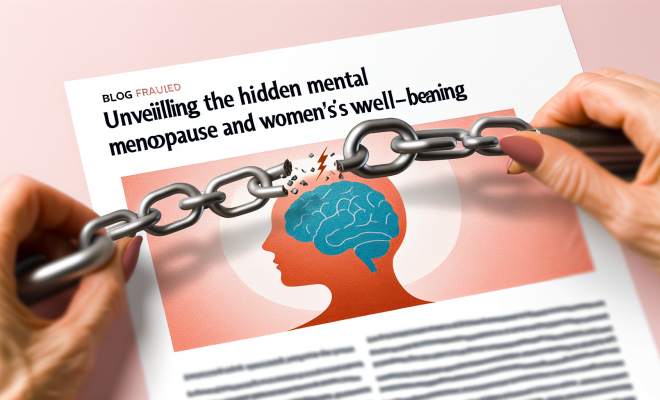
As women navigate the complexities of menopause, many are unaware of the profound impact this natural phase can have on their mental health. A recent YouGov survey commissioned by the Royal College of Psychiatrists has brought to light alarming statistics that highlight the lack of awareness surrounding the connection between menopause and mental health disorders.
The Surprising Statistics
According to the survey, only 28% of women in the UK recognize that menopause can trigger new mental illnesses. This lack of awareness is particularly concerning given that a study conducted by Liverpool John Moores University and Newson Clinic found that 16.6% of women reported experiencing unidentified suicidal thoughts during the perimenopause and menopause phases.
The Underlying Issues
Professor Pooja Saini has pointed out significant gaps in the current assessment tools used by healthcare professionals. Many assessments fail to consider the hormonal changes that occur during menopause, which can lead to a lack of understanding regarding the triggers of suicidal ideation. These hormonal fluctuations can contribute to a myriad of mental health issues, including anxiety, depression, and mood swings, which often go unrecognized.
The Hormonal Connection
Menopause marks the end of a woman’s reproductive years, typically occurring between the ages of 45 and 55. During this transition, levels of estrogen and progesterone fluctuate significantly. These hormonal changes can affect brain chemistry, which in turn impacts mood and emotional stability. Unfortunately, many women experience these changes without adequate support or understanding from healthcare providers.
Calls for Improved Medical Training
Experts are advocating for mandatory medical training that addresses the mental health implications of menopause. This training would aim to equip healthcare professionals with the knowledge necessary to recognize and treat mental health issues related to hormonal changes. By doing so, it is hoped that early detection and intervention become the norm, rather than the exception.
Workplace Policies and Support Systems
In addition to improving medical training, the need for supportive workplace policies has been emphasized. Many women face challenges at work during menopause, including symptoms that can lead to decreased productivity and increased absenteeism. Implementing policies that allow for flexible working hours or provide access to mental health resources can greatly improve the quality of life for women experiencing menopause.
Cultural Destigmatization
Cultural attitudes surrounding menopause and mental health also play a crucial role in how women experience this phase of life. Stigmas associated with discussing both menopause and mental health can prevent women from seeking help. Public campaigns aimed at destigmatizing these topics are essential to encourage open conversations and promote understanding.
Empowering Women Through Education
- Awareness Campaigns: Initiatives to educate women about the mental health implications of menopause can empower them to seek help.
- Support Groups: Creating safe spaces for women to share their experiences can foster community and provide emotional support.
- Access to Resources: Providing information on available treatments and support options can encourage women to address their mental health needs.
Conclusion
The hidden mental health crisis that many women face during menopause is a pressing issue that requires immediate attention. With a significant portion of women unaware of the risks associated with menopause and mental health, it is imperative that healthcare systems, workplaces, and society as a whole take steps to address these challenges. By improving education, training, and support systems, we can begin to dismantle the stigma and provide the help that women need during this critical stage of life.