Philippines’ External Debt Drops 1% in Q4 2025 Amid Fuel Price Surge
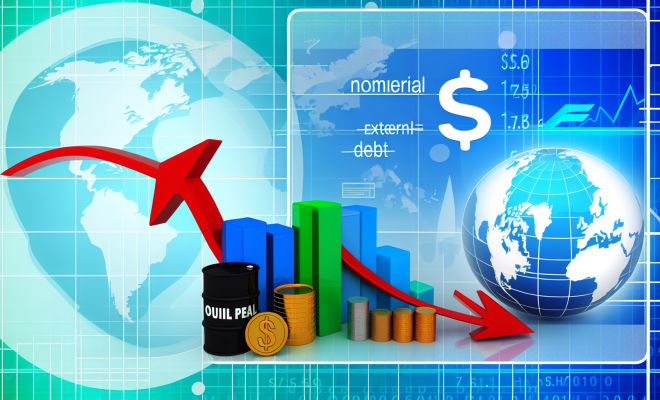
The Philippines has reported a 1% decrease in its external debt during the fourth quarter of 2025, reflecting a significant stride in the country’s fiscal management. This decline comes at a crucial time as the nation grapples with the dual challenges of soaring fuel prices and evolving global economic tensions.
Fiscal Discipline in Focus
The reduction in external debt is indicative of improved fiscal discipline, a positive sign for the nation’s financial health. By managing its borrowing more effectively, the Philippines is positioning itself to navigate potential economic challenges ahead. Analysts suggest that the decrease may alleviate concerns surrounding the country’s future borrowing needs, which have been a topic of discussion among policymakers and economists alike.
Impending Fuel Price Hikes
Despite the positive news regarding external debt, the country is facing significant double-digit fuel price hikes slated for March 17, 2025. These increases are expected to impact both commuters and businesses, leading to heightened operational costs across various sectors. The rising fuel prices are a direct consequence of ongoing global economic issues, including supply chain disruptions and increased demand for energy.
Impact on Consumers and Businesses
The imminent fuel price hikes are likely to strain the budgets of Filipino households and small businesses. Commuters, already burdened by high transportation costs, will feel the pinch even more as they navigate the increased fares. Businesses reliant on transportation for their goods and services may also pass on the increased costs to consumers, leading to a potential rise in inflation rates.
- Commuters: Expect increased transportation fares.
- Businesses: Anticipate higher operational costs.
- Consumers: May face rising prices on goods and services.
Global Economic Tensions
Adding to the complexity of the situation is the geopolitical landscape, particularly concerning the Strait of Hormuz, a critical chokepoint for global oil shipments. The strait remains open to various countries, but tensions with the United States, Israel, and their allies have raised concerns about potential disruptions in oil flows. This geopolitical uncertainty could further exacerbate fuel prices and economic instability, influencing the Philippines’ external debt situation.
The Broader Economic Picture
The interplay between local fiscal management and global economic conditions is crucial for the Philippines. Economists warn that while a decrease in external debt is commendable, it must be accompanied by robust strategies to manage domestic challenges, particularly those posed by rising fuel costs. It remains essential for the government to monitor these developments closely and implement timely interventions to mitigate their impacts.
Looking Ahead
As the Philippines navigates these challenges, the government must focus on maintaining fiscal prudence while preparing for potential future borrowing needs. Policymakers are encouraged to explore alternative energy sources and invest in infrastructure that can withstand global economic fluctuations.
In conclusion, while the 1% drop in external debt is a positive development for the Philippines, the nation is at a crossroads. With rising fuel prices and the looming threat of global economic tensions, the need for strategic planning and effective policy implementation has never been more urgent. The ability of the Philippines to adapt to these changes will be a defining factor in its economic resilience moving forward.