The Tech Edvocate

Top Menu

  • Advertisement
  • Apps
  • Home Page
  • Home Page Five (No Sidebar)
  • Home Page Four
  • Home Page Three
  • Home Page Two
  • Home Tech2
  • Icons [No Sidebar]
  • Left Sidbear Page
  • Lynch Educational Consulting
  • My Account
  • My Speaking Page
  • Newsletter Sign Up Confirmation
  • Newsletter Unsubscription
  • Our Brands
  • Page Example
  • Privacy Policy
  • Protected Content
  • Register
  • Request a Product Review
  • Shop
  • Shortcodes Examples
  • Signup
  • Start Here
    • Governance
    • Careers
    • Contact Us
  • Terms and Conditions
  • The Edvocate
  • The Tech Edvocate Product Guide
  • Topics
  • Write For Us
  • Advertise

Main Menu

  • Start Here
    • Our Brands
    • Governance
      • Lynch Educational Consulting, LLC.
      • Dr. Lynch’s Personal Website
      • Careers
    • Write For Us
    • The Tech Edvocate Product Guide
    • Contact Us
    • Books
    • Edupedia
    • Post a Job
    • The Edvocate Podcast
    • Terms and Conditions
    • Privacy Policy
  • Topics
    • Assistive Technology
    • Child Development Tech
    • Early Childhood & K-12 EdTech
    • EdTech Futures
    • EdTech News
    • EdTech Policy & Reform
    • EdTech Startups & Businesses
    • Higher Education EdTech
    • Online Learning & eLearning
    • Parent & Family Tech
    • Personalized Learning
    • Product Reviews
  • Advertise
  • Tech Edvocate Awards
  • The Edvocate
  • Pedagogue
  • School Ratings

logo

The Tech Edvocate

  • Start Here
    • Our Brands
    • Governance
      • Lynch Educational Consulting, LLC.
      • Dr. Lynch’s Personal Website
        • My Speaking Page
      • Careers
    • Write For Us
    • The Tech Edvocate Product Guide
    • Contact Us
    • Books
    • Edupedia
    • Post a Job
    • The Edvocate Podcast
    • Terms and Conditions
    • Privacy Policy
  • Topics
    • Assistive Technology
    • Child Development Tech
    • Early Childhood & K-12 EdTech
    • EdTech Futures
    • EdTech News
    • EdTech Policy & Reform
    • EdTech Startups & Businesses
    • Higher Education EdTech
    • Online Learning & eLearning
    • Parent & Family Tech
    • Personalized Learning
    • Product Reviews
  • Advertise
  • Tech Edvocate Awards
  • The Edvocate
  • Pedagogue
  • School Ratings
  • US Economic Growth Faces Significant Downgrade Amidst Challenging Conditions

  • Navigating Economic Turbulence: The Impact of Oil Prices on Consumer Spending and Markets

  • Market Volatility as Oil Prices Surge Amid Iran Conflict

  • Emerging Markets Face Headwinds Amid Global Economic Shifts

  • Qura Secures €1.5 Million in Pre-Seed Funding, Signaling Growth in Health-Tech Investments

  • Microsoft’s Copilot Health: A Game Changer in Organizing Medical Data

  • ByteDance Secures Major Nvidia AI Chip Deal in Malaysia: A Step Towards Enhanced AI Infrastructure

  • Origa Secures $450K Funding, Elevating Voice AI Innovation in India

  • The Rise of AI: How Venture Capital is Shaping the Future of Startups

  • Faith and Family: Insights from Catholic Parenting in Daily Mass

Professional Development
Home›Professional Development›What Is the Pantone Matching System (PMS)?

What Is the Pantone Matching System (PMS)?
By Matthew Lynch
May 13, 2023
0
Spread the love

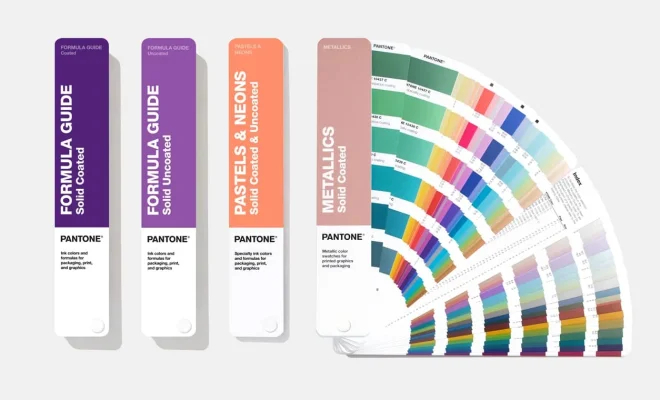
The Pantone Matching System (PMS) is a color matching system that is widely used in the printing industry. It was created by Pantone Inc., an American corporation, in 1963. The system is now recognized around the world as the standard for color matching for graphics and printing.

The PMS is based on a proprietary color space that has more than 1,800 standardized colors. Each color is identified by a unique number, which is usually printed on logos, business cards, and other printed materials. The system also includes a set of color swatches that designers can use to select the colors that they want to use in their designs.

The PMS is particularly useful in the printing industry for two reasons: first, it ensures that printers can produce consistent colors across different jobs; second, it makes it easier for designers to communicate exactly what colors they want to use in their designs, even if they aren’t working directly with the printer.

One of the key advantages of the PMS is that it can be used to match colors across different printing processes. For example, if a designer wants to use a specific shade of blue on their logo but they are planning to use the logo on both a printed brochure and a digitally displayed website, they can specify the Pantone number to ensure that the color looks the same across both media.

In recent years, the PMS has been expanded beyond the printing industry to include digital media as well. Tools like Adobe Photoshop and Illustrator now include Pantone libraries, and digital designers can specify Pantone numbers to ensure that their colors look consistent across different devices.

While the PMS is useful for ensuring consistency across different media, it is important to note that it cannot account for variations in printing technology, ink quality or paper stock. However, it remains an essential tool for designers and printers alike, and its ability to help ensure consistent, high-quality color reproduction has made it a trusted industry standard.


Previous Article

What Is the Outbox in Microsoft Outlook?

Next Article

What Is the Purpose of a Docking ...

Matthew Lynch

Related articles More from author

  • Professional Development

    11 Signs You’ve Almost Developed into the Best Version of Yourself

    March 9, 2024
    By Matthew Lynch
  • Professional Development

    Using a Virtual Learning Environment (VLE) to Raise Attainment

    February 5, 2025
    By Matthew Lynch
  • Professional Development

    Ways To Plan A Promotional Campaign

    March 13, 2023
    By Matthew Lynch
  • Professional Development

    Competency-Based Training (CBT): Getting Started

    March 20, 2023
    By Matthew Lynch
  • Professional Development

    Designing A Sales Training Strategy To Boost Profits

    March 22, 2023
    By Matthew Lynch
  • Professional Development

    Who Is Creepy Chan? How a 4chan Meme Girl Became a Model

    August 5, 2023
    By Matthew Lynch

Search

Login & Registration

  • Register
  • Log in
  • Entries feed
  • Comments feed
  • WordPress.org

Newsletter

Signup for The Tech Edvocate Newsletter and have the latest in EdTech news and opinion delivered to your email address!

About Us

Since technology is not going anywhere and does more good than harm, adapting is the best course of action. That is where The Tech Edvocate comes in. We plan to cover the PreK-12 and Higher Education EdTech sectors and provide our readers with the latest news and opinion on the subject. From time to time, I will invite other voices to weigh in on important issues in EdTech. We hope to provide a well-rounded, multi-faceted look at the past, present, the future of EdTech in the US and internationally.

We started this journey back in June 2016, and we plan to continue it for many more years to come. I hope that you will join us in this discussion of the past, present and future of EdTech and lend your own insight to the issues that are discussed.

Newsletter

Signup for The Tech Edvocate Newsletter and have the latest in EdTech news and opinion delivered to your email address!

Contact Us

The Tech Edvocate
910 Goddin Street
Richmond, VA 23231
(601) 630-5238
[email protected]

Copyright © 2025 Matthew Lynch. All rights reserved.