The Tech Edvocate

Top Menu

  • Advertisement
  • Apps
  • Home Page
  • Home Page Five (No Sidebar)
  • Home Page Four
  • Home Page Three
  • Home Page Two
  • Home Tech2
  • Icons [No Sidebar]
  • Left Sidbear Page
  • Lynch Educational Consulting
  • My Account
  • My Speaking Page
  • Newsletter Sign Up Confirmation
  • Newsletter Unsubscription
  • Our Brands
  • Page Example
  • Privacy Policy
  • Protected Content
  • Register
  • Request a Product Review
  • Shop
  • Shortcodes Examples
  • Signup
  • Start Here
    • Governance
    • Careers
    • Contact Us
  • Terms and Conditions
  • The Edvocate
  • The Tech Edvocate Product Guide
  • Topics
  • Write For Us
  • Advertise

Main Menu

  • Start Here
    • Our Brands
    • Governance
      • Lynch Educational Consulting, LLC.
      • Dr. Lynch’s Personal Website
      • Careers
    • Write For Us
    • The Tech Edvocate Product Guide
    • Contact Us
    • Books
    • Edupedia
    • Post a Job
    • The Edvocate Podcast
    • Terms and Conditions
    • Privacy Policy
  • Topics
    • Assistive Technology
    • Child Development Tech
    • Early Childhood & K-12 EdTech
    • EdTech Futures
    • EdTech News
    • EdTech Policy & Reform
    • EdTech Startups & Businesses
    • Higher Education EdTech
    • Online Learning & eLearning
    • Parent & Family Tech
    • Personalized Learning
    • Product Reviews
  • Advertise
  • Tech Edvocate Awards
  • The Edvocate
  • Pedagogue
  • School Ratings

logo

The Tech Edvocate

  • Start Here
    • Our Brands
    • Governance
      • Lynch Educational Consulting, LLC.
      • Dr. Lynch’s Personal Website
        • My Speaking Page
      • Careers
    • Write For Us
    • The Tech Edvocate Product Guide
    • Contact Us
    • Books
    • Edupedia
    • Post a Job
    • The Edvocate Podcast
    • Terms and Conditions
    • Privacy Policy
  • Topics
    • Assistive Technology
    • Child Development Tech
    • Early Childhood & K-12 EdTech
    • EdTech Futures
    • EdTech News
    • EdTech Policy & Reform
    • EdTech Startups & Businesses
    • Higher Education EdTech
    • Online Learning & eLearning
    • Parent & Family Tech
    • Personalized Learning
    • Product Reviews
  • Advertise
  • Tech Edvocate Awards
  • The Edvocate
  • Pedagogue
  • School Ratings
  • 9 Critical Reasons Why Athexio Might Be The Investment You Need (Or Should Avoid)

  • A Single Breakthrough Could Finally Kill Range Anxiety for Millions of EV Owners

  • Your Money, Their AI: The Secret Agents Invading Bank Accounts

  • US Battery as a Service Market Shifts Toward Fleet-Based Energy

  • The Startling Truth: Why Americans Distrust AI with Their Health

  • This Crucial Deadline for Banks Is Closer Than You Think

  • Baffling: CrowdStrike’s $500 Million AI Bet Reshapes Cybersecurity

  • This Crucial Autonomous Driving Rule Could Cost You Everything

  • Baffling: Microsoft AI CEO Demands Halt to Conscious AI Development

  • O seară în ritmul tău: atmosfera divertismentului de cazinou pe internet

Digital & Mobile Technology
Home›Digital & Mobile Technology›What Is the Purpose of a Docking Station?

What Is the Purpose of a Docking Station?

By Matthew Lynch
May 13, 2023
0
Spread the love

If you own a laptop or a tablet, you might have heard of a docking station. A docking station is a device that connects to your laptop or tablet, and allows you to expand its capabilities. The purpose of a docking station is to turn your portable device into a desktop computer by providing you with additional ports, interfaces, and functionality.

A docking station is usually a rectangular device that serves as a hub for all your peripherals. It can connect to your laptop or tablet using a single cable or a dock connector, and offers a wide range of ports, such as USB, Ethernet, HDMI, and VGA. These ports allow you to connect to multiple displays, speakers, printers, scanners, external hard drives, and other peripherals.

The main purpose of a docking station is to provide convenience and flexibility to users who need to work at different locations without sacrificing productivity. With a docking station, you can easily connect and disconnect peripherals without having to plug and unplug all the cables every time you move your device. This saves time and reduces wear and tear on your device’s ports.

Moreover, a docking station allows you to customize your workspace to meet your specific needs. For instance, you can connect a larger screen to your laptop or tablet, which provides you with more screen real estate and enhances your productivity. You can also use a docking station to charge your device’s battery while you work.

Another purpose of a docking station is to improve your device’s performance. Many laptops and tablets have limited processing power, memory, and storage capacity, which can affect your ability to multitask, edit videos, or run demanding applications. By connecting your device to a docking station, you can take advantage of the power of a desktop computer, with a faster processor, more RAM, and additional storage.

In addition, a docking station can help you declutter your workspace and reduce cable clutter. Instead of having multiple cables running from your keyboard, mouse, printer, and other peripherals to your laptop or tablet, you can hide them behind the docking station, and keep your workspace neat and organized.


Previous Article

What Is the Pantone Matching System (PMS)?

Next Article

What Is the Remote Access Connection Manager?

Matthew Lynch

Related articles More from author

  • Digital & Mobile Technology

    What Is Roku TV and How Does It Work?

    August 5, 2023
    By Matthew Lynch
  • Digital & Mobile Technology

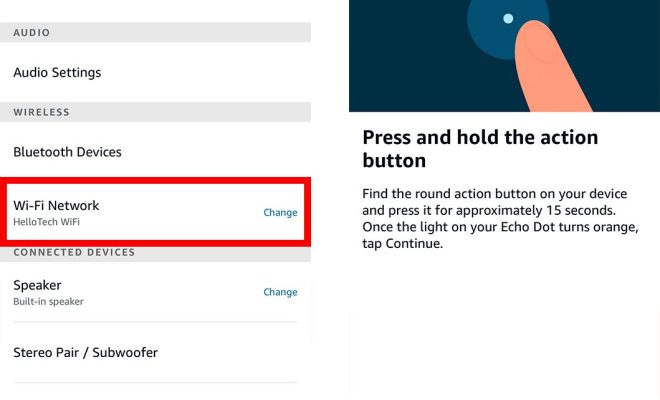
    How to Connect Alexa to Wi-Fi With or Without the App

    July 31, 2023
    By Matthew Lynch
  • Digital & Mobile Technology

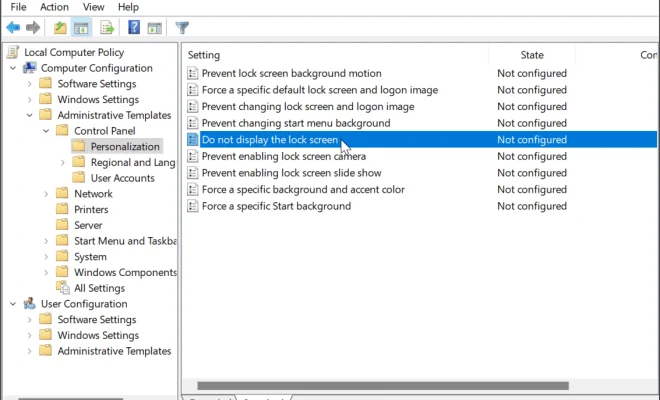
    How to Disable the Lock Screen on Windows 11

    June 12, 2023
    By Matthew Lynch
  • Digital & Mobile Technology

    22 Best Flower Wallpapers

    June 23, 2023
    By Matthew Lynch
  • Digital & Mobile Technology

    What Is DLC in Video Games?

    May 6, 2023
    By Matthew Lynch
  • Digital & Mobile Technology

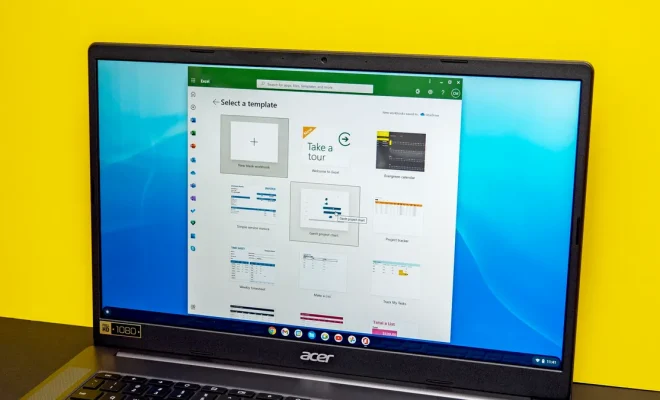
    Actually, Your Chromebook Can Run Microsoft Office

    April 10, 2023
    By Matthew Lynch

Search

Login & Registration

  • Log in
  • Entries feed
  • Comments feed
  • WordPress.org

Newsletter

Signup for The Tech Edvocate Newsletter and have the latest in EdTech news and opinion delivered to your email address!

About Us

Since technology is not going anywhere and does more good than harm, adapting is the best course of action. That is where The Tech Edvocate comes in. We plan to cover the PreK-12 and Higher Education EdTech sectors and provide our readers with the latest news and opinion on the subject. From time to time, I will invite other voices to weigh in on important issues in EdTech. We hope to provide a well-rounded, multi-faceted look at the past, present, the future of EdTech in the US and internationally.

We started this journey back in June 2016, and we plan to continue it for many more years to come. I hope that you will join us in this discussion of the past, present and future of EdTech and lend your own insight to the issues that are discussed.

Newsletter

Signup for The Tech Edvocate Newsletter and have the latest in EdTech news and opinion delivered to your email address!

Contact Us

The Tech Edvocate
910 Goddin Street
Richmond, VA 23231
(601) 630-5238
[email protected]

Copyright © 2026 Matthew Lynch. All rights reserved.