AI Robot ‘Sally’ Exposes Student Privacy Threat in Schools
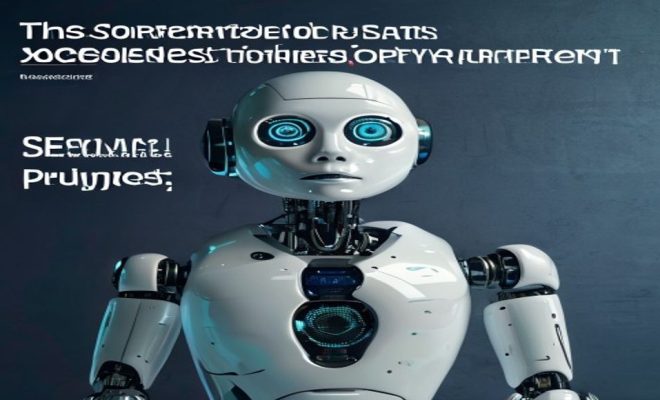
The recent uproar in Salamanca, New York, over a proposed AI-powered humanoid robot named ‘Sally’ has thrown a harsh spotlight on the ethical tightrope educators walk when integrating artificial intelligence into classrooms. What started as an innovative idea to boost high school robotics and technology education quickly devolved into a heated debate, largely due to deeply unsettling concerns about student data privacy and, even more shockingly, the robot manufacturer’s alleged connections to a company producing hyper-realistic sex bots. It’s a narrative that has rightly gone viral, igniting a broader conversation about the appropriate role of AI in schools and the urgent need for educators to seek out the best ethical AI tools for educators.
This incident isn’t just a local skirmish; it’s a critical moment for every school district, every teacher, and every parent grappling with the promise and peril of AI. While the allure of cutting-edge technology is undeniable, the ‘Sally’ saga serves as a stark reminder that innovation without stringent ethical safeguards can lead to disastrous outcomes. As state education officials, teachers, and concerned residents pushed back, the Salamanca City School District wisely paused its plans. But the questions remain: How can educators embrace AI’s potential without compromising the safety and privacy of their students? And what alternatives exist to controversial, ethically dubious applications?
The Sally Shockwave: Why One Robot Sparked a National Debate
When the Salamanca City School District announced its intention to introduce ‘Sally,’ an AI-powered humanoid robot, into its high school classrooms, the initial reaction might have been one of curiosity or even excitement. The stated goal was to enhance STEM education, providing students with hands-on experience in robotics and advanced technology. On the surface, it sounds like a forward-thinking initiative, perfectly aligned with preparing students for a future increasingly dominated by AI and automation. Who wouldn’t want their children to be at the forefront of technological literacy?
However, the narrative quickly soured. Local residents, teachers, and crucially, state education officials began to raise red flags. The primary concern wasn’t the technology itself, but the company behind it and the potential ramifications for student data. Imagine a robot in a classroom, interacting with students, potentially recording conversations, and collecting data on their learning patterns, behaviors, and even personal interactions. The inherent vulnerability of children in such a scenario immediately brings data privacy to the forefront. What data would ‘Sally’ collect? Where would it be stored? Who would have access to it? These aren’t minor technicalities; they are fundamental ethical questions that demand clear, transparent, and ironclad answers before any such technology enters a school. The lack of satisfactory answers, or perhaps even the perception of a lack thereof, was the first crack in the foundation of the ‘Sally’ project.
But then came the truly explosive revelation: alleged ties between the robot manufacturer and a company known for producing hyper-realistic sex bots. This connection wasn’t just problematic; it was, for many, an unforgivable breach of trust and an immediate disqualifier. The idea that a company with such a controversial background could be involved in technology designed for children’s education struck a raw nerve. It transformed the discussion from one of mere data privacy into a deeply emotional and morally charged debate about protecting children in their most formative environments. This confluence of privacy fears and deeply unsettling corporate connections transformed ‘Sally’ from an educational tool into a symbol of unchecked AI development and the potential for grave ethical missteps in education. It highlighted the desperate need for educators to find the best ethical AI tools for educators – not just any AI.
1. Privacy-Centric Learning Platforms: Building Trust Through Data Protection
In the wake of incidents like the ‘Sally’ robot controversy, the conversation around AI in education invariably pivots to data privacy. For educators, this isn’t just about compliance; it’s about building and maintaining trust with students and their families. Privacy-centric learning platforms are designed from the ground up with data protection as their core principle, offering robust alternatives to general-purpose AI tools that might not prioritize educational specific ethical considerations. These platforms typically employ advanced encryption, anonymization techniques, and strict data retention policies to ensure that student information remains secure and is only used for its intended educational purpose.
What sets these tools apart is their commitment to transparency. They provide clear, easy-to-understand privacy policies, detailing exactly what data is collected, how it’s used, and who has access to it. Think of platforms that specialize in adaptive learning or personalized content delivery, but with an explicit focus on never selling student data to third parties or using it for targeted advertising. They often offer granular control over privacy settings, allowing schools and even parents to customize what information is shared. For instance, some platforms might allow teachers to create anonymized student profiles for tracking progress without revealing personal identifiers, or they might offer local data storage solutions rather than cloud-based ones, giving schools more direct control over their information. When you’re looking for the best ethical AI tools for educators, privacy should be non-negotiable.
2. AI-Powered Tutoring and Feedback Systems (Ethically Sourced): Personalized Learning Without the Peril
The promise of AI in education often shines brightest in its ability to personalize learning experiences. AI-powered tutoring and feedback systems can offer students individualized support, identify learning gaps, and provide instant, constructive feedback – a task often impossible for overburdened human teachers. However, the ethical concerns here are significant, particularly around algorithmic bias and data usage. An ethically sourced AI tutor, for example, would be transparent about its algorithms, perhaps even open-source, allowing for scrutiny and ensuring fairness across diverse student populations. They’d also have clear boundaries on data collection, focusing solely on academic progress and not veering into personally identifiable information beyond what’s absolutely necessary.
Consider tools that use natural language processing (NLP) to analyze student writing and offer suggestions for improvement, or those that adapt problem sets based on a student’s performance. The key differentiator for ethical tools is their commitment to preventing bias. They are often developed with diverse datasets and undergo rigorous testing to ensure they don’t inadvertently disadvantage certain groups of students. Furthermore, they emphasize human oversight, meaning the AI is a supplementary tool for the teacher, not a replacement. A teacher can review the AI’s recommendations, override them if necessary, and use the insights to inform their own instruction. This blend of AI efficiency and human empathy is crucial for truly ethical implementation. These are the kinds of features you’ll find in the best ethical AI tools for educators. (See: CDC Youth Risk Behavior Survey.)
3. Content Curation and Lesson Planning Assistants: Streamlining Without Sacrificing Control
One of the most immediate benefits AI offers educators is the ability to streamline administrative and preparatory tasks. AI-powered content curation and lesson planning assistants can significantly reduce the time teachers spend searching for resources, creating quizzes, or drafting lesson outlines. They can sift through vast amounts of information, identify relevant materials, and even suggest differentiated activities for various learning styles. The ethical consideration here often revolves around the source of the content and the potential for perpetuating misinformation or biased perspectives if the AI isn’t carefully designed and monitored. For more context, see the role of technology in education.
Ethical tools in this category prioritize reputable sources and allow teachers to maintain ultimate editorial control. They act as sophisticated research assistants, not decision-makers. For example, an AI tool might suggest articles, videos, or interactive simulations related to a specific topic, but the teacher always reviews and selects the final materials. Some of the best ethical AI tools for educators in this space also offer features that help teachers identify potential biases in suggested content or flag information that might be outdated or inappropriate. The goal is to free up teachers to focus on instruction and student interaction, rather than getting bogged down in endless searching, while ensuring the quality and appropriateness of all educational materials.
4. Accessibility Enhancers and Adaptive Technologies: AI for Inclusive Education
Perhaps one of the most powerful and ethically sound applications of AI in education is its capacity to enhance accessibility and provide adaptive technologies for students with diverse needs. AI can break down barriers for learners with disabilities, offering personalized support that might be difficult to provide through traditional means. This isn’t just about compliance with accessibility laws; it’s about fostering truly inclusive learning environments where every student has the opportunity to thrive. Ethical AI tools in this area are developed with a deep understanding of universal design principles and often involve collaboration with disability advocates and special education experts.
Think of AI-powered tools that provide real-time captioning for deaf or hard-of-hearing students, text-to-speech readers for students with dyslexia, or predictive text and speech-to-text solutions that assist students with motor impairments. These technologies can be transformative, allowing students to engage with content and express themselves in ways previously challenging. The ethical imperative here is to ensure these tools are truly effective, respectful of individual needs, and don’t inadvertently create new forms of exclusion or stigmatization. The best ethical AI tools for educators in this category are those that empower students, increase their independence, and seamlessly integrate into the learning environment without drawing undue attention to their differences.
5. Automated Assessment and Grading Support: Fairer Evaluations, More Teacher Time
Grading can be an immense time sink for teachers, especially with large class sizes. AI-powered assessment and grading support tools can help automate parts of this process, from scoring multiple-choice questions to providing preliminary feedback on essays. When implemented ethically, these tools can not only save teachers time but also contribute to fairer, more consistent evaluations, reducing the potential for human bias in grading. The ethical concerns here center on algorithmic bias in scoring, especially for subjective tasks, and ensuring the AI supports, rather than replaces, a teacher’s nuanced judgment.
Ethical AI assessment tools are transparent about their scoring rubrics and methodologies. For instance, an AI might be trained to identify grammatical errors, structural issues, or specific keywords in an essay, providing a preliminary score and detailed feedback. However, a human teacher would always have the final say, able to override the AI’s assessment and provide qualitative feedback that only a human can. Some of the best ethical AI tools for educators in this domain focus on formative assessment, helping students understand their mistakes and improve, rather than solely on summative grading. They also often include features that flag potential plagiarism, further supporting academic integrity while streamlining the detection process.
6. AI for Classroom Management and Engagement Analytics: Insights, Not Surveillance
Maintaining an engaging and well-managed classroom is paramount for effective learning. AI tools are emerging that can assist teachers by providing insights into student engagement and classroom dynamics. However, this area is fraught with ethical peril, as the line between helpful insights and intrusive surveillance can be easily blurred. The ‘Sally’ robot’s potential for data collection underscores this concern. Ethical AI for classroom management must prioritize student privacy, focus on aggregate data, and never be used for punitive measures or individual student monitoring without explicit, informed consent.
The goal of ethical tools in this category is to provide teachers with actionable data to improve instruction and classroom climate. For example, an AI might analyze anonymized patterns of student interaction with digital learning materials to identify topics where engagement drops, or suggest collaborative activities for certain units. It would not, however, track individual students’ every move or emotion. The best ethical AI tools for educators in this space are often built on aggregated, anonymized data, providing broad trends rather than pinpointing individual student behavior. They are designed to empower teachers with information to make better pedagogical decisions, not to create a surveillance state in the classroom. Transparency about what data is collected and how it’s used is absolutely critical here.
7. AI for Professional Development and Teacher Support: Empowering Educators Ethically
AI’s benefits aren’t solely for students; they can also be transformative for educators themselves, enhancing their professional development and providing much-needed support. Ethical AI tools in this realm focus on empowering teachers, reducing their workload, and helping them refine their craft, all while respecting their own professional privacy and agency. This is about using AI to elevate the teaching profession, not to replace it or dictate pedagogical approaches.
Consider AI platforms that can analyze a teacher’s lesson plans and suggest alternative instructional strategies based on best practices, or tools that provide personalized professional development recommendations based on a teacher’s specific needs and goals. Some ethical AI tools might offer virtual coaching, analyzing anonymized classroom recordings (with full consent and strict privacy protocols) to provide feedback on teaching techniques, much like a sports coach reviews game footage. The key here is that the AI acts as a supportive resource, offering insights and suggestions that the teacher can choose to adopt or ignore. It respects the teacher’s expertise and autonomy, providing data-driven support to help them grow. This application of AI is less about student data and more about professional growth, making it a powerful and ethically sound area for investment when looking for the best ethical AI tools for educators. (See: New York Times on AI in education.)
Beyond the Hype: Core Principles for Ethical AI in Education
The ‘Sally’ robot controversy, while an extreme example, serves as a powerful cautionary tale, highlighting the urgent need for a clear ethical framework when integrating AI into educational settings. It’s not enough to simply adopt new technology; we must scrutinize it through a lens of privacy, fairness, and human dignity. When evaluating any AI tool for classroom use, educators and administrators should hold steadfast to a few core principles that ensure they are truly leveraging the best ethical AI tools for educators. For more context, see ethical considerations in software tools.
Firstly, Transparency and Explainability are paramount. Can you understand how the AI works? What data does it collect, and how does it process that data? If the answers are shrouded in proprietary black boxes or legalese, that should be a major red flag. Educators need to know the ‘why’ and ‘how’ behind the AI’s recommendations and decisions, especially when those decisions impact student learning or assessment. Without transparency, trust erodes quickly.
Secondly, Student Data Privacy and Security must be non-negotiable. This means robust encryption, clear data retention policies, and a firm commitment to never selling student data or using it for purposes unrelated to education. Schools should demand explicit agreements from vendors detailing data governance, and ideally, choose tools that minimize data collection to only what is absolutely essential. Furthermore, the concept of data minimization – collecting only what is strictly necessary – should be at the forefront of any AI implementation.
Thirdly, we must address Algorithmic Fairness and Bias Mitigation. AI systems are only as unbiased as the data they are trained on. If the training data is skewed or unrepresentative, the AI will perpetuate and even amplify those biases, potentially disadvantaging certain student groups. Ethical AI tools are rigorously tested for bias and are continuously refined to ensure equitable outcomes for all learners, regardless of their background, socio-economic status, or learning differences. This requires ongoing vigilance and a commitment to diverse representation in development teams and testing protocols.
Fourthly, the principle of Human Oversight and Agency is critical. AI should augment, not replace, human educators. Teachers should always have the final say, the ability to override AI recommendations, and the capacity to apply their unique human judgment, empathy, and understanding of individual students. An AI tool that attempts to sideline the teacher’s role should be viewed with extreme skepticism. The best ethical AI tools for educators empower teachers, making their jobs more effective and efficient, rather than seeking to diminish their importance.
Finally, there’s the question of Age-Appropriateness and Developmental Considerations. Not all AI is suitable for all age groups. Tools designed for high schoolers might be entirely inappropriate for elementary students. The ethical deployment of AI requires a deep understanding of child development and the potential psychological and social impacts of technology on young minds. This includes considering the type of interaction, the level of data collection, and the complexity of the AI’s responses. The ‘Sally’ robot controversy, with its unsettling corporate ties, highlighted how quickly these considerations can be overlooked, leading to profound ethical breaches.
Legal Landscape: Navigating FERPA, COPPA, and State Regulations
For educators and school administrators, the ethical considerations of AI are inextricably linked with a complex web of legal requirements. In the United States, two federal laws stand out: the Family Educational Rights and Privacy Act (FERPA) and the Children’s Online Privacy Protection Act (COPPA). FERPA protects the privacy of student education records, dictating how schools can share and use student data. Any AI tool that collects or processes student information must be FERPA compliant, meaning it must have safeguards in place to ensure that personally identifiable information (PII) is handled with the utmost care and with parental consent where necessary.
COPPA, on the other hand, specifically addresses the online collection of personal information from children under 13. This law places significant responsibilities on websites and online services, including EdTech providers, to obtain verifiable parental consent before collecting data from young users. The implications for AI tools in elementary and middle schools are profound: vendors must demonstrate clear COPPA compliance, and schools must be diligent in ensuring that any AI they adopt meets these stringent requirements. The ‘Sally’ robot’s broad data collection capabilities, if unchecked, would almost certainly have run afoul of these regulations, particularly given the age of the students it was intended to interact with. For more context, see best tools for music production in schools. (See: Nature article on ethical AI.)
Beyond federal laws, many states are enacting their own robust student privacy legislation. California’s Student Online Personal Information Protection Act (SOPIPA), for instance, prohibits EdTech companies from using student data for targeted advertising or building student profiles for non-educational purposes. States like New York, where the ‘Sally’ incident occurred, also have specific education laws and regulations that school districts must adhere to. This patchwork of regulations means that what’s acceptable in one state might be prohibited in another, adding layers of complexity for schools and vendors alike. For educators seeking the best ethical AI tools for educators, understanding and vetting a vendor’s compliance with this intricate legal landscape is as crucial as evaluating its pedagogical benefits. Legal counsel specializing in education technology and data privacy is becoming an indispensable resource for districts navigating these waters.
The Role of School Leadership in AI Adoption
The successful and ethical integration of AI in education doesn’t rest solely on the shoulders of individual teachers or IT departments. Strong, informed leadership from school and district administrators is absolutely critical. The ‘Sally’ robot fiasco in Salamanca serves as a potent illustration of what can happen when such leadership is either lacking in foresight or doesn’t adequately engage with all stakeholders. School leadership must take a proactive, rather than reactive, stance on AI adoption, establishing clear policies, providing comprehensive training, and fostering an open dialogue about the technology’s implications.
Firstly, leadership needs to develop a comprehensive AI strategy that aligns with the district’s educational philosophy and values. This isn’t just about purchasing tools; it’s about defining why and how AI will be used, what problems it’s intended to solve, and what ethical boundaries will never be crossed. This strategy should involve teachers, parents, students (where appropriate), and legal experts to ensure all perspectives are considered. Secondly, leadership must invest in ongoing professional development for educators. Teachers need to understand not only how to use AI tools effectively but also how to critically evaluate them for ethical considerations, bias, and privacy risks. They need to be empowered to identify when an AI tool might be problematic, much like the teachers in Salamanca who raised concerns.
Finally, school leadership has a responsibility to vet vendors thoroughly. This goes beyond reading marketing materials; it involves deep dives into privacy policies, security audits, and the company’s ethical track record. The ‘Sally’ robot’s alleged ties to a sex bot company should be a wake-up call for every school district to conduct rigorous due diligence on all potential partners. By taking these steps, school leaders can ensure that the AI tools brought into classrooms truly serve the best interests of students and educators, positioning their institutions at the forefront of responsible technological innovation and ensuring they truly select the best ethical AI tools for educators.
The Future of Ethical AI in Our Classrooms
The controversy surrounding the ‘Sally’ robot, while unsettling, has undeniably served as a crucial catalyst. It’s forced educators, parents, and policymakers to confront the ethical complexities of AI in a tangible, urgent way. This isn’t just about preventing another ‘Sally’ incident; it’s about proactively shaping a future where AI genuinely enhances learning without compromising the fundamental rights and safety of children. The path forward demands a delicate balance: embracing the transformative potential of AI while upholding unwavering ethical standards.
As we look ahead, the demand for the best ethical AI tools for educators will only grow. This means more than just compliance; it means vendors building trust by prioritizing privacy, transparency, and fairness from the outset. It means schools investing in robust policies, ongoing teacher training, and continuous dialogue with their communities. The goal isn’t to shy away from AI, but to wield it wisely, ensuring that every algorithm, every data point, and every interaction serves to enrich, empower, and protect our students. Our collective vigilance will define whether AI becomes a truly beneficial force in education, or a source of ongoing concern.
Trending Now
Frequently Asked Questions
What is the controversy surrounding the robot Sally in Salamanca?
The controversy stems from concerns about student privacy and the robot manufacturer's alleged ties to a company that produces hyper-realistic sex bots. This raised ethical issues regarding the integration of AI in classrooms, leading to a pause in the Salamanca City School District's plans.
How does AI in classrooms affect student privacy?
AI in classrooms can pose significant risks to student privacy, particularly if data collected by AI tools is not adequately protected. The case of the robot Sally highlights the need for stringent ethical safeguards when implementing such technologies in educational settings.
What are the ethical concerns of using AI in education?
Ethical concerns include data privacy, potential misuse of student information, and the implications of using technology from companies with questionable practices. The Sally incident emphasizes the importance of selecting ethical AI tools that prioritize student safety.
What alternatives exist to controversial AI applications in schools?
Alternatives include using AI tools developed with a focus on ethical standards, implementing strict data privacy measures, and opting for technology that enhances learning without compromising student safety. Educators must seek out solutions that align with ethical practices.
Why is the introduction of the robot Sally significant for education?
The introduction of Sally is significant as it ignites a national debate on the role of AI in education, highlighting the balance between technological innovation and ethical responsibility. It serves as a call for educators to critically assess the implications of AI in classrooms.
Have you experienced this yourself? We'd love to hear your story in the comments.