Sony’s Controversial Move: Why the Last of Us Part II Multiplayer Mod Got Axed
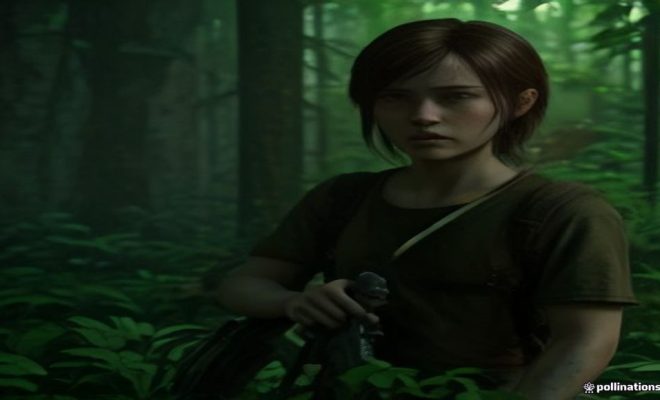
The gaming community is still reeling from some truly bewildering news: Sony Interactive Entertainment, the titan behind the PlayStation empire, reportedly brought the hammer down on a free, fan-made multiplayer mod for The Last of Us Part II. This wasn’t just any mod, mind you. This was a project spearheaded by a creator known as Speclizer, promising a PC multiplayer PvP experience for one of Naughty Dog’s most iconic — and, let’s be honest, polarizing — titles. And the timing? Absolutely brutal. We’re talking weeks, maybe even mere days, before its anticipated September 2026 launch. For many, this feels like a gut punch, raising crucial questions about intellectual property, fan creativity, and the often-fraught relationship between publishers and their most dedicated communities.
Speclizer, the modder at the heart of this saga, dropped the bombshell on September 13, 2026, revealing that a cease-and-desist letter from Sony was the reason for the sudden halt. Imagine putting countless hours, immense passion, and considerable skill into a project, only to have it unceremoniously shut down right at the finish line. It’s a scenario that’s infuriating for creators and disheartening for fans who were genuinely excited about a fresh way to engage with the gritty, post-apocalyptic world of The Last of Us Part II multiplayer mod. This incident isn’t just a niche story for modding forums; it’s rapidly becoming a focal point of debate across the broader gaming landscape, sparking discussions that touch on everything from legal precedents to the very spirit of community engagement.
1. The Unforeseen Cease-and-Desist: A Mod’s Sudden End
The announcement from Speclizer regarding the cease-and-desist letter sent shockwaves through the community. Up until that point, the The Last of Us Part II multiplayer mod had been a beacon of hope for fans yearning for a different kind of experience within the game. Naughty Dog’s original vision for The Last of Us Part II was a deeply cinematic, narrative-driven single-player journey. While the first Last of Us had a surprisingly robust and beloved Factions multiplayer mode, its sequel famously shipped without one, much to the disappointment of many players. This created a void, and Speclizer’s project aimed to fill it, offering a player-versus-player arena that promised to inject new life into the game’s mechanics and world.
The abruptness of the shutdown is what really stings. To have a project, years in the making and nearing completion, suddenly face a legal challenge just weeks before its public debut feels particularly harsh. This wasn’t some underground, barely-known endeavor; Speclizer had a public presence, showcasing progress and building anticipation. The timing suggests that Sony was aware of the project’s existence for some time but chose to act at the eleventh hour, leaving many to wonder about the internal decision-making process that led to such a last-minute intervention. Was it a strategic move, a legal necessity, or simply a case of poor communication?
2. Filling the Void: Why Fans Craved a The Last of Us Part II Multiplayer Mod
To truly understand the fervor around Speclizer’s project, you have to look at the history of the franchise’s multiplayer. The Last of Us Remastered on PlayStation 4 famously included a multiplayer component called Factions. This wasn’t just an afterthought; Factions developed a dedicated, almost cult-like following. It offered a unique blend of stealth, resource management, and intense firefights, all wrapped in the thematic grimness of the main game. Players loved its strategic depth and the high stakes of each match. So, when Naughty Dog confirmed that The Last of Us Part II would launch without any multiplayer offering, the collective groan from the community was almost audible.
Naughty Dog did eventually announce that a standalone multiplayer experience, codenamed ‘Factions 2.0’ or ‘The Last of Us Multiplayer,’ was in development. However, details have been scarce, and the project has faced significant delays, reportedly undergoing a creative overhaul. This prolonged wait left a massive opening for fan creators. Speclizer’s The Last of Us Part II multiplayer mod stepped into this vacuum, offering a taste of what many felt was missing. It tapped into a deep desire among players to not only revisit the world of Part II but to do so with friends, engaging in the kind of competitive, emergent gameplay that Factions had so successfully delivered. The fact that it was a PC mod also opened it up to a whole new audience that might not typically engage with PlayStation’s console ecosystem for this particular title.
3. The Viral Recipe: Why This Story Exploded
This isn’t just another modding story; it’s a confluence of elements that made it go viral almost instantly. First, you have the sheer scale of the publisher involved. Sony Interactive Entertainment isn’t a small indie studio; it’s one of the biggest names in gaming. Anything they do, especially something as decisive as a cease-and-desist, immediately captures attention. Then there’s the beloved, yet controversial, franchise itself. The Last of Us series consistently generates intense discussion, whether it’s about its narrative choices, character developments, or even its perceived political undertones. This existing emotional investment amplifies any news related to it.
But perhaps the most potent ingredient for virality here is the narrative of ‘fan creativity versus corporate power.’ People love an underdog story, and when a dedicated fan project is seemingly squashed by a monolithic corporation, it triggers a strong sense of injustice and sympathy. It sparks a broader conversation about content ownership, the rights of creators, and the role of communities in shaping the games they love. This isn’t just about a specific mod; it’s about the principle of whether passionate fans should be allowed to build upon existing worlds, especially when their creations are free and seemingly fill a gap left by the official developers. The story hits multiple viral triggers: big publisher, blocked creativity, a legal shocker, and deep emotional ties to a polarizing series – a perfect storm for shares and heated comment sections. (See: importance of supportive environments.)
4. Legal Landscape: Understanding Cease-and-Desist Letters
A cease-and-desist letter is a formal legal document demanding that an individual or entity stop an activity that is allegedly infringing upon the sender’s legal rights. In this case, Sony Interactive Entertainment, as the owner of the The Last of Us intellectual property (IP), would argue that Speclizer’s The Last of Us Part II multiplayer mod was an unauthorized derivative work. The core issue revolves around copyright infringement. When you buy a game, you’re typically purchasing a license to play it, not ownership of the underlying code, assets, or narrative. Modding, by its very nature, often involves altering or adding to copyrighted material, which can put modders in a legally precarious position.
While many publishers tolerate or even encourage modding, especially for PC titles, there’s no legal obligation for them to do so. Their decision often comes down to a few factors: Is the mod competing with an official product (like the forthcoming Naughty Dog multiplayer)? Is it negatively impacting the brand’s image? Is it monetized? In Speclizer’s case, the mod was free, which often helps avoid legal action, but the existence of an official multiplayer project likely weighed heavily on Sony’s decision. Publishers have a right – and some would argue, a responsibility – to protect their IP, but the line between protection and stifling innovation can often feel blurry and, to fans, unfair.
5. The Precedent Problem: Why Publishers Act
One of the primary reasons a company like Sony might issue a cease-and-desist, even for a non-commercial fan project, is the concept of setting a precedent. If they allow one large, well-publicized fan-made The Last of Us Part II multiplayer mod to exist without intervention, it could weaken their legal standing to challenge similar projects in the future. Their argument might become, “Well, you allowed Speclizer’s mod, why are you stopping ours?” This is especially critical when an official, competing product is in development. Sony needs to maintain firm control over its IP, particularly when it has an internal team working on a similar offering.
Furthermore, there’s the issue of quality control and brand image. While Speclizer’s work was undoubtedly impressive, it wasn’t an official product. If the mod had shipped with bugs, performance issues, or content that didn’t align with Naughty Dog’s vision, some players might mistakenly associate those flaws with the official game or franchise. Publishers are incredibly protective of their brand identity and reputation, and unauthorized modifications, even well-intentioned ones, can pose a perceived risk to that. It’s a delicate balance for companies, weighing community goodwill against strict IP enforcement.
6. The Broader Debate: Ownership, Community, and Fan Content
This incident throws a spotlight on a long-standing tension in the gaming world: who truly ‘owns’ a game and its universe once it’s released? From a legal standpoint, the answer is clear: the developer and publisher own the intellectual property. But from a community perspective, especially among PC gamers, there’s a strong belief in the right to modify, adapt, and extend games, particularly when done for free and out of passion. This isn’t just about The Last of Us Part II multiplayer mod; it’s about a fundamental cultural clash between corporate control and grassroots creativity.
Many argue that fan-made content actually benefits a franchise by keeping it alive, fostering engagement, and even inspiring official content. Think of the modding scenes for games like Skyrim or Grand Theft Auto V, which have extended the lifespan and appeal of those titles exponentially. When a company shuts down a non-profit fan project, it can feel like a betrayal of the very community that supports their products. It raises questions about how publishers can better engage with their fans, perhaps through official modding tools or clear guidelines, rather than resorting to legal action that often alienates their most passionate supporters. It’s a conversation that has profound implications for the future of gaming and how players interact with the worlds they love.
7. What Now for The Last of Us Multiplayer?
With Speclizer’s The Last of Us Part II multiplayer mod now a casualty, all eyes turn back to Naughty Dog’s official multiplayer project. The community’s hunger for a competitive Last of Us experience is undeniable, and the immense interest in Speclizer’s mod is proof positive of that. Naughty Dog and Sony are now under even greater pressure to deliver a compelling, high-quality multiplayer game that can live up to the legacy of Factions and satisfy the expectations that have only been amplified by this recent shutdown. The longer the official project remains in development hell or shrouded in mystery, the more frustration will build among players.
This incident serves as a stark reminder of the delicate balance between protecting intellectual property and fostering community engagement. While Sony’s legal right to protect its IP is clear, the public relations fallout from stifling a popular, free fan project is also significant. Hopefully, this saga will prompt a deeper reflection within the industry about how to better co-exist with and even empower the creative energies of dedicated fans. For now, players will continue to wait for Naughty Dog’s official take on The Last of Us multiplayer, a wait made only more agonizing by the glimpse of what might have been with Speclizer’s ambitious project.
8. The Economic Impact of Fan Mods: A Double-Edged Sword
It’s easy to focus solely on the legal and ethical sides of fan mods, but there’s a real economic undercurrent to these decisions. On one hand, a thriving modding community can significantly extend the shelf-life and sales of a game. Look at titles like Minecraft or Garry’s Mod, whose entire appeal is built on user-generated content. Even more traditional games like Skyrim see huge spikes in engagement with new, popular mods. These mods essentially act as free marketing and content updates, keeping the game relevant for years, sometimes even decades, after its initial release. This translates to continued sales, especially for new players wanting to experience the rich modding scene. (See: the world of video game modding.)
On the other hand, a publisher might view a fan-made The Last of Us Part II multiplayer mod as a direct threat to potential revenue streams. If Speclizer’s mod had gained massive traction, would it have siphoned off interest (and future purchases) from Naughty Dog’s official multiplayer offering? This isn’t just about direct sales; it also impacts potential microtransactions, battle passes, or expansion packs that an official game might offer. Sony’s investment in Naughty Dog’s multiplayer project is likely substantial, and they’d want to ensure its commercial success isn’t undermined by an unofficial, free alternative, regardless of how well-intentioned it might be. It becomes a calculation of opportunity cost and protecting their market share in the long run.
9. The “Good Faith” Argument: Modding Guidelines and Developer Relations
Many in the modding community operate under an unwritten “good faith” agreement with developers. This usually means not profiting directly from copyrighted assets, not distributing pirated copies of the base game, and generally not creating content that explicitly damages the brand or competes directly with announced official products. Speclizer’s The Last of Us Part II multiplayer mod, being free and seemingly adhering to a high standard of quality, seemed to fit this ‘good faith’ understanding for many fans.
However, what constitutes “good faith” for a fan creator can be very different from a multi-billion dollar corporation’s legal department. Publishers often prefer official, clearly defined SDKs (Software Development Kits) or modding tools that allow them to control the parameters of fan creations. When a modder reverse-engineers a game or injects custom code without official tools, it can raise technical and security concerns for the developer, even if the modder has no malicious intent. This lack of official support for The Last of Us Part II modding likely made Speclizer’s project inherently riskier from Sony’s perspective, as they had no control over its development or distribution, making the cease-and-desist a more straightforward legal path than trying to negotiate or collaborate.
10. Expert Perspectives: Intellectual Property Lawyers Weigh In
From an intellectual property lawyer’s perspective, Sony’s move is almost textbook. Copyright law grants the owner exclusive rights to reproduce, distribute, and create derivative works from their original creation. A fan-made mod, especially one that directly uses game assets and code, clearly falls under the definition of a “derivative work.” Legal experts often point out that intent (whether the mod is free or not) doesn’t negate infringement. The core issue is unauthorized use of proprietary material.
One legal argument frequently made is that if a company *doesn’t* enforce its IP rights consistently, it risks losing them over time. This is why you sometimes see companies sending cease-and-desists to small, seemingly harmless fan projects. It’s not necessarily about crushing creativity; it’s about maintaining a strong legal posture. If Sony were to allow the The Last of Us Part II multiplayer mod to thrive while simultaneously developing their own multiplayer, it could complicate future legal battles or licensing agreements. For them, it’s a necessary step to protect a valuable asset, even if it generates negative PR.
11. Comparison to Other Franchises: A Tale of Two Modding Cultures
The situation with The Last of Us Part II multiplayer mod stands in stark contrast to other gaming franchises with vibrant, officially supported modding communities. Take Bethesda’s Elder Scrolls or Fallout series, for example. These games not only allow but actively encourage modding, even integrating mod support directly into console versions. Companies like Valve with the Steam Workshop also provide platforms and tools for creators. This fosters immense goodwill, extends game lifecycles, and often leads to community-driven innovations that sometimes get adopted into official releases.
Then you have franchises like Nintendo’s, which are famously aggressive in protecting their IP, often shutting down fan games, remakes, and even streaming content. PlayStation, while generally more tolerant than Nintendo, tends to be more restrictive than PC-focused developers, especially with their flagship exclusives. This difference in approach highlights a broader philosophical divide in the industry: is fan creativity a threat to be managed or an asset to be cultivated? The decision around Speclizer’s The Last of Us Part II multiplayer mod firmly places Sony in the “threat to be managed” camp, at least for this particular instance, likely due to the direct competition with their internal project.
Frequently Asked Questions About The Last of Us Part II Multiplayer Mod and IP
Q1: What exactly is a “mod” in the context of video games?
A mod, short for “modification,” is a change or addition to a video game made by players or fans. These can range from minor cosmetic tweaks (like new character skins) to significant overhauls that add new gameplay mechanics, levels, or even entire multiplayer modes, as Speclizer attempted with The Last of Us Part II multiplayer mod.
Q2: Why do companies issue cease-and-desist letters for fan projects?
Companies issue cease-and-desist letters primarily to protect their intellectual property (IP). If a fan project uses copyrighted assets, code, or trademarks without permission, it’s considered infringement. Publishers like Sony might act to prevent direct competition with their official products, maintain quality control over their brand, or simply to establish a legal precedent that they actively defend their IP rights.
Q3: Was Speclizer making money from the The Last of Us Part II multiplayer mod?
According to reports, Speclizer’s The Last of Us Part II multiplayer mod was intended to be entirely free. While profiting from a mod often increases the likelihood of legal action, even non-commercial projects can be subject to cease-and-desists if they infringe on copyright or compete with official products.
Q4: Does this mean all modding is illegal?
Not necessarily. The legality of modding is complex and depends on many factors, including the game’s End User License Agreement (EULA), the specific content of the mod, and the developer’s stance. Many developers tolerate or even encourage modding, especially for older PC titles, viewing it as a way to extend a game’s lifespan. However, if a mod directly infringes copyright, uses proprietary assets, or competes with official content, it opens the door for legal action.
Q5: How is this different from fan art or fan fiction?
While fan art and fan fiction also use copyrighted characters and worlds, they generally operate in a different legal gray area. They are typically seen as transformative works and are less likely to face legal action unless they are overtly commercial, create brand confusion, or are exceptionally damaging to the IP owner’s image. A game mod, especially one that uses original game code and assets, is often viewed as a more direct “derivative work” and therefore a more clear-cut case of copyright infringement than a drawing or story.
Q6: Will Naughty Dog’s official multiplayer game still be released?
Yes, Naughty Dog has confirmed they are still working on a standalone multiplayer experience for The Last of Us universe, often referred to as ‘Factions 2.0’. While it has faced delays and creative re-evaluations, this project is distinct from Speclizer’s fan mod and remains in development. The shutdown of the fan mod actually puts more pressure on Naughty Dog and Sony to deliver a high-quality official product.
Trending Now
- this guide on πώς οι γιορτινοί κουλοχέρηδες αλλάζουν τον ρυθμό των διαδικτυακών καζίνο
- iClever Q950 Kids Headphones Review: Premium Sound and Safety for Young Listeners
- our breakdown of the reckless ben controversy: an outrageous fight for justice
- Outrageous: The Sydney Sweeney Ad Controversy You Didn’t See Coming — And Why It’s Working
- the complete explanation
Frequently Asked Questions
Why was the Last of Us Part II multiplayer mod shut down?
The Last of Us Part II multiplayer mod was shut down due to a cease-and-desist letter from Sony Interactive Entertainment. This decision came just weeks before the mod's anticipated launch, leaving fans and the creator, Speclizer, shocked and disappointed.
What was the Last of Us Part II multiplayer mod about?
The Last of Us Part II multiplayer mod aimed to provide a free, fan-made PC multiplayer PvP experience for the game. Speclizer, the creator, hoped to offer fans a fresh way to engage with the beloved title's post-apocalyptic world.
How did the gaming community react to the shutdown of the mod?
The gaming community reacted with shock and dismay to the shutdown of the Last of Us Part II multiplayer mod. Many expressed frustration over the impact on fan creativity and the relationship between publishers like Sony and their dedicated player base.
What are the implications of Sony's decision on modding communities?
Sony's decision to shut down the Last of Us Part II multiplayer mod raises crucial questions about intellectual property and the rights of modders. It highlights the ongoing tension between game publishers and fan-driven projects, potentially affecting future modding initiatives.
Who is Speclizer and what role did they play in the mod?
Speclizer is the creator behind the Last of Us Part II multiplayer mod. They invested significant time and effort into developing the project, which aimed to enrich the gaming experience for fans of the franchise before it was abruptly halted by Sony.
What's your take on this? Share your thoughts in the comments below — we read every one.