VRAM Price Shock: Why Graphics Cards Are Soaring in 2024
“`html
As a PC gamer, there’s always excitement in upgrading your rig. You know the thrill of unboxing a new graphics card, installing the latest drivers, and finally experiencing those jaw-dropping graphics. Yet right now, many gamers are grappling with a challenge that could make all of that joy come with a hefty price tag. This isn’t just a typical price fluctuation; we’re witnessing a significant VRAM price shock that could push graphics card costs beyond what many are willing to pay. In this article, we’ll explore this shocking development, the reasons behind it, and how it’s affecting the gaming community.
Understanding VRAM and Its Importance
Virtual RAM, or VRAM, is a specialized type of memory used in graphics cards to store textures, images, and other graphical data. It plays a crucial role in how games render visually, impacting everything from frame rates to resolution. When VRAM prices increase, it directly affects the cost of GPUs, as manufacturers will pass on these costs to consumers.
This is particularly troubling for those looking to upgrade their systems or build new gaming PCs. The increased cost can deter gamers from purchasing the latest hardware, potentially pushing them to settle for older models that may not deliver the performance they desire. As the gaming landscape becomes increasingly demanding, the need for more powerful GPUs with ample VRAM is essential.
The Current State of VRAM Prices
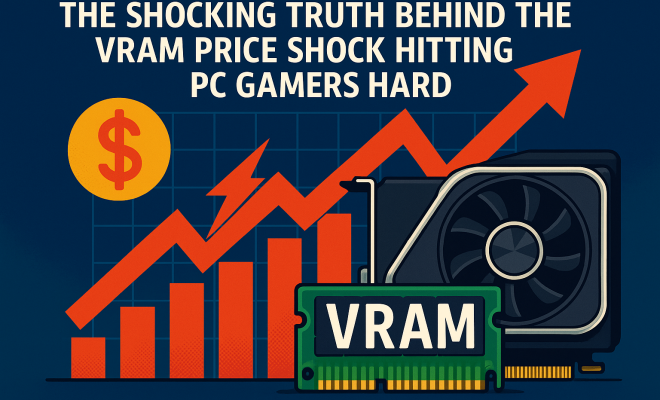
Recent reports indicate that VRAM prices are spiking by as much as 40%. This sharp increase is alarming for anyone monitoring the hardware market, particularly gamers who are always on the lookout for the next best thing in graphics technology. Once affordable upgrades may now feel like a distant dream as prices continue to climb.
Why the sudden surge in VRAM costs? The answer lies in a perfect storm of demand surpassing supply. Increasingly, more sectors, especially artificial intelligence (AI) and data centers, are vying for the same memory resources that gamers rely on. This has intensified competition, driving prices up and leaving gamers feeling squeezed.
The AI Boom and Its Unexpected Effects
It’s surprising to think that AI, often viewed as a groundbreaking advancement, is also responsible for the rising costs of gaming hardware. With tech companies investing heavily in AI capabilities, the demand for high-bandwidth memory has skyrocketed. Data centers require massive amounts of VRAM to power their computational needs, resulting in a resource allocation that leaves gamers at a disadvantage.
For instance, major cloud computing providers are ramping up their GPU capacities to support AI workloads, consuming large quantities of VRAM in the process. As competition heats up for these resources, prices reflect the growing demand. PC gamers, who may have once been able to easily upgrade their rigs, are now caught in a crossfire they didn’t anticipate.
Gamers’ Emotional Response: Frustration and Anger
The emotional response within gaming communities to this VRAM price shock is palpable. Gamers are expressing their frustrations across forums, social media, and streaming platforms. There’s an overwhelming sentiment of helplessness, as it feels like external forces are dictating what they can and cannot afford in the gaming world.
Many gamers have shared their outrage over the increasing costs, highlighting how this isn’t just a financial burden but a barrier to enjoying the latest gaming experiences. Some community members argue that they shouldn’t have to suffer for the booming demand from other industries. The frustration is compounded by the perception that gaming hardware is being squeezed out of reach, making it an infuriating time for many.
The Effect on Graphics Card Prices
With VRAM prices on the rise, it’s inevitable that we’ll see a ripple effect on GPU retail prices. As manufacturers face higher costs for the components necessary to create graphics cards, they’ll pass these expenses onto consumers. This could mean a significant increase in the price of new GPUs, which is already a concern for gamers looking to upgrade.
For example, consider a popular graphics card that previously retailed for $500. With a 40% increase in VRAM costs, it’s reasonable to expect that the same card could now cost upwards of $700 or more. Such a price jump could price out many gamers, particularly those who rely on a mid-range budget for their builds. (See: Understanding video memory (VRAM).)
Investor Perspective: Watching Closely
While gamers express frustration, there’s another group closely observing these market changes: investors. The intersection of gaming hardware and AI demand has caught the attention of financial analysts who see potential profit in the rising tech space. Companies that manufacture VRAM, GPUs, and other critical components are under the spotlight, with many investors keen to know how these trends will influence stock prices.
The link between VRAM price shocks and increased investment in AI technologies creates a complex narrative. While gamers are feeling the pinch, investors may benefit from the very trends causing frustration among the gaming community. The disparity between these two perspectives only adds fuel to the fire of discontent among PC gamers.
Potential Solutions and Strategies for Gamers
So, what can gamers do in light of this VRAM price shock? While it may seem daunting, there are a few strategies to consider. Firstly, it might be worthwhile to hold off on any immediate upgrades if you can manage it. Prices may stabilize or even drop as manufacturers adjust to the changes in supply and demand.
Alternatively, consider looking into second-hand markets. While there’s a risk involved, purchasing used GPUs could yield significant savings compared to buying new, especially if you’re in the market for a model that’s a generation or two old.
Embracing the Future: Next-Gen Consoles and Alternatives
For some gamers, now may be the perfect time to explore alternatives to traditional PC gaming. Next-gen consoles, such as the PlayStation 5 and Xbox Series X, offer impressive performance at a more manageable price point. These consoles are designed to handle modern gaming demands without the need for constant upgrades that a PC gamer faces.
While traditional gaming platforms have their merits, advances in cloud gaming technology are also worth looking into. Services like NVIDIA GeForce NOW and Xbox Cloud Gaming allow players to stream games without the need for high-end hardware. This can be a viable solution for budget-conscious gamers feeling the pinch from rising hardware costs.
Looking Ahead: What’s Next for the Gaming Community?
As we navigate the era of the VRAM price shock, it’s essential to consider what this means for the future of gaming. Increased prices may drive some gamers away from upgrading their systems, which could lead to a decline in the enthusiasm for new releases. Developers could feel the impact as well, as a smaller audience may mean less revenue for new titles.
Moreover, if these trends continue, we may see a shift in the way games are developed, with a greater emphasis on optimizing performance for lower-end hardware or consoles. Gamers are resilient, and as trends evolve, so too will their preferences and strategies.
Potential Long-Term Impact on Game Development
With VRAM prices fluctuating and potentially stabilizing at a higher rate, game developers may need to adapt their strategies accordingly. This could mean a shift toward optimizing games to run efficiently on systems with lower VRAM capacities. Developers may prioritize performance over ultra-high resolution graphics in order to cater to a wider audience, keeping gaming accessible to those on tighter budgets.
Additionally, we might see innovations in how games utilize memory. For instance, technologies such as texture streaming and more efficient asset management could become predominant techniques, allowing games to run smoothly, even with lower VRAM. These adaptations may lead to a renaissance in game design, where creativity and optimization take precedence over raw graphical power.
Statistics and Market Trends
Understanding the extent of the VRAM price shock requires a look at some key statistics. According to recent market analyses, the average price of VRAM per gigabyte has surged from around $8 to over $12 in just a few months. This price hike corresponds with a 25% increase in overall GPU prices across the board. Comparatively, reports from the previous year indicated a much more stable market, with prices showing little volatility.
Furthermore, sales data from major retailers reveal that the demand for graphics cards has declined significantly, with a recorded 30% drop in sales in the last quarter alone. This could indicate that gamers are holding off on purchases, hoping for a decrease in prices as the market adjusts. However, analysts suggest that this decrease in sales could lead to long-term repercussions for manufacturers, potentially causing them to slow production and innovate less frequently. (See: Recent trends in graphics card prices.)
Expert Perspectives: What Do Industry Leaders Say?
Industry experts have weighed in on the current VRAM price shock, offering insights into future market movements. Dr. Emily Chen, a noted analyst in the tech sector, commented, “The current surge in VRAM prices is a significant disruption. We expect that as AI continues to grow, the gaming community will need to adapt to these changes in pricing, either through alternative solutions or shifts in technology.”
Another expert, Jason Reed, a senior product manager at a leading GPU manufacturer, stated, “We’re aware of the frustration among gamers and are actively looking at ways to keep our pricing competitive. Innovation and efficiency will be at the forefront of our approaches moving forward.” These perspectives highlight the delicate balance between technological advancement and consumer accessibility in the gaming market.
FAQ: What You Need to Know About VRAM Price Shock
What is VRAM, and why is it important for gaming?
VRAM, or Video Random Access Memory, is crucial for rendering high-quality graphics in games. It stores texture data, frame buffers, and other graphical information, directly impacting game performance and visual fidelity.
Why are VRAM prices increasing so rapidly?
The main drivers behind the surge in VRAM prices include increased demand from data centers and AI technology sectors, which are competing for the same resources as gamers.
How can I save money while upgrading my graphics card?
Consider purchasing used or refurbished GPUs, waiting for sales, or exploring mid-range options that offer good performance without breaking the bank. Keeping an eye on market trends can also help you time your purchase better.
Are next-gen consoles a viable alternative to PC gaming?
Yes, next-gen consoles often provide excellent performance at a lower upfront cost compared to building a high-end gaming PC. They are designed to handle modern gaming demands effectively.
What should I expect from game developers in light of VRAM price shocks?
Game developers may prioritize optimization for lower VRAM systems, focusing on performance and accessibility. This could lead to innovative designs that cater to a broader audience while maintaining visual quality.
How does the VRAM price shock affect eSports and competitive gaming?
The impact on VRAM prices can trickle down to eSports and competitive gaming by limiting the accessibility of high-performance GPUs for players. This can create disparities in competitive environments, as some players may not be able to afford the latest technology, thereby affecting overall gameplay and competitiveness.
Should gamers be concerned about the longevity of their current GPUs?
With rising VRAM costs, gamers should be mindful of the longevity of their current GPUs. As new titles demand more resources, older graphics cards may struggle to keep up, leading to considerations for upgrades sooner than anticipated.
What are the long-term implications of the VRAM price shock for the gaming industry?
Long-term implications could include a shift in how games are developed and marketed, with a focus on efficiency over sheer graphical power. If prices remain high, we could see a more significant divide between casual gamers and those willing to invest heavily in hardware. (See: Video memory in computer graphics.)
Final Thoughts: The Community Must Unite
The VRAM price shock is undeniably a pressing issue that resonates deeply with gamers right now. It has ignited discussions, frustrations, and even creativity within the community. As gamers band together, sharing insights, tips, and strategies, they can navigate these turbulent waters more effectively.
Ultimately, while the market may be out of our control, staying informed and adapting to changes will enable gamers to continue enjoying their passion. Whether it’s exploring secondary markets, considering alternative gaming platforms, or simply holding out for more favorable prices, every small decision will count in this evolving landscape. The community’s resilience and camaraderie will be key as we face this challenge together.
Future Innovations in Graphics Technology
As the gaming community grapples with the VRAM price shock, there is an opportunity for innovation. Companies are already researching alternative memory technologies that could provide better performance at lower costs. New developments in GDDR6X and HBM (High Bandwidth Memory) could be on the horizon, offering faster speeds and increased efficiency, which could mitigate some of the financial pressures gamers currently face.
Additionally, advancements in software optimization techniques could lead to reduced VRAM usage in games. Developers can optimize game engines to manage memory more efficiently, allowing for richer graphics without the need for excessive hardware upgrades.
Community Initiatives to Combat VRAM Price Shock
In light of the current situation, several community initiatives are springing up. Gamers are collaborating on forums and social media platforms to share resources, tips for budget builds, and news about upcoming sales. Some communities have even organized collective purchasing programs where members can buy hardware in bulk to secure discounts.
There are also discussions around advocating for transparency from manufacturers regarding pricing strategies and production costs. By rallying together, gamers can amplify their voices, potentially influencing companies to reconsider pricing models and to take into account the needs of the gaming community.
Final Recommendations for Gamers
In summary, the VRAM price shock is reshaping the landscape of gaming hardware. Gamers should remain vigilant and proactive in their approach to upgrades. Monitor market trends, engage with community forums for advice, and consider alternative platforms to continue enjoying gaming without breaking the bank. Remember, the gaming community is a powerful force, and together, we can navigate these challenges and emerge stronger.
“`
Trending Now
Frequently Asked Questions
Why are VRAM prices increasing?
VRAM prices are increasing due to a surge in demand that surpasses supply. Various sectors, especially artificial intelligence and data centers, are competing for this specialized memory, leading to significant price hikes that affect gamers looking to upgrade their graphics cards.
How does VRAM affect gaming performance?
VRAM, or Video RAM, is crucial for storing textures and graphical data in games. It directly impacts performance metrics like frame rates and resolution. Insufficient VRAM can lead to lower graphics quality and reduced performance, making it vital for gamers to have adequate VRAM for optimal gaming experiences.
What impact does VRAM price shock have on gamers?
The VRAM price shock can deter gamers from upgrading their systems or purchasing new graphics cards, as increased costs may push them to settle for older models that may not meet their performance needs. This situation can hinder gamers from experiencing the latest graphical advancements.
How much have VRAM prices increased recently?
Recent reports indicate that VRAM prices have spiked by as much as 40%. This substantial increase is alarming for gamers and hardware enthusiasts who are accustomed to more affordable upgrades in the graphics card market.
What should gamers do in response to rising VRAM costs?
Gamers facing rising VRAM costs should consider waiting for market stabilization, exploring used or older models, or evaluating budget-friendly alternatives. Staying informed about hardware trends and price fluctuations can also help in making more strategic purchasing decisions.
What did we miss? Let us know in the comments and join the conversation.