The Legacy of Tekken 3 – Why It’s Still Played Today
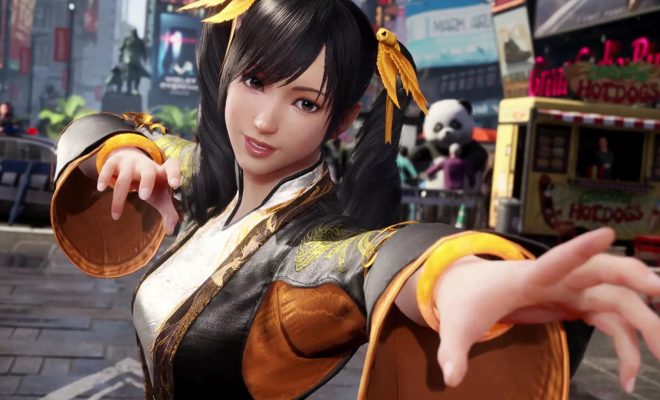
More than two decades after its release, Tekken 3 continues to be played and celebrated by fighting game enthusiasts around the world. This enduring popularity is a testament to the game’s quality and the impact it had on the fighting game genre. But what exactly is it about Tekken 3 that keeps players coming back after all these years?
One of the primary reasons for Tekken 3’s longevity is its perfectly balanced gameplay. The game struck an ideal equilibrium between accessibility for newcomers and depth for experienced players. Beginners could enjoy the game with simple button combinations, while advanced players could delve into complex juggle combos and frame-perfect punishes. This balance ensures that the game remains enjoyable at all skill levels, a quality that many modern fighting games still strive to achieve.
The diverse and well-designed character roster is another factor in Tekken 3’s enduring appeal. With 23 playable characters (including unlockables), each with unique fighting styles and personalities, the game offers tremendous variety. From the Mishima family’s traditional karate to Eddy Gordo’s capoeira, the range of fighting styles keeps the gameplay fresh and interesting. Players can spend years mastering different characters and still find new techniques and strategies.
Tekken 3’s story and character development also contribute to its lasting appeal. The game introduced compelling narratives for its characters, with the Mishima family drama at its core. These stories, told through in-game cutscenes and character endings, gave players a reason to care about the fighters beyond their movesets. The depth of lore established in Tekken 3 laid the foundation for the complex narratives in later Tekken games.
The game’s additional modes, particularly Tekken Force and Tekken Ball, add to its replay value. These modes offer a break from traditional fighting and provide a different way to enjoy the game’s mechanics. Even today, these modes are unique within the fighting game genre and give Tekken 3 an edge in terms of content variety.
Tekken 3’s technical performance is another reason for its continued popularity. The game runs smoothly at 60 frames per second, a standard that was impressive for its time and remains crucial for competitive play today. This smooth performance, combined with responsive controls, creates a playing experience that still feels good by modern standards.
The game’s graphics, while obviously dated by today’s standards, have a certain charm that has aged well. The character models and animations were so well-crafted for their time that they still convey the essence of each fighter effectively. The stage backgrounds, with their subtle animations and attention to detail, continue to provide atmospheric backdrops for fights.
Tekken 3’s sound design, including its eclectic soundtrack and satisfying sound effects, also contributes to its lasting appeal. The music, ranging from rock to classical to electronic, helps to set the mood for fights and has become iconic in its own right. Many players associate specific tracks with their favorite characters or memorable matches.