
The Impact of Tekken 3 on the Fighting Game Genre
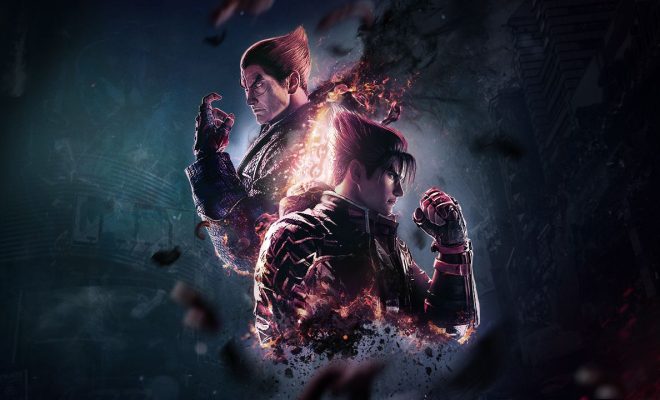
Tekken 3, released in 1997 for arcades and 1998 for PlayStation, had a profound impact on the fighting game genre that resonates to this day. Its innovations in gameplay, graphics, and content set new standards and influenced the development of fighting games for years to come.
One of the most significant impacts of Tekken 3 was its refinement of 3D fighting game mechanics. While 3D fighters existed before Tekken 3, this game perfected the formula in many ways. The introduction of the sidestep mechanic, allowing characters to move into and out of the background, added a new dimension to fighting game strategy. This feature became a staple in 3D fighters, influencing games like Soulcalibur and Virtua Fighter.
Tekken 3’s emphasis on juggle combos also had a lasting impact on the genre. While juggling (hitting an opponent multiple times while they’re in the air) existed in earlier games, Tekken 3 made it a central part of high-level play. This focus on extended combos and air juggles became a defining feature of the Tekken series and influenced combo systems in many other fighting games.
The game’s approach to character design and storytelling also left a mark on the genre. Tekken 3 introduced a new generation of fighters, each with unique backstories and motivations. This approach of evolving the cast over time, rather than simply adding new characters, became a model for how fighting game series could maintain long-term narrative interest.
Tekken 3’s success also helped to solidify the importance of home console releases for fighting games. While arcade versions were still significant, Tekken 3’s PlayStation release showed that console versions could be just as popular and profitable. This shift in focus towards home releases would continue in the fighting game industry, eventually leading to simultaneous arcade and console releases or even console-first development.
The game’s additional modes, particularly Tekken Force and Tekken Ball, showed how fighting games could expand beyond traditional one-on-one matches. These extra modes added value to the home release and inspired other fighting games to include similar bonus content. The idea of a fighting game as a complete package with various modes of play, rather than just an arcade port, became more prevalent after Tekken 3.
Tekken 3’s training mode was also more comprehensive than many of its contemporaries, allowing players to practice moves and combos with detailed frame data. This focus on providing tools for players to improve their skills became increasingly common in fighting games, leading to the deep training modes we see in modern titles.
The game’s balance between accessibility and depth had a significant influence on the genre. Tekken 3 was easy to pick up and play, with simple commands for basic moves, but it also offered deep, complex gameplay for those who wanted to master it. This philosophy of “easy to learn, difficult to master” became a goal for many subsequent fighting games.
Tekken 3’s commercial success also had industry-wide implications. It showed that fighting games could be major system-sellers for consoles, encouraging both hardware manufacturers and software developers to invest more in the genre. The game’s popularity helped to maintain interest in fighting games during a period when the genre was starting to wane in the West.
The game’s graphical achievements, particularly its smooth animations and detailed character models, set new standards for visual quality in fighting games. This raised player expectations and pushed other developers to improve their games’ graphics.
Tekken 3’s competitive scene also contributed to the growth of fighting game tournaments. The game’s balanced gameplay and depth made it a popular choice for competitions, helping to lay the groundwork for the modern fighting game esports scene.
In conclusion, Tekken 3’s impact on the fighting game genre was multifaceted and long-lasting. From its gameplay innovations and character design to its approach to home console releases and additional content, Tekken 3 influenced nearly every aspect of fighting game development. Its success helped to ensure the continued popularity of the genre and set standards that fighting games still strive to meet today. The DNA of Tekken 3 can be seen in countless fighting games that followed, cementing its place as one of the most influential titles in the genre’s history.


