US Retail Sales Surge in March 2026: Economic Insights and Market Reactions
Overview of US Economic Indicators
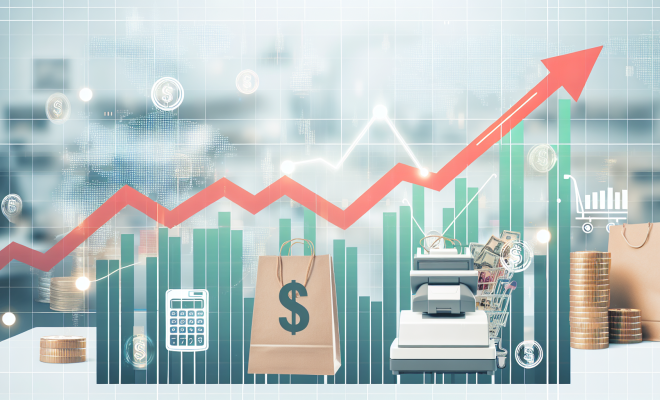
As the economy continues to recover from the challenges posed by the pandemic and subsequent geopolitical tensions, recent data from the United States has revealed significant growth in retail sales. In March 2026, retail sales outpaced expectations, rising by 1.7%, compared to the anticipated 1.4%. This surge marks the fastest growth rate since March 2025, indicating a robust consumer spending environment driven by various factors.
Retail Sales Breakdown
The substantial increase in retail sales can be attributed primarily to a remarkable rise in gasoline station receipts, which soared by 15.5% as higher fuel prices influenced consumer behavior. This sector alone played a critical role in bolstering overall retail sales figures. However, it’s important to note that core retail sales, which exclude automobiles, gasoline, and building materials, also saw a healthy increase of 0.7%, significantly exceeding the 0.2% forecast.
Factors Driving Retail Sales Growth
- Rising Fuel Prices: The increase in gasoline prices has not only impacted consumer budgets but also stimulated spending in related sectors.
- Increased Disposable Income: As wages rise and employment grows, consumers have more disposable income to spend on goods and services.
- Consumer Confidence: An uptick in consumer confidence can lead to increased spending, as people feel more secure in their financial situations.
Employment Trends: Private Sector Job Growth
In addition to the encouraging retail sales figures, employment data from the private sector indicates a strong labor market. In the four weeks leading up to April 4, 2026, private employers added an average of 54,750 jobs per week, a noticeable increase from the 40,250 jobs added in the previous period. This marks the highest pace of job creation since September 2025, suggesting that businesses are increasingly confident in their growth prospects.
Implications of Job Growth
- Strengthened Economic Outlook: The rise in job creation is a positive sign for the economy, potentially leading to increased consumer spending and further retail growth.
- Lower Unemployment Rates: As more jobs are created, unemployment rates are likely to decline, contributing to overall economic stability.
- Increased Wage Growth: A tighter labor market often leads to wage increases, further boosting consumer purchasing power.
Market Reactions to Economic Data
Despite the positive economic indicators, the financial markets exhibited mixed reactions. In the wake of the retail sales and job growth reports, US and European equities experienced a slight decline. This downturn can be attributed to ongoing geopolitical tensions and market volatility, which have been influencing investor sentiment.
US Treasury Yields and Crude Oil Prices
In conjunction with the equity market fluctuations, US Treasury yields experienced a notable jump, primarily driven by rising crude oil prices. As oil prices climbed, concerns about inflation and interest rate adjustments became more pronounced, leading to increased yields on government bonds. Investors often react to these economic signals by adjusting their portfolios, which can lead to significant changes in market dynamics.
Digital Assets Performance Amid Market Volatility
Interestingly, while traditional markets faced challenges, digital assets such as Bitcoin (BTC) and Ethereum (ETH) showed signs of resilience. These cryptocurrencies firmed amidst mixed performance in Asian markets, suggesting a growing interest in digital assets as alternative investment opportunities.
Factors Influencing Digital Asset Stability
- Institutional Adoption: Increasing acceptance of cryptocurrencies by institutional investors has contributed to market stability.
- Decentralized Finance (DeFi): The rise of DeFi platforms has provided additional use cases for cryptocurrencies, enhancing their value proposition.
- Global Economic Uncertainty: As traditional markets face volatility, investors may turn to digital assets as a hedge against economic instability.
Geopolitical Factors Impacting Markets
The interplay of economic indicators and geopolitical events continues to shape market reactions. As tensions rise globally, investors are closely monitoring developments that could impact trade, energy prices, and overall economic stability. Notably, the upcoming nomination hearings for Kevin Warsh, a prominent figure in economic policy discussions, have drawn attention from market participants.
Potential Outcomes of Geopolitical Events
- Policy Shifts: Changes in leadership and economic policy direction can have profound effects on markets.
- Investor Sentiment: Geopolitical tensions may lead to increased volatility as investors react to news and developments.
- Global Supply Chains: Disruptions in global supply chains can impact economic growth, influencing everything from retail sales to job creation.
Looking Ahead: Economic Projections
As the economy navigates through these complex dynamics, analysts remain cautiously optimistic about future growth prospects. The combination of rising retail sales, job creation, and consumer confidence could set the stage for a sustained economic recovery.
Key Considerations for Future Growth
- Inflation Trends: Monitoring inflation will be crucial as rising prices could influence consumer spending and monetary policy.
- Employment Rates: Continued job growth is essential for maintaining consumer confidence and economic momentum.
- Global Economic Conditions: Keeping an eye on international markets and geopolitical developments will be vital for understanding potential risks to the US economy.
Conclusion
The latest data from the US economy paints a picture of resilience and recovery. With retail sales experiencing significant growth and employment figures on the rise, the outlook appears promising. However, market participants must remain vigilant as geopolitical tensions and economic uncertainties persist. The interplay of these factors will undoubtedly shape the economic landscape in the months to come, making it essential for investors and policymakers alike to stay informed and adaptable.