Democrats at a Crossroads: Rebuilding & Rebranding After Defeat

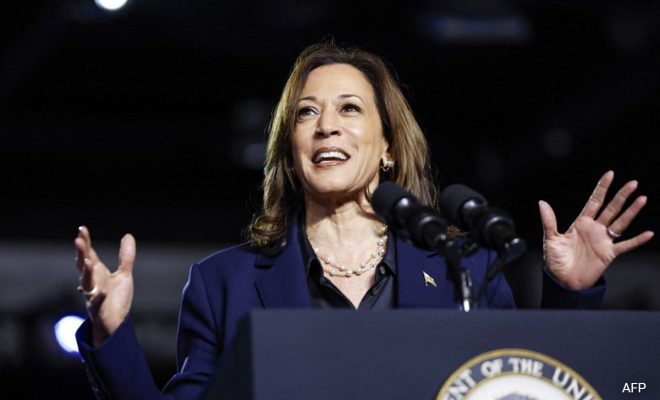
In the wake of Kamala Harris’s defeat, the Democratic Party finds itself at a crossroads, grappling with questions about its future direction and leadership. The loss has sparked intense debate within the party about its messaging, policy priorities, and ability to connect with voters across diverse demographics.
One key area of focus is the party’s approach to economic issues. Some Democrats argue for a return to more centrist economic policies, while others push for a more progressive agenda focused on addressing income inequality and expanding social programs.
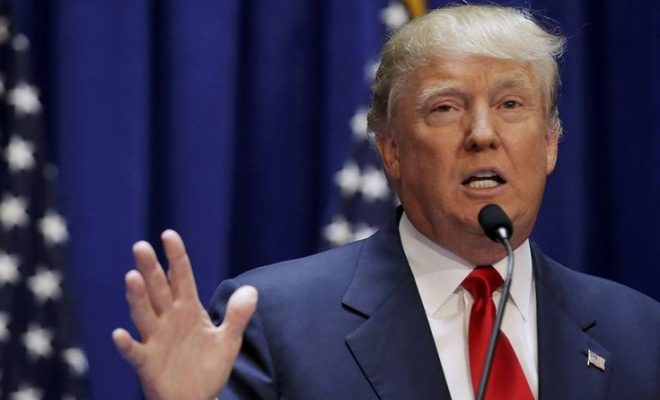
The party is also reassessing its strategy for appealing to working-class voters, particularly in rural areas and the Rust Belt, where Trump made significant inroads. This may involve a renewed emphasis on trade policies and job creation in manufacturing and other traditional industries.
Another major point of contention is the party’s stance on social issues. While some advocate for maintaining a strong progressive position on matters like LGBTQ+ rights and racial justice, others argue for a more moderate approach to avoid alienating centrist voters.
Leadership is also a key question, with discussions ongoing about who might emerge as the face of the party moving forward. Younger, more diverse voices are calling for a generational change in leadership, while others argue for the experience of established figures.
As the party begins this process of soul-searching and rebuilding, its ability to unite around a cohesive vision and strategy will be crucial for its prospects in future elections.