Social Media’s Impact on the 2024 Election: Key Lessons & Future
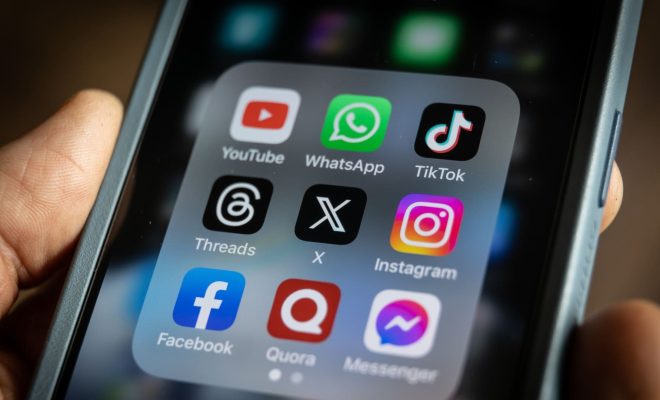
The 2024 election cycle saw social media platforms play an unprecedented role in shaping political discourse and voter behavior. As the dust settles, analysts are examining the impact of these digital spaces on the election outcome and considering their future influence on American democracy.
One key development was the rise of short-form video content on platforms like TikTok and Instagram Reels. These formats proved particularly effective in reaching younger voters, with campaign messages and political commentary often going viral in ways traditional media struggled to match.
Misinformation and disinformation remained significant challenges. Despite efforts by social media companies to fact-check and label misleading content, false narratives spread rapidly, influencing public opinion on key issues. This has led to renewed calls for stricter regulation of social media platforms.
The use of artificial intelligence in creating and spreading political content emerged as a new frontier. Deepfake videos and AI-generated text became more sophisticated, blurring the lines between authentic and manipulated media.
Micro-targeting of political ads on social media platforms reached new levels of precision, raising concerns about privacy and the potential for manipulation of specific voter groups.
Looking ahead, policymakers and tech companies face the challenge of balancing free speech with the need to maintain the integrity of political discourse online. The lessons learned from the 2024 election are likely to shape social media policies and political campaign strategies for years to come.