REVEALED: Europe’s Extreme Drought Has a Sinister New Cause
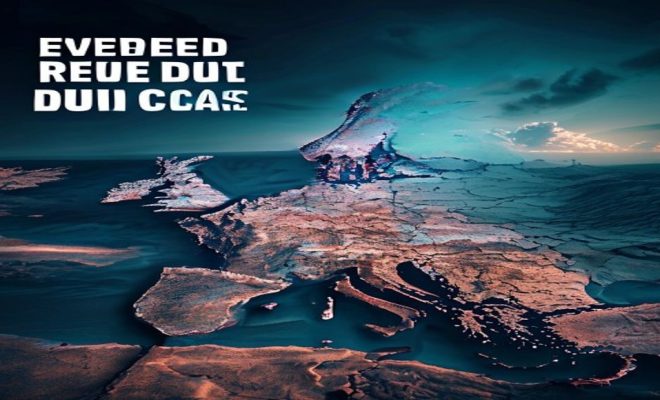
When we talk about drought, our minds usually jump straight to a lack of rain, don’t they? It’s intuitive: no water from the sky means dry land. But what if I told you that in Europe, something far more insidious is at play, redefining what drought even means? A scientific analysis released on July 23, 2026, paints a stark picture: the extreme drought currently gripping the continent isn’t just about low rainfall anymore. It’s about a climate crisis-driven heat that is quite literally ‘sucking soils dry,’ turning what would once have been a moderate dry spell into an outright catastrophe.
This isn’t just semantics; it’s a fundamental shift in how we understand and combat the climate crisis drought Europe is facing. Record-breaking heatwaves, made astronomically more probable by global heating, are intensely evaporating water from every available surface: rivers, lakes, plants, and most critically, the very soil beneath our feet. This intense evaporation, rather than merely absent precipitation, is the primary culprit. It’s a game-changer, forcing us to confront the true, devastating scale of human-induced climate change and its immediate, tangible effects on our environment, economy, and daily lives.
1. The Unseen Hand of Evaporation: Redefining Drought in Europe
For decades, the standard definition of drought centered on precipitation deficits. Less rain, less snow, less water in the system – simple, right? However, the recent scientific analysis has flipped that understanding on its head, particularly for the climate crisis drought Europe is experiencing. Researchers have concluded that the current extreme drought across the continent is predominantly driven by unprecedented heat, not just a lack of rainfall. This isn’t just about hotter days; it’s about a relentless, pervasive warmth that acts like a giant sponge, pulling moisture out of the environment at an alarming rate.
Think about it: even if an area receives a decent amount of rain, if the heat is intense and sustained, that water can evaporate before it has a chance to soak deeply into the ground, replenish aquifers, or fill reservoirs. This phenomenon, often referred to as ‘atmospheric thirst,’ means that our traditional metrics for measuring drought are becoming increasingly inadequate. We’re now dealing with a ‘flash drought’ scenario on a continental scale, where high temperatures accelerate drying, making the impacts far more rapid and severe than a slow-burn precipitation deficit would typically cause.
2. Heatwaves: The New Normal, Amplified: 80 Times More Likely
The numbers are frankly, terrifying. According to the scientific analysis, the record-breaking heatwaves that have exacerbated the current climate crisis drought Europe is enduring have been made an astounding 80 times more likely in western Europe due to global heating. Eighty times! That’s not a subtle nudge; that’s a monumental shift in climatic probability. It means that the kind of scorching, relentless heat that used to be a rare, once-in-a-generation event is now becoming a disturbingly regular occurrence.
And it’s not just a western European problem. Even in eastern Europe, these extreme heat conditions are 40 times more likely. This isn’t some distant, abstract prediction; it’s our reality, right now. These amplified heatwaves don’t just make us uncomfortable; they are the engine driving the intense evaporation that’s stripping water from rivers, lakes, and, crucially, the very soils that support agriculture and ecosystems. The human fingerprint on these extreme weather events is no longer a matter of debate; it’s a quantifiable, devastating fact.
3. From ‘Moderate’ to ‘Extreme’: The Shifting Baseline of Drought
Here’s a truly critical point: the current drought in western Europe, which is now unequivocally classified as ‘extreme,’ would have been considered merely ‘moderate’ before the advent of the climate crisis. Let that sink in for a moment. What we are experiencing today as a severe, crisis-level event would have been a manageable inconvenience just a few decades ago. This isn’t just a reclassification; it’s a fundamental redefinition of drought conditions on the continent, a chilling testament to how drastically our climate has already changed.
This shifting baseline has profound implications. It means that our infrastructure, our agricultural practices, our emergency response protocols – all developed under the assumption of a different climate – are now woefully unprepared for the ‘new normal.’ We’re not just dealing with worse droughts; we’re dealing with a world where the very concept of ‘normal’ has been twisted and contorted by human activity. The ‘moderate’ of yesterday is the ‘extreme’ of today, and we have to ask ourselves: what will tomorrow’s ‘extreme’ look like?
4. Water Restrictions: A Harsh Reality: Turning Off the Taps
One of the most immediate and tangible impacts of the climate crisis drought Europe is grappling with is the widespread implementation of emergency water restrictions. Across affected regions, communities are having to make difficult choices about water usage. This isn’t just about urging people to take shorter showers; we’re talking about bans on watering gardens, washing cars, and even filling swimming pools. In some areas, farmers are facing strict limits on irrigation, threatening livelihoods and food production. (See: Impact of climate change on drought.)
These restrictions are a stark reminder that water, often taken for granted in developed nations, is a finite and increasingly precious resource. They disrupt daily life, create economic hardship, and highlight the vulnerability of our modern societies to environmental shifts. The sight of parched rivers and depleted reservoirs serves as a visceral warning: the taps won’t run forever if we don’t address the root causes of this crisis.
5. Deadly Wildfires: Europe Ablaze: Spain and France on the Frontlines
As if parched landscapes and water shortages weren’t enough, the extreme heat and dry conditions have created a tinderbox across vast swathes of Europe, leading to deadly wildfires. Spain and France, in particular, have been ravaged by infernos that have consumed thousands of hectares of land, forced mass evacuations, and tragically, claimed lives. These aren’t just isolated incidents; they are a direct consequence of the climate crisis drought Europe is battling, intensified by the unprecedented heat.
The sheer scale and intensity of these fires are overwhelming emergency services, destroying homes and livelihoods, and releasing enormous amounts of carbon into the atmosphere, creating a devastating feedback loop that further exacerbates climate change. The images of burning forests and smoke-filled skies are a visceral symbol of the crisis, a potent reminder that the ‘climate crisis’ isn’t some distant threat; it’s unfolding with brutal force right now, on our continent.
6. Agricultural Catastrophe: A Harvest of Heartbreak for Grain
The economic repercussions of the climate crisis drought Europe is experiencing are perhaps nowhere more keenly felt than in agriculture. The anticipated loss of approximately 9 million tonnes of grain across Europe is a truly staggering figure. This isn’t just a statistic; it represents countless hours of labor, significant financial investment, and the very food security of millions.
France, often considered the breadbasket of Europe, is bracing for its worst maize harvest in 50 years. Imagine the impact on farmers who have dedicated their lives to cultivating the land, only to see their crops wither and die under a relentless sun. This agricultural devastation will ripple through supply chains, potentially leading to higher food prices, increased imports, and significant economic strain for both producers and consumers. It underscores the urgent need for climate-resilient farming practices and robust support systems for our agricultural sector.
7. The Vulnerability of Ecosystems: Beyond Human Impact
While we often focus on the human and economic toll of drought, it’s crucial to remember the immense pressure it places on natural ecosystems. Rivers run low, lakes shrink, and wetlands dry up, impacting fish populations, amphibians, and countless other species that depend on these habitats. The intense evaporation ‘sucking soils dry’ isn’t just bad for crops; it devastates wild flora, reducing biodiversity and making entire ecosystems more vulnerable to disease and further climate shocks.
Trees, for instance, are particularly susceptible. Prolonged drought stress weakens them, making them more prone to pest infestations and less capable of sequestering carbon. This creates a dangerous cycle where environmental degradation accelerates climate change, which in turn amplifies environmental degradation. The long-term consequences for Europe’s natural landscapes and the delicate balance of its ecosystems are profound and, in many cases, irreversible.
8. The Human Cost: Health, Migration, and Conflict
Beyond the immediate visible impacts, the climate crisis drought Europe is facing carries a significant human cost, often hidden beneath the surface. Extreme heat, combined with water scarcity, poses serious health risks, particularly for vulnerable populations like the elderly, young children, and those with pre-existing medical conditions. Heatstroke, respiratory problems exacerbated by wildfire smoke, and waterborne diseases from contaminated dwindling supplies become more prevalent.
Moreover, sustained environmental degradation and economic hardship can lead to social unrest and even migration. As agricultural lands become unproductive and water resources scarce, communities may be forced to relocate, creating new pressures on urban areas and potentially fueling social tensions. While Europe has historically been seen as relatively insulated from the most severe impacts of climate-induced migration, the increasing frequency and intensity of extreme weather events like this drought suggest that this may no longer be the case.
9. What Now? Adapting to a New Climate Reality: Beyond Mitigation
The scientific analysis from July 23, 2026, serves as a searing indictment and an urgent call to action. While mitigating climate change by reducing greenhouse gas emissions remains paramount, the reality is that we are already locked into a certain degree of warming and its consequences. Therefore, adaptation strategies must become an equally critical focus. This means investing in drought-resistant crops, developing more efficient irrigation systems, and implementing smart water management policies at local, national, and continental levels. (See: Climate change and health effects.)
It also means rethinking urban planning to create cooler cities, bolstering emergency services to cope with wildfires, and educating the public about water conservation and heat safety. The climate crisis drought Europe is enduring isn’t a one-off event; it’s a terrifying glimpse into our future if we fail to act decisively. We must not only strive to prevent further warming but also build a more resilient society capable of withstanding the extreme weather events that are now, tragically, becoming our ‘new normal.’ The time for mere discussion is over; the time for transformative action is now.
10. The Economic Ripple Effect: More Than Just Agriculture
While agriculture bears a massive brunt, the economic tentacles of the climate crisis drought Europe is experiencing reach far wider. Consider inland navigation, a critical artery for goods transport in many European countries. When river levels drop significantly, barges can’t carry full loads, or sometimes can’t navigate at all. This forces industries to switch to more expensive and often less environmentally friendly road or rail transport, causing delays, increasing costs for consumers, and adding pressure to already strained supply chains. Energy production is another casualty. Many power plants, including nuclear facilities, rely on river water for cooling. Low water levels and warmer water temperatures can force these plants to reduce output or even shut down, risking energy shortages and price spikes, especially during peak demand periods like heatwaves.
Then there’s tourism. Iconic European rivers like the Rhine and Danube become less appealing for cruises, and popular lakeside resorts might see visitor numbers dwindle as water levels recede and recreational activities are curtailed. Even the simple act of maintaining public green spaces, parks, and golf courses becomes prohibitively expensive or impossible, impacting quality of life and local economies dependent on these amenities. The interconnectedness of modern economies means a drought in one sector inevitably creates a domino effect across others, highlighting the systemic vulnerability to climate shocks.
11. The Groundwater Crisis: A Hidden Threat
Surface water sources like rivers and lakes are the most visible indicators of drought, but beneath the surface, a much larger and slower-moving crisis is unfolding: the depletion of groundwater. Aquifers, vast underground reservoirs, supply a significant portion of Europe’s drinking water and irrigation needs. When rainfall decreases and evaporation increases, less water infiltrates the ground to replenish these aquifers. Simultaneously, increased surface water scarcity often leads to a greater reliance on groundwater pumping, accelerating its depletion.
The problem with groundwater is its slow recharge rate. It can take decades, even centuries, for some aquifers to fully recover. Over-extraction can lead to land subsidence, where the ground literally sinks, causing damage to infrastructure. It can also lead to saltwater intrusion in coastal areas, making freshwater aquifers unusable. The current climate crisis drought Europe is battling is putting immense, unsustainable pressure on these hidden reserves, jeopardizing future water security for generations. We’re essentially drawing down our long-term savings, and the implications for sustainable development are severe.
12. Policy Responses and International Cooperation
Addressing a continental-scale problem like the climate crisis drought Europe is facing demands robust policy responses and strong international cooperation. National governments are implementing emergency measures like water rationing and financial aid for affected farmers, but the European Union is also stepping up. The EU’s Copernicus programme, for example, provides crucial satellite data and early warning systems to monitor drought conditions, allowing for more informed decision-making. Initiatives like the EU Adaptation Strategy aim to enhance resilience across member states, promoting water-efficient technologies, nature-based solutions for water retention, and better cross-border water management.
However, the challenge lies in coordinating these efforts across diverse political landscapes and competing national interests. Transboundary river basins, which are common in Europe, require agreements on water sharing and pollution control that can be difficult to negotiate, especially when water is scarce. The current crisis highlights the urgent need for a more integrated, long-term European water strategy that moves beyond emergency reactions and focuses on proactive, climate-resilient planning. This includes investing in research, sharing best practices, and ensuring that climate adaptation funding reaches the most vulnerable regions and communities.
13. The Role of Technology and Innovation
In the face of the climate crisis drought Europe is enduring, technology and innovation are proving to be indispensable tools. Precision agriculture, utilizing sensors, drones, and AI, allows farmers to optimize irrigation, applying water only where and when it’s absolutely necessary, significantly reducing waste. Smart grids for water distribution can detect leaks, manage pressure, and prioritize supply, making urban water systems far more efficient. Desalination plants, once prohibitively expensive and energy-intensive, are becoming more viable in coastal regions, offering an alternative freshwater source, though their environmental impact still requires careful consideration.
Beyond these, advancements in climate modeling are providing more accurate forecasts of extreme weather events, giving communities and governments more time to prepare. Genetic engineering and selective breeding are helping develop drought-resistant crop varieties that can withstand harsher conditions. While technology alone won’t solve the climate crisis, it offers a powerful suite of tools to manage its impacts, making societies more resilient and efficient in their resource use. The key is to deploy these innovations widely and equitably, ensuring they benefit all who are affected by increasing water scarcity. (See: Europe's heat wave and drought crisis.)
Frequently Asked Questions (FAQ) about the Climate Crisis Drought in Europe
Q1: What exactly is a ‘flash drought’ and why is it relevant to Europe?
A flash drought is a drought that develops very rapidly, often over a few weeks, primarily driven by high temperatures, strong winds, and low humidity, which lead to intense evaporation. Unlike traditional droughts that are mainly caused by a lack of precipitation over an extended period, flash droughts accelerate the drying of soils and vegetation even if initial rainfall was adequate. This is highly relevant to Europe because the recent scientific analysis indicates that climate crisis-driven heatwaves are causing this rapid, intense evaporation, turning what would have been moderate dry spells into extreme drought conditions much faster than before. It means impacts are felt more quickly and severely.
Q2: How does global heating make heatwaves 80 times more likely in Western Europe?
Global heating refers to the long-term warming of Earth’s climate system observed since the pre-industrial period (between 1850 and 1900) due to human activities, primarily fossil fuel burning. This warming increases the baseline temperature of the planet. So, when natural weather patterns create conditions favorable for a heatwave, that heatwave starts from an already higher baseline temperature. This shifts the entire distribution of temperatures, making extreme heat events, like the record-breaking heatwaves seen in Europe, far more probable and intense than they would have been in a cooler climate. Climate attribution studies use complex models to compare the probability of such events in the current climate versus a hypothetical climate without human-induced warming, yielding figures like “80 times more likely.”
Q3: What are the long-term consequences of groundwater depletion in Europe?
The long-term consequences of groundwater depletion are severe and far-reaching. Firstly, it threatens future water security, as aquifers are slow to recharge and represent a critical strategic reserve. Secondly, it can lead to land subsidence, where the ground surface sinks due to the loss of water supporting the soil structure, causing damage to buildings, roads, and other infrastructure. Thirdly, in coastal areas, over-pumping can cause saltwater intrusion, contaminating freshwater aquifers and making them unusable for drinking or irrigation. Finally, it impacts ecosystems dependent on groundwater, such as wetlands and springs, leading to loss of biodiversity and habitat degradation.
Q4: What specific measures can European farmers take to adapt to increased drought?
European farmers can adopt several adaptive measures. These include investing in precision irrigation systems (drip irrigation, smart sensors) that deliver water directly to plant roots, minimizing waste. They can switch to drought-resistant crop varieties or cultivars better suited to drier conditions. Practicing conservation tillage or no-till farming helps retain soil moisture, as does incorporating organic matter into the soil. Implementing rainwater harvesting and developing on-farm water storage solutions, like ponds or reservoirs, can also provide critical water reserves. Diversifying crops and adopting agroforestry practices (integrating trees into farming systems) can also enhance resilience and create more stable microclimates.
Q5: How does the climate crisis drought in Europe affect energy production?
The climate crisis drought in Europe significantly impacts energy production in several ways. Thermal power plants, including nuclear, coal, and gas plants, rely heavily on large volumes of river or lake water for cooling. When water levels drop due to drought, or when water temperatures become too high (reducing cooling efficiency and violating environmental regulations for discharge temperature), these plants may be forced to reduce their output or shut down completely. This can lead to electricity shortages and increased energy prices, especially during heatwaves when demand for air conditioning is high. Hydropower generation is also directly affected by low river flows, reducing the amount of electricity that can be produced from dams. This dual impact on major energy sources creates a significant challenge for energy security.
Q6: What role do nature-based solutions play in drought adaptation?
Nature-based solutions (NBS) are approaches that protect, sustainably manage, and restore natural or modified ecosystems to address societal challenges effectively and adaptively, while simultaneously providing human well-being and biodiversity benefits. For drought adaptation, NBS include restoring wetlands and floodplains, which act as natural sponges, absorbing water during wet periods and slowly releasing it during dry spells, thus recharging groundwater and maintaining river flows. Afforestation and reforestation help improve soil health, increase water infiltration, and reduce evaporation. Creating green infrastructure in urban areas (like green roofs and permeable pavements) helps manage stormwater, reducing runoff and promoting groundwater recharge. These solutions offer cost-effective, multi-beneficial ways to enhance water security and ecosystem resilience.
Trending Now
Frequently Asked Questions
What causes drought in Europe?
Drought in Europe is primarily caused by a combination of low rainfall and extreme heat driven by climate change. Recent analyses reveal that intense heatwaves are evaporating water from soils and other sources at alarming rates, redefining traditional understandings of drought.
How does climate change affect drought?
Climate change exacerbates drought conditions by increasing temperatures, leading to higher rates of evaporation. This results in drier soils and reduced water availability, even in areas that receive some rainfall, making droughts more severe and prolonged.
What is the role of evaporation in drought?
Evaporation plays a critical role in drought conditions by removing moisture from the environment. In Europe, unprecedented heat is causing rapid evaporation from soils, rivers, and lakes, which significantly contributes to the extreme drought currently being experienced.
Is drought only about lack of rainfall?
No, drought is not solely about lack of rainfall. Recent findings indicate that extreme heat and evaporation are equally, if not more, important factors in drought conditions, especially in Europe, where high temperatures are exacerbating water shortages.
How can we combat drought in Europe?
Combating drought in Europe requires a multifaceted approach, including addressing climate change, improving water management practices, and implementing conservation strategies. Understanding the role of heat and evaporation in drought is crucial for developing effective mitigation measures.
What's your take on this? Share your thoughts in the comments below — we read every one.