Mid-Size Vehicle Depreciation: Prices Plummeting in 2025
“`html
In recent months, mid-size vehicle depreciation has generated significant buzz across the automotive industry. As inflation continues to squeeze buyers, mid-size cars and crossovers/SUVs have taken a hit, experiencing an alarming trend of declining values. This article will explore the current state of mid-size vehicle depreciation, analyze the contributing factors, and discuss what this means for consumers looking to buy or sell their vehicles.
The Current State of Mid-Size Vehicle Depreciation
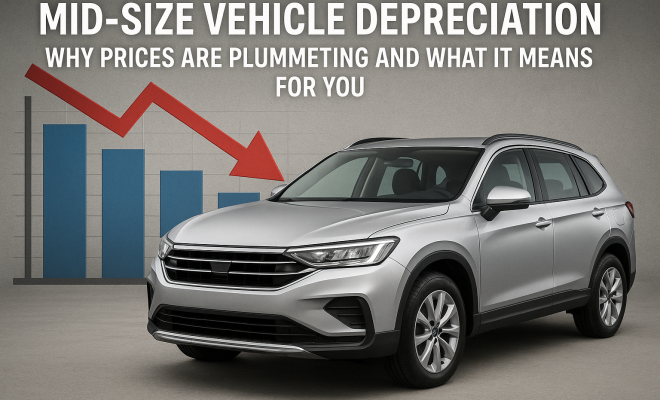
According to recent data, mid-size crossovers have seen an 11-week consecutive decline in value, with a substantial drop of 0.63% in just one week—the largest single-week loss since December 2025. This downturn is notable, especially when considering the typical stability associated with mid-size vehicles. It highlights a shifting paradigm in the automotive market, where even traditionally reliable vehicle categories are facing unexpected depreciation.
Why Are Mid-Size Vehicles Depreciating So Quickly?
Several factors contribute to the rapid depreciation of mid-size vehicles. One of the most significant reasons is the current economic climate marked by high inflation. With rising costs affecting consumers’ purchasing power, many are opting for more affordable options, leading to a decrease in demand for mid-size vehicles. This situation has led auction buyers to become increasingly selective, as conversion rates at auctions have fallen.
Additionally, wholesale inventory levels for mid-size vehicles are approximately 12% higher than last year. This increase is largely due to the massive influx of off-lease returns. As more vehicles return to the market, the supply has outpaced demand, further driving down prices. The sheer volume of vehicles available at auction means buyers can afford to be choosy, exacerbating the depreciation problem.
The Emotional Toll on Car Owners
The rapid decline in mid-size vehicle values isn’t just a statistic; it’s affecting real people. Many car owners are sharing their personal stories on social media, detailing how they’ve lost thousands in vehicle value. The emotional impact of seeing a significant investment lose worth so quickly is profound, leading to feelings of frustration and helplessness among owners.
Consumers often view their vehicles as significant financial investments. When their values drop unexpectedly, it can lead to a sense of urgency to sell before prices fall further. This ‘fear of missing out’ (FOMO) can drive hasty decisions, further complicating the market dynamics.
The Shift in Consumer Behavior
As mid-size vehicle depreciation continues to trend downward, consumer behavior is also shifting. Buyers are becoming more cautious, weighing their options more carefully before making a purchase. Many are opting for smaller vehicles, which, contrary to expectations, have not faced the same level of depreciation as their mid-size counterparts.
This shift is particularly interesting given that mid-size vehicles have traditionally been a popular choice for families and individuals seeking a balance between space and fuel efficiency. With the current market conditions, however, buyers are turning to smaller alternatives, often due to lower price points and improved mileage, leading to less dramatic depreciation.
Understanding Market Trends: A Broader Look
To fully appreciate the implications of mid-size vehicle depreciation, it’s essential to consider broader market trends. The automotive industry is grappling with a variety of challenges, including supply chain disruptions, rising costs of materials, and shifting consumer preferences. These factors collectively influence vehicle pricing and availability. (See: CDC on vehicle depreciation trends.)
For instance, the pandemic led to unprecedented supply chain issues that have not entirely resolved. This has created a bottleneck in the production of new vehicles, pushing more consumers towards the used car market. However, with an increase in off-lease vehicles entering the market, the equilibrium between supply and demand has been disrupted, leading to plummeting values.
The Role of Inflation in Vehicle Pricing
Inflation is a primary driver of the current depreciation rates for mid-size vehicles. As prices go up across the board, consumers’ disposable income shrinks. With fewer consumers able or willing to spend significant amounts on a vehicle, demand drops. This decline creates a ripple effect, leading to decreased vehicle values across many categories, especially in the mid-size segment.
Additionally, inflation influences financing options. Higher interest rates mean increased costs for loans, making it less attractive for buyers to finance a new or used mid-size vehicle. This financial strain further contributes to the depreciation seen in the market.
Investing in the Future: Is It Time to Buy or Sell?
If you’re a car owner, you might be wondering whether now is the right time to sell your mid-size vehicle. Given the ongoing depreciation, waiting could lead to further declines in value. However, the decision isn’t straightforward. What may be perceived as a loss could actually present an opportunity for buyers looking to capitalize on lower prices.
For those looking to sell, understanding the current market dynamics is crucial. It may be beneficial to act sooner rather than later, especially if you’re concerned about losing more value. On the flip side, buyers can leverage the depreciation to negotiate better prices on used mid-size vehicles. Positioning yourself as a savvy consumer in this climate could yield significant savings.
The Impact of Online Platforms and Social Media
Social media platforms have played a significant role in highlighting the issue of mid-size vehicle depreciation. As users share their experiences and losses online, it creates a sense of community among those affected. This surge in engagement is reshaping the narrative around buying and selling vehicles, making it a hot topic for discussions.
The accessibility of information online allows consumers to educate themselves better about market conditions. They can see real-time changes in vehicle values and the factors influencing them, leading to better-informed buying and selling decisions. This digital landscape has shifted the way people interact with the automotive market—making it more transparent and responsive.
Future Predictions for Mid-Size Vehicle Values
As we look ahead, the question remains: what does the future hold for mid-size vehicle depreciation? Experts suggest that while current trends indicate a decline, various factors could stabilize or even reverse this trend in the coming months. For instance, if inflation rates stabilize and consumer spending begins to increase, demand for mid-size vehicles could rebound.
Furthermore, changes in production levels and new model releases can also affect vehicle values. Automakers are continuously working to streamline production processes and address supply chain issues, which may eventually lead to a healthier market for mid-size vehicles. Keeping an eye on these developments will be crucial for consumers and investors alike.
Comparing Depreciation Rates
When discussing mid-size vehicle depreciation, it’s helpful to compare these vehicles with other categories to understand how they are faring in the market. For example, compact cars generally depreciate at a slower rate than mid-size vehicles. Data from the automotive analytics firm Edmunds indicates that compact vehicles depreciate at about 15% in the first year, while mid-size vehicles can lose as much as 20% in the same timeframe. This stark contrast highlights the necessity for buyers to consider potential long-term value when choosing a vehicle.
Luxury vehicles, while initially decadent in their features, often suffer from even steeper depreciation. These vehicles can lose up to 30% of their value in the first year alone. However, their performance in the resale market can be buoyed by brand loyalty and desirability, which mid-size vehicles may lack at this moment due to current market conditions. (See: BBC report on automotive market trends.)
Expert Perspectives on Mid-Size Vehicle Depreciation
Industry experts offer valuable insights into the depreciation trends affecting mid-size vehicles. According to automotive economist Dr. John D. Weller, “The current economic landscape means we’re seeing shifts in consumer preferences towards smaller, more fuel-efficient vehicles. The mid-size segment is feeling the pinch as buyers become more price-sensitive.”
In addition to consumer behavior, automaker strategies also come into play. “Manufacturers are producing vehicles with better features and technology, which can make older mid-size models feel less appealing,” explains automotive consultant Lisa Tran. “This rapid evolution in technology affects how consumers view the value of their vehicles.”
What Does This Mean for Future Automotive Trends?
Understanding the depreciation of mid-size vehicles can also shed light on future automotive trends. As the industry continues to evolve, we can expect to see more emphasis on electric and hybrid models. These vehicles are already demonstrating slower depreciation rates compared to their gas-powered counterparts, making them an attractive option for consumers looking to invest wisely.
Additionally, with ongoing concerns about the environment and fuel costs, manufacturers are likely to focus on developing vehicles that offer better efficiency and lower total costs of ownership. This transition could lead to broader shifts in consumer preferences that will ultimately redefine how mid-size vehicles are perceived in terms of value.
FAQ: Mid-Size Vehicle Depreciation
What is the average depreciation rate for mid-size vehicles?
On average, mid-size vehicles depreciate around 20% in the first year and approximately 15% each subsequent year. However, these rates can fluctuate based on market conditions and vehicle popularity.
How does mileage affect vehicle depreciation?
Mileage plays a significant role in vehicle depreciation. Generally, the more miles a vehicle has, the less it is worth. For mid-size vehicles, exceeding the average annual mileage of 12,000 to 15,000 miles can lead to a more substantial drop in value.
Are there specific mid-size vehicles that hold their value better?
While depreciation affects all mid-size vehicles, some models, such as the Honda Accord and Toyota Camry, are known for holding their value better due to brand reputation and consumer demand. It’s wise to research vehicle history and resale values before making a purchase.
Should I lease or buy a mid-size vehicle given current depreciation rates?
Leasing could be a smart option if you’re concerned about depreciation. Since leases typically last for a shorter period, you may avoid the steepest depreciation losses. However, if you prefer to own a vehicle long-term, buying may still be a better option, especially if you choose models known for retaining value.
How can I minimize the effects of depreciation on my mid-size vehicle?
Regular maintenance, keeping mileage low, and maintaining good condition can help minimize depreciation. Additionally, being informed about market trends can help you make better selling or trading decisions. (See: New York Times on inflation and auto prices.)
Examining Regional Variations in Depreciation
It’s also important to consider that mid-size vehicle depreciation can vary significantly based on geographic location. In urban areas where public transportation is more accessible, vehicles may depreciate faster due to lower demand for personal cars. Conversely, in rural regions where car ownership is essential, mid-size vehicles might maintain their value better. For instance, areas with a high cost of living might see steeper depreciation due to residents seeking budget-friendly options, while regions with a more affluent population might experience slower depreciation rates as demand remains steady.
Maintaining Your Vehicle’s Value
To combat depreciation, owners can take proactive steps to maintain their vehicle’s value. Regularly servicing your car and keeping detailed maintenance records can enhance resale value. Additionally, modifications or upgrades—like adding a premium sound system or enhancing safety features—can sometimes counteract depreciation. However, it’s essential to ensure that these enhancements align with market preferences to avoid over-investing in features that won’t yield a return.
Understanding Market Sentiment
Market sentiment can have a profound impact on vehicle depreciation rates. During uncertain economic times, consumer confidence tends to waver, which can lead to reduced spending on non-essential items like vehicles. Keeping a pulse on automotive market sentiment, which is often influenced by factors such as fuel prices, economic forecasts, and even social media trends, can be crucial for consumers considering buying or selling mid-size vehicles.
How Depreciation Affects Insurance Premiums
Another angle to consider is how the depreciation of mid-size vehicles can influence insurance premiums. As a vehicle depreciates, its actual cash value decreases, which can subsequently lower the insurance premium. However, this can vary depending on a range of factors, including the type of coverage chosen and the insurer’s policies. It’s crucial for car owners to stay informed about the relationship between vehicle value and insurance costs, especially when shopping for the best rates. (fuel efficient SUVs)
Insights from Recent Trends and Data
Recent trends show a correlation between the rise of electric vehicles (EVs) and the depreciation of mid-size gasoline vehicles. According to a study done by Kelley Blue Book, EVs are holding their value better than traditional internal combustion engine vehicles due to increasing consumer interest and government incentives. As more buyers shift towards eco-friendly options, the depreciation of traditional mid-size vehicles may accelerate, making it vital for potential buyers and sellers to stay updated on these trends.
Closing Thoughts on Mid-Size Vehicle Depreciation
The ongoing mid-size vehicle depreciation presents both challenges and opportunities for consumers. Understanding the factors at play is crucial for making informed decisions about buying or selling vehicles in this shifting climate. As inflation continues to impact the automotive market, staying aware of trends and consumer behavior will be key to navigating the evolving landscape successfully. Whether you’re looking to purchase a new vehicle or offload an existing one, knowledge is power in this tumultuous market.
“`
Trending Now
Frequently Asked Questions
Why are mid-size vehicle prices dropping?
Mid-size vehicle prices are dropping primarily due to high inflation affecting consumer purchasing power, leading buyers to opt for more affordable options. Additionally, an increase in wholesale inventory from off-lease returns has created a surplus, outpacing demand and driving prices down.
What factors are contributing to mid-size vehicle depreciation?
Key factors contributing to mid-size vehicle depreciation include rising inflation, which reduces consumer demand, and a significant increase in wholesale inventory levels. The influx of off-lease vehicles has led to a surplus in the market, causing prices to decline.
How much have mid-size vehicles depreciated recently?
Recently, mid-size crossovers have experienced an alarming depreciation rate, with an 11-week consecutive decline and a notable drop of 0.63% in just one week, marking the largest single-week loss since December 2025.
What does mid-size vehicle depreciation mean for buyers?
For buyers, mid-size vehicle depreciation means potential opportunities to purchase vehicles at lower prices. However, it also reflects a challenging market where the resale value of these vehicles may continue to decline, impacting long-term ownership costs.
Is now a good time to sell a mid-size vehicle?
Given the rapid depreciation of mid-size vehicles, now may not be an ideal time to sell. With falling values and increased supply, sellers might receive lower offers than expected, making it crucial to assess market conditions before selling.
What did we miss? Let us know in the comments and join the conversation.