Mexico Bans Dolphin Entertainment: A Win for Conservation
“`html
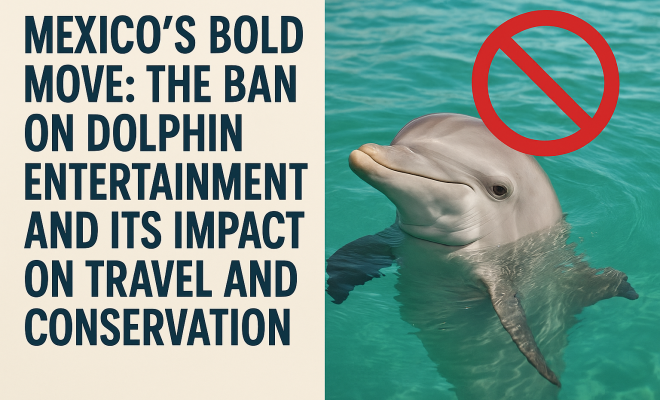
In an unprecedented move toward marine conservation, Mexico has made headlines by banning dolphin breeding and entertainment. This significant decision affects over 350 captive dolphins, paving the way for their relocation to ocean sanctuaries or rehabilitation centers for eventual release. The ban has ignited a wave of discussions across social media platforms, particularly Instagram, where accounts like @thegreatplanet have illuminated the issue and garnered immense attention. The story is not just a win for animal rights; it aligns with a broader movement toward sustainability and responsible tourism, making it a vital subject for travel enthusiasts and activists alike.
The Shift in Dolphin Conservation
Dolphin captivity has long been a contentious issue. Many argue that keeping these intelligent creatures in confined spaces for entertainment purposes is abusive and detrimental to their well-being. The recent ban in Mexico reflects a growing awareness of the ethical implications of animal entertainment and underscores a transformative shift in public sentiment. By relocating dolphins to their natural habitats, this initiative not only prioritizes their welfare but also signals a broader commitment to marine conservation.
This move is especially noteworthy given the backdrop of the global conversation surrounding animal rights. In recent years, documentaries and social media campaigns have revealed the harsh realities of dolphin captivity. The emotional response from the public has been palpable, fueling a demand for change. Mexico’s ban is a powerful testament to what can be achieved when governments prioritize ethical considerations over economic interests.
Understanding the Implications of the Ban
The implications of this ban extend well beyond the immediate release of dolphins. It reflects a paradigm shift in how we view wildlife and the tourism industry. According to environmentalists, this decision will ripple through the tourism sector, prompting a reassessment of practices that exploit animals for profit. As more countries consider similar legislation, the tourism landscape is poised for a significant overhaul.
For travelers, this means a shift toward more ethical tourism practices, where animal welfare takes precedence. The idea of engaging with wildlife can now be redefined, emphasizing respect and conservation over captivity and exploitation. This new perspective opens doors for travel photography that celebrates animals in their natural environments, rather than in staged performances.
Social Media’s Role in Sparking Change
Platforms like Instagram have played a crucial role in raising awareness about dolphin captivity and conservation efforts. With posts that highlight the plight of sea creatures, activists have successfully captured the public’s attention. The emotional weight of images showcasing dolphins in distress has sparked outrage and support, leading to calls for change.
As the news of Mexico’s ban spreads across these platforms, it is essential to recognize the power of social media in shaping public opinion. The shareability of such news creates a sense of urgency and involvement, encouraging users to engage with conservation topics. The viral nature of posts from accounts like @thegreatplanet demonstrates how a single image or story can mobilize thousands and influence policy.
Correlating Conservation with Carbon Neutrality
Interestingly, the ban on dolphin entertainment doesn’t exist in a vacuum. It aligns with global efforts aimed at achieving carbon neutrality and combating climate change. The tourism industry has long been criticized for its environmental impact, and the move to relocate dolphins can be seen as part of a larger narrative promoting sustainability. Travel enthusiasts are increasingly seeking experiences that align with conservation ideals, which could lead to a shift in travel photography as well.
As travelers become more eco-conscious, there’s an opportunity for photographers to capture the beauty of natural environments and the wildlife within them, showcasing the importance of preserving these habitats. The call for responsible travel and conservation can transform how we document our journeys and the stories we choose to tell.
What This Means for the Tourism Industry
The repercussions of Mexico’s decision will inevitably influence the tourism industry, particularly in areas that have historically capitalized on marine life shows and attractions. Tourists are becoming more selective about their travel choices, favoring destinations that prioritize animal welfare. This shift gives rise to unique opportunities for travel photographers focusing on ethical wildlife experiences.
With an increasing demand for authentic experiences, the ban serves as a catalyst for developing tourism that respects local ecosystems and encourages responsible engagement with marine life. Travel photography can play a pivotal role in this transition by capturing the essence of wildlife in natural settings, highlighting the beauty of animals not as entertainment but as integral parts of our planet’s ecosystem. (See: Dolphins and whales fact sheet.)
Creating Ethical Travel Experiences
As more destinations adopt policies like Mexico’s ban, the tourism industry must adapt to create ethical travel experiences. Tour operators and travel agencies can explore partnerships with sanctuaries and rehabilitation centers, offering travelers authentic experiences that support conservation initiatives. This approach not only benefits marine life but also enriches the travel experience for visitors.
Engaging with animals in their natural habitats allows photographers to capture genuine moments of wildlife, fostering a deeper connection between travelers and nature. As you plan your next travel photography adventure, consider how your interactions with wildlife can align with conservation efforts.
The Emerging Role of Travel Photography in Conservation
With the rise of ethical tourism, travel photography can serve as a powerful tool for advocacy and awareness. By documenting the beauty and complexity of marine ecosystems, photographers can tell compelling stories that inspire action. Images that capture dolphins swimming freely in their natural habitats can raise awareness of the issues surrounding captivity and conservation.
Moreover, travel photography has the potential to highlight the success stories of rehabilitation efforts and sanctuaries. Sharing these narratives on social media platforms can galvanize support for marine conservation and encourage others to participate in responsible tourism practices. This form of storytelling not only informs but also empowers viewers to make informed choices in their travel plans.
Building a Community of Conscious Travelers
The conversation surrounding Mexico’s ban on dolphin entertainment is more than just a legal decision; it represents the emergence of a community of conscious travelers. This movement encourages individuals to consider the ethical implications of their travel choices and to support destinations that prioritize animal welfare. Community-building is essential, as it fosters collaboration among travelers, photographers, and conservationists.
By sharing experiences, tips, and advocacy efforts, this community can amplify its impact on conservation efforts. As travelers, supporting ethical practices in tourism creates a ripple effect that encourages even more destinations to adopt similar policies. Travel photography, in this context, is not just about capturing beautiful images; it’s about sharing a vision for a sustainable future.
The Future of Wildlife Tourism
As we look to the future, the implications of Mexico’s ban on dolphin entertainment will likely resonate far beyond its borders. This shift symbolizes a broader movement toward responsible wildlife tourism, challenging the age-old practices of animal entertainment. With the awareness raised through social media and the growing desire for ethical travel experiences, the landscape of the tourism industry is on the brink of transformation.
The future of wildlife tourism hinges on our ability to adapt and embrace practices that prioritize animal welfare and environmental health. Travel photography will remain an integral part of this journey, capturing the beauty of wildlife in their natural habitats and inspiring others to join the movement towards conservation. As a traveler and photographer, you have the power to shape the narrative of our planet’s future through your lens.
Travel Photography Techniques for Capturing Wildlife
If you’re keen on travel photography, especially focused on wildlife, understanding a few techniques can significantly enhance your images. Here are some tips that will help you get started:
1. Patience is Key
Wildlife photography often requires long hours spent in one location. Animals can be unpredictable, and the perfect moment may take time to present itself. Be prepared to wait quietly, allowing wildlife to come to you. Your patience will pay off when you capture that stunning shot.
2. Use the Right Equipment
To capture wildlife, a camera with a good zoom lens and fast shutter speed is essential. Consider investing in a lens that allows you to photograph animals from a distance without disturbing them. Telephoto lenses of 300mm or longer are usually ideal for this kind of photography.
3. Observe Animal Behavior
Understanding the behavior of the animals you want to photograph is crucial. Spend time watching them to learn their patterns and routines. This knowledge will help you anticipate movements and be ready to capture the shot at the right moment. (See: Study on dolphin captivity effects.)
4. Respect Distances
While it’s tempting to get as close as possible to your subject, always prioritize the animal’s comfort. Use your zoom lens to maintain a respectful distance, ensuring that your presence does not interfere with their natural behavior.
5. Consider the Lighting
Natural lighting can greatly enhance your photographs. Early mornings or late afternoons provide soft, golden light that can add depth and warmth to your images. Avoid harsh midday lighting, which can create unflattering shadows and wash out colors.
Travel Photography Ethics
As a travel photographer, it’s vital to adopt ethical practices to ensure that your passion for photography does not come at the expense of wildlife. Here are some ethical considerations to keep in mind:
1. Avoid Staged Photos
Staged photography, where animals are manipulated or trained for the sake of a photo, is unethical. Always aim to document wildlife in their natural state. Authenticity is what makes your photographs impactful.
2. Support Conservation Efforts
By choosing to photograph in places that promote conservation and ethical practices, you can help support these initiatives. Your photography can raise awareness and funds for organizations that work to protect wildlife and their habitats.
3. Share Your Knowledge
Using your platform to educate others about ethical wildlife photography and the importance of conservation can have a lasting impact. Share your experiences and promote responsible tourism practices within your photography community.
Frequently Asked Questions about Travel Photography
What is travel photography?
Travel photography is a genre of photography that captures the essence of a location, its culture, and the experiences related to travel. It encompasses landscapes, wildlife, and people, aiming to document the journey and tell a story through images.
What equipment do I need for travel photography?
The essential equipment for travel photography includes a camera (DSLR or mirrorless), a versatile lens (zoom lenses are useful), a tripod for stability, and extra batteries and memory cards. A lightweight camera bag for easy transport is also important.
How can I find unique photography locations while traveling?
Research is key! Use travel blogs, social media platforms like Instagram, and photography forums to discover hidden gems and popular spots. Don’t hesitate to ask locals for recommendations on lesser-known photography locations.
What are the best times to take photographs during travel?
Golden hours, which occur shortly after sunrise and just before sunset, provide the best natural lighting for photography. During these times, the light is softer and more flattering, adding warmth to your images. (See: Dolphins and public health.)
How can I improve my photography skills?
Practice is crucial for improving your photography skills. Experiment with different settings, shoot in various conditions, and analyze your work critically. Consider taking online courses or joining photography groups to gain feedback and learn from others.
How can I capture wildlife while ensuring their safety?
To capture wildlife safely, always maintain a respectful distance, avoid using flash photography, and observe local guidelines and regulations. Always put the well-being of the animals first; if they seem disturbed by your presence, it’s best to back off.
Should I invest in a drone for travel photography?
Drones can provide unique aerial perspectives that enhance your travel photography. However, ensure you understand the regulations surrounding drone usage in various locations, as some areas have restrictions or require permits.
What are the benefits of joining a travel photography community?
Joining a travel photography community can provide you with valuable feedback, inspiration, and support. You’ll have access to resources, workshops, and networking opportunities that can help you grow as a photographer and traveler.
The Intersection of Travel Photography and Conservation
Travel photography and conservation are not just interconnected; they can enhance each other’s impact. Photographers have the unique ability to showcase endangered species and fragile ecosystems, drawing attention to causes that require urgent action. For instance, dramatic images of coral reefs suffering from bleaching can mobilize viewers to support environmental organizations focused on marine protection.
Moreover, travel photography can create a direct line of communication between conservationists and the general public. Through powerful images and storytelling, photographers can educate audiences about the threats facing wildlife and the importance of preserving biodiversity. This is crucial as many people are unaware of the challenges that various species face daily.
As a travel photographer, you can also contribute to this cause by donating a portion of your earnings to wildlife conservation efforts or using your platform to promote awareness campaigns. Every photograph shared on social media can help to amplify these critical messages and inspire others to act.
Conclusion
The changing landscape of tourism and the response to animal welfare issues like dolphin captivity represent a significant turning point in how we engage with wildlife. As travel photography continues to evolve alongside these changes, it becomes increasingly important to embrace ethical practices and share impactful narratives. By capturing the beauty of wildlife in their natural habitats, photographers not only document their journeys but also play a crucial role in promoting awareness and conservation. The future of travel photography is not just about stunning images, but also about fostering a deeper connection to our planet and its inhabitants.
“`
Trending Now
Frequently Asked Questions
What is Mexico's ban on dolphin entertainment?
Mexico has implemented a ban on dolphin breeding and entertainment, affecting over 350 captive dolphins. This decision aims to prioritize their welfare by relocating them to ocean sanctuaries or rehabilitation centers, marking a significant move towards marine conservation.
How does the ban impact dolphin conservation?
The ban represents a transformative shift in dolphin conservation by addressing the ethical implications of captivity. It allows for the relocation of dolphins to their natural habitats, emphasizing animal welfare and promoting sustainable practices in tourism.
What are the benefits of banning dolphin captivity?
Banning dolphin captivity benefits both the animals and the environment. It ensures the welfare of dolphins by removing them from confined spaces and supports marine conservation efforts, fostering a more responsible and ethical tourism industry.
What sparked the discussion around dolphin entertainment in Mexico?
The discussion around dolphin entertainment was sparked by growing public awareness of animal rights issues, fueled by documentaries and social media campaigns that revealed the harsh realities of dolphin captivity, leading to increased demand for change.
How will this ban affect tourism in Mexico?
The ban is expected to reshape the tourism industry in Mexico by encouraging responsible tourism practices. As awareness of ethical wildlife interactions grows, travelers may increasingly seek experiences that prioritize animal welfare and conservation.
What’s your take on this? Share your thoughts in the comments below — we read every one.