Meta’s New AI Alerts: Protecting Teens from Self-Harm in 2024
“`html
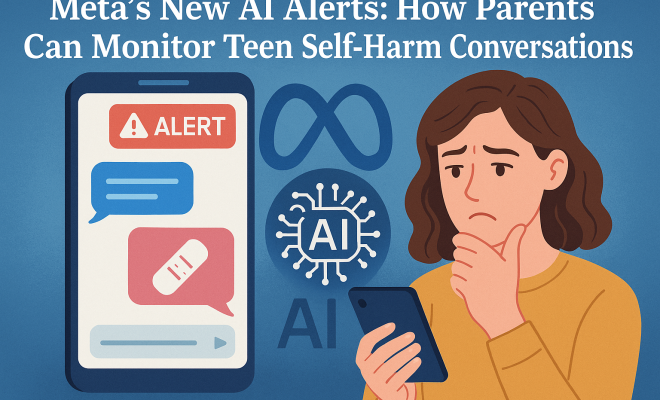
In a world where technology is rapidly reshaping our lives, the conversation around mental health, especially for teenagers, has become increasingly urgent. Teen self-harm alerts are now at the forefront of a significant development spearheaded by Meta, the parent company of Facebook and Instagram. The social media giant is introducing a new safety feature aimed at notifying parents when their supervised teens discuss self-harm or suicide. This initiative is a response to the growing concern over youth mental health and the digital challenges they face. In this article, we’ll explore how this feature works, its implications for parents and teens, and what it reveals about the intersection of technology and mental health.
The Rise of Digital Mental Health Concerns
Over the past few years, there has been a marked increase in awareness surrounding mental health issues among teenagers. The Centers for Disease Control and Prevention (CDC) reported that in 2021, nearly 20% of high school students surveyed experienced thoughts of suicide, with 9% attempting it. These statistics are alarming and underscore the critical need for preventative measures. With the vast majority of teens spending significant time on social media, these platforms have become a battleground for mental health.
As parents, the question often arises: how can you stay aware of your child’s mental well-being in this digital age? This is where Meta’s new initiative steps in, aiming to bridge the gap between online interactions and parental oversight.
The Connection Between Social Media and Mental Health
Social media has transformed how teenagers interact, but it has also been linked to increased anxiety, depression, and feelings of isolation. A study published in the Journal of Adolescent Health indicated that adolescents who spent more than three hours a day on social media were more likely to report mental health issues. The constant comparison to peers, cyberbullying, and the pressure to maintain a curated online persona can contribute significantly to a teenager’s stress levels.
In light of these findings, the introduction of teen self-harm alerts is a timely response to the growing recognition of these challenges. By monitoring conversations around sensitive topics, Meta aims to provide a proactive approach to prevent cases that might otherwise go unnoticed.
How the Teen Self-Harm Alerts Work
Meta’s new safety feature hinges on a sophisticated detection algorithm designed to identify both clear and subtle references to self-harm or suicide in conversations. When a teen discusses these topics, the system flags the conversation, prompting a notification to the parent who has opted into the supervision tools available on Instagram or Facebook.
Importantly, the flagged conversations are not immediately sent to parents. Instead, they undergo a review process by a human moderator. This step is crucial in preventing false alarms, which could otherwise lead to unnecessary panic or mistrust between parents and teens. The integration of human oversight reflects a thoughtful approach to a sensitive issue, acknowledging that context matters in these discussions.
The Need for Parental Engagement
For this feature to be effective, parents must actively opt into supervision tools provided by Meta. This requirement raises critical questions about parental engagement in their children’s online lives. Many parents may be unaware of the supervision options available, and others might struggle with the balance between protecting their children and respecting their privacy. There’s a fuller look at top mental health programs.
Meta’s choice to involve parents is a double-edged sword. On one side, it empowers mothers and fathers to intervene if they suspect their child is in distress. On the other, it risks alienating teens who may feel their autonomy is being compromised. The challenge lies in fostering an open dialogue where teens feel safe discussing their struggles without fear of immediate repercussions. (See: CDC Youth Risk Behavior Survey.)
Balancing Technology and Trust
Critics of AI in parental monitoring often express concerns about trust. The introduction of teen self-harm alerts could provoke anxiety among young users who fear their every word is being scrutinized. It’s essential for parents to communicate clearly about the reasons behind their decision to use such tools. Discussing the intention of keeping them safe can help alleviate some of the apprehension teens might feel.
Moreover, this technology aims to provide a safety net rather than a strict surveillance mechanism. By framing the conversation around safety and support, parents can help cultivate a sense of trust that encourages their teen to reach out during tough times.
Initial Results and Feedback
According to internal documents from Meta, early tests of this feature identified thousands of concerning conversations each week. This statistic underscores the need for such a tool, as it suggests that many teens may be grappling with serious mental health challenges, often in silence. The volume of flagged conversations indicates a critical need for intervention but also highlights the complexity of mental health discussions among adolescents.
Feedback from parents during initial trials has shown a mix of relief and concern. While many appreciate the proactive approach to safeguarding their children, some worry about the implications of AI-based monitoring, questioning its reliability and effectiveness. Striking the right balance between technology and human touch is vital, especially considering the sensitive nature of self-harm discussions.
Addressing Concerns About AI Monitoring
As with any technology, there are inherent limitations and concerns surrounding the reliance on AI for such critical monitoring. One major concern is the risk of false positives—where benign conversations are misinterpreted as harmful. This issue could lead to unnecessary interventions, causing distress for the teen and eroding trust in parental figures.
Additionally, there are ethical implications regarding privacy and autonomy. Teens may feel their freedom is being stifled, which could paradoxically encourage them to hide their thoughts or engage in harmful behaviors out of fear of being monitored. Thus, it’s crucial that parents combine the use of this technology with open lines of communication, allowing for an ongoing dialogue about mental health and online behavior.
Expert Opinions on the New Feature
Mental health professionals have weighed in on Meta’s initiative, expressing cautious optimism. Experts acknowledge the potential benefits of having a system that alerts parents to concerning behaviors but emphasize that technology alone cannot replace genuine human connection and support. Dr. Sarah Johnson, a child psychologist, notes, “While tools like these can serve as a first line of defense, they should be complemented with active efforts to promote mental wellness and open communication.”
This perspective reiterates the importance of integrating technology with traditional forms of support. Parents are encouraged to seek out resources, such as counseling or support groups, to provide a more robust safety net for their children. See also comprehensive mental health guide.
How to Prepare for the Implementation of Teen Self-Harm Alerts
If you’re considering opting into Meta’s supervision tools, here are some actionable steps to prepare for this new development: impact of violence on youth offers useful background here.
- Familiarize Yourself with the Tools: Take the time to understand how the supervision options work. Review the settings and notifications to ensure you know what to expect.
- Communicate Openly with Your Teen: Have a conversation with your child about the new feature. Explain the purpose and your intentions behind using it, framing it as a tool for safety rather than surveillance.
- Encourage Open Dialogue: Foster an environment where your teen feels comfortable discussing their feelings and thoughts. Encourage them to share their online experiences and reassure them that they can come to you with anything.
- Educate Yourself on Mental Health: Equip yourself with knowledge about teen mental health issues. Understand the signs of distress and seek out resources that can support both you and your child.
Potential Alternatives to AI Monitoring
While Meta’s teen self-harm alerts offer a new way for parents to engage with their children’s mental health, there are other alternatives for monitoring and supporting teen well-being. Some approaches may include: (See: NIMH Suicide Statistics.)
- Open-Ended Conversations: Encourage regular check-ins with your teen. Instead of direct questions about their mental health, ask about their day, school, and friendships. This can create a natural space for them to share any concerns.
- Utilizing Mental Health Apps: There are numerous apps designed to help teens manage their mental health. These can include mood trackers, guided meditation, and access to professional counseling services, offering supportive resources without the need for parental oversight.
- Engaging in Family Activities: Spend quality time with your teen engaging in family activities that foster connection. Whether it’s movie nights, cooking together, or outdoor adventures, these experiences can strengthen relationships and encourage open communication.
The Future of AI in Mental Health Support
The introduction of teen self-harm alerts raises broader questions about the future of AI in mental health support. As technology continues to evolve, so too will the methods we use to address mental health concerns, particularly among vulnerable populations like teenagers. Meta’s initiative could lead to similar features being implemented across various platforms, reflecting a growing recognition of the role that technology can play in safeguarding mental health.
However, it’s essential that the integration of AI into mental health monitoring is approached with care. Ensuring that human oversight remains a priority will help cultivate a supportive environment for teens, balancing the capabilities of technology with the need for empathy and understanding.
Statistics on Teen Mental Health
Understanding the landscape of teen mental health is crucial for recognizing the importance of initiatives like the teen self-harm alerts. Here are some key statistics that highlight the urgency of addressing these issues:
- According to the National Alliance on Mental Illness (NAMI), 1 in 5 youth aged 13-18 experiences a severe mental disorder at some point during their life.
- The Education Department reported that 7% of students in grades 9-12 seriously considered attempting suicide in 2019.
- Data from the Youth Risk Behavior Surveillance System (YRBSS) indicated that LGBTQ+ youth are at a significantly higher risk for mental health issues, with 40% reporting serious thoughts of suicide.
- A 2021 study found that 25% of teens reported experiencing symptoms of anxiety or depression during the COVID-19 pandemic, a significant increase compared to previous years.
Frequently Asked Questions (FAQ)
What are teen self-harm alerts?
Teen self-harm alerts are notifications sent to parents when their supervised teens discuss self-harm or suicide on social media platforms like Instagram or Facebook. This initiative by Meta aims to enhance parental engagement in monitoring their child’s mental health.
How does the alert system work?
The system uses algorithms to detect conversations related to self-harm or suicide. Flagged conversations are reviewed by a human moderator to ensure accuracy before notifying parents.
What should parents do if they receive an alert?
Parents should approach the situation with empathy and concern. It’s important to engage in open dialogue with their teen, expressing their support and willingness to help them through any difficulties they may be experiencing.
Are there risks associated with using this feature?
Yes, potential risks include false positives that may cause anxiety or distress. Additionally, monitoring may lead to feelings of mistrust or violation of privacy in teens if not communicated properly.
What role should parents play in their teen’s online life?
Parents should strive to balance oversight with open communication. Providing a safe space for discussions about online experiences and mental health is vital for building trust. (See: WHO Suicide Fact Sheet.)
How can I support my teen’s mental health outside of monitoring apps?
Engaging in regular conversations, promoting healthy activities, and seeking professional help when needed are all effective ways to support your teen’s mental health beyond technological interventions. This builds on leading nursing schools for mental health.
Understanding the Signs of Self-Harm
Recognizing the signs of self-harm can be crucial for parents who want to provide timely support. Some common indicators might include:
- Physical Signs: Look out for unexplained cuts, burns, or bruises, as well as wearing long sleeves or pants even in warm weather, which could indicate an attempt to hide injuries.
- Behavioral Changes: A marked change in behavior such as withdrawal from friends, changes in eating or sleeping patterns, or sudden drops in academic performance can signal distress.
- Emotional Indicators: Increased feelings of sadness, hopelessness, or irritability may suggest deeper issues that need to be addressed.
- Talking About Self-Harm: If your teen openly discusses feelings of worthlessness, hopelessness, or mentions self-harming behaviors, it’s crucial to take these conversations seriously.
Building Resilience in Teens
Equipping teens with resilience can help them navigate challenges more effectively and potentially reduce the likelihood of self-harm. Strategies to build resilience include:
- Encouraging Problem-Solving Skills: Teach your teen to break down challenges into manageable parts and work through them rather than feeling overwhelmed.
- Promoting Healthy Relationships: Support your teen in nurturing friendships and connections with peers, which can provide a crucial support system.
- Modeling Healthy Coping Strategies: Demonstrate positive coping mechanisms yourself, such as stress management techniques, so your teen can learn by example.
- Encouraging Participation in Activities: Involvement in sports, clubs, or other extracurricular activities can foster a sense of belonging and purpose.
Resources for Parents and Teens
Access to resources can greatly benefit both parents and teens dealing with mental health challenges. Here are some helpful organizations and websites:
- National Alliance on Mental Illness (NAMI): Provides information on mental health conditions, resources for families, and support networks.
- Substance Abuse and Mental Health Services Administration (SAMHSA): Offers a national helpline and treatment locator for mental health services.
- Kids Help Phone: A free, 24/7 service offering support and resources for young people facing crisis situations.
- American Academy of Child and Adolescent Psychiatry: Provides articles and information specifically geared towards parents about adolescent mental health.
Conclusion: A Step Forward in Digital Safety
Meta’s introduction of teen self-harm alerts represents a significant step forward in addressing the mental health crisis among teenagers. By leveraging AI technology to keep parents informed, Meta is taking a proactive stance in the ongoing battle against youth suicide and self-harm. However, as with any tool, its effectiveness will depend on how it is integrated into family dynamics.
As parents, it’s crucial to approach this feature with a mix of caution and optimism. While technology can provide support, it should not replace the critical human connection that teens need. By fostering open communication and ensuring that conversations around mental health are prioritized, parents can use these alerts not just as a tool for monitoring, but as a springboard for deeper discussions about well-being and support.
“`
Trending Now
Frequently Asked Questions
How does Meta's new AI alerts work for monitoring teen self-harm?
Meta's new AI alerts notify parents when their supervised teens engage in conversations about self-harm or suicide on platforms like Facebook and Instagram. This feature uses advanced algorithms to scan for specific keywords and phrases, acting as a safety net to help parents stay informed about their children's mental health.
What are the statistics on teen mental health and self-harm?
Recent CDC data shows that nearly 20% of high school students reported experiencing suicidal thoughts in 2021, with 9% attempting suicide. These alarming statistics highlight the urgent need for proactive measures to support teen mental health, especially in the context of social media usage.
What impact does social media have on teenage mental health?
Social media can significantly affect teenage mental health, contributing to increased anxiety, depression, and feelings of isolation. Studies indicate that adolescents who spend over three hours a day on these platforms are more likely to report mental health issues, emphasizing the importance of monitoring their online interactions.
How can parents monitor their child's mental well-being on social media?
Parents can utilize tools like Meta's new AI alerts to monitor their child's conversations about self-harm or suicide. Additionally, maintaining open communication and discussing online experiences can help parents stay aware of their child's mental well-being in today's digital landscape.
What are the implications of Meta's self-harm alerts for parents and teens?
Meta's self-harm alerts aim to empower parents by providing insights into their teens' online interactions. This initiative encourages dialogue about mental health, helping to bridge the gap between technology and parental oversight while fostering a supportive environment for teens.
What did we miss? Let us know in the comments and join the conversation.