Iran’s Strategic Maneuver: Escalating Attacks on Gulf Energy Infrastructure and the Strait of Hormuz
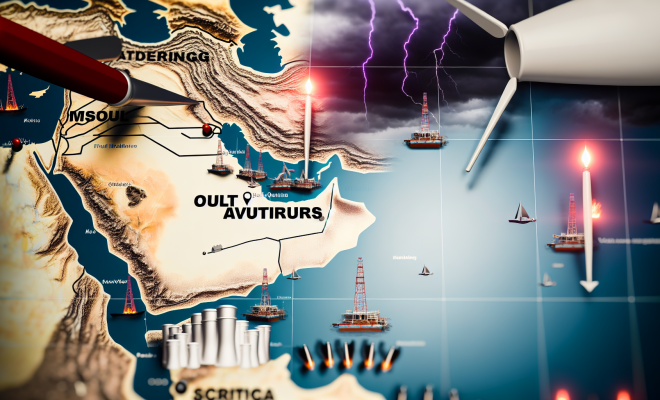
In a significant escalation of regional tensions, Iran’s Supreme Leader, Ayatollah Mojtaba Khamenei, announced on March 12, 2026, that the Islamic Republic would leverage the closure of the Strait of Hormuz to intensify attacks on energy infrastructure across the Gulf region. This announcement raises serious concerns regarding global energy supplies and the stability of oil markets, given that the Strait of Hormuz is a critical chokepoint for oil shipments.
The Importance of the Strait of Hormuz
The Strait of Hormuz is strategically vital, as it connects the Persian Gulf with the Gulf of Oman and the Arabian Sea. Approximately 20% of the world’s oil supply passes through this narrow waterway, making it one of the most significant maritime routes for energy transportation. Any disruption in this corridor can have immediate and far-reaching consequences on global oil prices and supply chains.
Iran’s New Strategy
Khamenei’s directive reflects a calculated approach to leverage Iran’s position in the region amidst ongoing conflicts and international scrutiny. By threatening to close the Strait of Hormuz, Iran aims to exert pressure on its adversaries while simultaneously strengthening its own bargaining position in a complex geopolitical landscape.
This strategy is not unprecedented. Historically, Iran has used the threat of disrupting maritime traffic as a tool of coercion, especially during periods of heightened tensions with Western nations and its regional rivals. Khamenei’s recent statements suggest a renewed commitment to this aggressive posture, particularly as Iran continues to face crippling economic sanctions and diplomatic isolation.
Regional Implications
The announcement has sparked alarm among Gulf nations and international stakeholders. Countries like Saudi Arabia, the United Arab Emirates, and other Gulf Cooperation Council (GCC) members rely heavily on the safe passage of oil through the Strait of Hormuz. Any hostile actions from Iran could not only threaten their economies but also destabilize the entire region.
- Saudi Arabia: As one of the largest oil producers in the world, any disruption in supply lines would significantly impact its economy and global oil prices.
- United Arab Emirates: With a significant portion of its economy dependent on oil exports, the UAE is particularly vulnerable to fluctuations in oil availability.
- International Concerns: The potential for rising oil prices could lead to inflationary pressures worldwide, affecting consumers and industries alike.
Impact on Global Energy Markets
The threat of intensified attacks on energy infrastructure is likely to reverberate through global markets. Analysts predict that any disruptions to oil shipments from the Gulf could lead to immediate spikes in oil prices. For instance, a closure of the Strait of Hormuz could see prices soar, reminiscent of the oil shocks of the 1970s.
Moreover, the energy landscape is already fragile due to various factors, including the ongoing conflict in Ukraine and the transition to renewable energy sources. Adding Iranian aggression into this mix could further complicate energy security for many nations.
International Response
In light of these developments, the international community is closely monitoring the situation. The United States, along with its allies, has historically maintained a naval presence in the region to ensure the safety of maritime traffic. However, the effectiveness of this presence in deterring Iranian actions will be tested in the coming months.
Diplomatic efforts to de-escalate tensions will likely intensify, with Western nations urging Iran to refrain from aggressive actions that could destabilize the region. Nonetheless, Khamenei’s recent statements indicate a firm commitment to Iran’s strategy, suggesting that any negotiations may face significant hurdles.
The Broader Picture
This latest development is emblematic of broader geopolitical dynamics in the Middle East, where Iran’s influence continues to grow amidst ongoing conflicts in Syria, Iraq, and Yemen. The country’s ability to project power through asymmetric warfare, including cyber attacks and proxy groups, adds another layer of complexity to the situation.
As Khamenei seeks to consolidate Iran’s position and leverage its strategic assets, the implications for global energy security remain profound. The international community must tread carefully, balancing the need for stability in energy markets with the imperative to address Iran’s aggressive posturing.
Conclusion
The recent announcement by Iran’s Supreme Leader marks a critical juncture in the ongoing struggle for power in the Gulf region. As tensions continue to rise, the world watches closely, acutely aware that the fate of global energy supplies hangs in the balance. The coming weeks and months will be crucial in determining whether diplomacy can prevail over confrontation, or if the region will once again be plunged into chaos and uncertainty.