Idaho’s Harmful Materials Law Advances Despite Public Outcry
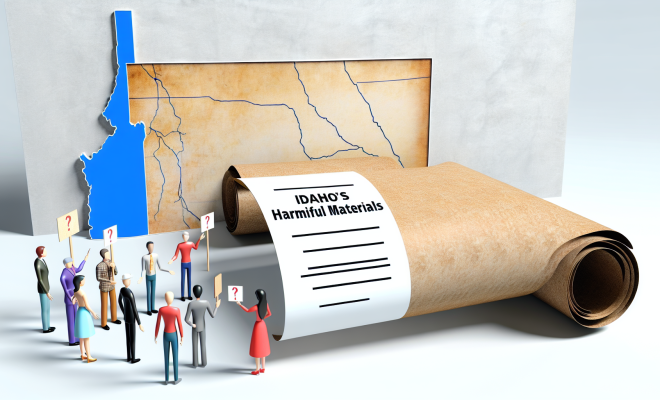
In a significant legislative move, the Idaho House State Affairs Committee has advanced two bills aimed at amending the state’s existing restrictions on library materials deemed ‘harmful.’ This decision, made on a Thursday, comes despite considerable public opposition, highlighting ongoing tensions between legislative regulation and community concerns over censorship.
Understanding the Legislative Changes
The proposed amendments focus on the definition and accessibility of library content, specifically targeting materials that some legislators believe could be damaging to minors. Proponents of the bills argue that these changes are necessary to protect young readers from exposure to inappropriate content.
One of the committee members, Representative Bruce Skaug, emphasized the importance of ensuring that library collections are appropriate for children. “We have a responsibility to protect our youth, and these amendments will help ensure that libraries are safe spaces for our children to explore literature,” Skaug stated during the committee discussion.
The Role of Libraries in Censorship Debates
Libraries have long been at the center of debates regarding censorship, with advocates arguing for the free access to a wide range of materials while opponents focus on the potential dangers of certain content. The amendments under consideration could significantly alter the landscape of what is considered acceptable in public libraries.
- Defining ‘Harmful Materials’: The bills seek to clarify what constitutes harmful material, potentially leading to stricter guidelines on what can be included in library collections.
- Accountability Measures: Libraries may face increased scrutiny and accountability regarding the materials they provide, leading to potential challenges in curating diverse and inclusive collections.
Public Response and Opposition
Despite the committee’s decision to advance the bills, public feedback has been overwhelmingly negative. Community members and advocacy groups have expressed concern that the amendments could result in increased censorship and limit access to a broad spectrum of literature.
During a public hearing, several speakers voiced their fears that the changes could disproportionately affect marginalized voices. Local educator and activist Sarah Johnson stated, “Censoring books is a slippery slope. Once we start limiting access to certain materials, we risk silencing important narratives that contribute to cultural understanding and empathy.”
Legal and Ethical Implications
The legislative push to amend the harmful materials law raises significant legal and ethical questions. Critics of the bills argue that they may violate the First Amendment rights of individuals seeking access to information. Legal experts warn that implementing stricter guidelines could lead to potential lawsuits from organizations advocating for free speech.
As the legislation progresses, it will be essential for lawmakers to balance the interests of protecting youth with the fundamental rights to free expression and access to information. The potential legal ramifications could affect not only the libraries but also the state’s reputation regarding educational freedom.
The Broader Context of Book Bans in the U.S.
Idaho is not alone in its struggle with book bans and restrictions on library materials. Across the United States, there has been a noticeable increase in efforts to limit access to certain books, particularly those addressing themes of race, sexuality, and identity. This trend is often fueled by organized campaigns from various political and social groups.
According to a report by the American Library Association (ALA), book challenges in the U.S. reached an all-time high in 2021, with many of the challenged books being targeted for their content related to LGBTQ+ issues and racial themes. This national context amplifies the stakes for Idaho’s legislative actions, as they could set precedents for similar initiatives in other states.
Next Steps for the Proposed Bills
As the amendments advance through the legislative process, they will likely face further scrutiny during additional committee hearings and debates on the House floor. Advocates for free access to library materials plan to continue their efforts to rally community support and voice opposition against the proposed changes.
The upcoming discussions will be crucial in determining the future of library content regulations in Idaho. As community members engage with their representatives, the outcome may hinge on public sentiment and the ability of citizens to articulate their concerns over censorship and access to literature.
Conclusion
The decision by the Idaho House State Affairs Committee to advance amendments to the harmful materials law reflects a broader national debate on censorship and access to literature. As stakeholders from various sides of the issue mobilize, the outcome remains uncertain, yet the implications for Idaho’s libraries and the communities they serve will be profound.