Wildfire Smoke Threatens Millions: Act Now to Protect Your Health
“`html
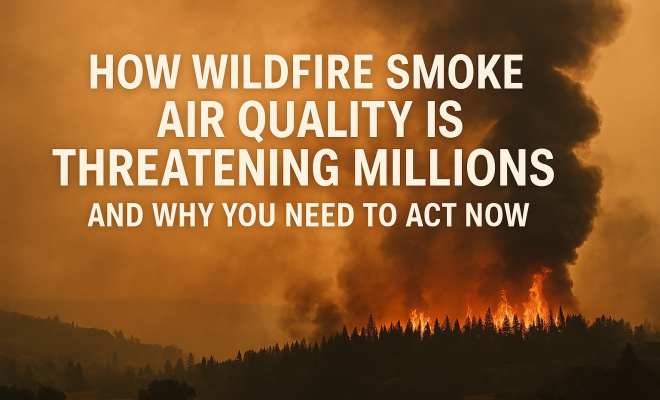
As massive wildfires rage across Canada, an unseen enemy is sweeping through the air: wildfire smoke. This thick, toxic haze isn’t just a visual blight; it’s a serious threat to air quality, pushing conditions to dangerous levels across both Canada and the United States. The crisis is prompting urgent health warnings from experts and creating wave after wave of social media sharing as the public seeks immediate guidance on how to protect themselves.
The Scope of the Wildfire Crisis
In recent years, wildfires have become an all-too-common phenomenon, particularly in regions like Canada, where dry conditions and extreme heat fuel these devastating blazes. The current wildfires are so substantial that the smoke is traveling thousands of miles, impacting air quality as far south as the United States. This isn’t just a localized issue; it’s a national emergency affecting millions of people.
According to the latest data, the air quality in numerous regions has plummeted to unhealthy levels, raising alarms among health experts. For instance, areas in the northeastern U.S. have reported air quality indices that are alarmingly high, leading to the issuance of health advisories. With smoke blocking out sunlight and clouding the skies, it’s creating a surreal and frightening atmosphere that many people are sharing online.
Understanding the Risks of Wildfire Smoke
Wildfire smoke is a complex mixture of gases and fine particles from burning vegetation. The smoke contains harmful substances like carbon monoxide, volatile organic compounds, and particulate matter, which can penetrate deep into the lungs and bloodstream. This poses significant health risks, particularly for vulnerable populations such as children, the elderly, and those with pre-existing respiratory conditions.
Dr. Corlin from Tufts School of Medicine emphasizes the importance of recognizing the health implications of wildfire smoke exposure. Symptoms can range from immediate respiratory distress to long-term complications. Individuals may experience chest pain, confusion, or even strokes that can surface days after initial exposure. This makes it critical for anyone in affected areas to take proactive measures to protect their health.
Taking Precautions: What You Can Do
With the air quality declining rapidly, taking precautions is more crucial than ever. Here are some actionable steps you can take:
- Stay Indoors: Limit your time outside, particularly during peak smoke hours.
- Seal Your Home: Close all windows and doors, and use air purifiers to filter indoor air.
- Wear N95 Masks: If you must go outside, wear an N95 mask designed to filter out fine particulate matter.
- Monitor Air Quality: Keep an eye on real-time air quality maps. Websites and apps provide updates on local conditions.
- Stay Hydrated: Drink plenty of water, as staying hydrated can help mitigate some health risks associated with smoke exposure.
These measures are especially important as wildfire smoke air quality worsens, creating an urgent need for public awareness. The combination of smoke and extreme heat increases the risk of heat-related illnesses, making precautions even more essential.
The Viral Response: Social Media and Public Awareness
The wildfire crisis has sparked an unprecedented response on social media. People are sharing their experiences, posting images of smoke-choked skies, and spreading information about health advisories. This viral sharing serves multiple purposes: it raises awareness, connects individuals with similar experiences, and allows for the dissemination of critical information on how to stay safe.
As a result, the topic of wildfire smoke air quality has surged in Google Trends. Many are actively searching for real-time air quality updates, protective measures, and ways to cope with the smoky environment. This collective concern is not just anecdotal; it’s a reflection of the immediate impact that these wildfires are having on daily life.
Indoor Air Quality: A Hidden Danger
One of the surprising revelations in this wildfire crisis is the realization that indoor air can become toxic without proper sealing. This counterintuitive truth is a wake-up call for many. While you may feel safe inside your home, the reality is that smoke can seep in through cracks and openings, compromising the air quality inside. (See: CDC on wildfire smoke health risks.)
To combat this, sealing your home adequately becomes essential. Check for gaps around windows and doors, use weather stripping, and employ air purifiers to maintain cleaner indoor air. This proactive approach can significantly reduce the health risks associated with prolonged smoke exposure.
The Emotional Toll of Smoke Exposure
Beyond physical health, the emotional toll of wildfire smoke cannot be overlooked. As people grapple with the anxiety of ongoing wildfires, their mental health may suffer. The fear of being caught in unsafe air quality conditions creates a sense of urgency that can lead to increased stress and anxiety. indoor air quality concerns offers useful background here.
As the wildfires rage on, it’s important to prioritize mental health as well. Regular check-ins with friends and family, engaging in calming activities, and practicing mindfulness can help mitigate the psychological impact of this crisis. Being aware of the emotional effects can empower individuals to take both physical and mental health measures.
Community Response: The Role of Local Organizations
In light of these wildfires, local organizations and health departments are ramping up their response efforts. Many are providing resources and information on how to cope with poor air quality. Local governments are also mobilizing to address the immediate needs of affected populations, including providing shelters for those displaced by the fires.
Community engagement plays a vital role in ensuring that accurate information reaches those who need it most. Initiatives like community workshops, online webinars, and public service announcements are becoming commonplace as organizations strive to protect public health. The collaborative effort illustrates the importance of a united front in facing environmental crises.
Looking Ahead: Long-Term Solutions to Wildfire Smoke Air Quality
While immediate responses are crucial, addressing the root causes of wildfires will be essential to creating long-term solutions. Climate change, land management practices, and urban planning all play roles in the frequency and intensity of wildfires. Investing in sustainable land management and fire prevention strategies can help reduce the risk of future wildfires.
In addition, improving emergency preparedness and response systems can help communities better withstand the impacts of wildfires. This includes implementing better evacuation plans, providing resources for those most vulnerable, and investing in infrastructure that minimizes fire risks.
Understanding Air Quality Index (AQI) and Its Implications
The Air Quality Index (AQI) is a crucial tool for understanding the impacts of wildfire smoke on air quality. It provides a standardized system for reporting daily air quality levels to the public. The AQI ranges from 0 to 500, where lower values represent good air quality and higher values indicate more dangerous conditions.
For example, an AQI value of 0-50 is considered good, while values from 151-200 are classified as unhealthy. When the AQI reaches levels above 200, sensitive groups are at risk, and health warnings can affect the entire population. Understanding the AQI can help individuals make informed decisions about outdoor activities and take necessary precautions.
Statistics and Facts about Wildfires and Air Quality
Recent statistics show a troubling trend regarding wildfires and air quality. In Canada, wildfires burned over 8 million hectares of land in a single year, a figure that has increased significantly over the past decade. In the United States, the National Interagency Fire Center reported that wildfires have doubled in frequency over the last 20 years, leading to a notable rise in smoke-related health issues.
According to the CDC, exposure to wildfire smoke can lead to respiratory illnesses, heart problems, and other serious health concerns. A study conducted in California found that hospital admissions for respiratory issues increased by 25% during periods of high smoke exposure. These statistics highlight the dire need for public awareness and preventive measures. (See: WHO fact sheet on air pollution.)
Expert Perspectives on Wildfire Smoke Air Quality
Experts from various fields emphasize the importance of research and awareness regarding the effects of wildfire smoke. Dr. Emily T. from Harvard University states, “The health risks associated with wildfire smoke demand our attention. As climate change progresses, we need to prepare for more frequent and intense wildfires.”
Furthermore, environmental scientists stress the importance of understanding the chemical composition of wildfire smoke. “The particulate matter can contain toxins that are harmful to human health,” says Dr. John M., an environmental toxicologist. “The more we understand, the better we can develop strategies to protect our communities.”
Comparing Urban vs. Rural Air Quality Impacts
Interestingly, the impact of wildfire smoke on air quality can vary significantly between urban and rural settings. Urban areas often have higher baseline pollution levels due to traffic and industrial activities, which can compound the effects of wildfire smoke. Studies show that urban populations may experience more pronounced health effects during wildfire events compared to their rural counterparts.
In contrast, rural areas may have less overall pollution but can be heavily affected when wildfires occur nearby. The fine particulate matter from smoke can travel long distances and impact air quality even in areas far from the fire itself. This comparison highlights the need for targeted public health responses based on regional air quality conditions.
Frequently Asked Questions (FAQ)
1. What should I do if the air quality is unhealthy in my area?
If the air quality index is unhealthy, it’s best to stay indoors as much as possible. Close windows and doors, and use air purifiers if available. Limit outdoor activities and wear protective masks if you must go outside.
2. How can I monitor air quality in my area?
You can monitor air quality through various websites and mobile apps that provide real-time updates based on your location. The AirNow website is a reliable resource for checking the AQI.
3. Are children and elderly people more affected by wildfire smoke?
Yes, children, elderly individuals, and those with existing health issues are more susceptible to the harmful effects of wildfire smoke. They may experience respiratory distress and other health complications more readily than healthier adults.
4. Can indoor air quality be affected by wildfire smoke?
Absolutely. Even when indoors, smoke can infiltrate through cracks and openings, making it essential to seal your home properly and use air purifiers to maintain healthier air quality.
5. What are long-term health effects of exposure to wildfire smoke?
Long-term exposure can lead to chronic respiratory conditions, cardiovascular disease, and other serious health issues. It’s important to take precautions and minimize exposure during wildfire events. (See: New York Times coverage on air quality.)
6. What are the symptoms of smoke inhalation?
Symptoms of smoke inhalation can include coughing, shortness of breath, wheezing, and chest tightness. In severe cases, it can also lead to confusion or loss of consciousness due to reduced oxygen levels.
7. How can communities prepare for wildfire smoke events?
Communities can prepare by increasing public awareness of air quality issues, establishing community emergency plans, and ensuring that vulnerable populations have access to resources such as air purifiers and safe spaces during smoke events.
8. What types of air purifiers are most effective against wildfire smoke?
Air purifiers equipped with HEPA filters are most effective at capturing fine particulate matter found in wildfire smoke. Some models also include activated carbon filters that can reduce odors and harmful gases.
9. Are there any government resources to help during wildfire smoke events?
Yes, many government agencies provide resources and information regarding air quality and safety during wildfire events. Local health departments and emergency management offices often have dedicated programs for public safety during these crises.
10. What should I do if I experience health issues after smoke exposure?
If you experience persistent health issues after smoke exposure, it’s important to seek medical attention. Healthcare providers can offer treatments and advice tailored to your symptoms and overall health condition.
Conclusion: A Call to Action
The current crisis surrounding wildfire smoke air quality serves as a stark reminder of the interconnectedness of our environment and health. As wildfires continue to ravage large swaths of land, it’s imperative that we take swift action to protect ourselves and our communities.
This means not only following health recommendations but also advocating for policies that address climate change and promote fire prevention. By coming together and taking action, we can mitigate the impacts of these wildfires and strive for a healthier future. Don’t let the smoke cloud your vision; stay informed, stay safe, and be part of the solution.
“`
Trending Now
Frequently Asked Questions
How does wildfire smoke affect air quality?
Wildfire smoke significantly deteriorates air quality by releasing harmful gases and fine particulate matter into the atmosphere. These pollutants can travel long distances, leading to unhealthy air conditions across regions, even far from the fire source. This poses serious health risks, particularly for vulnerable populations.
What are the health risks of wildfire smoke?
Exposure to wildfire smoke can cause various health issues, including respiratory problems, cardiovascular stress, and aggravated pre-existing conditions. Vulnerable groups such as children, the elderly, and those with chronic illnesses are at higher risk. Symptoms may include coughing, difficulty breathing, and eye irritation.
Why is wildfire smoke a national emergency?
Wildfire smoke has become a national emergency due to its widespread impact on air quality across vast regions, particularly in the U.S. and Canada. As wildfires grow more frequent and intense, the smoke can affect millions, prompting health advisories and urgent public warnings.
What should you do during wildfire smoke exposure?
During wildfire smoke exposure, it's crucial to stay indoors, use air purifiers, and keep windows closed to minimize smoke inhalation. If symptoms arise or air quality is poor, individuals should limit outdoor activities and seek medical advice, especially if they have pre-existing health conditions.
How far can wildfire smoke travel?
Wildfire smoke can travel thousands of miles from its source, affecting air quality in regions far away from the actual fire. This widespread impact means that even areas not directly experiencing wildfires can suffer from unhealthy air conditions due to drifting smoke.
What's your take on this? Share your thoughts in the comments below — we read every one.