Master Snowboard Turns: A Beginner’s Guide to Carving
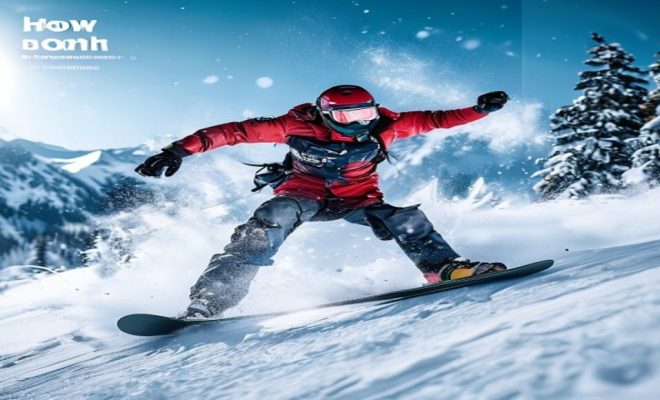
“`html
Snowboarding is one of the most exhilarating winter sports, drawing millions of enthusiasts to ski resorts each year. But for beginners, mastering the art of turning on a snowboard can feel like a daunting challenge. If you’re looking to enhance your snowboarding experience and learn how to turn on snowboard effectively, you’ve come to the right place. This comprehensive guide will not only break down the mechanics of turning but also provide practical tips, recommended techniques, and insights to help you carve your path on the slopes.
1. Understanding the Basics of Snowboarding
Before we dive into the nuances of turning, it’s essential to grasp the fundamental principles of snowboarding. Snowboards are designed with a distinct shape and flex that allow riders to maneuver effectively. The board’s profile (rocker, camber, or flat) influences how it responds during turns and rides over various terrains. Riders typically use two stances: regular (left foot forward) and goofy (right foot forward), which affects how you initiate a turn.
Proper stance and balance are critical. When you stand on your snowboard, your weight should be distributed evenly across your feet. Keeping your knees slightly bent not only helps maintain balance but also prepares you to absorb any bumps or shifts in the snow. Understanding these basics sets the stage for mastering how to turn on snowboard.
2. The Importance of Body Position
Your body position plays a crucial role in executing smooth turns. Proper alignment can make all the difference in your control and speed. To begin with, maintain a shoulder-width stance with your knees bent and your back straight. Your shoulders should face the direction you want to go, and your hips should follow.
As you prepare to turn, look in the direction of your intended path. This focus not only improves your balance but also subconsciously encourages your body to follow through. Remember that turning on a snowboard isn’t just about moving the board; it’s about integrating your entire body to guide the snowboard in the direction of your vision.
3. Types of Turns: Carving vs. Skidding
Understanding different types of turns is essential for snowboarding success. In the snowboarding world, the two primary methods are carving and skidding. Carving involves using the edges of your snowboard to create a clean arc in the snow, allowing for faster speeds and a smoother ride. This technique is often favored by advanced riders who want to maintain control while navigating steep slopes.
On the other hand, skidding is a technique where the snowboard slides sideways during the turn, creating a less precise movement. Beginners often lean towards skidding as it naturally occurs when they’re learning to manage speed and balance. Each technique has its place, and as you advance, transitioning from skidding to carving will enhance your snowboarding experience.
4. Initiating a Turn: The Basics
Now that you understand the fundamentals and types of turns, let’s focus on how to initiate a turn. The key is shifting your weight. To initiate a turn to the left (for regular riders), gently press down on your toes while applying pressure through your left foot. Simultaneously, steer your head and shoulders toward the left, creating a natural motion that guides your snowboard in the desired direction.
As you shift your weight, feel how your snowboard responds. The edges of the board will dig into the snow, allowing you to carve through the turn. This is where balance and body positioning come into play again, so ensure your knees remain bent and your body stays aligned with the board.
5. Mastering the Turn: Transitioning Between Edges
Once you’ve initiated a turn, mastering the transition between edges is vital for fluidity. As you reach the apex of your turn, prepare to shift your weight from your toe edge to your heel edge (or vice versa). This transition should feel seamless; it’s about guiding the snowboard rather than forcing it. To do this, gently lean towards the back of the board, allowing it to pivot naturally.
This phase is often where beginners struggle, as they may feel the urge to stiffen their bodies or overcorrect. Instead, focus on maintaining a relaxed stance while allowing your knees to absorb any changes in terrain. Practice this transition on gentle slopes before attempting it on steeper runs for better control and confidence.
6. Practicing Turns: Drills to Enhance Your Skills
Practical practice is where the magic happens. To become proficient at how to turn on snowboard, incorporate specific drills into your routine. One effective drill is the “J-Turn,” where you ride straight down the slope and gradually shift your weight to make a sharp turn at the bottom, resembling the letter ‘J’. This drill enhances your understanding of pressure distribution and control.
Another beneficial exercise is practicing turns across the slope. Start by riding a few yards straight before initiating a turn to the side, then repeat in the opposite direction. This exercise helps develop bilateral balance and familiarity with edge control, essential components of snowboarding.
7. Common Mistakes to Avoid
While learning how to turn on snowboard, it’s common to make mistakes that can hinder your progress. One of the most frequent errors is leaning too far back on the board. This position not only makes it difficult to turn but can also lead to falls. Aim to keep your weight centered over your board.
Another mistake is looking down at your board instead of focusing ahead. Keep your gaze forward, where you want to go. This will help you maintain balance and anticipate the slope’s changes. Lastly, avoid rushing your turns; instead, practice your timing and tempo to achieve smoother, more controlled movements.
8. Equipment Considerations
Your snowboard and gear can significantly impact your ability to turn. Make sure your snowboard is suitable for your skill level and riding style. Beginner boards tend to be softer and more forgiving, which can help you learn how to turn on snowboard more easily.
Bindings and boots also play a critical role. Ensure your bindings are set up correctly for your stance and that your boots fit snugly. Loose equipment can impair your control and make turning more challenging. If you’re unsure about your setup, consult with a professional at a snowboard shop.
9. Snow Conditions and Their Impact on Turning
Snow conditions can drastically affect how well you can turn on a snowboard. Fresh powder, for instance, requires different techniques compared to icy or groomed trails. In powder, you’ll want to lean back slightly to keep the nose of your board afloat, while on icy slopes, you’ll need to focus on making sharper turns using your edges to maintain grip.
Understanding how different conditions affect your turns will help you adapt your techniques, making you a more versatile rider. Pay attention to the weather and snow reports, and adjust your approach accordingly. This adaptability is key to mastering snowboarding.
10. Keeping Safety in Mind
As you embark on your journey to learn how to turn on snowboard, don’t forget about safety. Always wear a helmet to protect yourself, especially during learning phases when falls are more likely. Additionally, familiarize yourself with the mountain’s rules and etiquette, and be mindful of other riders around you.
Start on easier slopes before progressing to more challenging terrain. Building confidence gradually can help prevent accidents and improve your skills effectively. Remember, snowboarding is not just about mastering turns but also enjoying the experience and having fun in the snow.
11. Maintaining Your Snowboard
Taking care of your snowboard is crucial for performance, especially when it comes to turning. Regularly waxing your board can ensure it glides smoothly over the snow, making turns easier and more enjoyable. Additionally, sharpening the edges of your snowboard helps maintain grip, particularly on icy slopes. Dull edges can lead to slips, making it hard to turn effectively.
Check your bindings and boots frequently to make sure they are in good condition. A loose binding can be a recipe for disaster, particularly when you need to make quick turns. If you notice any wear and tear, it might be time for a professional tune-up or replacement.
12. Advanced Techniques for Experienced Riders
Once you’ve mastered the basic turns and are comfortable on your snowboard, it’s time to explore advanced techniques. One popular method is the “dynamic turn,” which allows for quicker, sharper turns. This involves a more aggressive weight shift and a more pronounced edge engagement. It’s vital to maintain body fluidity to prevent falls during these more aggressive turns.
Another advanced technique is the use of “butter” moves, where you perform tricks while turning. This requires excellent balance and control, as you’ll be shifting your weight in unique ways while transitioning between turns. The best way to practice these is in a controlled environment, such as a terrain park or on gentle slopes.
13. Getting Feedback from Others
Having someone watch you ride and provide feedback can be invaluable. This could be a friend who is more experienced or even an instructor. They can point out mistakes you might not be aware of and offer tips to improve your turns. Video recording your runs is also a useful tool; you can review your technique and make adjustments based on what you see.
Group lessons or clinics can also be a great way to enhance your skills while learning how to turn on snowboard. You can learn new techniques from instructors while being in a supportive environment with peers who share the same goal.
14. Statistics: Understanding Snowboarding Participation
Understanding the popularity of snowboarding can help you appreciate your time on the slopes even more. According to the National Ski Areas Association, about 8.3 million Americans participated in snowboarding during the 2021-2022 season. This figure reflects a steady growth in participation over the years, with many beginners taking up the sport.
Interestingly, snowboarding is particularly popular among younger generations. The demographic of 18 to 24-year-olds represents a significant proportion of snowboarders. This trend indicates that as snowboarding continues to evolve, so does its community of riders, embracing new techniques and styles.
15. FAQs About Turning on a Snowboard
What is the best way to practice turning on a snowboard?
The best way to practice turning is to start on gentle slopes where you can build confidence. Implement specific drills to enhance your skills, such as the J-turn and practicing across the slope. Focus on weight distribution and body positioning, as these are crucial for effective turns.
How long does it take to learn how to turn on a snowboard?
The time it takes to learn how to turn on a snowboard varies for each individual. Many beginners can grasp the basics within a few days of consistent practice. However, mastering turns and transitioning between them can take weeks or even months, depending on practice frequency and individual comfort levels.
Can I learn to snowboard on my own, or should I take lessons?
While some people do learn on their own, taking lessons from a certified instructor can significantly accelerate your learning process. Instructors can provide essential tips and correct bad habits before they become ingrained. Learning with a professional also ensures you receive personalized feedback tailored to your specific needs.
What should I do if I fall while trying to turn?
If you fall, it’s important to assess what went wrong. Take a moment to regroup and analyze your technique. Remember to fall safely by rolling to the side rather than trying to catch yourself with your hands. Getting back up quickly and trying again is part of the learning process!
Are there specific conditions that make turning easier or harder?
Yes, snow conditions play a significant role in turning. Fresh powder allows for smoother turns, while icy conditions require sharper edge control. Be mindful of the terrain and adjust your technique accordingly. Understanding how snow conditions affect your turns will help you adapt and improve your skills.
16. Tips for Different Skill Levels
Beginners
If you’re just starting, focus on establishing your balance and comfort on the board before attempting to turn. Keep your turns wide at first, allowing yourself time to adjust. Practice falling safely and getting back up to build confidence. Remember, it’s okay to take your time!
Intermediate Riders
As you progress, work on refining your technique. Start practicing tighter turns and incorporating more skidding into your repertoire. Experiment with different terrain to gain experience with how various conditions affect your turning. Engage in drills that challenge both your speed and control, such as linking turns down a slope.
Advanced Riders
For experienced snowboarders, focus on combining speed with agility. Work on dynamic turns that allow for rapid direction changes while maintaining control. Experiment with jumps and tricks in conjunction with turning. This can elevate your snowboarding experience and take your skills to the next level.
17. Cultural Aspects of Snowboarding
Snowboarding isn’t just about the sport; it’s a lifestyle and culture that has evolved significantly since its inception in the 1960s. From the fashion to the music that accompanies the sport, snowboarding has a unique identity. The community aspect is strong, with riders often congregating in groups, sharing tips, and learning from one another.
Events like the X Games and Winter Olympics have showcased the thrilling nature of snowboarding, attracting fans and future generations of riders. This cultural richness adds depth to the experience of learning how to turn on snowboard, as you’re not just learning a skill but also becoming part of a vibrant community.
18. Gearing Up: Must-Have Accessories
While your snowboard and boots are the most critical parts of your gear, don’t overlook the importance of accessories. Invest in quality snow gear, such as waterproof jackets, moisture-wicking base layers, and thermal gloves. These can make a significant difference in your comfort and performance on the slopes.
Additionally, consider using wrist guards and knee pads, especially if you’re a beginner. These protective accessories can reduce the risk of injury while you’re mastering your turning skills. Safety should always be a priority, no matter your skill level.
With practice, dedication, and the right mindset, you’ll be well on your way to mastering how to turn on snowboard. Enjoy the ride!
“`
Trending Now
Frequently Asked Questions
How do you turn on a snowboard for beginners?
To turn on a snowboard, start by understanding your stance, either regular or goofy. Bend your knees, maintain a shoulder-width stance, and shift your weight as you look in the direction you want to go. Initiate the turn by leaning your body and using your shoulders and hips to guide the board.
What is the proper body position for snowboarding turns?
The proper body position for snowboarding turns includes a shoulder-width stance with bent knees and a straight back. Your shoulders should face the direction of the turn, with your hips following. This alignment helps maintain balance and control during the turn.
What are the basic principles of snowboarding?
The basic principles of snowboarding include understanding your board's shape and flex, maintaining a balanced stance, and knowing your riding stance (regular or goofy). Proper weight distribution and knee positioning are crucial for stability and executing turns effectively.
How important is body position when turning on a snowboard?
Body position is crucial when turning on a snowboard. Proper alignment enhances control and speed. Keeping your knees bent, shoulders aligned with your intended path, and looking ahead improves balance and helps execute smoother turns.
What techniques can help improve snowboarding turns?
To improve snowboarding turns, practice maintaining a balanced stance, focus on your body alignment, and ensure you look in the direction of your turn. Additionally, gradually shift your weight and use your shoulders and hips to guide the board through the turn.
What's your take on this? Share your thoughts in the comments below — we read every one.