Catching Fireflies: Your Guide to a Magical Summer Night
“`html
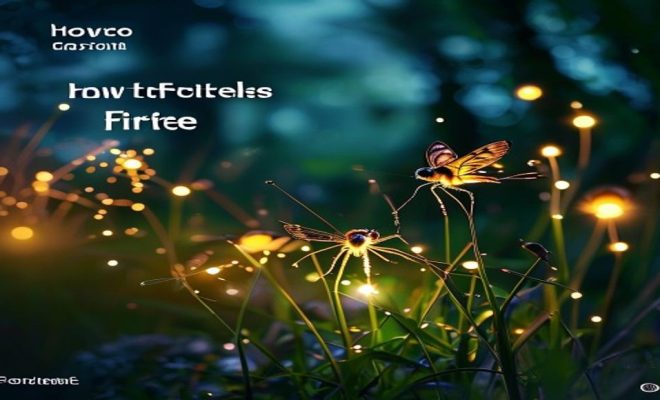
Catching fireflies can be a magical experience that evokes childhood memories of summer nights. The sight of these glowing insects dancing in the twilight is enchanting, but how can you successfully catch them? Whether you want to observe them up close, let your kids experience the wonder, or even use them for educational purposes, knowing how to catch fireflies is essential. This guide will provide you with valuable insights, techniques, and tips to ensure you have a successful night out with these captivating creatures.
1. Understanding Fireflies
Before diving into the methods of catching fireflies, it’s vital to understand what they are. Fireflies, or lightning bugs, belong to the Lampyridae family and are most commonly seen during warm summer nights. These insects are not true flies; they are beetles that produce light through a chemical reaction in their lower abdomen. This bioluminescence is primarily used for mating purposes, with males emitting signals to attract females. Knowing this can help you understand their behavior and optimal times for catching them.
Fireflies can be found in various habitats, including fields, gardens, and near water sources. They thrive in humid environments and are most active during dusk and dawn. Certain species are also known to have specific flashing patterns, so recognizing these patterns can help you anticipate where to catch them.
2. Timing Your Firefly Hunt
The best time to catch fireflies is typically in the early summer months, especially from late May to early July, depending on your geographical location. You’ll want to aim for warm, humid evenings—ideally within a few days after it rains, as this encourages their activity. They tend to be most active about 30 minutes after sunset when it’s dim but not entirely dark.
Plan your firefly-catching adventure during twilight hours—not too early as the sun sets, and definitely not too late when they’ve settled down for the night. If you’re not sure about the timing, simply head out around dusk and wait. The first flashes of light will signal that it’s time to get started.
3. Choosing the Right Location
Location is crucial when it comes to catching fireflies. Look for areas that are rich in vegetation and near water sources, like ponds or streams. Gardens, parks, and open fields are also excellent spots as they naturally attract fireflies. Avoid areas with bright lights, as artificial illumination can interfere with their natural blinking patterns and deter them from coming out.
If you have a garden, you might consider enhancing its appeal to fireflies. Maintaining native plants, reducing lawn maintenance chemicals, and providing moisture through plant beds can create an inviting environment for these insects. Fireflies thrive in places where they can find suitable habitats for laying eggs and where larvae can find food.
4. Essential Tools for Catching Fireflies
While catching fireflies can be as simple as using your hands, having the right tools can enhance the experience. Here are a few tools you might consider:
- Jar or Container: A glass jar with a lid or a mesh container can be an ideal vessel for catching fireflies. The jar should have small holes for ventilation if you plan to keep the fireflies for a while.
- Net: A small insect net can help you catch fireflies without harming them. Opt for one with a fine mesh to ensure that you don’t accidentally let them slip away.
- Light Source: A flashlight with a red filter can be useful. A red light is less likely to disturb their natural behavior, allowing you to observe them without scaring them off.
- Notebook: If you’re interested in observing their behavior and patterns, a notebook can help you jot down notes about your findings.
5. Techniques for Catching Fireflies
Now that you have the right tools, let’s dive into some effective techniques for catching fireflies. The key is to be gentle and patient, as these bugs can easily fly away if startled. Here’s how to do it:
1. **Observation:** Start by quietly observing the area. Watch where the fireflies are flashing and try to anticipate their movements. This will help you understand their flight patterns.
2. **Slow Movements:** Move slowly and calmly. Quick movements can scare them away. Gently approach the firefly, either by extending your jar or net, or using your hands.
3. **Capture:** When you get close enough, gently trap the firefly in your container or net, ensuring you’re not squeezing too tightly. If you’re using a jar, you can simply place the jar over the firefly; it will often fly inside. (See: Learn more about fireflies on Wikipedia.)
6. Handling Fireflies with Care
Once you’ve caught some fireflies, it’s essential to handle them carefully. These delicate creatures can easily be harmed, so here are some guidelines to follow:
1. **Minimize Time in Captivity:** Fireflies should not be kept in a jar for too long. Their lifespan is short, and they thrive in their natural environment. If you plan to observe them, do so for no more than a few hours and release them afterward.
2. **Ventilation:** If you’re using a jar, make sure it has adequate ventilation. This prevents the fireflies from suffocating. A lid with small holes is a good option.
3. **Gentle Release:** When ready to release them, do so gently in a suitable area of your garden or the original spot where you found them. Allow them to fly away at their own pace.
7. Educational Value of Fireflies
Catching fireflies isn’t just a fun activity; it also presents an excellent opportunity for education. Fireflies can teach us about ecology, biology, and environmental awareness. Here are a few educational angles:
1. **Life Cycle:** Educators can explain the life cycle of fireflies, from eggs to larvae to adult beetles. This can spark interest in entomology and the importance of biodiversity.
2. **Bioluminescence:** This is a fascinating topic that extends beyond fireflies. Discussing bioluminescence can lead to greater discussions about chemical reactions in nature, as well as the survival strategies of various organisms.
3. **Ecosystem Role:** Fireflies play a crucial role in the ecosystem as both predators and prey. Exploring their role can foster a deeper understanding of food webs and the importance of maintaining healthy ecosystems.
8. Firefly Conservation
Sadly, firefly populations have been declining due to habitat loss, pollution, and climate change. Learning how to catch fireflies also comes with the responsibility of preventing harm to their populations. Here are some conservation tips:
1. **Natural Habitats:** Promote the conservation of firefly habitats by planting native plants, avoiding pesticides, and keeping areas near water clean.
2. **Community Awareness:** Host community events that educate others about fireflies’ ecological importance and how to catch them responsibly.
3. **Participate in Citizen Science:** Engage in citizen science projects that track firefly populations and their habitats, contributing to important research and conservation efforts.
9. Firefly Festivals and Events
Throughout the world, firefly festivals celebrate these enchanting creatures and provide opportunities for communities to come together. Many towns and parks host events where families can learn more about fireflies, share their experiences, and catch them in a controlled and educational environment. Examples include: (See: CDC on fireflies and safety.)
- Firefly Festival in the Great Smoky Mountains: This annual event attracts thousands of visitors who come to witness a breathtaking synchronized firefly display.
- Various Local Festivals: Many local parks and nature reserves hold their own firefly-catching nights, complete with educational talks, guided tours, and family-friendly activities.
Participating in these events not only enhances your firefly-catching experience but also fosters a sense of community and appreciation for nature.
10. Final Thoughts on How to Catch Fireflies
Learning how to catch fireflies can be a delightful experience that connects you to nature and creates lasting memories. By understanding their behavior, choosing the right locations, and using the proper tools, you can enjoy the thrill of catching these beautiful insects while also contributing to their conservation. Remember to always handle them with care and share the joy of this activity with others. So grab your jar, head outside on a warm summer evening, and let the magic of fireflies light up your night!
11. Frequently Asked Questions (FAQ)
1. What is the best way to catch fireflies?
The best way to catch fireflies is by using a jar with small holes for ventilation or a fine mesh net. Approach them slowly and gently to avoid startling them.
2. Can you catch fireflies during the day?
Fireflies are predominantly nocturnal and are less active during the day. It’s best to catch them at dusk or night when they are actively flashing.
3. Is it safe to keep fireflies in a jar?
While it’s safe to keep fireflies in a jar temporarily for observation, they should not be kept for long periods. Their natural habitat is crucial for their survival.
4. Do fireflies bite or sting?
No, fireflies do not bite or sting humans. They are harmless, but it’s essential to handle them gently to avoid harming them.
5. Can fireflies be kept as pets?
Fireflies are not suitable as pets. They have a short lifespan and require specific environmental conditions to thrive. It’s best to enjoy them in their natural habitat.
6. Where can I find fireflies?
Fireflies are typically found in moist, humid areas near water sources, gardens, fields, and forests. Look for locations with tall grass and minimal light pollution.
7. How do fireflies communicate?
Fireflies communicate through their unique flashing patterns, which are primarily used during mating. Each species has its distinct pattern that attracts mates.
8. Are fireflies endangered?
Many firefly species are facing threats due to habitat destruction, light pollution, and climate change. Conservation efforts are essential to preserving their populations.
9. What is the lifespan of a firefly?
The lifespan of a firefly varies by species but generally ranges from a few weeks to several months, depending on environmental conditions and life cycle stage.
10. How can I attract more fireflies to my yard?
To attract more fireflies, create a friendly habitat by planting native plants, reducing pesticide use, and maintaining a moist environment. Avoid bright lights that can deter them. (See: Research on firefly bioluminescence.)
12. Fun Facts About Fireflies
Fireflies are fascinating creatures, and there’s so much more to learn about them! Here are a few fun facts:
- Species Diversity: There are over 2,000 species of fireflies worldwide, each with its unique flashing pattern.
- Bioluminescence Purpose: Besides mating, bioluminescence also helps fireflies avoid predators by signaling that they are toxic or unpalatable.
- Flash Patterns: Male fireflies often flash their lights in specific sequences to attract females, who respond with their own flashes.
- Larval Stage: Firefly larvae are also bioluminescent and often referred to as “glowworms.” They play a crucial role in the ecosystem as they help control pest populations.
- Mythology: In some cultures, fireflies are seen as mystical creatures symbolizing the soul or good luck, often linked to folklore and stories passed down through generations.
13. Exploring Firefly Habitats
Understanding and exploring firefly habitats can deepen your appreciation and knowledge of these sparkling insects. Fireflies prefer humid, rich environments that support their life cycle, particularly during the summer months. Here are some common habitats where you can expect to find fireflies:
- Wetlands: These areas are often teeming with life and provide an ideal breeding ground for fireflies. The moisture attracts both adults and larvae.
- Forests: Deciduous or mixed forests with plenty of undergrowth can be a haven for fireflies. The leaf litter and decaying wood offer shelter and food sources.
- Grasslands: Open fields or meadows with tall grass are perfect for fireflies to show off their flashing lights. They often prefer spots that are undisturbed and have abundant plant life.
- Near Water Bodies: Ponds, lakes, and streams are attractive to fireflies due to the humidity and the availability of food sources for their larvae.
14. Creating a Firefly-Friendly Environment
If you want to encourage fireflies to thrive in your backyard or local park, consider implementing some eco-friendly practices:
- Reduce Light Pollution: Turn off unnecessary outdoor lights during the firefly season to help them thrive and be more visible.
- Plant Native Flora: Native plants provide food and shelter for firefly larvae, enhancing their habitat.
- Water Features: Installing a small pond or water feature can create a humid environment where fireflies can flourish.
- Avoid Chemicals: Reduce the use of pesticides and herbicides, as these chemicals can harm fireflies and their larvae.
- Encourage Natural Growth: Let some areas of your garden grow wild to create natural habitats for fireflies and other beneficial insects.
15. The Role of Fireflies in Folklore and Culture
Fireflies have long captivated the human imagination, leading to their presence in various cultures’ folklore and traditions. In many regions, they are seen as symbols of hope, luck, and love. For example:
- Asian Cultures: In Japanese culture, fireflies are often portrayed in poetry and art as symbols of ephemeral beauty, representing fleeting moments of life. They are celebrated in festivals, reflecting the transient nature of existence.
- Navajo and Other Indigenous Peoples: In various Native American cultures, fireflies are considered messengers of good fortune or spirits representing departed ones. Their glow is often seen as a guiding light in darkness.
- Western Literature: Fireflies have appeared in children’s literature and songs, often associated with magical adventures and the innocence of childhood. They inspire creativity and imagination among young readers.
16. How Fireflies Contribute to Ecosystems
Fireflies contribute significantly to their ecosystems in many ways, making them essential components of environmental health. Here are some contributions they make:
- Pest Control: As larvae, fireflies feed on soft-bodied insects like slugs and other garden pests. This natural pest control reduces the need for chemical pesticides, promoting healthier gardens and ecosystems.
- Food Source: Adult fireflies serve as a food source for various animals, including birds and bats. Their presence in the food chain helps maintain ecological balance.
- Soil Health: The decomposition of firefly larvae contributes organic material to the soil, enhancing nutrient cycling and soil fertility.
Understanding these roles highlights the importance of protecting fireflies and their habitats, as their decline could have ripple effects throughout the ecosystem.
17. Innovations in Firefly Research
Recent studies and technological advancements have led to new discoveries about fireflies, influencing both science and technology. Scientists are exploring their bioluminescence for various applications, such as:
- Medical Research: The proteins responsible for bioluminescence in fireflies are being investigated for potential uses in medical diagnostics and imaging, providing new ways to visualize biological processes.
- Environmental Monitoring: Researchers are developing bioindicators based on firefly populations to monitor ecosystem health, using their presence or absence as indicators of environmental quality.
- Biomimicry: Inspired by fireflies, engineers and designers are creating innovative lighting solutions that mimic natural bioluminescence for energy-efficient lighting options.
As we advance in our understanding of fireflies and their ecological importance, we can harness this knowledge for sustainable practices and innovative solutions.
“`
Trending Now
Frequently Asked Questions
What is the best time to catch fireflies?
The best time to catch fireflies is during the early summer months, particularly from late May to early July. They are most active about 30 minutes after sunset on warm, humid evenings, especially after it has rained.
How do you attract fireflies to your yard?
To attract fireflies, create a humid environment by watering your garden and planting native flowers. Avoid using pesticides and keep outdoor lights dim to enhance their visibility during twilight hours when they are most active.
What do fireflies eat?
Adult fireflies primarily feed on nectar and pollen, while larvae are predatory and may consume other insects. Understanding their diet can help create a suitable environment to attract them to your yard.
Are fireflies dangerous to humans?
Fireflies are not dangerous to humans. They are harmless insects that do not bite or sting. Their bioluminescence is primarily used for mating signals, making them safe to observe and catch.
How can I catch fireflies without harming them?
To catch fireflies without harming them, use a jar with small holes for ventilation or a soft net. Gently capture them and release them after observation to ensure their safety and enjoyment of their natural behavior.
What did we miss? Let us know in the comments and join the conversation.