Master Paddleboarding: Your Essential Guide to SUP
“`html
Paddleboarding has surged in popularity, becoming a favorite pastime for water enthusiasts around the globe. Whether you’re seeking tranquility on a serene lake or an adrenaline rush on ocean waves, knowing how to paddleboard effectively is crucial for enjoyment and safety. In this guide, we’ll delve into the essentials of paddleboarding, from selecting the right equipment to mastering your technique and exploring various paddleboarding environments.
1. Understanding Paddleboarding
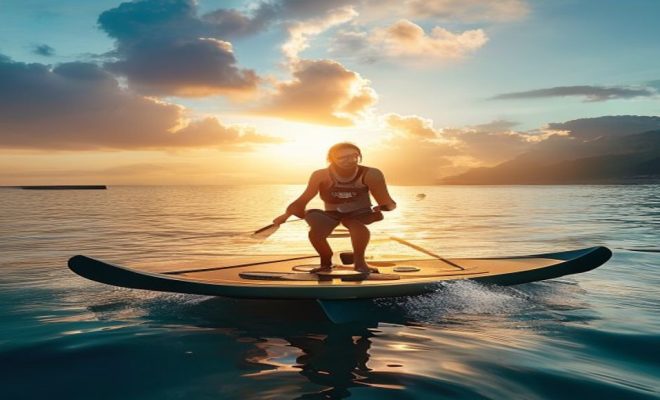
Paddleboarding, or stand-up paddleboarding (SUP), is a water sport that combines elements of surfing and kayaking. Originating in Hawaii, it has evolved into an accessible activity for people of all ages and skill levels. The main appeal lies in its ability to offer a full-body workout while allowing you to connect with nature.
When you’re out on the water, using a paddle to propel yourself forward is not just about exercise; it also requires balance and coordination. This sport can be enjoyed in various settings, from calm lakes to turbulent ocean waters, making it versatile and widely appealing.
2. Choosing the Right Paddleboard
One of the first steps to mastering how to paddleboard is selecting the right board for your needs. Paddleboards generally come in three types: all-around, touring, and racing. All-around boards are the most versatile and suitable for beginners, offering stability and a comfortable width. Touring boards are longer and narrower, designed for speed and distance, while racing boards are specialized for competitive use.
When choosing a board, consider your weight, experience level, and the type of water you plan to paddle in. A heavier paddler, for example, may require a wider board for additional stability. Additionally, if you plan to engage in activities like yoga or fishing on your paddleboard, look for boards designed with those specific features in mind.
3. Essential Gear for Paddleboarding
Besides the paddleboard itself, having the right gear makes a significant difference in your paddleboarding experience. The essential equipment includes a paddle, personal flotation device (PFD), leash, and sun protection.
- Paddle: The paddle should be about 6-8 inches taller than you when standing. It’s typically made of lightweight materials for easy maneuverability.
- Personal Flotation Device (PFD): A PFD is crucial for safety, and in many places, it’s required by law. Choose a comfortable and properly fitting life jacket.
- Leash: A leash connects you to your paddleboard, preventing it from drifting away if you fall off.
- Sun Protection: Don’t forget sunscreen, sunglasses, and a hat to protect yourself from UV rays while out on the water.
Don’t overlook the importance of proper attire as well. Quick-drying swimwear, water shoes, and a rash guard can enhance comfort and performance.
4. How to Hold the Paddle
A common mistake for beginners is not knowing how to hold the paddle correctly. Your grip is essential for effective paddling. To start, hold the paddle with one hand on the T-grip at the top and the other hand around the shaft, about shoulder-width apart.
The blade of the paddle should always face away from you while paddling. This allows for a more effective stroke. When paddling on one side, alternate between sides to maintain a straight course. It’s important to keep your arms straight but not rigid, allowing for a fluid motion as you paddle.
5. Body Positioning on the Board
Proper body positioning is critical for maintaining balance. When first starting, kneel on the paddleboard to get a feel for it before standing up. Place your knees about shoulder-width apart, centered on the board. Engage your core for stability and look straight ahead, not down at your feet. (See: Learn more about stand-up paddleboarding.)
When you feel comfortable, stand up by placing one foot at a time in the middle of the board. Keep your feet parallel and hip-width apart. A slight bend in the knees helps absorb any motion from the water. The key is to stay relaxed and centered, adjusting your stance as needed to maintain balance.
6. Basic Paddling Techniques
Now that you’re standing and balanced, it’s time to learn some basic paddling techniques. Start with the forward stroke, which is the most commonly used. To execute this stroke, reach forward with your paddle, dipping the blade into the water and pulling it back towards your waist.
For turning, the sweep stroke is effective. Extend the paddle out to the side, making a wide arc as you push the blade through the water. This motion will turn your board in the direction of the paddle. Practice these strokes in calm water to build your confidence before tackling more challenging conditions.
7. Safety Tips for Paddleboarding
Safety should always be a priority when learning how to paddleboard. Before heading out, check the weather and water conditions. Avoid paddling during high winds, strong currents, or storms. It’s also wise to let someone know your plans and expected return time.
Always wear your PFD and leash. If you’re new to paddleboarding, consider paddling with a buddy or group. Not only is it safer, but it can also enhance the experience. Lastly, stay hydrated and take breaks as needed, especially on hot days.
8. Exploring Different Paddleboarding Locations
The beauty of paddleboarding lies in its versatility and the variety of locations where you can enjoy it. From tranquil lakes to bustling coastlines, each environment offers unique experiences. Lakes and rivers are excellent for beginners due to their calm waters and scenic views.
If you’re feeling adventurous, you can explore ocean paddleboarding. Coastal areas often have waves, which can be thrilling but require more skill. Be aware of local tide schedules and currents, as they can significantly affect your experience. Many coastal areas also have designated paddleboarding zones, so be sure to familiarize yourself with these regulations.
9. Paddleboarding as a Fitness Activity
Beyond its recreational appeal, paddleboarding is an excellent full-body workout. Engaging your core, legs, and arms during paddling helps improve strength and balance. It also promotes cardiovascular health and can burn a significant number of calories, depending on the intensity of your paddling.
Many people are embracing paddleboarding as part of their fitness routine. Yoga on paddleboards (known as SUP yoga) has become a popular trend, combining the benefits of yoga with the tranquility of being on the water. This practice enhances both physical and mental well-being, making it a compelling choice for fitness enthusiasts.
10. Getting Involved in the Paddleboarding Community
If you’ve caught the paddleboarding bug, consider getting involved in the community. Local paddleboarding clubs often organize events, meet-ups, and races, which can be a great way to meet fellow enthusiasts and improve your skills.
Many areas also host paddleboarding classes and guided tours, which can provide valuable instruction and insight into the world of SUP. Engaging with the community can enhance your experience, offering opportunities to learn, explore new locations, and even participate in competitions. (See: Paddleboarding safety tips from CDC.)
11. Choosing the Right Paddleboard for Your Activity
As paddleboarding continues to grow in popularity, the variety of paddleboards available has also expanded. Each type of paddleboard is engineered for specific activities, so it’s important to choose one that matches your interests.
For instance, if you’re interested in fitness and plan to engage in rigorous paddling, you might opt for a racing board that offers speed and efficiency. Alternatively, if you plan to use your board for leisurely paddling on lakes or rivers, an all-around board would provide the necessary stability and comfort.
For those who want to engage in fishing or yoga, specialized boards are designed with wider bases and additional features like rod holders or additional traction for yoga practice. Understanding your intended use will help you make the right choice for a paddleboard that suits your lifestyle.
12. Environmental Considerations
Paddleboarding is often about enjoying nature, but it’s also important to be aware of your environmental impact. Many paddleboarders enjoy paddling in beautiful natural areas, which can be sensitive ecosystems. Here are some tips to minimize your impact:
- Leave No Trace: Always clean up after yourself. This includes packing out any trash or gear that you brought with you.
- Avoid Disturbing Wildlife: Keep a safe distance from wildlife and avoid paddling through nesting areas.
- Use Eco-Friendly Sunscreens: Some sunscreens contain chemicals harmful to marine life. Look for reef-safe alternatives.
- Educate Yourself: Learn about the local environment and ecosystems you are paddling in. Understanding the ecosystem can enhance your appreciation and help you minimize your impact.
13. Beginner Paddling Tips from Experts
To help you on your journey to learn how to paddleboard, we’ve gathered some expert tips:
- Practice Balance: Before you even hit the water, practice balancing at home by standing on one leg or using a balance board. This will help you develop core strength.
- Start on Your Knees: If you’re nervous about standing, start paddling while kneeling. This position offers more stability and helps build your confidence.
- Focus on Your Stroke: Quality is more important than quantity. It’s better to have fewer strong, effective strokes than to paddle rapidly without control.
- Take a Class: If you’re really unsure, consider taking a beginner class to get hands-on experience from an instructor. It can be a great investment.
14. Frequently Asked Questions about Paddleboarding
What is the best time of year to paddleboard?
The best time to paddleboard typically depends on your location. In warmer climates, paddleboarding can be enjoyed year-round. However, spring and summer usually provide the most favorable weather for beginners, as water temperatures are pleasant and conditions are calmer.
Can you paddleboard in the ocean?
Yes, you can paddleboard in the ocean, but it requires more skill and awareness of the conditions. Beginners should start in flat water before moving to ocean paddling. Be aware of tides, currents, and potential hazards like boats or surf.
Do I need to wear a life jacket while paddleboarding?
While not all locations require a life jacket, it’s highly recommended for safety. Many areas require it by law, especially for inexperienced paddlers. A life jacket can save your life in emergencies, so always wear one.
What should I do if I tip over?
If you fall off your paddleboard, stay calm. Swim back to your board and climb back on, or use your leash to help retrieve it. If in deep water, you may want to swim back to shore instead of attempting to climb on from the water, as the board may be unstable. (See: Recent trends in paddleboarding.)
How do I transport my paddleboard?
Transporting your paddleboard can be done using a roof rack, a paddleboard cart, or even inside your vehicle if it fits. Make sure it’s securely fastened to prevent damage while driving. If using a roof rack, ensure that you have adequate padding to protect the board.
15. Advanced Paddleboarding Techniques
Once you’ve gotten comfortable with the basics of paddleboarding, you might want to explore more advanced techniques. These can help improve your efficiency, speed, and overall enjoyment of the sport. Here are a few to consider:
- Downwind Paddling: This technique involves positioning yourself to take advantage of the wind, allowing you to glide along with minimal effort. It requires practice to master timing and stroke adjustment.
- Cross-Step Technique: For more advanced paddlers, mastering the cross-step technique while turning can improve speed and maneuverability. This involves stepping from one side of the board to the other while maintaining balance.
- Bracing: Learning how to brace effectively can help maintain balance during choppy waters or when making swift turns. This involves using the paddle to support yourself by digging it into the water on the side of the board opposite to where you are leaning.
16. Paddleboarding for Different Age Groups
Paddleboarding is a versatile sport that appeals to a wide range of age groups. Here’s how different age groups can enjoy paddleboarding:
- Children: Paddleboarding can be a great family activity. Kids can learn basic techniques with adult supervision, using smaller boards for better stability and maneuverability. Classes designed for children often incorporate games and fun activities to keep them engaged.
- Teenagers: This age group tends to be adventurous and can quickly pick up paddleboarding skills. They can explore a variety of locations, from calm lakes to rivers, and may even take part in SUP yoga or paddleboard racing.
- Adults: Paddleboarding offers a fantastic workout for adults and can be a great way to relieve stress. Many adults use paddleboarding for fitness, yoga, or even meditation. It’s also a popular social activity, with many joining clubs or groups.
- Seniors: Paddleboarding is a low-impact activity, making it accessible for seniors. It helps with balance and stability while providing a gentle workout. Many seniors find paddleboarding to be a peaceful way to enjoy nature and stay active.
17. Comparing Paddleboarding to Other Water Sports
While paddleboarding is a unique and enjoyable activity, it can sometimes be compared to other water sports. Here’s how it stacks up against a few popular ones:
- Kayaking: Both kayaking and paddleboarding offer an excellent workout and a way to explore waterways. However, kayaking involves sitting down and using a double-bladed paddle, which can be easier for those who prefer a more stable and enclosed experience.
- Surfing: Surfing is more about riding the waves and requires a higher skill level to catch and balance on swells. Paddleboarding can be a more relaxing experience, allowing for easier maneuvering on calm waters or small waves.
- Swimming: While swimming is primarily a fitness activity, paddleboarding adds an element of exploration. Paddleboarding allows you to cover more distance while enjoying the scenery, making it more adventurous than a traditional swim.
18. The Future of Paddleboarding
The paddleboarding industry has been growing rapidly, and its future looks promising. With advancements in technology, paddleboards are becoming lighter, more durable, and easier to transport. Inflatable paddleboards are gaining popularity due to their portability, making it easier for users to travel with their boards.
Moreover, paddleboarding is being integrated into various fitness programs, including personal training and wellness retreats. As more people discover the physical and mental benefits of paddleboarding, it is likely that participation will continue to rise across demographics.
Paddleboarding is more than just a sport; it’s a way to embrace the outdoors, get fit, and find a sense of calm on the water. With the right preparation and knowledge about how to paddleboard, you can enjoy all that this activity has to offer. So grab your paddle, hit the water, and experience the joy of paddleboarding for yourself!
“`
Trending Now
Frequently Asked Questions
What do I need to start paddleboarding?
To start paddleboarding, you need a suitable paddleboard, a paddle, and a personal flotation device (PFD). Depending on your plans, you might also consider gear like a leash, waterproof bags for valuables, and appropriate clothing for the water temperature.
How do I choose the right paddleboard?
Choosing the right paddleboard involves considering your weight, skill level, and the type of water you'll be paddling in. All-around boards are best for beginners, while touring and racing boards are designed for speed and distance. Stability is key, especially for heavier paddlers.
Is paddleboarding hard for beginners?
Paddleboarding can be easy for beginners, especially with the right board and equipment. The all-around boards offer stability, making it easier to balance. With practice, most people can learn to paddleboard effectively in a short time, enjoying both the workout and connection with nature.
What are the benefits of paddleboarding?
Paddleboarding offers numerous benefits, including a full-body workout that enhances strength, balance, and coordination. It's also a great way to reduce stress and connect with nature, making it both a physical and mental health activity that can be enjoyed by people of all ages.
Can you paddleboard in the ocean?
Yes, you can paddleboard in the ocean, but it requires more skill and awareness than paddling in calm waters. It's essential to understand ocean conditions, such as waves and currents, and to choose the right board that accommodates these challenges for a safe experience.
What did we miss? Let us know in the comments and join the conversation.