Boost Wrist Health: Essential Stretches for Digital Users
“`html
In today’s digital age, our wrists bear the brunt of extended screen time, repetitive hand movements, and poor posture. Whether you’re typing away at a keyboard, swiping on your smartphone, or engaging in a hobby that requires fine motor skills, your wrists can start to feel strained. To combat this, incorporating wrist stretch exercises into your daily routine can significantly ease discomfort and enhance flexibility. Here’s a deep dive into the most effective wrist stretch exercises that can keep your wrists healthy and pain-free.
1. Wrist Flexor Stretch: A Fundamental Stretch
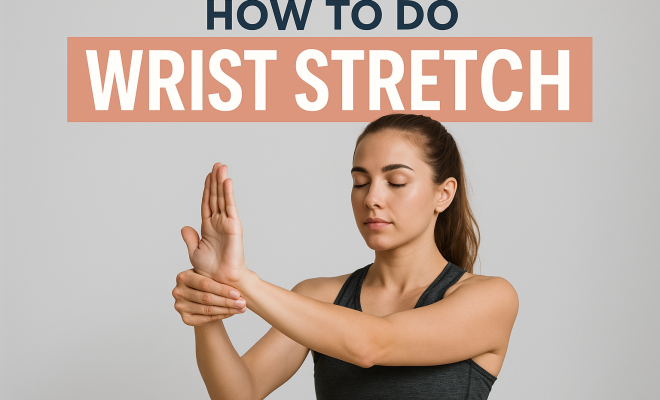
The wrist flexor stretch is one of the most basic yet effective stretches you can perform. It targets the muscles on the underside of your forearm, which can get tight from prolonged gripping or typing. To execute this stretch, extend one arm in front of you with your palm facing up. With your opposite hand, gently pull back on your fingers until you feel a stretch along the underside of your wrist and forearm. Hold this position for about 15-30 seconds, and then switch to the other hand.
It’s essential to perform this stretch slowly and gently to avoid overextending. Aim to include this stretch in your routine at least once every hour if you spend long periods at the keyboard. Not only does it prevent discomfort, but it also promotes blood circulation, which is vital for long-term wrist health.
2. Wrist Extensor Stretch: Balancing the Muscles
While the wrist flexor stretch focuses on the underside of the wrist, the wrist extensor stretch targets the opposite side. It helps to maintain muscle balance in your forearms. To perform this stretch, extend your arm in front of you with your palm facing down. Using your other hand, gently push down on the back of your fingers, bending your wrist until you feel a stretch along the top of your wrist and forearm. Hold the position for 15-30 seconds before switching sides.
This exercise is particularly beneficial for those who engage in activities that require prolonged wrist extension, such as playing musical instruments or sports like tennis. Incorporating this stretch into your routine can help alleviate tension and prevent injuries associated with repetitive strain.
3. Finger Stretch: Flexibility at Your Fingertips
Often overlooked, finger stretches are crucial for wrist health. They help in relieving tension that can affect your wrist indirectly. To do a finger stretch, simply spread your fingers apart as wide as possible and hold that position for a few seconds. You can also try making a fist and then releasing it, repeating the motion several times.
This exercise is especially useful for those who work extensively with their hands, as it improves dexterity and can help in reducing the risk of conditions like carpal tunnel syndrome. Regularly practicing finger stretches can enhance your hand function and overall grip strength.
4. Wrist Circles: Mobility and Flexibility
Wrist circles are a dynamic exercise that promotes mobility and flexibility in your wrists. This exercise is simple yet effective. To perform wrist circles, extend your arms in front of you with your palms facing down. Rotate your wrists in circular motions, first clockwise and then counterclockwise. Do this for about 15-30 seconds in each direction.
This exercise not only warms up your wrists but also enhances circulation. It’s particularly beneficial before engaging in activities that require intensive wrist movement, such as sports or typing. Regularly incorporating wrist circles into your routine can help maintain joint health and prevent stiffness.
5. Prayer Stretch: A Mindful Approach
The prayer stretch is a unique exercise that focuses on both stretching the wrists and enhancing mindfulness. To perform this stretch, bring your palms together in a prayer position at your chest. While keeping your palms pressed together, slowly lower them towards your waist while maintaining the contact. You should feel a stretch across your wrists and forearms. Hold this position for 15-30 seconds.
This exercise not only stretches the wrists but also encourages proper posture and relaxation. It’s a great stretch to do during breaks, especially if you’re feeling tense or stressed at work. Additionally, it reinforces the connection between your mind and body, making it a holistic approach to wrist health. (See: Wrist stretches and exercises.)
6. Wrist Flexion and Extension: Building Strength
Strengthening your wrists is just as important as stretching them. Wrist flexion and extension exercises can help build strength in your forearm muscles, thus providing better support for your wrists. To do this, you can use a lightweight dumbbell or even a water bottle. Sit with your forearm resting on your thigh and your wrist hanging off the edge. Hold the weight and curl your wrist upwards for flexion, then lower it back down for extension. Repeat this movement for 10-15 repetitions on both sides.
Incorporating these exercises into your routine can help in injury prevention, particularly for athletes or anyone engaged in repetitive wrist movements. Strong wrists are crucial for overall hand function and can enhance your performance in various activities.
7. Reverse Wrist Curl: Targeting the Extensors
Another effective strengthening exercise is the reverse wrist curl, which specifically targets the wrist extensors. Like the wrist flexion exercise, this one also requires a lightweight dumbbell. Sit with your forearm resting on your thigh, palm facing down. Hold the weight and curl your wrist upwards, focusing on the top of your forearm. Perform 10-15 repetitions, then switch to the other wrist.
This exercise is particularly beneficial for preventing injuries related to repetitive strain, such as tendinitis or carpal tunnel syndrome. By strengthening the extensors, you create a balance in your forearm muscles, reducing the risk of overuse injuries.
8. Stretch with a Resistance Band: Adding Resistance
Using a resistance band can enhance your wrist stretch exercises by adding an element of resistance that promotes strength and flexibility. To perform this exercise, secure a resistance band under your foot while holding the other end in your hand. With your palm facing up, slowly pull the band towards you, feeling the stretch in your wrist and forearm. Hold for a few seconds before releasing. Repeat this for both the flexor and extensor muscles.
This method provides a gentle stretch while also engaging your muscles, making it a great addition to your routine. Plus, resistance bands are portable and versatile, making them easy to incorporate into any fitness program or rehabilitation plan.
9. When to Seek Professional Help: Knowing Your Limits
While wrist stretch exercises can be incredibly beneficial, it’s crucial to know when to seek professional help. If you experience persistent pain, numbness, or weakness in your wrists, it’s time to consult a healthcare professional. Conditions like carpal tunnel syndrome or tendonitis may require more than just stretching and strengthening.
Additionally, if any of the stretches cause sharp pain, stop immediately and assess your form. Sometimes, adjusting your technique can make a significant difference. Engaging in regular wrist exercises is a proactive way to maintain wrist health, but be aware of your body’s signals.
10. Benefits of Wrist Stretch Exercises
Incorporating wrist stretch exercises into your daily routine can bring numerous benefits. First and foremost, these exercises help alleviate discomfort and pain associated with repetitive strain injuries. Studies have shown that regular stretching can significantly reduce tension in the muscles surrounding the wrist, thereby enhancing overall function.
Additionally, stretching improves circulation, which promotes healing and recovery. Improved blood flow can help flush out toxins and deliver essential nutrients to the affected areas. This is particularly important for individuals who spend long hours typing or performing similar tasks.
Another significant advantage is the enhancement of flexibility and range of motion. As you regularly practice wrist stretches, you’ll likely notice increased mobility, enabling you to perform daily activities with greater ease. This can be especially beneficial for athletes and musicians, where wrist mobility is crucial for performance.
11. Incorporating Wrist Stretch Exercises into Your Day
Finding ways to incorporate wrist stretches into your daily routine can make a world of difference. Here are some practical tips: (See: Ergonomics and wrist health.)
- Set Reminders: Use your phone or computer to set reminders every hour to take a stretching break.
- Integration During Activities: Perform wrist stretches while watching TV or during phone calls. It’s a great way to multitask.
- Workplace Culture: Encourage your workplace to implement stretching exercises during breaks or meetings to foster a healthier work environment.
- Mindfulness Moments: Try integrating mindfulness techniques with your stretches, focusing on your breath and the sensations in your wrist.
12. Expert Perspectives on Wrist Health
Insights from health professionals can provide valuable context on the importance of wrist stretch exercises. Physical therapists often emphasize the significance of preventive care in avoiding injuries. “Many individuals don’t realize that wrist pain can often be traced back to poor ergonomics and insufficient stretching,” says Dr. Jane Smith, a physical therapist with over ten years of experience. “Incorporating these stretches regularly can dramatically reduce their risk of developing chronic issues.”
Furthermore, ergonomics experts stress the importance of maintaining proper posture while working. “Your workspace should be set up to keep your wrists straight,” advises Mark Jones, an ergonomics consultant. “Even with the best stretches, if your posture is off, you’re likely to continue experiencing discomfort.”
13. Common Myths about Wrist Exercises
There are several myths surrounding wrist exercises that can mislead individuals. Here are a few common misconceptions:
- Myth 1: Stretching only helps if you have pain. Stretching is beneficial even if you don’t currently experience pain. It helps in maintaining flexibility and preventing future injuries.
- Myth 2: All wrist stretches are the same. Different stretches target various muscle groups in the forearm and wrist, so it’s essential to have a diverse routine.
- Myth 3: You should push through pain when stretching. This is misleading and can lead to injury. Stretch to the point of tension, not pain.
14. FAQs about Wrist Stretch Exercises
What are wrist stretch exercises?
Wrist stretch exercises are physical activities designed to improve flexibility, strength, and mobility in the wrist and forearm. They can help alleviate discomfort and prevent injuries associated with repetitive wrist movements.
How often should I do wrist stretches?
It’s advisable to incorporate wrist stretches into your routine at least once every hour, especially if you spend long periods typing or engaging in activities that strain your wrists.
Can wrist stretches help with carpal tunnel syndrome?
Yes, wrist stretches can be beneficial for individuals with carpal tunnel syndrome. They can help reduce tension and improve flexibility, which may alleviate some symptoms. However, it’s essential to consult a healthcare professional for a comprehensive treatment plan.
Is it safe to perform wrist stretch exercises while in pain?
If you experience sharp pain, it’s crucial to stop the exercises and consult a healthcare professional. Stretching should not cause pain; it should feel comfortable and relieving. If you have persistent pain, seek medical advice.
Can I do wrist stretches at my desk?
Absolutely! Many wrist stretches can be performed while seated at your desk. Just ensure you’re mindful of your posture and take breaks regularly to stretch your wrists and hands.
What tools can I use to assist with wrist stretches?
A variety of tools can enhance your wrist stretching routine. Resistance bands, stress balls, and even simple household items like a towel can be used for different stretches. Each tool can add variety and intensity to your exercises, accommodating your comfort level and needs.
Are there any specific wrist stretch exercises for athletes?
Athletes can benefit from targeted wrist stretches that focus on their specific sport. For example, tennis players might focus more on wrist extensors and flexors due to their repetitive swinging motion, while musicians, especially pianists, might prioritize finger stretches and flexibility exercises. Tailoring your routine to your activity can yield better results.
How long should I hold a wrist stretch?
Holding a wrist stretch for about 15-30 seconds is generally effective. Pay attention to your body’s signals; if you feel pain or discomfort, ease off the stretch. You can repeat each stretch 2-3 times, ensuring you give your muscles adequate time to relax and lengthen.
What are the signs I need to adjust my wrist stretch routine?
If you start to feel persistent pain, tingling, or numbness, it may be time to reassess your routine. Additionally, if you notice a decreased range of motion or increased stiffness in your wrists, consider consulting a healthcare professional. They can provide insights into adjusting your stretches and overall wrist care.
Incorporating these wrist stretch exercises into your routine can be life-changing for those who experience discomfort related to repetitive wrist movements. Whether you’re typing on a keyboard or enjoying a hobby, these exercises can help prevent injuries and maintain flexibility. Remember, consistency is key, so make these stretches part of your daily routine for optimal wrist health.
15. The Role of Ergonomics in Wrist Health
Understanding ergonomics is essential for maintaining wrist health, especially in today’s work environment, where many people spend hours at computers. Ergonomic setups aim to reduce strain by promoting proper posture and minimizing awkward wrist angles. Here are some key factors to consider:
- Work Surface Height: Your desk should be at a height where your elbows are at a 90-degree angle, allowing your forearms to rest comfortably. If your desk is too high or low, it can lead to wrist strain.
- Keyboard and Mouse Position: Keep your keyboard and mouse close to each other and at the same level. Your wrists should be flat or slightly declined when typing to avoid excessive bending.
- Chair Support: Use a chair that supports your lower back and allows you to keep your feet flat on the floor. Good lumbar support can reduce overall tension and improve your posture.
By focusing on ergonomics alongside wrist stretch exercises, you can create a holistic approach to wrist health that not only prevents pain but also enhances productivity and comfort.
16. The Impact of Technology on Wrist Health
With our increasing reliance on technology, the impact on wrist health cannot be overlooked. Devices like smartphones, tablets, and laptops contribute to repetitive strain injuries. A few statistics to consider:
- According to a study published in the Journal of Physical Therapy Science, nearly 40% of individuals who use computers regularly reported wrist pain.
- Research shows that smartphone use can lead to “texting thumb” or “cell phone elbow,” both of which can strain the wrist and forearm.
Being aware of these issues and taking preventive measures, such as regular wrist stretches and ergonomic adjustments, can significantly reduce the risk of developing long-term problems. Consider setting strict boundaries on screen time and incorporating tech-free breaks into your day to give your wrists a much-needed rest.
In summary, taking care of your wrists through effective stretching exercises and ergonomic practices is crucial in our tech-heavy world. With dedicated care and attention, you can maintain your wrist health and enjoy your daily activities without discomfort.
“`
Trending Now
Frequently Asked Questions
What are some effective wrist stretches?
Some effective wrist stretches include the wrist flexor stretch, which targets the underside of the forearm, and the wrist extensor stretch, focusing on the top of the wrist. Both stretches help alleviate discomfort and enhance flexibility, making them essential for anyone who spends extended time typing or using devices.
How do you perform a wrist flexor stretch?
To perform a wrist flexor stretch, extend one arm in front of you with your palm facing up. Use your opposite hand to gently pull back on your fingers until you feel a stretch in your wrist and forearm. Hold this position for 15-30 seconds, then switch to the other hand.
Why is it important to stretch your wrists?
Stretching your wrists is important to prevent discomfort and strain caused by prolonged activities like typing or using smartphones. Regular wrist stretches promote blood circulation and help maintain muscle balance, which is vital for long-term wrist health.
How often should you stretch your wrists?
It's recommended to perform wrist stretches at least once every hour, especially if you spend long periods at a keyboard. This routine helps to alleviate tension, prevent discomfort, and maintain flexibility in your wrists.
What is a wrist extensor stretch?
A wrist extensor stretch targets the top side of your wrist and forearm. To do this stretch, extend your arm with your palm facing down and gently push down on the back of your fingers with your other hand until you feel a stretch. Hold for 15-30 seconds before switching sides.
Agree or disagree? Drop a comment and tell us what you think.