Master Campfire Cooking: 10 Techniques for Delicious Outdoor Meals
“`html
Cooking over a campfire is more than just a way to prepare food; it’s an experience that connects you with nature and enhances the joy of outdoor adventures. Whether you’re backpacking in the woods, camping by a serene lake, or enjoying a backyard bonfire, mastering campfire cooking techniques can elevate your meals from mundane to memorable. In this article, we’ll explore ten vital techniques that will not only improve your campfire cooking skills but also make your outdoor culinary experience enjoyable and delicious.
1. Understanding Fire Types
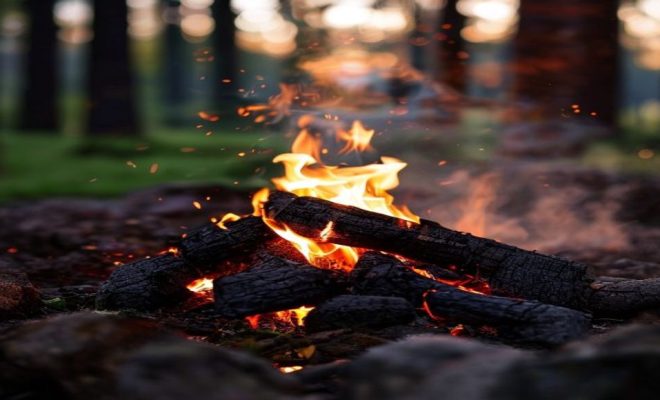
The first step in effective campfire cooking is understanding the different types of fires you can build. Generally, there are three common types: the cooking fire, the campfire, and the signal fire. For cooking, you’ll want a stable cooking fire, which is characterized by a moderate flame and a bed of glowing embers. This type of fire offers even heat that’s perfect for roasting, grilling, or simmering.
To create a cooking fire, start with a base of tinder—dry leaves or pine needles—followed by kindling, and finally, larger logs. Allow your fire to burn down until you have a good bed of hot coals. This preparation is crucial, as it’ll ensure your food cooks evenly and thoroughly.
2. Essential Cooking Equipment
When it comes to campfire cooking, having the right equipment can make all the difference. Essential tools include a sturdy grill grate, cast-iron cookware, skewers, and long-handled utensils. A grill grate is particularly useful for creating an even cooking surface over the flames, and cast-iron skillets are great for sautéing, frying, or baking, thanks to their heat retention properties.
Don’t forget to bring a reliable set of fireproof gloves and a heat-resistant container for water, which you’ll need both for cooking and for dousing the fire when you’re done. Additionally, portable racks or tripods can hold pots and pans over the fire, allowing you to cook a variety of dishes simultaneously.
3. Setting Up Your Cooking Area
Creating a designated cooking area is essential for safety and efficiency. Choose a flat, stable surface with a safe distance from the fire. If you’re camping in a designated site, you might find fire rings or grills already set up. If not, consider laying a tarp or using rocks to establish your workspace.
Make sure to organize your cooking supplies, ingredients, and tools within arm’s reach. This not only streamlines the cooking process but also minimizes the risk of accidents by keeping the cooking area tidy and easy to navigate.
4. Cooking Techniques: Direct vs. Indirect Heat
Understanding how to use direct and indirect heat is fundamental to mastering campfire cooking techniques. Direct heat involves cooking food directly over the flames, which is great for grilling meats and vegetables. To do this effectively, ensure the flames aren’t too high; you want a stable, manageable flame that gives you control over the cooking process.
Conversely, indirect heat is best for roasting and baking. To achieve this, you can place your food away from the flames, using embers or hot stones to provide an even heat source. A great example of this technique is placing a pot of stew in the hot coals to simmer for hours.
5. Mastering Cooking Methods: Grilling, Roasting, and Stewing
Grilling is one of the most popular methods for campfire cooking. For meats, marinate beforehand and skewer them for easy grilling. Vegetables can also be skewered or placed on a grill grate. Roasting is another fantastic method; simply wrap your food in aluminum foil and place it near the coals or on a grill grate for slow cooking.
Stewing is an excellent option for a hearty meal. With a cast-iron pot, you can combine various ingredients like meat, vegetables, and spices, adding water or broth, and let it simmer over the fire. This method allows flavors to meld beautifully, resulting in a comforting and filling dish. (See: Camping cooking techniques guide.)
6. Safety First: Fire Management
Safety should always be a top priority when cooking over an open flame. Keep a bucket of water or a fire extinguisher nearby in case of emergencies. Always monitor the fire, and never leave it unattended, especially if children are present. Make sure to maintain a safe distance between your cooking area and any flammable materials.
When it’s time to extinguish your fire, do so properly. Pour water over the fire until all embers are cool to the touch. Stir the ashes to ensure that no hot spots remain, and never assume the fire is out until you’ve thoroughly checked.
7. Preparing Ingredients Ahead of Time
Preparation is key to successful campfire cooking. Before heading out, spend some time prepping your ingredients. Chop vegetables, marinate meats, and portion out dry ingredients like spices or grains in resealable bags. This not only saves time at the campsite but also reduces the amount of cleanup you’ll need to do.
Consider simple meals that require minimal preparation, such as foil packets, which can be filled with a variety of ingredients and cooked directly over the fire. This method is not only convenient but also prevents food from sticking to pots and pans, making cleanup easier.
8. Exploring Unique Cooking Techniques
Once you’ve mastered the basics, consider experimenting with some unique campfire cooking techniques to impress your fellow campers. For instance, try baking bread in a cast-iron Dutch oven, which can be placed over the fire with coals on top for even heating. You can also create a solar oven using a reflective box to bake cakes or cookies in the sunlight.
Another fun technique is using a plank for grilling fish or vegetables. Soak a wooden plank in water, then place your food on it over the fire. The plank adds a subtle smoky flavor while keeping the food moist.
9. Cleanup and Leave No Trace
After a delightful campfire meal, it’s crucial to clean up properly. This includes collecting all food scraps, disposing of trash, and cleaning your cooking equipment. When cooking in nature, practice the Leave No Trace principles to minimize your impact on the environment.
Ensure that your cooking area is left as you found it, with no signs of your presence. Pack out what you brought in, and always dispose of waste properly to protect wildlife and preserve the beauty of nature for future campers.
10. Current Trends in Campfire Cooking
As outdoor cooking continues to evolve, new trends are emerging that cater to modern camping enthusiasts. From gourmet campfire recipes to portable cooking gadgets, the landscape of campfire cooking is shifting. Many campers are now exploring plant-based cooking options, incorporating fresh herbs, seasonal vegetables, and innovative recipes that can be prepared over a fire.
Social media platforms like Instagram have also played a significant role in popularizing campfire cooking techniques. Campers proudly showcase their culinary creations, inspiring others to experiment and share tips. With the rise of eco-conscious camping, there’s a growing emphasis on sustainable practices, such as sourcing local ingredients or utilizing foraged items, further enriching the campfire cooking experience.
11. The Role of Spices and Seasonings
When it comes to campfire cooking, the right spices and seasonings can elevate your dishes significantly. Many campers overlook this aspect, assuming that outdoor cooking means sacrificing flavor. However, with a little preparation, you can pack a small spice kit that includes essentials like salt, pepper, garlic powder, and your favorite herbs. Spice blends such as Italian seasoning, taco mix, or curry powder can add a whole new dimension to your meals.
Incorporating fresh herbs is another excellent way to enhance flavors. If you’re hiking, consider foraging for some wild herbs, such as wild garlic or mint. Just be sure you can accurately identify them to avoid any toxic plants. A sprinkle of freshly chopped herbs can make a simple grilled veggie or meat dish feel gourmet.
12. Campfire Baking: Tips and Tricks
Baking over a campfire might seem daunting, but with the proper techniques, you can whip up everything from muffins to pizzas. One effective method is using a cast-iron Dutch oven, which can hold heat well and distribute it evenly. If you’re baking bread, try making a simple no-knead dough, which requires minimal effort and can rise while you prepare your campsite. (See: Campfire safety and cooking tips.)
Another option is making pizza on a skillet. Pre-cook your dough partially, then add toppings, cover with a lid to trap heat, and let it cook over low flames until the cheese melts. If you don’t have a lid, you can create a makeshift one with aluminum foil. For desserts, consider using a pie iron to make delicious desserts like s’mores sandwiches or fruit pies right over the fire.
13. Cooking for Groups: Meal Planning
If you’re camping with a group, meal planning becomes even more critical. Prioritize meals that can be cooked in large quantities and appeal to various dietary preferences. One efficient way to divide meal prep is to assign each person or family a meal. That way, you can share the cooking responsibilities and avoid overwhelming one person with the task of cooking for everyone.
Consider meals that can be scaled such as chili, pasta dishes, or tacos. These meals allow for easy customization, so everyone can build their plates according to their tastes. Don’t forget to account for clean-up duties as well, to keep things running smoothly. Preparing a communal meal not only creates a sense of togetherness but also allows for shared experiences and bonding around the campfire.
14. Common Mistakes to Avoid
Even seasoned campers can make mistakes when it comes to campfire cooking. One common error is not letting the fire burn down sufficiently before cooking. Cooking over high flames can lead to unevenly cooked food and burnt exteriors. Always wait until you have a bed of hot coals and a stable flame before starting your meal.
Another mistake is packing too much food that requires refrigeration. Opt for ingredients that are easy to pack and don’t require precise temperature control, like canned goods, dried foods, and shelf-stable items. Lastly, many campers forget to bring enough utensils or equipment. Double-check your gear before you leave, ensuring you have everything needed for cooking and serving.
15. Frequently Asked Questions About Campfire Cooking Techniques
Q: What are the best foods to cook over a campfire?
A: Some favorites include hot dogs, marshmallows, burgers, vegetables, and potatoes. You can also cook more elaborate meals like stews and baked goods with the right equipment.
Q: Can you cook with aluminum foil?
A: Absolutely! Foil packets are perfect for cooking meats and veggies while preventing them from sticking to the grill. Just wrap your ingredients tightly and place them in the coals for even cooking.
Q: How do I keep food from burning over the fire?
A: To prevent burning, use indirect heat where possible, and monitor your food closely. Turn or rotate items as they cook, and adjust their distance from the flames as needed.
Q: Is it safe to cook in the woods?
A: Yes, but safety measures must be taken. Always cook in designated areas, manage your fire carefully, and keep a close watch on it. Be aware of your surroundings to avoid wildfires.
Q: Can I use my home cooking equipment while camping?
A: While you can bring some home cooking tools, ensure they’re suitable for outdoor use. Heavy equipment or anything that can’t withstand fire should be left at home.
Q: What should I do if it rains during my camping trip?
A: If it rains, make sure to have a waterproof covering for your cooking area. You can also prepare meals that are easier to cook under wet conditions, like soups or stews, which can simmer away on the coals.
16. Advanced Campfire Cooking Techniques
Once you’ve got the basics down, you might want to challenge yourself with some advanced campfire cooking techniques. One method is cooking with a haybox, a simple insulation box that allows food to cook slowly without any additional heat. You can use it to cook grains or stews after bringing them to a boil over the fire.
Another fun technique is using a clay pot to cook food. Simply wrap food in wet clay and place it in the hot embers. The clay will harden and create a seal, allowing the food to steam inside while keeping it moist and flavorful. Just be aware that this method may require some cleanup due to the clay residue.
17. Seasonal Ingredients for Campfire Cooking
Using seasonal ingredients can significantly enhance your campfire cooking experience. In spring, consider foraging for wild greens or ramps to add a fresh touch to your dishes. Summer is perfect for grilling fresh corn, tomatoes, and zucchini. Autumn brings hearty root vegetables like carrots and potatoes, which are excellent for stews. Winter camping can be cozy with comforting meals made from preserved foods like canned goods or dehydrated vegetables.
Understanding the seasons can help you plan meals that not only taste great but also utilize the freshest produce available, adding vibrancy to your campfire creations.
18. Inspirations from Around the World
Campfire cooking techniques are not just limited to traditional American practices; many cultures around the world have their unique approaches to cooking over open flames. For instance, in South America, Asado refers to a method of cooking meat on a grill or open fire, paired with chimichurri sauce for added flavor.
In India, you might encounter tandoori cooking, where marinated meats are baked in a clay oven. You can replicate this experience by using a Dutch oven or a grill setup that simulates indirect heat. Exploring these global techniques can inspire you to experiment with your campfire meals and introduce new flavors to your repertoire.
19. Essential Campfire Cooking Recipes
Here are a few simple recipes to get you started with campfire cooking:
- Campfire Chili: Brown ground beef in a cast-iron pot, add canned tomatoes, beans, corn, and chili spices. Let it simmer over the coals for about 30 minutes.
- Foil Pack Veggies: Mix chopped vegetables like bell peppers, zucchini, and onions with olive oil and seasonings. Wrap in aluminum foil and cook over the coals for 15-20 minutes.
- S’mores: No campfire is complete without this classic dessert! Roast marshmallows over the fire, then sandwich them between graham crackers with a piece of chocolate.
20. Conclusion: The Joy of Campfire Cooking
Cooking over a campfire is a rewarding skill that enhances your outdoor adventures. By mastering these top fifteen campfire cooking techniques and exploring new methods, you’ll not only delight your taste buds but also create lasting memories with friends and family around the fire. So grab your gear, prepare some delicious ingredients, and get ready to savor the magic of cooking in the great outdoors!
“`
Trending Now
Frequently Asked Questions
What are the best techniques for cooking over a campfire?
Some of the best techniques for campfire cooking include understanding fire types, using a stable cooking fire for even heat, and utilizing essential cooking equipment like grill grates and cast-iron cookware. Mastering these techniques can enhance your outdoor culinary experience.
What equipment do I need for campfire cooking?
Essential equipment for campfire cooking includes a sturdy grill grate, cast-iron cookware, skewers, long-handled utensils, fireproof gloves, and a heat-resistant container for water. These tools help ensure safe and effective cooking over open flames.
How do you start a campfire for cooking?
To start a campfire for cooking, begin with a base of tinder such as dry leaves or pine needles, add kindling, and then larger logs. Allow the fire to burn down until you have a good bed of hot coals, which provides even heat for cooking.
What types of fires are best for cooking?
The best type of fire for cooking is a stable cooking fire, which features a moderate flame and a bed of glowing embers. This setup provides the even heat necessary for roasting, grilling, or simmering food effectively.
Can you use cast iron over a campfire?
Yes, cast iron cookware is excellent for campfire cooking due to its heat retention properties. It can be used for sautéing, frying, or baking, making it a versatile choice for outdoor culinary adventures.
Have you experienced this yourself? We'd love to hear your story in the comments.