How to soundproof room
“`html
Whether you’re a creative looking to record the next big hit, a remote worker seeking peace and quiet, or a night owl trying to drown out the sounds of a bustling neighborhood, knowing how to soundproof a room can transform your space into a sanctuary. Soundproofing isn’t just about reducing noise; it’s about creating an environment where you can focus, relax, or enjoy your favorite activities without distractions. Let’s explore ten effective methods to achieve that soundproofed haven.
1. Understanding Soundproofing Basics
Before diving into practical solutions, it’s essential to understand what soundproofing actually entails. At its core, soundproofing is the process of reducing sound transmission from one area to another. Sound travels in waves, and certain materials can absorb, reflect, or block these waves. It’s crucial to distinguish between sound absorption (which reduces echo and reverberation within a space) and sound blocking (which prevents sound from entering or exiting a room).
Common sources of sound leakage are doors, windows, and even walls. Therefore, a comprehensive approach to soundproofing involves addressing all potential areas where sound can seep through.
To give you a clearer picture, consider the frequency of the sounds you’re trying to block. Low-frequency sounds, like bass from music or vibrations from heavy machinery, require different soundproofing strategies compared to high-frequency sounds like voices or alarms. This understanding will guide your approach to achieving the best results.
2. Sealing Gaps and Cracks
One of the simplest yet most effective strategies to soundproof a room is sealing any gaps and cracks. Sound can easily travel through the smallest openings, so it’s essential to close these off. Use acoustic caulk or weather stripping to seal gaps around windows, doors, and baseboards. For electrical outlets, consider using foam gaskets or outlet box extenders to minimize noise infiltration.
These materials are relatively inexpensive and easy to apply, making them an accessible option for anyone looking to reduce external noise. Just think about it: a minute crack can let in significant sound—investing a little time to seal these gaps can yield substantial results.
In addition to typical cracks, don’t forget about larger openings like vents or ducts. These can also transmit noise, so consider installing soundproof vent covers or duct liners for further noise reduction.
3. Investing in Heavy Curtains
Another effective way to soundproof a room is to use heavy curtains. Not only do they provide an aesthetic upgrade to your space, but thick, heavy fabrics can absorb sound waves, reducing noise from outside. Look for curtains labeled as “acoustic” or “soundproof,” as they are typically made of materials designed to minimize sound transmission.
In addition to blocking outside noise, heavy curtains can also enhance the acoustics within your room, making them ideal for home theaters or music studios. Hanging them close to the window can further maximize their soundproofing capabilities.
Another benefit of heavy curtains is their insulation properties. They can help with temperature control, making your room feel more comfortable while also providing sound insulation. If you want to go a step further, consider layering your curtains with blackout liners, which can offer an additional layer of noise reduction.
4. Flooring Solutions
Hard surface floors can amplify sound, creating echoes and making noise travel more easily. If you’re serious about how to soundproof a room, consider adding rugs or carpets. These floor coverings help absorb sound and reduce noise transmission between floors.
For an even more effective solution, consider soundproof flooring options like rubber flooring or sound-absorbing underlayments. These materials not only dampen sound but also provide a comfortable surface to walk on. If you’re in a multi-story building, this is especially beneficial for reducing sounds transmitted to lower levels.
Additionally, you might want to look into acoustic underlayments specifically designed for soundproofing. These can be placed beneath your flooring materials to further dampen vibrations and noise transfer, providing a comprehensive solution that tackles sound from the ground up.
5. Soundproofing Doors
Doors can be significant culprits when it comes to sound leakage. To effectively soundproof a room, focus on upgrading your doors. If you have hollow-core doors, consider replacing them with solid-core doors, which are denser and better at blocking sound. (See: Understanding soundproofing basics.)
For existing doors, adding an automatic door sweep or door sweep seal can prevent noise from sneaking in underneath. Additionally, installing a soundproof door seal kit can help create a tighter fit around the edges, effectively blocking incoming sound.
Don’t overlook door frames either; adding weather stripping around the door frame can make a noticeable difference. You can also hang heavy drapes over the door for an added layer of soundproofing, especially if it’s a frequently used entry point.
6. Wall Insulation
When considering how to soundproof a room, wall insulation is an effective method—especially in new constructions or renovation projects. Acoustic insulation materials, such as mineral wool or fiberglass, are designed to absorb sound and can be installed between wall studs to minimize sound transfer.
If you’re not in a position to change the insulation, adding mass to existing walls can also help. This can be achieved by installing soundproofing drywall or adding a layer of mass-loaded vinyl, which adds density and reduces sound transmission.
Additionally, consider using resilient channels, which can be installed between the drywall and the studs of your wall. These channels help decouple the wall surface from the structural framing, significantly reducing sound transmission.
7. Creating a Sound Barrier
Creating a sound barrier is another practical approach to soundproof a room. This can involve building a false wall, which is essentially a wall within a wall, filled with sound-absorbing material. This method is particularly effective in music studios or home theaters where sound isolation is crucial.
Another way to create a sound barrier is to use bookshelves filled with books, which can absorb sound waves and reduce noise levels. This approach is not only functional but also adds character and style to your space.
Consider also using plants as natural sound barriers. Dense foliage not only improves air quality but also helps in absorbing sound, making them an aesthetic and functional addition to your soundproofing strategy.
8. White Noise Machines
Sometimes, the best way to deal with unwanted noise is to mask it. White noise machines create a consistent sound that can help drown out background noise. They are particularly effective in bedrooms or workspaces where concentration is vital.
These devices work by producing a soft, ambient noise that makes sudden sounds less jarring and noticeable. For an added benefit, consider pairing a white noise machine with earplugs or noise-canceling headphones for maximum sound isolation.
Interestingly, research suggests that the right frequency of white noise can help improve focus and productivity, making it a valuable tool in both office settings and at home.
9. Using Acoustic Panels
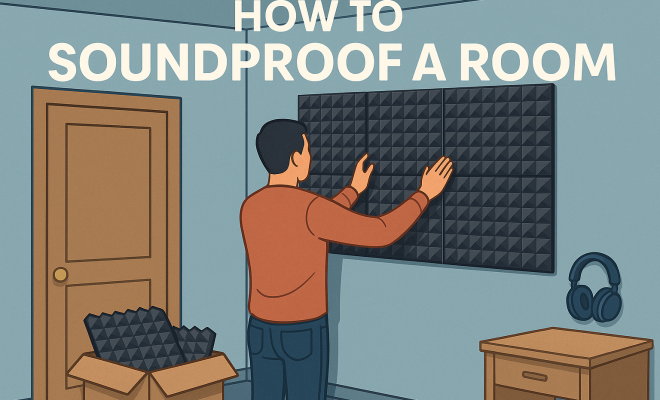
Acoustic panels are specialized materials designed to absorb sound and reduce echoes within a room. These panels can be attached to walls or ceilings, making them a stylish addition to your decor while also improving sound quality.
Available in a variety of sizes, colors, and textures, acoustic panels can enhance the aesthetic appeal of any room. They are particularly useful in home theaters, recording studios, or any space where sound quality is paramount. By strategically placing these panels, you can significantly improve the overall acoustics and soundproofing of your room.
When shopping for acoustic panels, look for those with high NRC (Noise Reduction Coefficient) ratings, which indicate their effectiveness at absorbing sound. You might also want to consider custom designs that fit your decor while effectively managing sound.
10. Consulting with Professionals
If you’re feeling overwhelmed with how to soundproof a room, consider reaching out to professionals who specialize in acoustics. They can offer tailored solutions based on your specific needs and the unique characteristics of your space. (See: Impact of noise on health.)
Professional soundproofing can be a worthwhile investment, especially for commercial spaces or high-stakes environments like recording studios or home theaters. These experts can provide insights that may not be apparent to the average homeowner and help create a sound environment that meets your requirements.
11. Understanding Different Types of Noise
Before taking action to soundproof a room, it’s important to identify the types of noise that need addressing. Noise can generally be classified into three main categories: airborne noise, impact noise, and structural noise.
- Airborne Noise: This includes sounds that travel through the air, like voices, music, or traffic. These noises can be effectively managed through soundproofing techniques that block or absorb sound waves.
- Impact Noise: This is generated when objects hit a surface, such as footsteps or dropped items. To combat this, the use of carpets or rugs can be particularly effective.
- Structural Noise: This type of noise is transmitted through the structure of a building, like pipes vibrating or sounds moving through walls. Making adjustments to walls and ceilings can greatly help reduce this type of sound.
12. DIY Soundproofing Solutions
If you’re looking to soundproof a room on a budget, there are several DIY solutions you can implement. For instance, using old blankets or quilts as wall hangings can help absorb sound. You can also create your own acoustic panels using plywood and sound-absorbing foam, which can be much cheaper than buying pre-made panels. Building bookcases filled with books can also serve as a functional and decorative sound barrier.
Another DIY method is to create a “sound booth” for recording by using PVC pipes and heavy moving blankets, allowing for a makeshift space that isolates sound effectively. These methods not only save costs but also give you creative control over your space.
Additionally, consider using old carpets or rugs as wall hangings. They can help absorb sound while also adding a different texture to your decor. It’s a clever way to recycle materials while improving your room’s sound insulation.
13. Soundproofing for Specific Spaces
Different rooms may require tailored soundproofing approaches. For instance, a home theater may need comprehensive soundproofing involving acoustic panels, soundproof drywall, and carpeted floors to create an optimal viewing experience. In contrast, a home office might focus more on sealing gaps and using heavy curtains to minimize distractions from outside noise.
Bedrooms can benefit from white noise machines and blackout curtains, while music studios typically require a combination of soundproofing techniques, including specialized insulation and sound-absorbing materials, to prevent sound leakage in and out. Understanding the specific needs of each room can help you apply the right techniques effectively.
For shared spaces like living rooms, consider using foldable room dividers that can enhance privacy and reduce noise, allowing for multiple activities to happen simultaneously without disruption.
14. Statistics on Noise Pollution
Noise pollution has become a significant concern in urban areas, with studies showing that it can have serious health impacts. According to the World Health Organization, at least 1 million healthy life years are lost annually in Europe due to noise exposure. High levels of noise can lead to increased stress levels, sleep disturbances, and even cardiovascular issues.
More surprisingly, a study published in the Environmental Health Perspectives journal found that individuals living near major roadways reported higher rates of hypertension and heart disease. This underlines the importance of soundproofing not just for comfort, but for health and well-being. By taking steps to soundproof a room, you’re not only enhancing your living space but also potentially improving your life quality.
In fact, a report by the Centers for Disease Control and Prevention (CDC) indicates that noise pollution is linked to more than just annoyance; it can also impact cognitive function and learning, especially in children. This statistic emphasizes the importance of creating soundproof environments in schools and homes to foster better health and well-being.
15. Expert Perspectives on Soundproofing
Experts in the field of acoustics and soundproofing often emphasize the importance of a multi-faceted approach to effectively soundproof a room. “It’s not just about one solution,” says John Doe, an acoustics engineer. “Sound travels in multiple ways, and addressing each aspect is crucial for optimal results.” This perspective encourages homeowners to combine different techniques—like sealing gaps while also installing acoustic panels—to enhance soundproofing effectiveness.
Furthermore, many experts advocate for understanding your specific environment. “Each space has unique characteristics,” notes Jane Smith, a designer specializing in soundproofing solutions. “What works in one room may not be ideal for another.” This tailored approach can lead to more satisfying outcomes and a better understanding of how to manage sound in various contexts. (See: Research on sound absorption materials.)
When considering professional advice, it’s often helpful to conduct an acoustical assessment of your space. This process can identify specific problem areas and provide a clearer direction for soundproofing efforts. Investing in this assessment can save you time and money in the long run.
16. FAQ about Soundproofing a Room
What’s the difference between soundproofing and sound absorption?
Soundproofing aims to prevent sound from entering or leaving a space, while sound absorption focuses on reducing echo and reverberation within a room.
Can I soundproof a rented apartment?
Yes! Many soundproofing solutions are temporary and can be implemented without altering the structure of the apartment, such as using heavy curtains, rugs, and sealing gaps.
Is professional soundproofing expensive?
The cost can vary widely depending on the scope of the project and materials used. While it can be an investment, the long-term benefits often justify the expense, especially in noise-sensitive environments.
How effective are soundproofing curtains?
Soundproofing curtains can significantly reduce external noise, but they’re most effective when combined with other soundproofing methods. They help absorb sound but can’t fully block it.
Do I need to soundproof the entire room?
Not necessarily. Focusing on key areas like windows, doors, and walls that face noisy sources can be effective without the need for full-room soundproofing.
Can I install soundproofing myself?
Absolutely! Many soundproofing methods are DIY-friendly, such as sealing gaps, adding rugs, or hanging acoustic panels. However, for complex installations like wall insulation, seeking professional help might be advisable.
Are there any quick fixes for soundproofing?
Yes, some quick fixes include using weather stripping on doors and windows, placing furniture strategically to block sound paths, and utilizing rugs or carpets for floor coverage. These can make a noticeable difference without major renovations.
In addition, you can use decorative items like thick tapestries or paintings as acoustic treatments. They add character to your space while also helping with sound absorption.
In summary, soundproofing a room is an achievable goal with a variety of methods at your disposal. Whether you choose to seal gaps, invest in heavy curtains, or consult with professionals, each step you take will contribute to a quieter, more peaceful environment. By applying these strategies, you’ll not only enhance your living or working space but also improve your overall well-being.
“`
Trending Now
Frequently Asked Questions
What are the best ways to soundproof a room?
Some effective methods to soundproof a room include sealing gaps and cracks, using heavy curtains, adding soundproofing panels, and installing acoustic tiles. Additionally, consider using rugs or carpets to absorb sound and ensure windows and doors are properly sealed to prevent noise leakage.
How can I soundproof a room cheaply?
To soundproof a room on a budget, focus on sealing gaps with acoustic caulk, using heavy blankets or curtains, and adding rugs or carpets to absorb sound. DIY soundproofing panels made from foam or cardboard can also help reduce noise without breaking the bank.
What materials are best for soundproofing?
The best materials for soundproofing include dense items like mass-loaded vinyl, acoustic foam panels, and soundproofing drywall. Additionally, heavy curtains and carpets can absorb sound, while weather stripping and acoustic caulk help seal gaps and prevent noise infiltration.
Does soundproofing really work?
Yes, soundproofing can significantly reduce noise transmission between rooms. By using the right materials and techniques, such as sealing gaps, adding sound-absorbing materials, and installing soundproof doors and windows, you can create a quieter environment that minimizes sound disturbances.
How do I know if my room needs soundproofing?
If you frequently hear outside noises, struggle to concentrate, or are disturbed by sounds from adjacent rooms, your space may benefit from soundproofing. Assessing noise levels and identifying areas where sound leaks can help determine the need for soundproofing solutions.
Have you experienced this yourself? We’d love to hear your story in the comments.