Master Price Alerts: Your Guide to Smarter Shopping
“`html
In today’s digital shopping landscape, consumers are continuously searching for ways to secure the best deals. One powerful tool that many overlook is the use of price alerts. Whether you’re tracking the price of a new laptop, waiting for that perfect moment to book flights, or hunting for the best deal on a new television, price alerts can be your secret weapon. In this comprehensive guide, we’ll explore the ins and outs of setting price alerts, their benefits, and how they can empower you in your shopping journey.
1. What Are Price Alerts?
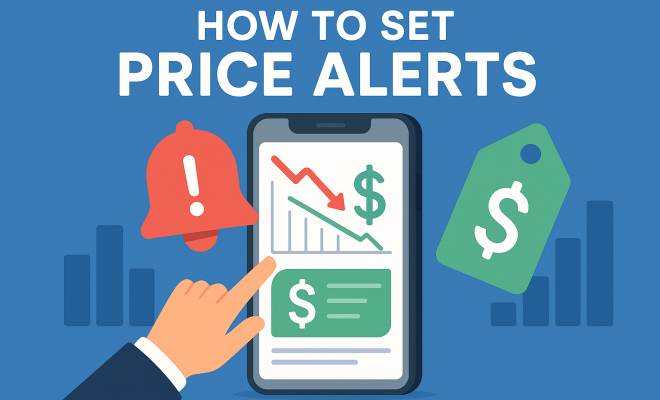
Price alerts are notifications that inform you when a product’s price drops to a specific level you’ve set. These can come in various forms, such as emails, app notifications, or browser alerts. By actively tracking prices, you can seize opportunities to purchase items at their lowest costs, ensuring you never overpay.
For instance, if you’ve been eyeing a particular gadget priced at $500, you can set a price alert to notify you when the price falls to $450. This way, you’re not just hoping for a sale — you’re actively participating in the market, equipped with real-time information.
2. The Benefits of Setting Price Alerts
There’s a myriad of advantages to utilizing price alerts in your shopping strategy. First and foremost, they save you money. By being notified of price drops, you can avoid paying full price and make more informed purchases.
Additionally, price alerts can save you time. Instead of checking multiple websites daily to compare prices, you can set up alerts once and let the system do the work for you. This efficiency is particularly beneficial during major sales events, like Black Friday or Cyber Monday, when prices fluctuate rapidly and opportunities can be fleeting.
3. How to Set Up Price Alerts
Setting up price alerts is generally straightforward, but the process can vary depending on the platform you choose. Let’s break it down into easy steps:
- Choose Your Platform: Decide whether you want to use a dedicated price tracking website, an app, or even retail sites that offer built-in price alert features.
- Create an Account: Most platforms will require you to create an account to set up alerts. This typically involves providing your email address and creating a password.
- Search for Your Product: Use the search function to find the item you want to track.
- Set Your Alert Threshold: Specify at what price point you want to be notified. This is crucial — setting it too low might mean missing out on good deals.
- Opt-In for Notifications: Ensure you enable notifications via email, SMS, or app alerts.
By following these steps, you’ll be well on your way to smarter shopping.
4. Best Platforms for Price Alerts
There are several platforms available that make setting price alerts easy and effective. Here are some of the best:
- Honey: This browser extension not only finds coupon codes but also lets you set price alerts on items across various retailers.
- CamelCamelCamel: Specifically for Amazon, this site tracks price history and can send alerts when an item hits your desired price.
- Google Shopping: You can create price alerts directly through Google by searching for products and setting alerts through their shopping feature.
- ShopSavvy: An app that allows you to scan barcodes and set price alerts across multiple retailers.
Choosing the right platform depends on your shopping habits and the types of products you frequently purchase.
5. Real-Life Examples of Successful Price Alerts
To truly understand the impact of price alerts, let’s look at some real-life scenarios. Imagine you’ve been watching a high-end camera priced at $1,200. After months of waiting, you set a price alert for $900. A week later, you receive a notification that the price has dropped. Thanks to your alert, you make the purchase just in time.
In another case, a savvy traveler sets a price alert for flights to Europe. She finds a round-trip ticket that usually hovers around $800. By setting her alert for $650, she’s notified when prices drop during a promotional sale, allowing her to book her dream vacation at a fraction of the expected cost. (See: how to save money when shopping online.)
These examples illustrate the power of price alerts — they’re not just notifications; they can lead to significant savings and enhance your overall shopping experience.
6. Common Pitfalls to Avoid
While price alerts can be immensely beneficial, there are common pitfalls to watch out for. One of the biggest mistakes is setting your price threshold too low. If you aim for an unrealistic price point, you might wait indefinitely for an alert that never comes.
Another issue is ignoring the alerts when they come in. It’s crucial to act quickly, especially for limited-time offers. Items can sell out or the price can bounce back before you know it. Stay vigilant and be ready to purchase when you receive a notification.
Lastly, be wary of fake alerts or spam. Always use reputable services to set your price alerts to avoid falling victim to scams.
7. Integrating Price Alerts with Other Tools
To maximize the effectiveness of your price alerts, consider integrating them with other budgeting and shopping tools. For example, combining price alerts with budgeting apps can help you maintain a clear financial picture while waiting for the right deal.
Additionally, using comparison sites alongside price alerts allows you to see if your target price is indeed a good deal. You might receive an alert for a laptop at $800, but if you find it cheaper elsewhere, you’ll want to jump on that opportunity instead.
Finally, if you’re part of loyalty programs or cashback sites, consider syncing these with your price alerts. This can ensure that you’re not only getting items at a lower price but also earning rewards or cashback on your purchases.
8. Current Trends in Price Alerts
As e-commerce continues to evolve, so do price alert systems. Many companies are investing in AI and machine learning to provide smarter, more personalized alerts. These systems can analyze your shopping habits and preferences, sending you targeted notifications that align closely with your interests.
Moreover, mobile apps are becoming increasingly popular for setting price alerts. The convenience of receiving notifications on-the-go means you can make quick decisions anytime, anywhere. Expect to see more retailers integrating these features directly into their apps, simplifying the process even further.
9. Price Alerts: Are They Worth It?
With all the benefits and potential pitfalls discussed, you may wonder: are price alerts truly worth it? The answer generally leans towards yes, but it depends on individual shopping habits and needs. If you often purchase high-ticket items or engage in seasonal shopping, price alerts can save you considerable money over time.
For instance, a study found that consumers using price alert tools saved an average of 20-30% on electronics. If you plan to buy a new smartphone every couple of years, that could mean hundreds of dollars saved. Those savings can then be allocated toward other purchases, investments, or even experiences like travel.
However, for everyday low-cost items, the benefits may not be as pronounced. In those cases, it might be more beneficial to simply browse periodically or utilize sales during seasonal promotions. Ultimately, the decision to use price alerts should align with your shopping habits and the types of items you purchase regularly. (See: spot deals and avoid scams.)
10. Expert Perspectives on Price Alerts
Many financial experts endorse the use of price alerts as a savvy shopping tool. Financial planner Jane Doe states, “Setting price alerts is a proactive way to manage your budget. It allows you to make thoughtful purchasing decisions rather than impulse buys.” Additionally, e-commerce consultant John Smith emphasizes the importance of technology in modern shopping: “In today’s fast-paced market, utilizing tools like price alerts is essential to staying savvy and financially responsible.”
These expert insights reinforce the idea that price alerts can significantly enhance your shopping strategy, enabling you to make informed decisions that align with your financial goals.
11. Frequently Asked Questions about Price Alerts
What types of products can I set price alerts for?
You can set price alerts for a wide variety of products, including electronics, home goods, clothing, and travel bookings. Almost any item sold online can potentially have a price tracking feature, depending on the platform you use.
How often should I check for price alerts?
Once you’ve set your alerts, there’s generally no need to check constantly. Depending on the platform, you may receive notifications via email or app, allowing you to focus on other tasks. However, it’s a good idea to keep an eye on major sales events when prices fluctuate rapidly.
Can I set multiple alerts for the same product?
Yes, most platforms allow you to set multiple alerts for the same product at different price points. This can be particularly useful if you want to monitor gradual price changes or are willing to purchase at varying levels.
Are there any fees associated with using price alert services?
Most price alert services are free to use, but some may offer premium features that require a subscription or one-time payment. Always read the terms before signing up to ensure you’re aware of any potential costs.
What should I do if I receive an alert for a product I no longer want?
If you receive an alert for a product that no longer interests you, simply update or delete your alert on the respective platform. Most services allow you to manage your alerts easily through your account settings.
12. Tips for Maximizing Your Savings with Price Alerts
To get the most out of your price alerts, here are some actionable tips:
- Research Price Trends: Before setting your alert, research the price history of the product. Websites like CamelCamelCamel can help you understand how often the price fluctuates, making it easier to set realistic thresholds.
- Combine Alerts with Cashback Offers: When you receive a price alert, check if there are any cashback offers available. Combining these two strategies can lead to even greater savings.
- Be Flexible: Sometimes, the product you want may be out of stock or you might find a similar item that meets your needs. Stay flexible and consider alternatives if your alert goes off for a product that’s no longer available.
- Adjust Alerts as Needed: If you notice that you’re frequently getting alerts but not purchasing, consider adjusting your threshold or the products you’re monitoring.
With these tips, you’ll be better positioned to leverage price alerts effectively.
13. Understanding Price History and Trends
Knowing the price history of an item can significantly enhance your effectiveness with price alerts. Tools like CamelCamelCamel for Amazon or Honey for various retailers offer comprehensive price tracking features that can show you how a product’s price has changed over time. This information can help you decide whether to set a price alert now or wait for a better deal.
For example, if you notice that a particular laptop has experienced multiple price drops over the last few months, it may be wise to set a price alert slightly above the average low price. This way, you’re more likely to catch the next sale.
Understanding seasonal trends is also beneficial. Many products, especially electronics, see significant sales during holidays or back-to-school seasons. By combining price alerts with seasonal buying patterns, you can maximize your savings.
14. Future of Price Alerts
As technology continues to advance, the future of price alerts looks promising. Innovations in artificial intelligence could lead to even more personalized alerts, giving users real-time insights tailored to their preferences. For example, imagine a system that not only alerts you when a TV you’ve been eyeing goes on sale but also suggests alternative models based on your previous purchases and browsing history.
Moreover, with more retailers offering advanced shopping tools, integrating price alerts into social shopping experiences might become commonplace. Users could receive alerts through social media platforms, enabling them to act quickly on deals shared by friends or influencers.
As these developments unfold, staying informed about new features and services will become increasingly important for savvy shoppers looking to maximize their savings.
15. Conclusion: Why You Should Start Using Price Alerts Today
In a world where prices fluctuate at lightning speed, setting price alerts can be a game-changer for savvy shoppers. They empower you to take control of your purchasing power, ensuring you never miss out on great deals while saving time and money.
As you venture into your next shopping spree, consider implementing price alerts as a regular strategy. With the right tools and a little preparation, you can enhance your shopping experience and make every purchase count.
So, are you ready to revolutionize your shopping habits with price alerts? Start setting them today and watch your savings grow!
“`
Trending Now
Frequently Asked Questions
What are price alerts and how do they work?
Price alerts are notifications that inform you when a product's price drops to a specified level. They can be received through emails, app notifications, or browser alerts, allowing you to act quickly and purchase items at their lowest prices.
What are the benefits of setting price alerts?
Setting price alerts can save you money by notifying you of price drops, helping you avoid overpaying. They also save time by eliminating the need to constantly check prices across multiple websites.
How do I set up price alerts?
To set up price alerts, first choose a platform that offers this feature. Then, specify the product you want to track and set your desired price point for notifications when the price drops.
Can I use price alerts for travel bookings?
Yes, price alerts can be particularly useful for travel bookings. You can set alerts for flight prices or hotel rates, ensuring you get the best deals when prices drop.
Are price alerts effective during sales events?
Absolutely! Price alerts are especially effective during major sales events like Black Friday or Cyber Monday, as they help you track rapidly changing prices and seize opportunities for significant savings.
Agree or disagree? Drop a comment and tell us what you think.