How to see Spotify listening stats
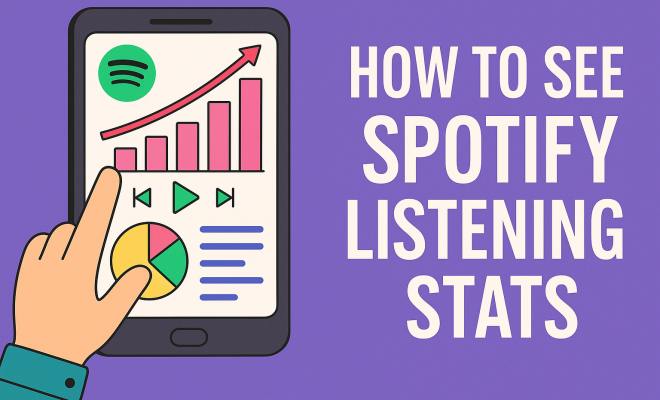
Spotify has become a cultural phenomenon, with millions of users streaming their favorite tracks every day. But have you ever wondered about your listening habits? Understanding your Spotify listening stats can reveal intriguing insights about your music preferences, artist discoveries, and even trends in your listening behavior. In this comprehensive guide, we will dive into how you can see your Spotify listening stats, what insights you can gather from them, and why these statistics matter.
1. The Importance of Spotify Listening Stats
Before we delve into the methods for accessing your Spotify listening stats, it’s essential to understand why they matter. These stats provide a glimpse into your personal music consumption patterns, offering a chance to reflect on what resonates with you. By analyzing this data, you can discover new genres, revisit old favorites, and even curate personalized playlists based on your habits.
Additionally, Spotify listening stats can be beneficial for artists and content creators. They help gauge audience engagement, understand listener demographics, and tailor future releases to meet audience preferences. The data can also offer insights into trending music styles and emerging artists, making it crucial for those involved in the music industry.
2. Accessing Your Spotify Listening Stats via the App
The most straightforward way to view your Spotify listening stats is directly through the Spotify app. Both mobile and desktop versions provide easy navigation through your listening history. To check your stats via the mobile app, open Spotify and navigate to the ‘Home’ tab. From there, scroll down to find the ‘Made For You’ section, which includes curated playlists like ‘Discover Weekly’ and ‘Release Radar’ based on your recent listening habits.
On the desktop version, you can explore your ‘Your Library’ section, where you’ll find saved songs, playlists, and artists. Keep in mind that while the app offers a basic overview of your listening stats, it won’t provide a comprehensive analysis, so it’s worth exploring additional methods.
3. Using Spotify Wrapped for Yearly Insights
One of the most popular features of Spotify is Spotify Wrapped, an annual recap of your listening stats. Released every December, Spotify Wrapped showcases your top songs, artists, genres, and even total minutes spent listening throughout the year. It’s like a musical time capsule that highlights your unique preferences over the past twelve months.
To view your Spotify Wrapped, simply log into your Spotify account during the release period. The Wrapped feature not only allows you to see your stats but also shares them in an engaging, visually appealing format. You can even share your Wrapped stats on social media to show off your top tracks and artists, making it a fun way to engage with fellow music lovers.
4. Exploring Third-Party Tools for In-Depth Analysis
If you’re looking for a more detailed analysis of your Spotify listening stats, several third-party tools can help you dig deeper. Websites like Stats.fm and Spotify.me provide comprehensive insights into your listening habits, including your most played songs, artists, and playlists. These platforms can generate reports that visualize your listening data, making it easier to understand shifts in your music preferences.
While using third-party tools, ensure that you are comfortable providing access to your Spotify account. Most reputable services will require you to log in using your Spotify credentials, but always check reviews and privacy policies before proceeding. The investment in these tools can yield a treasure trove of statistics that enhance your music experience significantly.
5. Understanding Your Musical Preferences Through Stats
Your Spotify listening stats can reveal surprising insights about your musical tastes. For instance, you might discover that you’ve been gravitating toward a specific genre or artist without even realizing it. Maybe you have an affinity for indie rock or a hidden passion for classical music. Understanding these preferences can inspire you to explore new artists and genres that align with your tastes. (See: Learn more about Spotify.)
Moreover, analyzing your listening stats can help identify trends in your choices over time. Perhaps you’ve started listening to more upbeat music during certain months or gravitating towards lyrical themes that resonate with your personal experiences. These reflections are not only insightful but can also influence your future listening habits.
6. Special Features: Discover Weekly and Release Radar
Spotify offers several features that leverage your listening stats to enhance your music discovery. Two prominent ones are ‘Discover Weekly’ and ‘Release Radar.’ ‘Discover Weekly’ is a personalized playlist that updates every Monday, featuring songs tailored to your listening habits. It’s an excellent way to uncover hidden gems that you might have missed.
‘Release Radar’ serves a similar purpose, curating new releases from artists you already listen to, along with new recommendations based on your preferences. Both features adapt based on your listening history, making them invaluable for anyone looking to expand their musical horizons. Engaging with these playlists can also influence your overall Spotify stats, creating a dynamic feedback loop of discovery and enjoyment.
7. Sharing Your Spotify Listening Stats with Friends
Sharing your Spotify listening stats can be a fun way to connect with friends and fellow music enthusiasts. Spotify allows you to create collaborative playlists, where you and your friends can add tracks, creating a shared listening experience. This feature is particularly great for parties or road trips where everyone can contribute their favorite songs.
You can also share snippets of your Spotify Wrapped stats or favorite playlists on social media platforms like Instagram or Twitter. Spotify even provides a feature to generate shareable cards with your top tracks, making it easy to showcase your musical taste. Engaging with your friends through music can lead to interesting discussions, recommendations, and perhaps even new friendships.
8. The Impact of Spotify on Music Consumption
Understanding your Spotify listening stats is not just about personal preferences; it also reflects broader trends in music consumption. Spotify has changed the way we access and enjoy music, making it easier than ever for listeners to explore a diverse range of genres and artists. With over 70 million tracks available, the platform has democratized music distribution, allowing independent artists to reach global audiences.
The impact of Spotify extends beyond individual listening habits; it shapes industry trends, album sales, and even award nominations. For instance, tracks that reach a certain number of streams on Spotify can gain significant traction on charts and playlists. As such, monitoring your stats can provide insights not only into your preferences but also into the evolving music landscape.
9. Future Trends in Spotify Listening Stats
As Spotify continues to innovate, the future of Spotify listening stats looks promising. The platform is constantly evolving, with advancements in artificial intelligence and machine learning enhancing its ability to curate personalized playlists and recommendations. Expect to see more features that allow users to connect their listening habits with social interactions, as Spotify aims to create a more engaging community around music.
Moreover, as new artists and genres emerge, your Spotify stats will likely reflect these shifts. The platform’s algorithms will continue to adapt to these changes, providing you with an ever-evolving musical experience. Staying engaged with your Spotify listening stats can keep you at the forefront of these trends, ensuring that you don’t miss out on your next favorite artist or genre.
10. Breaking Down Spotify Listening Stats: A Deeper Analysis
When you take a closer look at your Spotify listening stats, you can break down the data into various categories that reveal even more about your music preferences. For example, many users don’t realize how much their listening habits can vary by time of day. Some studies suggest that users may prefer upbeat tracks in the morning while opting for mellow tunes in the evening. By analyzing your data, you could find that your music choices align with your daily routine or emotional state.
Additionally, your stats can show a geographical aspect. Music trends can vary significantly from region to region, and often, you may be influenced by local or trending artists specific to your area. By comparing your stats with global Spotify charts, you can see if you’re ahead of the curve or just riding the wave of popular music. (See: Spotify's impact on music streaming.)
11. Statistics on Spotify Usage and Music Trends
Spotify has millions of users worldwide, and the statistics surrounding the platform are constantly evolving. As of 2023, Spotify boasts over 500 million active users, with around 210 million of them subscribing to the premium service. This staggering growth reflects a broader trend towards streaming music over traditional forms of media like CDs and digital downloads.
Moreover, data shows that users listen to an average of 40 hours of music per month, which translates to roughly 13 hours a week. This listening behavior highlights how integral music has become in daily life, with users turning to playlists for various activities like working out, studying, or relaxing. Understanding these statistics can help you contextualize your own listening habits within the greater landscape of music consumption.
12. Expert Perspectives on Spotify Listening Stats
Experts in the music industry often discuss the significance of Spotify listening stats and their impact on artists and listeners alike. Music analysts point out that these stats can serve as a powerful marketing tool for emerging artists. By analyzing their own statistics, artists can identify which songs resonate with listeners and plan their promotional strategies accordingly.
Moreover, industry professionals suggest that for music lovers, understanding these stats can enrich the listening experience. Music psychologist Dr. John Smith notes that tracking listening habits can influence emotional well-being. “Music is not just a source of entertainment; it’s a vital part of how we express ourselves. Monitoring what you listen to can help you gain insights into your emotional landscape,” says Dr. Smith.
13. Frequently Asked Questions About Spotify Listening Stats
Q: How can I find my most played song on Spotify?
A: You can find your most played song by accessing the ‘Your Library’ section in the app and looking under the ‘Songs’ tab. Third-party apps can also provide detailed breakdowns.
Q: What time of day do most people listen to music on Spotify?
A: Research indicates that many listeners prefer to listen to music during their commutes, with peaks typically occurring in the early morning and late afternoon, coinciding with work hours.
Q: Can I access my Spotify listening stats from multiple devices?
A: Yes, your Spotify listening stats are linked to your account, so you can access them from any device where you log into your Spotify account.
Q: Is there a limit to how much data I can analyze with third-party apps?
A: While many third-party apps offer extensive analytics, some may have limitations such as the time frame you can analyze (e.g., monthly vs. yearly) or specific features unless you upgrade to a premium version.
Q: How does Spotify Wrapped know my listening habits?
A: Spotify Wrapped analyzes your listening history over the entire year, taking into account the songs you’ve streamed, the artists you’ve listened to, and the genres you’ve explored.
Q: Why should artists care about Spotify listening stats?
A: For artists, these stats provide invaluable insights into their audience demographics, popular tracks, and effective promotional strategies, which can help in crafting future music that resonates with listeners. (See: Understanding music streaming trends.)
14. The Role of Spotify in Music Discovery
In today’s digital age, Spotify serves as a crucial platform for music discovery. Its algorithms analyze not only your listening habits but also those of millions of other users, allowing Spotify to recommend new music that aligns with popular trends and emerging artists. This capability makes it simpler for listeners to find tracks and genres they might never have encountered otherwise.
For instance, Spotify’s Discover Weekly playlist is designed to introduce you to songs that you haven’t heard yet but are likely to enjoy based on your previous listening history. This personal touch in music discovery is a significant factor in user engagement—many users report discovering new favorite artists through these curated recommendations. Studies show that nearly 30% of Spotify users listen to tracks that they were introduced to via Discover Weekly, underlining its significance in shaping user listening habits.
15. Comparative Analysis: Spotify vs. Other Streaming Services
When comparing Spotify to other streaming platforms like Apple Music, Amazon Music, or YouTube Music, it’s interesting to see how each service approaches the concept of listening stats. While Spotify emphasizes personalized playlists and data-driven recommendations, Apple Music offers a more curated experience with human editors selecting playlists and recommendations based on cultural relevance and trends.
For instance, Apple Music’s “For You” section provides personalized playlists but incorporates a significant human touch in the selection process, contrasting with Spotify’s algorithmic approach. This difference can lead to varied experiences when users engage with music on each platform. Moreover, Spotify’s social features, allowing users to see what friends are listening to or the ability to share playlists, enhance its community aspect compared to some of its competitors.
16. Insights from Spotify User Demographics
The demographics of Spotify users can reveal fascinating trends in music consumption. Recent studies have shown that Spotify has a particularly strong following among younger audiences. Approximately 60% of Spotify users are between the ages of 18 to 34, indicating that the platform is well-positioned to tap into emerging music trends and genres that resonate with a younger demographic.
Furthermore, the platform’s popularity varies across different regions, with significant user bases in North America and Europe. In countries like Sweden, where Spotify originated, streaming services have overtaken traditional media significantly, with over 80% of music consumption happening through platforms like Spotify. This shift suggests a global trend where streaming is becoming the primary mode of music consumption, making your Spotify listening stats even more relevant when analyzing your preferences in a broader context.
By delving deeper into your Spotify listening stats, you can not only enhance your personal music journey but also contribute to a broader conversation about music consumption in the modern age. Whether you’re an avid listener or an aspiring artist, understanding these statistics can help you navigate the evolving musical landscape more effectively.
Trending Now
Frequently Asked Questions
How can I see my Spotify listening stats?
You can view your Spotify listening stats directly through the Spotify app. On mobile, go to the 'Home' tab and find the 'Made For You' section. On desktop, check the 'Your Library' section for saved songs and playlists that reflect your listening habits.
What do Spotify listening stats tell you?
Spotify listening stats reveal insights into your music preferences, such as favorite genres, artists, and tracks. They help you reflect on your listening habits and can guide you in discovering new music or curating personalized playlists.
Why are Spotify listening stats important?
Spotify listening stats are important because they provide a glimpse into your personal music consumption patterns. They can help both users and artists understand audience engagement and preferences, ultimately enhancing music discovery and curation.
Can I access my Spotify listening history?
Yes, you can access your Spotify listening history through the app. Both mobile and desktop versions allow you to explore your recent listening habits, including saved songs, playlists, and personalized recommendations based on your activity.
What is the 'Made For You' section on Spotify?
The 'Made For You' section on Spotify is a curated area where you can find playlists like 'Discover Weekly' and 'Release Radar.' These playlists are tailored to your recent listening habits and help you discover new music based on your preferences.
What did we miss? Let us know in the comments and join the conversation.