Revolutionizing Cancer Care: The Dawn of Advanced Proton Therapy Technology
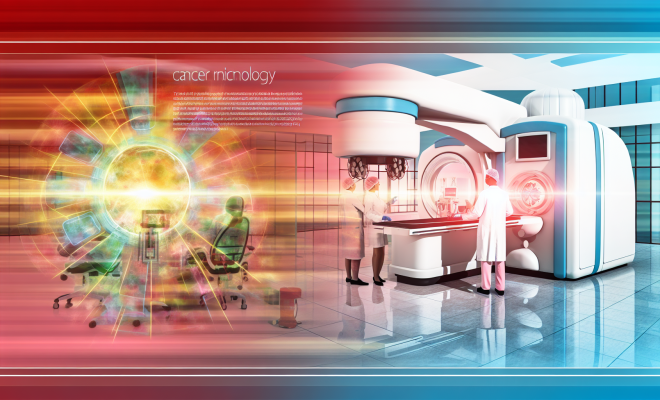
In a significant breakthrough for cancer treatment, a hospital in California has unveiled a state-of-the-art proton therapy machine on April 10, 2026. This innovative technology promises to transform the landscape of oncology by delivering highly targeted radiation to tumors, drastically reducing damage to surrounding healthy tissues. This advancement comes at a crucial time when the need for effective and less invasive cancer treatments is more pressing than ever.
The Promise of Proton Therapy
Proton therapy is a form of radiation treatment that utilizes protons rather than traditional X-rays. The primary advantage of this method lies in its precision; protons can be directed to deliver radiation directly to the tumor, minimizing exposure to adjacent healthy cells. This precision not only reduces side effects but also potentially enhances the effectiveness of the treatment.
Addressing Previous Limitations
Historically, proton therapy has faced two significant barriers: high costs and the large size of treatment machines. The newly unveiled machine addresses these challenges by being more compact and cost-effective. Experts believe that the reduction in size will pave the way for the installation of these machines in more hospitals across the country and around the globe, making proton therapy accessible to a larger population of patients.
Clinical Implications and Expert Opinions
The introduction of this advanced proton therapy technology is being hailed as a potential game-changer in the oncology field. Experts emphasize that this innovation could lead to improved patient outcomes and higher survival rates for various types of cancers. With fewer side effects associated with treatment, patients may experience a better quality of life during and after therapy.
While specific statistics on adoption rates and treatment outcomes with the new technology have not yet been released, the enthusiasm from medical professionals is palpable. Many oncologists are optimistic that the enhanced precision of proton therapy will lead to more tailored treatment plans for patients, further personalizing cancer care.
The Broader Impact on Healthcare
The implications of this technology extend beyond individual patient care. By making proton therapy more accessible, healthcare systems worldwide could witness a shift in how cancer is treated. The broader availability of advanced cancer therapies could lead to earlier detection and treatment, ultimately improving survival rates.
Moreover, as more institutions adopt this cutting-edge technology, the overall costs associated with proton therapy are expected to decrease. This could make it a viable option for more patients, including those who previously could not afford such specialized care.
The Future of Cancer Treatment
As the healthcare community prepares for the rollout of this advanced proton therapy machine, ongoing research and clinical trials will be crucial to further understanding its efficacy. Continuous improvements and innovations in cancer treatment technologies will likely reshape the standards of care and offer new hope to those diagnosed with cancer.
In addition to the technology itself, the training and education of medical professionals will be vital in maximizing the benefits of proton therapy. Hospitals will need to ensure their staff is well-equipped to operate the new machines and provide the best possible care to patients.
Conclusion
The unveiling of this groundbreaking proton therapy machine marks a pivotal moment in cancer treatment. With its potential to deliver precise and effective radiation therapy while minimizing harm to healthy tissue, it offers new hope to millions battling cancer. As the healthcare industry embraces this advancement, the future of oncology looks brighter, with the promise of improved patient outcomes and a more humane approach to treatment.
As we look ahead, it is essential for healthcare providers, researchers, and policymakers to collaborate in bringing this technology to a wider audience, ensuring that every patient has access to the best possible care in their fight against cancer.