Best Budget Calculators Under $20
“`html
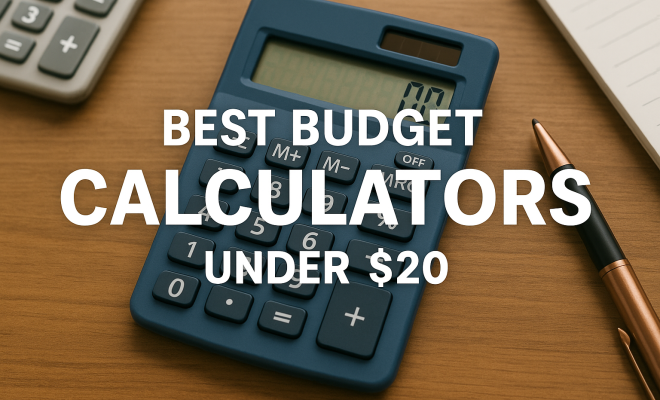
Managing finances can sometimes feel like navigating a maze, especially when it comes to budgeting. Whether you’re trying to save for a vacation, pay off debt, or simply keep track of your monthly expenses, having the right tools makes all the difference. Thankfully, you don’t need to break the bank to get an effective calculator for your budgeting needs. In this article, we’ll explore the best budget calculators under 20 dollars that can help you stay on top of your finances without draining your wallet.
1. Texas Instruments TI-30XS MultiView
The Texas Instruments TI-30XS MultiView is a scientific calculator that offers a range of features ideal for students and professionals alike. Priced just under $20, this calculator boasts a multi-line display that allows users to view multiple calculations at once. This feature is especially useful when you’re trying to track income, expenses, and savings simultaneously.
One standout feature of the TI-30XS is its ability to handle fractions, percentages, and conversions, making it perfect for calculating budgets in various formats. Moreover, it’s designed to be user-friendly, with an intuitive layout that minimizes the learning curve. The battery-operated device ensures you won’t have to worry about your calculator dying on you at the most inconvenient times.
2. Casio fx-300ES Plus
The Casio fx-300ES Plus is another fantastic choice for anyone looking for a reliable budget calculator. It combines versatility and ease of use, featuring a natural textbook display that shows equations just like they appear in textbooks. This makes it easier to follow your calculations and understand your financial data.
With over 240 functions, including fractions, statistics, and scientific notation, this model can be an excellent companion for comprehensive budgeting. Its affordability—typically under $20—makes it an attractive option for students or anyone indifferent to complex financial tracking.
3. Sharp EL-531TGBBW
The Sharp EL-531TGBBW is an advanced scientific calculator with a sleek design and robust features. This device is not just a calculator; it’s a tool that can help streamline your budgeting tasks. It offers a variety of functions, including financial calculations that are vital when managing expenses, budgeting, and forecasting future financial outcomes.
One of the most appealing aspects of the Sharp EL-531 is its affordability, falling comfortably within the budget category. It includes a large display for easy reading and is designed to be durable—perfect for years of use. With its low price tag, you get a high-quality calculator that can handle more than just basic arithmetic.
4. HP 10s+ Scientific Calculator
The HP 10s+ is a solid contender in the world of budget calculators. It’s not only affordable, typically retailing under $20, but also offers a range of scientific functions. This makes it suitable for students studying mathematics or anyone managing complex budgets.
What sets the HP 10s+ apart is its ability to perform both statistical and financial calculations. This is particularly useful if you’re looking to analyze past expenses or project future savings. Its ergonomic design ensures comfort during prolonged use, while the dual power options (solar and battery) mean reliability in any situation. (See: importance of financial literacy.)
5. Viking VCT-300
If you’re looking for simplicity, the Viking VCT-300 is an excellent choice. Often priced well below $20, this basic calculator is easy to use and understand, making it a great option for anyone who wants a straightforward budgeting tool without the bells and whistles.
While it may lack advanced functions, the Viking VCT-300 still gets the job done with basic arithmetic calculations. It features a clear display and a compact design, perfect for anyone who values portability. This is a great choice for those who want to keep their budgeting process simple and effective.
6. Canon P23-DH V
The Canon P23-DH V is a pocket-sized financial calculator that combines style and functionality. This model stands out for its user-friendly interface and specialized functions geared towards budgeting, including tax calculations and currency conversions.
With a price tag around $15, it’s easy on the wallet. The large display makes it easier to read your numbers, reducing the chances of errors in your calculations. It’s powered by solar energy, making it an environmentally friendly option for those conscious about sustainability while budgeting.
7. koolertron Pocket Calculator
The koolertron Pocket Calculator is another budget-friendly option that fits comfortably within the under $20 range. It’s designed with simplicity in mind, offering basic functions that allow you to easily keep track of your expenses and savings.
What makes this calculator particularly appealing is its compact size, perfect for slipping into your bag or purse. This portability means you can check your budget on-the-go, ensuring you stay on track wherever you are. The koolertron also comes with a clear display, making it user-friendly for all ages.
Choosing the Right Budget Calculator for You
When it comes to selecting the best budget calculators under 20 dollars, it’s essential to consider your specific needs. Are you a student looking for a calculator for math classes? Or are you a professional who needs something to help manage finances? Understanding your requirements will guide you in making the right choice.
Additionally, think about the features that matter most to you. If you often work with fractions or percentages, a calculator that handles these functions will be crucial. Conversely, if you just need a simple tool for basic math, a more straightforward option may suffice. Most importantly, consider the durability and ease of use to ensure a good investment for your budgeting journey.
Where to Buy Budget Calculators
Most of the calculators mentioned are widely available both online and in retail stores. Websites like Amazon, Best Buy, or Walmart often have competitive pricing, sometimes even offering discounts or bundled deals. Shopping online can also provide you with customer reviews, which can be valuable in making an informed choice.
Physical stores may allow you to test the calculators before purchasing, which can be beneficial if you prefer to get a feel for the device. Remember to check return policies as well, in case the calculator doesn’t meet your expectations after purchase.
Understanding the Importance of Budgeting Tools
Budgeting is crucial for financial health, but the reality is that many people find it challenging to stick to a budget. A good calculator can simplify the process, making it easier to track expenses, manage cash flow, and plan for future financial goals. With a budget calculator, you can grasp your financial situation quickly, assess your income and expenditures, and identify areas where you can save. (See: budgeting tips and strategies.)
Statistics show that only about 41% of Americans maintain a household budget. This lack of budgeting can lead to overspending, debt accumulation, and financial stress. By using a calculator specifically designed for budgeting, you’re more likely to stay disciplined and aware of your spending habits, which is the first step toward financial stability.
Expert Perspectives on Choosing Budget Calculators
Financial experts often emphasize the importance of tracking your finances, particularly in today’s fast-paced world. “A budget calculator is not just a tool,” says financial planner Jane Doe. “It’s a bridge to understanding where your money goes and how you can make it work for you.” This perspective highlights the significant role that budgeting tools play in achieving financial literacy.
John Smith, an accountant with over 20 years of experience, suggests, “When selecting a budget calculator, consider not just the price, but also what features align with your financial goals. You want a device that you’ll actually use and that will simplify your financial management process.” His advice underscores the need to pick a calculator that fits your lifestyle—whether you’re a student, a parent, or a retiree.
Real-Life Examples of Budgeting Success
Many individuals have successfully improved their financial health by using budget calculators. For instance, Sarah, a college student, struggled with managing her limited income. By using the Casio fx-300ES Plus, she was able to categorize her spending, track her savings, and even set aside money for emergencies. Within six months, she had saved enough for a summer internship abroad.
Similarly, Mike, a freelance graphic designer, often faced cash flow challenges. He started using the Texas Instruments TI-30XS MultiView to manage his expenses more systematically. By tracking his daily expenditures, he identified unnecessary subscriptions and was able to cut his monthly costs, significantly improving his financial situation.
Frequently Asked Questions
1. Can I use a budget calculator for personal finance planning?
Absolutely! Budget calculators are designed to help you manage income and expenses, making them perfect for personal finance planning. They can assist you in tracking where your money goes and help you allocate funds effectively for savings and investments.
2. What features should I look for in a budget calculator?
Look for features like multi-line displays, functions for calculating percentages, and memory storage. Some calculators also include specific financial functions such as loan calculations or currency conversions, which can be handy depending on your needs.
3. Is it worth investing in a more expensive calculator?
It depends on your requirements. If you often deal with complex calculations or need specialized financial functions, a higher-priced calculator might be beneficial. However, for most budgeting needs, a calculator under $20 should suffice.
4. How often should I update my budget calculations?
It’s a good practice to review your budget at least once a month or whenever there’s a significant change in your financial situation, such as a new job or unexpected expenses. Regular updates help you stay on track and adjust your spending as needed. (See: financial literacy resources.)
5. Where can I find tutorials for using budget calculators?
Many online resources, including video tutorials on YouTube, can help you learn how to use your budget calculator effectively. Additionally, user manuals often provide detailed instructions on utilizing all the features available in your model.
Additional Tips for Effective Budgeting
To get the most out of your budgeting calculator, consider these additional tips that can enhance your financial management:
- Set Clear Goals: Define what you want to achieve with your budget, whether it’s saving for a vacation, paying off debt, or building an emergency fund. Clear goals can keep you motivated.
- Track Everything: Ensure you record all your income and expenses. Every little bit counts, and being diligent about tracking will give you a complete picture of your financial health.
- Regularly Review Your Progress: Schedule regular check-ins to see how well you’re sticking to your budget. This can help you identify areas where you need to adjust your spending.
- Be Flexible: Life can be unpredictable. Don’t be afraid to adjust your budget when needed. Flexibility can help you stay on track even when unexpected expenses arise.
- Use Multiple Tools: Consider using apps or spreadsheets alongside your calculator. Some people find it helpful to visualize their finances in different formats, which can lead to better comprehension and management.
Common Budgeting Mistakes to Avoid
Even with the best budget calculators under $20, mistakes can happen. Here are some common pitfalls to watch out for:
- Underestimating Expenses: Many people forget to account for irregular expenses like insurance premiums or annual subscriptions. These can add up and throw off your budget.
- Failing to Include Savings: Your budget should reflect your savings goals. Treat savings as a necessary expense instead of an afterthought.
- Ignoring Small Purchases: Small, frequent purchases can add up quickly. Always track these to avoid overspending.
- Not Adjusting the Budget: If something isn’t working, don’t hesitate to change your budget. Sticking with a plan that isn’t sustainable can lead to frustration and failure.
- Neglecting to Celebrate Success: Recognizing milestones, whether saving a certain amount or sticking to your budget for a month, can motivate you to continue your budgeting journey.
Real-World Applications of Budget Calculators
Budget calculators are not just for tracking expenses; they can be instrumental in broader financial planning. For example, they can assist you when:
- Preparing for Major Purchases: Planning to buy a car or house? A budget calculator helps you estimate how much you can afford without jeopardizing your financial stability.
- Managing Debt: If you’re trying to pay off multiple debts, these calculators can help you allocate funds strategically to pay down the highest interest debt first.
- Saving for Retirement: Use your calculator to determine how much you should save each month to reach your retirement goals, taking into account your current savings and investment growth.
Conclusion: Empowering Your Financial Management
In conclusion, managing your finances doesn’t have to be complicated or expensive. With the best budget calculators under 20 dollars, you can easily track your income, expenses, and savings, all without overspending on tools. Each of these calculators offers unique features that cater to different needs, ensuring that you can find the perfect fit for your financial journey.
Investing in a budget calculator is a small step that can lead to significant changes in your financial health. By understanding your spending habits and staying aware of your budget, you can work towards your financial goals with confidence. Don’t underestimate the power of a good calculator—your future self will thank you!
“`
Trending Now
Frequently Asked Questions
What is the best budget calculator under $20?
One of the best budget calculators under $20 is the Texas Instruments TI-30XS MultiView. It features a multi-line display, handles fractions and percentages, and is user-friendly, making it perfect for managing finances effectively.
Are scientific calculators good for budgeting?
Yes, scientific calculators like the Casio fx-300ES Plus are excellent for budgeting. They offer a variety of functions, including fractions and statistics, which can help users perform comprehensive financial calculations easily.
Can I find a reliable calculator for budgeting under $20?
Absolutely! There are several reliable options under $20, such as the Texas Instruments TI-30XS MultiView and the Casio fx-300ES Plus, both of which provide essential features for effective budgeting.
What features should I look for in a budget calculator?
When choosing a budget calculator, look for features like a multi-line display, the ability to handle fractions and percentages, user-friendly design, and battery operation to ensure convenience while managing your finances.
Why are budget calculators important?
Budget calculators are important because they help individuals track income, expenses, and savings effectively. They simplify complex calculations, making it easier to manage finances and achieve financial goals.
Agree or disagree? Drop a comment and tell us what you think.