Master the Art of Roasting Marshmallows to Perfection
“`html
Roasting marshmallows is a quintessential part of outdoor gatherings, especially during camping trips, bonfires, or backyard barbecues. There’s something magical about transforming a simple marshmallow into a gooey, toasted delight, and yet, many people struggle to master the technique. If you’ve ever wondered how to roast marshmallows to perfection, you’re in the right place. This guide covers everything you need to know, from the science behind roasting to practical tips and innovative methods.
1. The History of Marshmallows
Marshmallows have a long and intriguing history that dates back to ancient Egypt, where they were made from the sap of the mallow plant and honey. The modern marshmallow, made from sugar, gelatin, and corn syrup, emerged in France in the 19th century. Initially, marshmallows were a luxury treat enjoyed by the elite, but mass production in the early 20th century made them accessible to everyone. Now, they’re a staple of campfires and a favorite treat for people of all ages.
Today, marshmallows come in various flavors and sizes, with the standard white, pillowy versions being the most popular. Toasting these sugary delights has also evolved into an art form of its own, complete with specific techniques that can enhance their flavor and texture.
2. The Science of Roasting
Understanding the science behind roasting marshmallows can significantly improve your technique. When you roast marshmallows, you’re primarily caramelizing the sugars on the surface. This reaction occurs at approximately 340°F (170°C), where the sugars break down and develop new flavors and colors. With the right heat source, you can achieve that perfect golden brown crust without burning your marshmallow.
The inside of a marshmallow is primarily air trapped in a gelatin and sugar structure. As you roast it, the heat causes the air to expand, making the marshmallow puff up. If the exterior gets too hot too quickly, it might char or burn before the inside has a chance to melt. The goal is to create a balance where the exterior is perfectly toasted while the interior becomes warm and gooey.
3. Choosing the Right Marshmallow
While most people opt for the classic marshmallow, experimenting with different types can yield exciting results. Standard marshmallows are great for traditional s’mores, but consider gourmet options, flavored varieties, or even homemade marshmallows for a unique twist. For example, chocolate or vanilla-flavored marshmallows can add a whole new layer of taste to your campfire experience.
If you’re feeling adventurous, try giant marshmallows. These oversized treats will take longer to roast but can be incredibly satisfying when done correctly. Additionally, you can even find organic or specialty marshmallows that cater to specific dietary needs, such as gelatin-free options for vegans, which can also be roasted.
4. Essential Tools for Roasting Marshmallows
While you can roast marshmallows using simple tools, having the right equipment can enhance your experience. Here are a few essentials:
- Skewers or Sticks: Use metal skewers or long sticks to hold your marshmallow over the fire. Metal skewers are reusable and heat-resistant, while sticks can be a fun, rustic option—just make sure they’re clean.
- Campfire or Fire Pit: The type of heat source matters. A campfire allows for multiple roasting methods, while a fire pit may have more controlled heat. Some people even use an indoor fire pit or a kitchen torch for convenience.
- Heat-Resistant Gloves: These can be beneficial when managing hot equipment or adjusting your roasting position, especially if you’re new to the roasting process.
- Roasting Forks: Some people prefer using specialized roasting forks that allow for perfect positioning and can help in rotating the marshmallow evenly.
Having the right tools not only makes roasting more enjoyable but can also help you achieve better results. (See: History of marshmallows.)
5. How to Roast Marshmallows: The Classic Method
The classic method for roasting marshmallows is straightforward, yet it requires a bit of technique to get it just right. First, start your fire and let it burn down until you have a bed of glowing coals rather than large flames. This gives a more even and manageable heat for roasting.
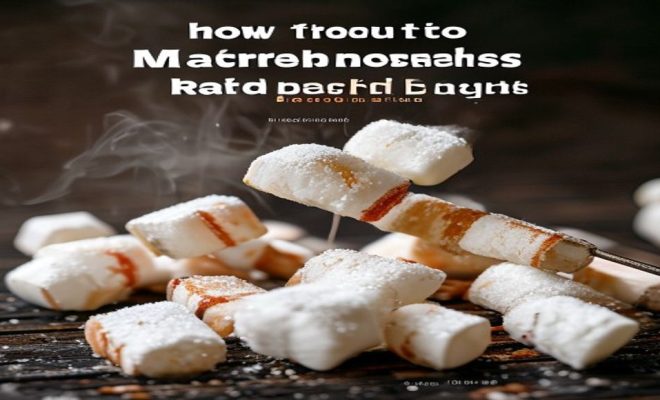
Once your fire is ready, take a skewer and carefully pierce the marshmallow, ensuring it’s centered. Hold the marshmallow over the coals, about six to twelve inches above the heat source. Rotate it slowly to achieve an even roast. You’ll know it’s ready when the outer layer turns golden brown and the inside starts to feel soft. This method typically takes about 1-3 minutes.
6. Advanced Roasting Techniques
If you want to take your marshmallow roasting to the next level, consider these advanced techniques:
- Using a Rotisserie: For a truly even roast, you can build a rotisserie setup over your fire. This allows the marshmallows to roast uniformly without needing to manually turn them.
- A Charcoal Grill: If you’re grilling, place marshmallows on the grill’s top rack to slowly toast them. This indirect heat method works well and eliminates the risk of burning.
- Using a Kitchen Torch: For those roasting indoors, a kitchen torch can provide precision in toasting your marshmallows without the mess of a fire. Just be careful to keep the flame moving to avoid burning.
- Aluminum Foil Wrap: For a unique approach, wrap your marshmallow in aluminum foil with a bit of chocolate and place it near the edge of the fire. This method allows the chocolate to melt while the marshmallow gets all gooey without direct flames.
These methods not only enhance the flavor but also introduce a variety of textures, making your marshmallow experience even more delightful.
7. Perfecting S’mores: The Ultimate Marshmallow Combo
What’s a roasted marshmallow without s’mores? This classic treat combines roasted marshmallows, chocolate, and graham crackers to create a gooey, delectable experience. To make the perfect s’more, first, roast your marshmallow to a golden brown as described in the previous sections.
While your marshmallow is still warm, sandwich it between two graham crackers with a piece of chocolate. For an instant melt, consider using chocolate bars or even chocolate peanut butter cups. If you want to elevate the flavors further, experiment with adding sliced fruit, like strawberries or bananas, or peanut butter for an extra treat. The combination of heat from the marshmallow melting the chocolate while being cradled by the crisp crackers is what makes this treat irresistible.
You can even explore different types of cookies instead of graham crackers. Try chocolate chip cookies or Oreos for a new flavor twist. The possibilities are endless, and your taste buds may thank you for experimenting!
8. Creative Alternatives to Traditional Marshmallows
While traditional marshmallows are beloved, there are plenty of creative alternatives that can spice up your roasting experience. Try roasting fruits like peaches or pineapples, which caramelize beautifully over an open flame. The natural sugars in the fruit enhance their sweetness and can create a deliciously smoky flavor.
Another fun alternative is to roast cookie dough. Using pre-made cookie dough, mold it around a skewer, and roast it just like a marshmallow. This decadent option is perfect for those looking to enjoy a sweet treat without the traditional marshmallow. Don’t forget that you can also roast chocolate-covered pretzels or graham crackers alongside your marshmallows for a twist on the classic s’more experience. (See: Food safety during roasting.)
For the adventurous, consider roasting cheese! Soft cheese such as brie or camembert can be incredibly delightful when melted over the flames. Pair it with fresh fruit or bread for a gourmet experience around the campfire.
9. Safety Tips for Roasting Marshmallows
While roasting marshmallows can be a fun and tasty activity, it’s essential to prioritize safety. Always keep a bucket of water or a fire extinguisher nearby when working with an open flame. If you’re roasting with kids, supervise them closely and teach them how to handle skewers safely.
Additionally, be mindful of your surroundings. Ensure there’s enough space around the fire and that you’re not near flammable materials. After roasting, allow the marshmallow and skewer to cool down before handling, as both can retain heat long after the fire has died down.
It’s also a good idea to wear appropriate clothing. Avoid loose-fitting garments that could catch fire and opt for closed-toe shoes to protect your feet while walking around a campfire.
10. FAQ: How to Roast Marshmallows
What type of marshmallows are best for roasting?
The best marshmallows for roasting are typically the standard white marshmallows, but you can experiment with flavored or gourmet options. Some prefer larger marshmallows for a longer roasting time, while others enjoy mini marshmallows for a quick treat.
Can you roast marshmallows over a gas stove?
Yes, you can roast marshmallows over a gas stove using a skewer. Just be cautious of the flame and keep the marshmallow at a safe distance to avoid burning it too quickly.
How do you know when a marshmallow is perfectly roasted?
A perfectly roasted marshmallow should be golden brown on the outside and soft and gooey on the inside. You can slightly tap the marshmallow to see if it yields under pressure, indicating that it has melted inside.
Is it safe to roast marshmallows over an open flame?
Yes, roasting marshmallows over an open flame is safe as long as you practice caution. Always supervise children, maintain a safe distance from the fire, and have a first aid kit and water on hand in case of accidents. (See: Culinary techniques for roasting.)
What should I do if my marshmallow catches fire?
If your marshmallow catches fire, quickly remove it from the flame and blow it out. If it’s too hot to handle, use a heat-resistant glove or skewer to drop it safely onto a plate or container. Never wave the flaming marshmallow around, as this can spread the fire.
11. Roasting Marshmallows Indoors
If outdoor roasting isn’t an option, you can still enjoy marshmallows indoors! Here are a couple of methods:
- Oven Roasting: Preheat your oven to 450°F (230°C). Place marshmallows on a baking sheet lined with parchment paper, and roast them for about 2-3 minutes, watching closely until they’re golden brown.
- Broiler Method: Set your oven’s broiler to high and place marshmallows on an oven-safe dish. Broil for about 1-2 minutes, turning until evenly toasted. Be sure to keep the oven door slightly open and monitor closely to prevent burning.
- Toaster Oven: A toaster oven can also work well for roasting marshmallows. Set it to toast and keep a close eye on them to achieve that perfect golden color.
12. Marshmallow Roasting Competitions
If you’re looking to add some excitement to your marshmallow roasting experience, consider hosting a marshmallow roasting competition! Gather friends and family, set up stations, and see who can create the best-roasted marshmallow. You could even include categories for “most creative flavor,” “best s’more,” or “largest marshmallow.” This is a fun way to elevate the experience and encourage creativity.
To make it even more engaging, you could invite local judges or set up a voting system among participants. Offering prizes, like a special roasting stick or gourmet marshmallows, can also enhance the competitiveness and fun!
13. Innovative Marshmallow Desserts
If you’re feeling inspired to use your roasted marshmallows in other ways, why not try creating some innovative desserts? Here are a few ideas:
- Marshmallow Fluff: You can make a delicious marshmallow fluff by blending roasted marshmallows with cream cheese and powdered sugar. This makes for a fantastic dip for fruits or graham crackers.
- Chocolate Marshmallow Brownies: Incorporate roasted marshmallows into brownie batter for a gooey texture and rich flavor. Top with melted chocolate and more marshmallows for a decadent treat.
- Frozen S’mores: Blend roasted marshmallows with ice cream to create a s’mores-flavored dessert. Pour it into a pie crust and freeze for a delightful cold treat.
14. Conclusion: Roasting Marshmallows with Family and Friends
Roasting marshmallows is more than just a cooking method; it’s a cherished tradition that brings people together. Whether you’re camping under the stars or enjoying a backyard bonfire, the process of roasting marshmallows creates lasting memories. By mastering how to roast marshmallows with the techniques and tips provided, you can elevate your experience and share the joy of this timeless treat with family and friends. So gather around the fire, get your marshmallows ready, and enjoy the deliciousness of perfectly roasted marshmallows!
“`
Trending Now
Frequently Asked Questions
What is the best way to roast marshmallows?
The best way to roast marshmallows involves using a long skewer to hold the marshmallow over a consistent heat source, like an open flame or charcoal. Rotate it slowly to achieve an even golden-brown crust without burning. Aim for a temperature around 340°F (170°C) to caramelize the sugars for optimal flavor.
How long does it take to roast a marshmallow?
Roasting a marshmallow typically takes about 1 to 3 minutes, depending on the heat source and the desired level of toastiness. Keep it at a safe distance from the flame and rotate it slowly to ensure an even roast while avoiding burning.
Can you roast marshmallows over a candle?
Yes, you can roast marshmallows over a candle, but it's important to use a candle that burns cleanly. Hold the marshmallow at a safe distance from the flame to avoid it catching fire. This method works best for small gatherings or indoor settings.
What type of marshmallow is best for roasting?
Standard white marshmallows are the most popular for roasting due to their size and texture, which allows for an ideal puff and caramelization. However, flavored or gourmet marshmallows can also be fun to roast for a unique taste experience.
Why do marshmallows catch fire when roasting?
Marshmallows catch fire when they are exposed to high heat for too long, causing the sugars to ignite. To prevent this, maintain a proper distance from the flame and rotate the marshmallow slowly to achieve even cooking without burning.
What's your take on this? Share your thoughts in the comments below — we read every one.