AI-Powered Home Listings: Revolutionizing the Buyer Experience
“`html
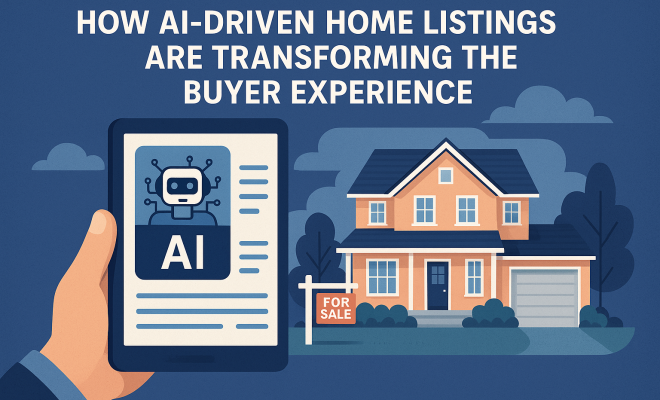
Imagine a world where home listings for buyers aren’t just static pages filled with numbers and images but interactive guides that engage you, answer your questions, and help you envision your new life in a neighborhood. Thanks to a new AI-powered listing experience, this is no longer just a dream—it’s becoming a reality. In partnership with Local Logic, this groundbreaking technology aims to revolutionize the way buyers interact with real estate listings.
The Evolution of Home Listings
Traditionally, home listings for buyers have relied on a standard format, showcasing properties with photos, square footage, and basic details. However, as the real estate market evolves, so too does the technology that drives it. The introduction of AI in real estate is reshaping how buyers access information, making the process not only more efficient but also more engaging.
This shift goes beyond mere convenience. The new model allows listings to answer buyer inquiries directly, offering factual property data alongside insights about the surrounding neighborhood. This dual functionality can play a crucial role in a buyer’s decision-making process, as they can now access a wealth of information in real time rather than having to rely on their agent for every detail.
The Partnership with Local Logic
At the heart of this innovation is a partnership with Local Logic, a company that specializes in neighborhood intelligence. By integrating market data with community-specific information, Local Logic enhances the AI experience, providing buyers with a richer understanding of their potential new home.
What does this mean for home listings for buyers? It means that instead of just knowing the number of bedrooms and bathrooms, you’ll also learn about amenities, transportation options, demographics, and market trends—all of which are vital factors for any homebuyer’s consideration.
Real-Time Interaction: A Game Changer
Home listings for buyers now take on a dynamic quality. The AI-powered solutions allow listings to interact directly with potential buyers, answering questions they might have before even stepping foot in a house. For example, if you have concerns about local schools, the AI could provide detailed ratings and reviews of schools in the area, along with comparative insights about other neighborhoods.
This real-time interaction builds a more informed buyer, which can ultimately influence purchasing decisions. When listings can discuss aspects like average commute times or nearby parks, they become not just pages of information but personalized tools that cater to your needs.
Impact on Buyer Behavior
The introduction of these interactive listings may significantly alter buyer behavior. In a market where time is often of the essence, having immediate access to detailed property and neighborhood data could sway buyers from one listing to another. Imagine being able to compare multiple neighborhoods simultaneously, with insights available at your fingertips.
This concept of FOMO—fear of missing out—comes into play. Buyers and agents alike may worry that those who fail to adapt to AI-driven processes will be left behind in a market that’s evolving at lightning speed. Listings that provide immediate answers are likely to attract more interest, giving those who embrace this technology a significant advantage.
Enhancing the Home-Buying Journey
For many, purchasing a home is one of the most significant decisions they will make in their lifetime. The ability to engage with home listings for buyers in a meaningful way can enhance this journey. Instead of feeling overwhelmed by choices, buyers can have a clearer path laid out before them, aided by the interactive capabilities of AI. (See: AI in real estate industry.)
This evolution doesn’t just change how buyers find homes; it also reshapes their expectations. As these technologies become more commonplace, buyers will increasingly anticipate a high level of interaction and responsiveness from their listings. This shift places pressure on real estate agents and brokers to offer similar levels of engagement.
Challenges of Adopting AI in Real Estate
Despite the promising potential of AI in enhancing home listings for buyers, there are challenges. One critical hurdle is the need for agents and real estate professionals to adapt to new technologies themselves. The learning curve associated with AI tools can be steep, and not every agent may be ready to embrace it.
Moreover, reliance on AI-driven information raises questions about accuracy and data privacy. Users must trust that the data they receive is not only reliable but also respects their privacy. Ensuring transparency in how this data is collected and used will be vital for gaining buyer trust.
Broader Implications for the Real Estate Market
The rise of AI-powered home listings could lead to broader changes in the real estate market. As these technologies become mainstream, we may see a shift in how real estate transactions are conducted. Listings that offer rich, interactive data could shift market dynamics, favoring tech-savvy buyers and agents.
Additionally, the housing market might experience increased competition. As more listings adopt this technology, buyers will have a wealth of options at their fingertips, leading to an environment where well-informed buyers can negotiate better deals. This could lead to a more balanced market, benefiting both buyers and sellers.
Actionable Steps for Buyers and Agents
For buyers, embracing this new model means being proactive in seeking listings that utilize AI technology. Take the time to explore listings that provide interactive features, as they can offer valuable insights into potential homes and neighborhoods. Understand the importance of being informed and using every tool available to make the best decision.
Real estate agents should also adapt to these changes by familiarizing themselves with new technologies. They must be ready to incorporate AI-driven tools into their practices, enhancing their ability to provide clients with the data they need to make informed decisions. Continuous education and training will be paramount in staying relevant in a rapidly evolving market.
The Future of Home Listings for Buyers
As we look to the future, it’s clear that AI will play an increasingly significant role in how home listings are presented and experienced. As technology continues to advance, buyers will likely expect even more personalized interactions with listings, further bridging the gap between online research and real-life experiences.
The key takeaway? Home listings for buyers are no longer just information repositories; they are becoming dynamic platforms that facilitate informed decision-making. The importance of adapting to these changes cannot be overstated, as those who embrace this new era of technology will likely find themselves leading the market.
Conclusion: A New Era in Home Buying
In this exciting new chapter for the real estate market, home listings for buyers represent more than just a technological innovation; they signify a fundamental shift in how buyers approach the home-buying process. With AI-driven solutions like those powered by Local Logic paving the way, the future looks bright for buyers eager to find the perfect home. As these interactive listings become the norm, being informed and adaptable will be the keys to success in any real estate endeavor.
Frequently Asked Questions (FAQ)
What are AI-powered home listings?
AI-powered home listings are real estate listings that use artificial intelligence to enhance the way potential buyers interact with property data. They provide real-time information, answer buyer questions, and offer insights about neighborhoods, schools, and local amenities, making the home-buying process more interactive and informative.
How do I know if a listing is AI-driven?
Look for listings that offer interactive features such as chatbots, detailed neighborhood insights, or the ability to ask questions directly about the property. Listings that provide comprehensive information beyond basic details usually indicate the use of AI technology. (See: Harvard University research on AI.)
What benefits do AI-driven listings provide to buyers?
AI-driven listings enhance the home-buying experience by providing immediate answers to questions, personalized insights about neighborhoods, and detailed data on local amenities. This can help buyers make more informed decisions and streamline the process of finding the right home.
Are there privacy concerns with AI in real estate?
Yes, privacy concerns are valid when it comes to AI and data usage. It’s essential for real estate platforms to be transparent about how they collect, store, and use personal data to ensure buyers feel secure in their interactions with AI-driven listings.
Can traditional real estate agents compete with AI-driven listings?
Absolutely! Traditional agents can leverage AI technology in their practices to better serve their clients. By embracing new tools and integrating them into their services, they can provide enhanced support, ensuring they remain competitive in an evolving market.
How can buyers take advantage of AI in home searching?
Buyers can take advantage of AI by actively seeking listings that offer interactive features and leveraging the data provided to explore different neighborhoods, compare properties, and ask specific questions that matter to them. This proactive approach can lead to more satisfying home-buying experiences.
Will AI completely replace real estate agents?
While AI will significantly change the real estate landscape, it is not likely to completely replace real estate agents. Instead, agents will collaborate with AI technologies to enhance their services, providing a balance of technology and the human touch that is still important in real estate transactions.
What should I consider when looking at AI-driven listings?
When looking at AI-driven listings, consider the depth of information provided, the responsiveness of the platform, and the transparency regarding data privacy. Assess how well the platform addresses your specific needs and preferences as a buyer.
Emerging Trends in Home Listings
As technology continues to evolve, several trends are emerging within the realm of home listings for buyers. One notable trend is the increased use of virtual and augmented reality (VR/AR). Buyers can now take virtual tours of homes from the comfort of their own living rooms, allowing for a more immersive experience. This can save time and help buyers narrow down their choices before scheduling physical visits.
Another trend is the rise of data-driven insights. Listings that analyze market data to predict future property values or rental incomes are gaining popularity. Buyers are more interested in understanding the long-term value of their investments and are looking for listings that can provide that information upfront.
The Role of Social Media in Home Listings
Social media is becoming a powerful tool in the world of real estate. Home listings for buyers are increasingly shared on platforms like Instagram, Pinterest, and Facebook. This visual approach not only showcases properties but also allows agents to engage with potential buyers in a more personal way. By sharing stories, testimonials, and videos, real estate professionals can create a community around their listings.
Moreover, social media advertising allows for highly targeted campaigns, reaching potential buyers based on their interests, demographics, and online behaviors. This strategic marketing can help listings gain more visibility and attract serious buyers. (See: Real estate technology advancements.)
The Importance of User Experience
User experience (UX) has become a critical factor in the effectiveness of home listings for buyers. A user-friendly interface that is easy to navigate can significantly impact how buyers interact with listings. Factors like loading speed, mobile optimization, and intuitive design are now essential. Buyers are less likely to engage with a platform that is difficult to use, so creating a seamless experience can make a substantial difference in capturing their interest.
Additionally, providing options for customized searches and filters allows buyers to tailor their experience and focus on properties that meet their specific criteria. The more personalized the experience, the more likely buyers are to engage with the listing and ultimately make a purchase.
Case Studies: Success Stories with AI-Driven Listings
Several real estate firms have successfully integrated AI-driven listings into their strategies, resulting in increased buyer engagement and sales. For instance, a well-known real estate agency implemented an AI chatbot on their website that could answer common buyer questions in real time. They reported a 30% increase in inquiries and a 25% rise in scheduled viewings, showcasing how AI can enhance buyer interactions.
Similarly, another agency utilized machine learning algorithms to analyze user data and provide tailored property recommendations. This approach led to higher satisfaction rates among buyers, as they felt their unique needs were being understood and catered to. Such case studies underscore the effectiveness of AI-driven technology in transforming home listings for buyers.
The Future of Real Estate Listings: An Outlook
Looking ahead, the integration of AI into home listings for buyers is poised to become even more sophisticated. Innovations like predictive analytics will allow listings to not only respond to current market conditions but also anticipate future trends. This means buyers could have insights into when to buy, sell, or hold onto properties based on projected market shifts.
Furthermore, as technology continues to develop, we can expect to see more integrations between real estate platforms and other sectors, such as finance. Tools that combine property data with lending options could empower buyers to make informed financial decisions about their home purchases.
Conclusion: Embracing Change in Real Estate
The transformation of home listings for buyers through AI and technology is an exciting development that promises to reshape the entire home-buying experience. As these tools become more refined and widely adopted, buyers will benefit from enhanced interactions and more comprehensive information. The key for both buyers and agents is to stay adaptable and embrace these changes, ensuring they remain competitive and informed in this evolving landscape.
“`
Trending Now
Frequently Asked Questions
How is AI changing the home buying process?
AI is transforming the home buying process by creating interactive listings that engage buyers. These AI-driven listings provide real-time answers to inquiries, offer detailed property data, and insights about neighborhoods, streamlining the decision-making process for buyers.
What are AI-powered home listings?
AI-powered home listings are dynamic real estate listings that use artificial intelligence to provide interactive experiences for buyers. They not only showcase property details but also answer questions and offer insights about the neighborhood, enhancing the overall home buying experience.
What is Local Logic in real estate?
Local Logic is a company specializing in neighborhood intelligence that partners with real estate platforms to enhance AI-driven home listings. They integrate market data with community-specific information, offering buyers a comprehensive understanding of the neighborhoods where potential homes are located.
What benefits do AI-driven home listings offer buyers?
AI-driven home listings offer numerous benefits, including real-time information access, interactive engagement, and detailed insights about properties and neighborhoods. This technology helps buyers make informed decisions without relying solely on their agents for every detail.
How do AI listings improve buyer engagement?
AI listings improve buyer engagement by providing interactive features that allow potential buyers to ask questions and receive immediate responses. This level of interaction helps buyers feel more connected to the listings and better informed about their choices.
Have you experienced this yourself? We’d love to hear your story in the comments.