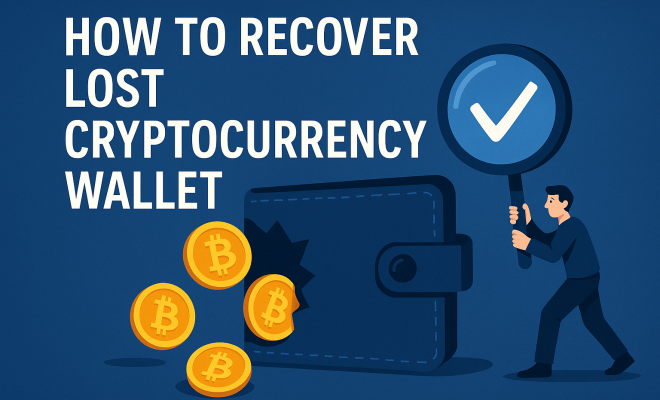
How to recover lost cryptocurrency wallet
“`html
In the ever-evolving world of cryptocurrencies, many users have experienced the frustrating reality of losing access to their digital wallets. Whether it’s due to forgotten passwords, misplaced private keys, or a failing device, losing access to your cryptocurrency wallet can feel like a nightmare. However, the good news is that there are viable ways to recover lost cryptocurrency wallets. This guide will detail the most effective methods available today, ensuring that you have the best chance of reclaiming your digital assets.
1. Understanding Cryptocurrency Wallets
Before diving into recovery methods, it’s essential to understand what a cryptocurrency wallet is. Cryptocurrency wallets are digital tools that allow you to store, send, and receive cryptocurrencies. They can be hardware-based (physical devices) or software-based (applications or web services). Each wallet comes with a unique public key and a private key. The public key is like your bank account number, while the private key is akin to your PIN; it must be kept secret to ensure that only you can access your funds.
When you lose access to your wallet, you essentially lose the keys to your digital assets. The loss can happen for various reasons, including accidental deletion, hardware failure, or simply forgetting your password. Understanding the structure of your wallet is the first step to devising a plan to recover lost cryptocurrency wallet access.
2. Check for Backups
Many cryptocurrency wallets encourage users to create backups of their wallet data. This may involve saving a recovery phrase, seed phrase, or a backup file. If you’ve previously taken steps to secure your wallet, checking for backups should be your first course of action. Look through your emails and documents for any notes you may have made regarding your wallet.
For software wallets, the recovery phrase is often displayed when you first set up your wallet. If you wrote it down or stored it securely, use it to restore your wallet. Hardware wallets usually have built-in recovery options as well. If you can locate your backups, you might be able to recover lost cryptocurrency wallet access quickly and effectively.
3. Use Wallet Recovery Tools
There are numerous wallet recovery tools available that can help you retrieve lost access. These tools are designed to assist in various scenarios, from recovering passwords to restoring wallets using seed phrases. Examples of popular recovery tools include Electrum, MyEtherWallet, and various hardware wallet recovery services.
Electrum, for instance, allows users to restore their wallet using a seed phrase or private key. Similarly, MyEtherWallet has built-in features to restore wallets using JSON files or mnemonic phrases. Always ensure you’re using trusted tools to minimize the risk of phishing or scams. Research user reviews and community discussions to select the best recovery tool for your specific wallet type.
4. Contact Wallet Support Services
If DIY recovery methods fail, the next step is to contact wallet support services. Many reputable wallet providers offer customer service and technical support to assist users in recovering lost wallets. Ensure you have as much information available as possible, including wallet type, transaction history, and any previous recovery attempts.
Keep in mind that recovery processes can vary significantly between wallet providers. Some may require verification steps, while others may have specific forms or protocols to follow. Engage with customer service professionally, and be patient as they guide you through troubleshooting methods to recover lost cryptocurrency wallet access. (See: Understanding cryptocurrency wallets.)
5. Run a Data Recovery Scan
If the loss of your cryptocurrency wallet was due to accidental deletion or a hard drive crash, utilizing data recovery software might be helpful. Programs like Recuva and EaseUS Data Recovery Wizard can potentially restore lost files from your device. However, this method is most effective if you act quickly and minimize the use of the affected device to prevent data overwriting.
Data recovery scans can be a bit technical, but many software options offer user-friendly interfaces. Make sure you follow the instructions closely. After running a scan, check the results to see if any wallet files or backup copies were recovered, giving you a chance to regain access to your wallet.
6. Explore Blockchain Recovery Services
In some instances, professional recovery services that specialize in cryptocurrency wallets can provide a solution. These services often have access to advanced techniques and tools that can help recover lost wallets, especially in more complicated scenarios. Be cautious, though, as the cryptocurrency industry has its fair share of scams.
When seeking out recovery services, conduct thorough research. Look for online reviews, case studies, and testimonials. Reputable services will provide guarantees and have a solid track record of success. They may charge fees, but the cost can be worth it if you have a significant amount of cryptocurrency at stake.
7. Practice Preventive Measures for Future Security
Once you’ve successfully recovered your lost cryptocurrency wallet, it’s crucial to put preventive measures in place to avoid future mishaps. Start by ensuring that you have multiple backups stored securely in different locations. For instance, you can keep a physical copy of your recovery phrase in a safe deposit box while also having a digital backup on a secure cloud service.
Additionally, consider using password managers to store your keys and passwords securely. Two-factor authentication (2FA) is another layer of security that can help protect your wallet from unauthorized access. By taking these steps, you can significantly reduce the chances of losing access to your cryptocurrency assets in the future.
8. Common Scenarios Leading to Wallet Loss
Understanding the common scenarios that lead to losing access to your cryptocurrency wallet can help you avoid these pitfalls in the first place. Here are a few frequent causes:
- Forgot Passwords: Just like any account, forgetting your wallet password is a common issue. Many wallets offer recovery procedures, but these often depend on having access to your recovery phrase or associated email.
- Hardware Failure: If you’re using a hardware wallet, physical damage or failure can result in loss of access. Regular backups can mitigate this risk.
- Phishing Scams: Users often fall victim to phishing scams that trick them into entering their private keys on fake websites. Always verify the legitimacy of the site you’re using.
- Device Loss: Losing your mobile device or laptop can result in losing access to software wallets. Ensuring you have a way to recover your wallet is critical.
9. Statistics on Cryptocurrency Loss
The scale of lost cryptocurrency is staggering. According to a study by Chainalysis, it was estimated that around 3.7 million Bitcoins (worth approximately $40 billion at current prices) are lost forever due to lost access to wallets. This statistic highlights the importance of being proactive about wallet security. With the growing popularity of cryptocurrencies, these numbers could potentially rise if users don’t take measures to safeguard their assets.
10. Expert Perspectives on Wallet Recovery
Crypto experts emphasize the significance of education when it comes to wallet recovery. Andreas Antonopoulos, a well-known figure in the crypto community, suggests that users should understand how wallets work at a fundamental level. “If you don’t fully understand your wallet, you’re at risk,” he states. Gaining knowledge about seed phrases, public and private keys, and wallet types can greatly enhance your ability to safeguard your assets.
Additionally, experts recommend regularly testing your recovery methods. For instance, if you’ve saved a recovery phrase, try restoring it in a safe environment to ensure you’re familiar with the process before you actually need to use it. This practice can build confidence and reduce anxiety when faced with potential wallet loss. (See: Recovering lost cryptocurrency wallets.)
11. FAQ: Recovering Lost Cryptocurrency Wallet
1. Can I recover my wallet if I lost my private key?
Unfortunately, if you lose your private key and do not have any backups, recovery is nearly impossible. The private key is essential for accessing your funds, which is why keeping it secure and making backups is critical.
2. What should I do if I think I’ve been scammed?
If you suspect you’ve been scammed, the first step is to secure any remaining assets by changing passwords and enabling two-factor authentication on other accounts. You should also report the scam to local authorities and consider reaching out to any relevant cryptocurrency networks for assistance.
3. Is there any software that can help recover lost passwords?
Yes, there are various software programs available that can help recover lost passwords for different wallet types. However, be cautious and only use reputable software, as some may be scams. Always verify the credibility before downloading or purchasing recovery tools.
4. How often should I backup my cryptocurrency wallet?
It’s advisable to create backups whenever you make significant changes to your wallet or periodically, such as after large transactions or updates. Having multiple copies in different secure locations is recommended for optimal security.
5. What steps should I take immediately after losing access to my wallet?
First, stay calm and assess the situation. Check for any backups, run data recovery software if necessary, and reach out to wallet support services. The sooner you act, the higher your chances of recovering access.
12. The Importance of Understanding Wallet Types
Understanding the different types of cryptocurrency wallets is crucial for effective recovery. Each type comes with its own set of advantages and vulnerabilities. Here’s a brief overview:
- Hot Wallets: These wallets are connected to the internet and offer convenience for transactions. However, their connection exposes them to hacking risks. It’s essential to keep the recovery phrases and passwords for hot wallets secure.
- Cold Wallets: These wallets are offline and provide higher security and protection against hacks. Examples include hardware wallets and paper wallets. However, if a user loses access to their cold wallet without backups, recovery can be challenging.
- Mobile Wallets: These are apps installed on smartphones. While they are user-friendly and convenient, they can also be lost if the device is damaged or misplaced. Regular backups are essential.
- Desktop Wallets: These wallets are installed on computers and offer a balance between security and accessibility. Users should ensure that their computers are secure and free from malware.
Knowing the strengths and weaknesses of each wallet type can help you take the right precautions and recovery steps based on your specific situation.
13. Success Stories: Wallet Recovery
Many users have successfully recovered their lost cryptocurrency wallets through various methods, and these stories can provide hope and insight into viable recovery processes. For example, a user who lost access to a significant amount of Ethereum due to a corrupted computer was able to recover their assets by using data recovery software within 24 hours of realizing the loss.
Another case involved a user who had forgotten their wallet password. They managed to recover access by finding their recovery phrase in an old note stored in a secure location. This emphasizes the importance of keeping backups in safe places and regularly reviewing security measures. (See: Recent developments in cryptocurrency wallets.)
These success stories not only showcase the potential for recovery but also highlight different methods users can try depending on their circumstances. Every situation is unique, and approaching recovery with a proactive mindset can lead to positive outcomes.
14. The Cost of Wallet Recovery
When it comes to recovering lost cryptocurrency wallets, potential costs can vary significantly based on the method chosen. Here’s a breakdown:
- DIY Recovery Tools: Most wallet recovery tools are free or come with a one-time purchase fee. However, always be cautious and ensure you’re using reputable software to avoid scams.
- Professional Recovery Services: Costs for professional services can range from hundreds to thousands of dollars. These services often charge based on the complexity of the recovery and the amount at stake. It’s essential to weigh the potential recovery amount against the service fee.
- Data Recovery Software: Good quality data recovery software may cost anywhere from $50 to $100, but these can often save you a significant amount in lost cryptocurrency.
Before committing to any recovery method, consider the overall costs relative to your situation. Sometimes investing in a reliable service can be worth it if you have a substantial amount of cryptocurrency to regain.
15. Future of Cryptocurrency Wallet Recovery
As technology evolves, so does the landscape of cryptocurrency wallet recovery. Innovations in blockchain technology and wallet security are paving the way for more effective recovery processes. For instance, advancements in biometric security measures could make it easier to recover lost wallets while maintaining strong protection against unauthorized access.
Moreover, the increasing awareness of risks associated with cryptocurrency storage is leading to more user-friendly recovery options and tools. As the community becomes more educated about secure practices, the chances of losing wallets may decrease. New trends in wallet design will likely incorporate better recovery features, making it easier for users to regain access if issues arise.
Final Thoughts on Recovering Lost Cryptocurrency Wallets
Recovering a lost cryptocurrency wallet can be challenging, but with the right approach and resources, it is often possible. Remember to start with backups, utilize trusted recovery tools, and reach out to wallet support when necessary. Understanding your options can empower you to reclaim your digital assets and protect them in the future. In an industry as volatile as cryptocurrency, taking proactive measures is key to safeguarding your investments.
“`
Trending Now
Frequently Asked Questions
How can I recover my lost cryptocurrency wallet?
To recover a lost cryptocurrency wallet, start by checking for backups such as recovery phrases or seed phrases you may have saved. If you have a hardware wallet, refer to the manufacturer's instructions for recovery. Additionally, consider reaching out to wallet support services for further assistance.
What should I do if I forgot my cryptocurrency wallet password?
If you forgot your cryptocurrency wallet password, check if you have a recovery phrase or backup file. Many wallets offer a password recovery option through these backups. If those are unavailable, you may need to reset your wallet, which could result in losing access to your funds.
Are there ways to recover a wallet without a backup?
Recovering a cryptocurrency wallet without a backup is challenging. If you don’t have a recovery phrase or any backup files, your options are limited. You might try using wallet recovery software or contacting support, but success is not guaranteed without the necessary recovery information.
What is a recovery phrase in cryptocurrency wallets?
A recovery phrase, often called a seed phrase, is a series of words generated by your cryptocurrency wallet that allows you to recover your wallet. It acts as a backup to access your funds if you lose your password or device. Always store it securely and privately.
Can I recover my cryptocurrency if my device is damaged?
Yes, you can recover your cryptocurrency if your device is damaged, provided you have access to your recovery phrase or backup. Use another device to restore your wallet using the recovery information. If you lack backups, recovery options become significantly more difficult.
Have you experienced this yourself? We’d love to hear your story in the comments.