Master Buying NFTs: Your Ultimate Guide to Digital Assets
“`html
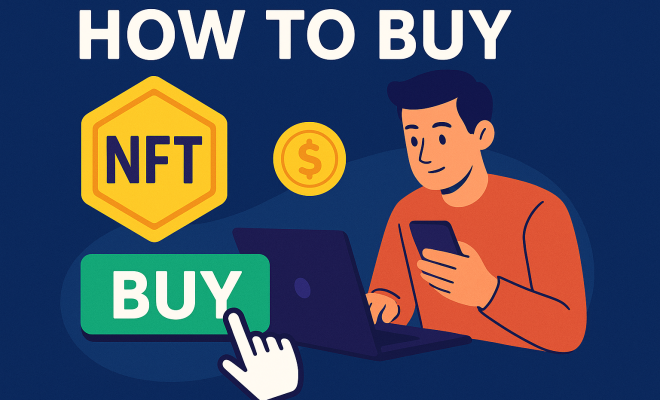
NFTs, or Non-Fungible Tokens, have taken the digital world by storm, offering unique opportunities for artists, collectors, and investors alike. If you’re wondering how to buy NFTs and dive into this exciting digital market, you’re in the right place. In this comprehensive guide, we’ll break down everything you need to know, from understanding NFTs to practical steps for purchasing them.
1. What Are NFTs?
Before you can learn how to buy NFTs, it’s essential to understand what they are. NFTs are digital assets that represent ownership or proof of authenticity of a unique item, whether it be art, music, videos, or even virtual real estate. Unlike cryptocurrencies like Bitcoin or Ethereum, which are fungible and can be exchanged for one another, NFTs are one-of-a-kind.
Each NFT is created and stored on a blockchain, usually Ethereum, which ensures that ownership and transaction history are transparent and verifiable. This underlying technology is what makes NFTs secure and trustworthy, allowing artists and creators to monetize their work in new ways while providing collectors with a means to own unique digital items.
2. Why Buy NFTs?
The appeal of NFTs lies in their uniqueness and the potential for value appreciation. Many collectors buy NFTs not just for personal enjoyment but as an investment. Some pieces have sold for millions, with notable sales like Beeple’s digital collage fetching an astonishing $69 million at a Christie’s auction in March 2021.
Aside from monetary considerations, NFTs can also offer access to exclusive content, experiences, or communities. For instance, buying an NFT from a musician might grant you VIP access to concerts or unreleased tracks. This blending of art, access, and investment is attracting a diverse range of buyers.
3. Understanding Wallets and Cryptocurrency
To buy NFTs, you’ll first need a digital wallet that supports cryptocurrency transactions. Popular wallet options include MetaMask, Coinbase Wallet, and Trust Wallet. These wallets allow you to store your NFTs securely and facilitate transactions on NFT marketplaces.
Moreover, you’ll need to acquire cryptocurrency, usually Ethereum (ETH), as it’s the most widely accepted currency for purchasing NFTs. You can buy ETH from platforms like Coinbase, Binance, or Kraken. Once you have your wallet set up and your cryptocurrency purchased, you’ll be ready to explore NFT marketplaces.
4. Choosing the Right Marketplace
There are numerous NFT marketplaces to choose from, each with its unique offerings and focus. Some popular ones include OpenSea, Rarible, and Foundation. OpenSea is the largest NFT marketplace, offering a vast array of digital items, while Rarible allows users to create and sell their own NFTs.
When selecting a marketplace, consider factors such as fees, user interface, and the type of NFTs available. For instance, if you’re interested in digital art, platforms like ArtBlocks or SuperRare might be more appealing. It’s crucial to do your research on these platforms to find one that aligns with your interests.
5. How to Buy NFTs: Step-by-Step
Now that you understand the basics, let’s delve into the practical steps on how to buy NFTs. Here’s a straightforward guide to help you through the process:
- Create a Digital Wallet: Sign up for a digital wallet that supports Ethereum and NFT transactions.
- Buy Ethereum: Purchase ETH through an exchange and transfer it to your wallet.
- Select a Marketplace: Choose an NFT marketplace that suits your interests.
- Connect Your Wallet: Most platforms will prompt you to connect your wallet to facilitate transactions.
- Browse and Choose: Explore the collections available and select the NFT you wish to purchase.
- Make Your Purchase: Follow the prompts to buy the NFT, confirming the transaction through your wallet.
- Check Your Collection: After purchase, check your wallet to ensure the NFT appears in your collection.
Following these steps can make the purchasing process smooth, allowing you to confidently add NFTs to your collection.
6. Understanding Gas Fees
When purchasing NFTs, it’s crucial to be aware of gas fees. These fees are transaction costs associated with processing transactions on the Ethereum network. Gas fees can fluctuate based on network congestion, sometimes reaching exorbitant amounts during peak times.
To mitigate high gas fees, consider timing your purchase during off-peak hours or looking for platforms that use layer-2 solutions, which can significantly lower transaction costs. Understanding these fees can help you make more informed decisions when buying NFTs and ultimately save you money.
7. Securing Your NFTs
Once you’ve purchased NFTs, securing your digital assets should be a priority. While your NFTs are stored in your wallet, it’s vital to practice good security hygiene. This includes using strong passwords, enabling two-factor authentication, and being cautious of phishing scams. (See: Understanding Non-Fungible Tokens.)
Additionally, consider hardware wallets, which store your cryptocurrency offline and offer an extra layer of security. By taking these precautions, you can protect your investments and enjoy your NFT collection with peace of mind.
8. The Future of NFTs
The NFT market has experienced rapid growth, and its future looks promising. Brands, artists, and creators are increasingly exploring how NFTs can enhance their engagement with audiences. From virtual fashion shows to exclusive digital art drops, the possibilities are expanding.
Moreover, as technology evolves, we may see NFTs integrate more seamlessly into everyday experiences, like virtual reality and gaming. Keeping an eye on these trends can help you stay ahead in the NFT space and make informed buying decisions.
9. Final Thoughts: Your Next Steps in the NFT Space
Now that you have a comprehensive understanding of how to buy NFTs, it’s time to take action. Start by setting up your digital wallet, purchasing some Ethereum, and exploring various marketplaces. Don’t hesitate to engage with communities, follow artists, and learn from fellow collectors.
The NFT space is ever-evolving, and being proactive will allow you to uncover unique opportunities. Remember, whether you’re buying for investment or personal enjoyment, the key is to have fun and stay informed.
10. Popular Types of NFTs
Understanding the different types of NFTs can help you make informed decisions about what to buy. From art and music to virtual real estate and collectibles, the NFT space is diverse. Here are some popular categories:
Art NFTs
Digital art is one of the most well-known categories within the NFT space. Artists create unique pieces that are minted as NFTs, allowing them to sell their work directly to collectors. Platforms like SuperRare and Foundation focus heavily on digital art and have gained a reputation for high-quality pieces.
Music NFTs
Musicians and bands are increasingly using NFTs to monetize their work. By selling music tracks, albums, or even concert tickets as NFTs, artists can engage directly with their fans. Platforms like Audius and Catalog are tailored specifically for music NFTs, providing artists with innovative ways to distribute their work.
Virtual Land and Real Estate
In virtual worlds like Decentraland and The Sandbox, users can purchase virtual land as NFTs. This real estate can be developed or used for various purposes, from hosting events to creating immersive experiences. The market for virtual real estate is booming, with some parcels selling for hundreds of thousands of dollars.
Collectibles
Digital collectibles, often in the form of trading cards or unique items related to games, are another popular category. NBA Top Shot is a notable example, allowing users to buy, sell, and trade officially licensed digital highlights. These collectibles can range from affordable to extremely valuable, depending on rarity and demand.
11. Expert Perspectives on NFTs
Hearing from experts in the field can provide valuable insights into the NFT market. Here are a few perspectives from industry leaders:
According to renowned digital artist Beeple, “NFTs have changed the landscape for artists. For the first time, creators can monetize their work directly, and collectors can own a piece of digital history.” This sentiment echoes across the creative community, as more artists embrace NFTs as a viable income source.
Crypto analyst and investor, Laura Shin, emphasizes the importance of understanding the technology behind NFTs. “Before buying, ensure you grasp how blockchain technology works. This knowledge can prevent costly mistakes and help you navigate the space more confidently.”
Furthermore, venture capitalist Chris Dixon notes that the future of NFTs is vast, stating, “We’re just scratching the surface of what NFTs can do. From gaming to identity verification, their potential applications will only increase.”
12. Comparing Different NFT Marketplaces
With so many marketplaces available, it can be challenging to determine which one is the best fit for you. Here’s a brief comparison of some of the top NFT platforms:
| Marketplace | Focus | Fees | User-Friendly | Unique Feature |
|---|---|---|---|---|
| OpenSea | General | 2.5% on sales | High | Largest selection of NFTs |
| Rarible | Art and collectibles | 2.5% on sales | Medium | Community-driven governance |
| Foundation | Digital art | 15% on sales | High | Invite-only artist onboarding |
| SuperRare | Art | 15% on sales | Medium | Curation process for artists |
Each marketplace has its strengths and weaknesses, so consider your specific interests and needs. Whether you’re looking for the broadest selection or a curated experience, there’s a platform out there for you. (See: NFTs and their impact on art.)
13. FAQs about Buying NFTs
What do I need to buy an NFT?
To buy an NFT, you’ll need a digital wallet that supports Ethereum, some ETH for purchasing, and an account on an NFT marketplace.
Can I buy NFTs with credit cards?
Some marketplaces, like Nifty Gateway, allow purchases with credit cards. However, most transactions typically require cryptocurrency.
Are NFTs a good investment?
Like any investment, buying NFTs involves risk. While some NFTs appreciate significantly, others may lose value. Research and understand the market before investing.
How do I sell my NFT?
You can sell your NFT directly through the marketplace where you bought it. Simply list it for sale, set your price, and wait for a buyer.
What happens if I lose access to my wallet?
If you lose access to your wallet and don’t have a backup of your recovery phrase, you may lose access to your NFTs permanently. Always keep your recovery phrases secure.
14. Participating in NFT Communities
Engaging in NFT communities can enhance your experience in this space. From social media platforms like Twitter and Discord to dedicated forums and groups, connecting with fellow enthusiasts can provide support, insights, and even potential collaborations.
Consider joining Discord servers focused on NFT projects, where you can ask questions, share experiences, and learn from others. These communities often share valuable information about upcoming drops, market trends, and best practices for buying and selling NFTs.
15. Staying Informed: Resources for NFT Buyers
Keeping up with the ever-changing world of NFTs requires ongoing education. Here are some resources to help you stay informed:
- Podcasts: Shows like “The Nifty Show” and “NFT 101” cover news, trends, and insights in the NFT space.
- News Websites: Websites like CoinDesk, The Block, and NFT Now provide the latest news and analysis on NFTs.
- Social Media: Follow NFT artists, collectors, and influencers on Twitter and Instagram to stay updated on trends and new projects.
- Online Courses: Platforms like Udemy and Coursera offer courses on blockchain technology and NFTs, which can help deepen your understanding.
By utilizing these resources, you can become a more informed buyer and participant in the NFT ecosystem.
16. Common Challenges When Buying NFTs
As you venture into the world of NFTs, it’s crucial to be aware of some common challenges that buyers may encounter. Here are a few:
1. Market Volatility
The NFT market can be extremely volatile, with prices fluctuating widely based on trends, hype, and speculation. For new buyers, this unpredictability can be daunting. It’s essential to stay grounded and not get swept away by the hype surrounding certain projects.
2. Scams and Fraud
With the rise of NFTs, scams have also become more prevalent. Buyers should be vigilant and conduct thorough research on any project or marketplace before making a purchase. Look for verified sellers, check for community reviews, and be cautious of deals that seem too good to be true.
3. Legal and Copyright Issues
Understanding the legal landscape surrounding NFTs is vital. There have been instances where artists’ works have been minted as NFTs without their consent. Buyers should ensure they’re purchasing NFTs that come with clear ownership rights and understand the implications of copyright laws.
17. How to Spot a Good NFT Investment
As you explore the NFT market, you might wonder how to identify a potentially good investment. Here are key factors to consider: (See: NFTs and blockchain technology.)
1. Rarity and Scarcity
Rarity plays a significant role in determining an NFT’s value. Limited edition pieces or those from established artists tend to hold more value. Research the total supply of an NFT and its rarity within its collection.
2. Artist Reputation
The reputation of the artist can significantly influence an NFT’s value. Established artists with a strong following may produce pieces that appreciate over time. Engaging with the artist’s community can also offer insights into their future projects.
3. Community Engagement
A strong, active community around an NFT project can indicate its potential longevity. Check forums, Discord servers, and social media channels to gauge community sentiment and engagement. Projects with active discussions and support are often more resilient.
18. Tips for First-Time Buyers
If you’re new to the world of NFTs, it can feel overwhelming at first. Here are some tips to make your first buying experience smoother:
1. Start Small
Begin by spending a small amount on your first NFT. This way, you can learn the ropes without risking too much of your budget. As you gain experience and confidence, you can gradually increase your investments.
2. Engage with the Community
Joining online communities related to your interests in NFTs can provide invaluable insights. Engaging with other collectors and artists can also help you discover new projects that align with your taste.
3. Educate Yourself
Take the time to understand the NFT landscape. Read articles, watch videos, and participate in discussions to deepen your knowledge. The more informed you are, the better equipped you’ll be to make smart purchasing decisions.
19. The Environmental Impact of NFTs
As NFTs have gained popularity, discussions about their environmental impact have surfaced. The energy consumption associated with blockchain transactions, particularly on Ethereum, has raised concerns. Many in the community are working towards more sustainable solutions.
Layer-2 solutions and alternative blockchains like Tezos or Flow are being developed to reduce energy consumption and environmental impact. If you’re environmentally conscious, consider exploring NFTs on these platforms as a more sustainable option.
20. Conclusion
Now that you’re equipped with a wealth of knowledge on how to buy NFTs, you’re ready to embark on your NFT journey. Whether you’re interested in art, music, or virtual real estate, the NFT market offers something for everyone. Remember to do your research, engage with communities, and enjoy the process of collecting unique digital assets!
“`
Trending Now
Frequently Asked Questions
What are NFTs and how do they work?
NFTs, or Non-Fungible Tokens, are unique digital assets that represent ownership of items like art, music, or videos. They are created and stored on a blockchain, ensuring secure and transparent ownership and transaction history. Unlike cryptocurrencies, NFTs are one-of-a-kind, making them distinct in the digital marketplace.
Why should I buy NFTs?
Buying NFTs appeals to collectors and investors due to their uniqueness and potential for value appreciation. Some NFTs have sold for millions, and they can also provide access to exclusive content or experiences, making them attractive for both enjoyment and investment.
How do I purchase NFTs?
To purchase NFTs, you need a digital wallet that supports cryptocurrency transactions, such as MetaMask or Coinbase Wallet. Once you have a wallet funded with cryptocurrency, you can buy NFTs from various online marketplaces that list these unique digital assets.
What do I need to buy NFTs?
To buy NFTs, you need a digital wallet that supports cryptocurrencies, along with some cryptocurrency to make purchases. Popular wallets include MetaMask and Coinbase Wallet. After setting up your wallet, you can explore NFT marketplaces to find and acquire unique digital items.
Are NFTs a good investment?
NFTs can be a good investment for collectors looking for unique digital items with potential for value appreciation. Some NFTs have seen significant price increases, but like any investment, they come with risks. It's essential to research and understand the market before investing.
What’s your take on this? Share your thoughts in the comments below — we read every one.