How to record podcast
“`html
Podcasting has become a powerful medium for storytelling, sharing knowledge, and building communities. With the rise of platforms like Spotify and Apple Podcasts, the question of how to record a podcast has gained importance for aspiring creators. Whether you’re a passionate hobbyist or looking to establish a brand, understanding the nuances of recording a podcast can set you apart in this saturated landscape. In this comprehensive guide, we’ll explore the essential steps, equipment, and tips to help you record a podcast that resonates with your audience.
1. Understanding the Podcasting Landscape
Before diving into the practical aspects of how to record a podcast, it’s crucial to grasp the podcasting landscape. As of 2023, there are over 4 million podcasts available worldwide, reflecting diverse genres and topics. With this growing popularity comes increased competition. Knowing your niche and target audience is essential. What will make your podcast stand out? Is there a unique perspective or story you can share that hasn’t been explored?
Consider the various formats available for podcasts, such as interviews, narratives, and roundtable discussions. Each format has its advantages and can influence how you prepare for recording. By choosing a format that aligns with your strengths and interests, you can create more engaging content that captures listeners’ attention.
2. Choosing Your Equipment Wisely
When it comes to recording a podcast, the quality of your equipment plays a significant role in the final product. While it’s tempting to invest heavily right away, you don’t need top-of-the-line gear to start. Here’s a breakdown of the essential equipment you’ll need:
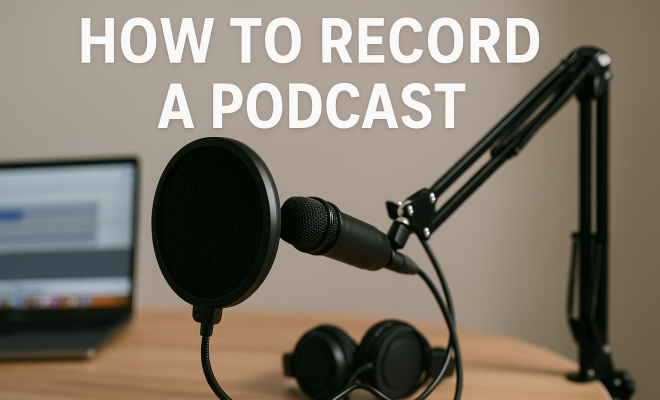
- Microphone: A good microphone is crucial. USB microphones like the Blue Yeti or the Audio-Technica ATR2100x are popular among beginners due to their ease of use and sound quality.
- Headphones: Use closed-back headphones to monitor your audio while recording. This helps you catch any issues in real time.
- Audio Interface: If you opt for an XLR microphone, you’ll need an audio interface to connect it to your computer. Devices like the Focusrite Scarlett 2i2 are reliable choices.
- Recording Software: Choose a Digital Audio Workstation (DAW) that suits your needs. Audacity is a free option with a user-friendly interface, while Adobe Audition offers more advanced features.
Investing in quality equipment can enhance your podcast’s production value, but remember that content is king. You can always upgrade as your podcast grows.
3. Creating a Recording Environment
Your recording environment can significantly impact the sound quality of your podcast. Ideally, you should find a quiet space with minimal background noise. Here are some tips to create an optimal recording environment:
- Soundproofing: Use blankets, carpets, or foam panels to dampen echoes and reduce ambient noise.
- Location: Choose a room away from traffic and loud appliances. If possible, record at times when the environment is quieter.
- Microphone Placement: Position your microphone about six inches from your mouth to ensure clear audio. Avoid speaking directly into the mic at a sharp angle to minimize plosive sounds.
Don’t underestimate the importance of a comfortable setting. The more relaxed you feel, the more natural your delivery will be, which translates to a better podcast.
4. Planning Your Content
Knowing how to record a podcast goes beyond technical details; you need a solid content plan. Start by outlining the topics you want to cover in each episode. Create a script or a bullet-point outline to keep your thoughts organized during recording.
Consider the following aspects while planning your content: (See: Understanding podcasting as a medium.)
- Episode Structure: Will you have segments or a consistent format? Decide how you want each episode to flow.
- Length: Aim for a duration that fits your content and audience preferences. Most podcasts are between 20 to 60 minutes.
- Guest Coordination: If you’re featuring guests, reach out in advance, and ensure they’re briefed on the episode’s topic and format.
Remember, engaging storytelling is key. Craft compelling narratives that draw listeners in and keep them coming back for more.
5. Recording Your Podcast
Now that you’ve set the stage, it’s time to hit that record button! Here’s a straightforward process to follow when you’re ready to record:
- Test Your Equipment: Always conduct a test run to check your levels and sound quality. Speak at your normal volume and adjust your gain accordingly.
- Use a Consistent Format: Stick to the structure you’ve planned. Whether it’s an intro, interviews, or closing remarks, consistency helps build familiarity with your audience.
- Stay Relaxed: Don’t stress about mistakes. If you fumble a word or make an error, simply continue. You can edit later.
Recording can be intimidating at first, but practice makes perfect. The more you record, the more comfortable you’ll become.
6. Editing Your Podcast
Recording is just the beginning; editing is where you can truly refine your podcast. Edit for clarity, pacing, and overall flow. Here are some tips to help you through the editing phase:
- Remove Filler Words: Eliminate unnecessary words like “uh” and “um” that can distract listeners.
- Add Music and Effects: Use royalty-free music and sound effects to enhance your podcast. Just be sure to keep them at a lower volume than your speaking voice.
- Balance Audio Levels: Use tools within your DAW to ensure consistent volume levels throughout the episode.
Editing software can be intimidating, but many resources and tutorials can help you master the basics. Remember, your aim is to create a polished final product that delivers value to your listeners.
7. Publishing and Promoting Your Podcast
Once your podcast is edited and ready to roll, it’s time to publish. Choose a reliable hosting platform such as Libsyn, Podbean, or Anchor to distribute your episodes. Here are a few crucial steps for this stage:
- Create Show Notes: Provide a summary of each episode, including key topics, guests, and links to resources. This aids in SEO and gives listeners context.
- Submit to Directories: Ensure your podcast is available on major platforms like Apple Podcasts, Spotify, and Google Podcasts to reach a wider audience.
- Marketing Strategies: Leverage social media, email newsletters, and cross-promotion with other podcasts to expand your listener base.
Consistency is key in building an audience. Establish a release schedule and stick to it, so your listeners know when to expect new content.
8. Engaging with Your Audience
The relationship you build with your audience can be one of your podcast’s greatest assets. Encourage feedback and interaction to cultivate a loyal listener base. Here’s how to engage effectively:
- Social Media Interaction: Use social media platforms to foster conversations around your podcast episodes. Responding to comments and participating in discussions can enhance listener loyalty.
- Listener Questions: Consider incorporating listener questions or feedback into your episodes. This not only encourages audience interaction but also provides valuable insights into their interests.
- Community Building: Platforms like Discord or Facebook Groups can offer an avenue for listeners to connect with each other and with you, enhancing the overall experience.
Building a community can help grow your podcast organically as listeners recommend it to their friends and family.
9. Adapting and Improving
Podcasting is a continuous learning journey. As you navigate the process of how to record a podcast, be open to adapting and improving your approach. Regularly review feedback and listen to your episodes critically. Here are some tips for ongoing improvement: (See: Tips for creating effective podcasts.)
- Analyze Metrics: Use analytics from your hosting platform to understand listener demographics and episode performance. This data can inform your future content strategy.
- Stay Updated: The podcasting landscape is ever-evolving. Stay informed about new trends, tools, and best practices by subscribing to podcasting blogs and communities.
- Experiment: Don’t be afraid to try new formats or topics. Experimentation can lead to unexpected successes and gives your audience fresh content.
The more you invest in your podcasting skills, the more you’ll see growth and engagement from your audience.
10. Understanding Podcasting Genres
One of the most exciting aspects of podcasting is the diversity of genres available. Each genre has its unique characteristics and attracts different audiences. Here are some popular podcast genres to consider:
- True Crime: This genre has exploded in popularity over the past few years, drawing in listeners who are captivated by real-life mysteries. Podcasts like “Serial” and “Criminal” are prime examples of how compelling storytelling can hook an audience.
- Comedy: Many podcasters use humor to engage their audience, with shows like “Conan O’Brien Needs A Friend” offering laughs while connecting with celebs and fans alike.
- Educational: These podcasts focus on providing information and knowledge on specific topics. Shows like “Stuff You Should Know” and “Hardcore History” attract listeners who are eager to learn.
- Business: Entrepreneurs and professionals often listen to business-related podcasts for insights and inspiration. “How I Built This” and “The Tim Ferriss Show” offer interviews with successful figures who share their journeys and advice.
Understanding the genre of your podcast can help tailor your content and marketing strategies. Consider what resonates with you and how you can carve out your niche in the podcasting landscape.
11. Interviewing Techniques
If your podcast involves guests, mastering interviewing techniques is critical for creating engaging content. Here are some tips for conducting effective interviews:
- Do Your Research: Know your guest’s background and work before the interview. This allows you to ask informed questions and engage in meaningful conversations.
- Ask Open-Ended Questions: Encourage your guests to share stories and insights by asking questions that require more than a simple “yes” or “no” answer.
- Listen Actively: Pay attention to your guest’s responses and be prepared to ask follow-up questions. This demonstrates your interest and can lead to deeper discussions.
- Create a Comfortable Atmosphere: Make your guest feel at ease to help them open up. A casual tone can foster a more natural and engaging dialogue.
Interviewing is an art that improves with practice, so don’t be afraid to hone your skills over time.
12. Utilizing Feedback for Growth
Listener feedback is invaluable when you’re learning how to record a podcast and grow your audience. Consider these approaches for collecting and utilizing feedback:
- Surveys: Create surveys to gather listener opinions on content, format, and topics they’d like to hear. Tools like Google Forms make it easy to create and distribute surveys.
- Reviews and Ratings: Encourage listeners to leave reviews on podcast platforms. Positive reviews boost your credibility, while constructive criticism can guide your improvements.
- Direct Communication: Engage directly with your audience through social media or email. Responding to comments and messages shows you value their input.
Using feedback effectively can guide your content decisions and help shape the evolution of your podcast.
13. Legal Considerations in Podcasting
As you dive deeper into podcasting, it’s essential to understand the legal considerations that come with it. Here are some key areas to keep in mind:
- Copyright: Use music, sound effects, or any content that you don’t own rights to sparingly and always seek permission or licenses when necessary. Consider using royalty-free music or services that provide licensed tracks for podcasters.
- Privacy: Be mindful of your guests’ confidentiality. If a guest shares sensitive information, respect their privacy and avoid disclosing it without their consent.
- Disclaimers: If your content could be perceived as controversial or sensitive, consider adding disclaimers to clarify your intent and avoid misunderstandings.
Being aware of these legal aspects can save you from potential issues down the line. (See: The growth of podcasting industry.)
14. Frequently Asked Questions (FAQ)
Here are some common questions about how to record a podcast that might help clarify any uncertainties:
- Do I need expensive equipment to start? No, you can start with affordable gear. Many successful podcasters use budget-friendly microphones and software.
- How often should I release episodes? Consistency is crucial. Whether weekly, biweekly, or monthly, choose a schedule that you can maintain.
- What topics should I cover? Choose topics that resonate with your interests and expertise. Consider what your target audience will find valuable and engaging.
- How can I monetize my podcast? You can explore sponsorships, merchandise, listener donations, or premium content to generate revenue.
- How do I promote my podcast effectively? Utilize social media, collaborate with other podcasters, and engage your audience to spread the word about your podcast.
15. Exploring Podcast Distribution Channels
Once you’ve created your podcast, it’s essential to understand the various distribution channels available. Getting your podcast into the right places can significantly affect your reach and audience engagement. Here are some distribution options to consider:
- Podcast Hosting Platforms: Services like Libsyn, Buzzsprout, and Podbean provide a place to upload your audio files and create an RSS feed that podcast directories use to list your show.
- Social Media Platforms: Sharing snippets or trailers on platforms like Instagram, TikTok, or Facebook can attract new listeners. Use visuals and engaging captions to get attention.
- Your Website: If you have a blog or website, consider embedding your podcast episodes directly on your pages. This not only drives traffic but can also improve your SEO.
- YouTube: Many podcasters choose to upload their audio with a static image or video to YouTube. This can give you access to a whole new audience and utilize the platform’s search capabilities.
16. Networking and Collaborating with Other Podcasters
Networking is a powerful tool in the podcasting world. Building relationships with other podcasters can lead to cross-promotion and shared audiences. Here’s how to effectively network and collaborate:
- Guest Appearances: Invite other podcasters as guests on your show, and offer to appear on theirs. This helps you tap into their audience while providing fresh content for your listeners.
- Podcasting Events: Attend industry conferences or local meetups. These events are great opportunities to meet fellow podcasters, share experiences, and learn from each other.
- Online Communities: Join online forums or groups dedicated to podcasting, such as Facebook groups or Reddit threads. Engaging in discussions can help you build connections and gather valuable insights.
17. Monetization Strategies for Your Podcast
As your podcast grows, you may want to explore monetization options to support your efforts. Here are some popular strategies:
- Sponsorships: Partner with brands relevant to your audience. Sponsored segments can provide a steady income stream if executed professionally.
- Listener Donations: Platforms like Patreon allow fans to support your podcast through monthly contributions in exchange for exclusive content or perks.
- Merchandising: Create merchandise like T-shirts, mugs, or stickers featuring your podcast’s branding. This can not only generate income but also strengthen your community identity.
- Affiliate Marketing: Promote products or services relevant to your listeners with affiliate links in your show notes. You earn a commission for every sale made through your link.
18. Building a Sustainable Podcasting Schedule
To ensure longevity in your podcasting journey, it’s important to establish a sustainable schedule. Here are some tips for creating a manageable workflow:
- Batch Recording: When possible, record multiple episodes in one session. This saves time and helps maintain momentum.
- Content Calendar: Plan your episodes in advance. A calendar can help you stay organized and ensure you’re covering a variety of topics without overwhelming yourself.
- Set Realistic Goals: Don’t overcommit. Choose a release frequency that aligns with your personal capacity and lifestyle to avoid burnout.
In summary, learning how to record a podcast involves understanding your equipment, content planning, and audience engagement. As you step into the world of podcasting, remember that the most important aspect is to share your unique voice and authentic stories. With passion and dedication, you can create a podcast that resonates with listeners and stands the test of time.
“`
Trending Now
Frequently Asked Questions
What equipment do I need to record a podcast?
To record a podcast, you'll need essential equipment such as a good microphone, like a USB microphone (e.g., Blue Yeti or Audio-Technica ATR2100x), and closed-back headphones for monitoring audio. While high-end gear can enhance quality, beginners can start with affordable options that still deliver great sound.
How do I choose a podcast format?
Choosing a podcast format involves understanding your strengths and interests. Popular formats include interviews, narratives, and roundtable discussions. Consider what aligns best with your content and audience to create engaging and resonant episodes.
What makes a podcast stand out?
To make your podcast stand out, identify your niche and target audience. Sharing unique perspectives or untold stories can differentiate your content in the crowded podcasting landscape. Engaging storytelling and consistent quality also help capture and retain listeners.
Is podcasting competitive?
Yes, podcasting is highly competitive, with over 4 million podcasts available worldwide as of 2023. To succeed, it's crucial to understand the landscape, know your audience, and find a unique angle or topic that sets your podcast apart from others.
How can I improve audio quality when recording a podcast?
Improving audio quality involves using a good microphone, recording in a quiet space, and utilizing closed-back headphones to monitor sound. Additionally, consider investing in basic audio editing software to enhance the final product and eliminate background noise.
What’s your take on this? Share your thoughts in the comments below — we read every one.