Mastering Campfire Extinguishing: A 2024 Safety Guide
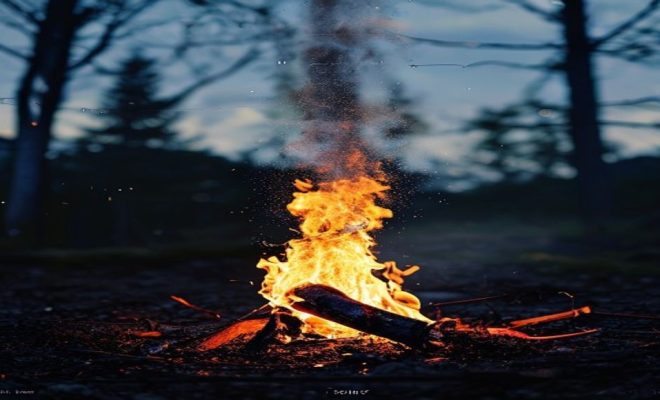
“`html
Camping is a beloved outdoor activity, but with the joy of gathering around a campfire comes a significant responsibility: ensuring it’s extinguished properly. Knowing how to put out a campfire is crucial for safety, preventing wildfires, and protecting the environment. This guide will walk you through the best practices for safely putting out a campfire, along with practical insights and the importance of responsible fire management.
1. Understanding the Importance of Proper Extinguishing
Before we dive into the methods of how to put out a campfire, let’s discuss why this is more than just a formality. Campfires can leave behind residual heat long after the flames have died down. A seemingly extinguished fire can reignite if the embers are still hot enough, posing serious risks to the surrounding area. Wildfires, which can start from improperly handled campfires, have devastating consequences for wildlife, ecosystems, and communities.
According to the National Interagency Fire Center, nearly 85% of wildfires are caused by humans. This statistic emphasizes the importance of understanding fire safety and highlights our responsibility as outdoor enthusiasts. Learning how to put out a campfire correctly is a critical step in preventing potential disasters.
2. Gathering Your Supplying Gear
To effectively extinguish a campfire, you’ll need certain supplies on hand. Before you even light your campfire, prepare for the end. The essential items you should have include:
- Water: This is the most effective way to douse flames and cool down hot coals.
- A shovel or stick: Useful for moving coals and stirring remnants to ensure everything is adequately soaked.
- Sand or dirt: If water isn’t available, using sand or dirt can help smother the fire, but it may not fully cool the coals.
- Fire gloves: Protect your hands when handling hot materials.
Having these supplies ready before you start your campfire is an essential step toward responsible camping. Not only will it save you time when you’re ready to extinguish the fire, but it also reinforces the habit of being prepared.
3. Step-by-Step: How to Put Out a Campfire
Now that you’re prepared, let’s go through the step-by-step process of how to put out a campfire. Each step is essential to ensure that your fire is completely extinguished:
- Let the Fire Burn Down: Allow the fire to burn down to ash and embers as much as possible before extinguishing it. This minimizes the amount of heat you’ll need to deal with.
- Sprinkle Water: Carefully sprinkle water over the ashes. Start with a small amount to gauge the reaction. It should sizzle and steam as it cools the coals.
- Stir the Ashes: Use a shovel or stick to stir the ashes and coals. This helps to expose hidden hotspots that may still be burning.
- Add More Water: After stirring, add more water until the sizzling stops. You want all the ashes to be cool to the touch.
- Check for Heat: Use your hand (with gloves) to feel the ashes and coals. If any part is still warm, add more water and stir again.
- Dispose of Ashes Properly: Once you’re confident the fire is out, dispose of the ashes in a designated area or according to the campsite’s rules.
- Final Check: Before leaving the site, ensure that all evidence of the fire is gone, and the area is safe for wildlife and other campers.
Following these structured steps offers a comprehensive understanding of how to put out a campfire effectively, ensuring that no hot embers are left behind.
4. Alternative Methods: Smothering and Dirt Application
In some circumstances—particularly where water is scarce—you may need to rely on alternative methods to put out your campfire. Smothering the fire with dirt or sand is a widely used technique. Here’s how it works:
Start by carefully covering the fire with dirt or sand. This method works by cutting off the fire’s oxygen supply, essentially suffocating it. Make sure to use enough material to cover the entire fire pit, and remember that dirt or sand may not cool the coals down to a safe temperature. It’s still essential to check for hot spots after applying. (See: National Interagency Fire Center.)
While these methods can effectively extinguish flames, keep in mind that they are not as reliable as using water. Always try to have a water source available when possible, as it ensures the quickest and most efficient extinguishing process.
5. Tips for Preventing Campfires from Rekindling
After learning how to put out a campfire, prevention is the next step. An important aspect of fire safety is not just extinguishing the fire but ensuring it doesn’t reignite. Here are a few tips:
- Thorough Cooling: Always ensure that the ashes are completely cool to the touch before considering the fire out.
- Dispersing Ashes: Spread the ashes over a larger area to promote a quicker cooling process.
- Monitor Weather Conditions: If you’re camping in dry conditions, be extra vigilant about your fire’s status. Wind conditions can also affect how quickly a fire can reignite.
- Use Fire Rings: If available, use designated fire rings or pits. They help confine the fire and make extinguishing easier.
By taking these steps, you not only practice good camping etiquette but also contribute to the safety of the wilderness.
6. Understanding Fire Restrictions and Regulations
Knowing how to put out a campfire is just part of the equation. It’s equally important to stay informed about fire restrictions and regulations in the area where you plan to camp. Many regions have specific guidelines based on weather conditions, fire danger levels, and local wildlife.
For instance, during periods of high fire danger, some parks may completely ban open fires or restrict them to designated areas. Always check with local authorities or park services for the latest regulations before you light your fire. This not only keeps you compliant with the law but also helps protect the environment and surrounding communities.
7. The Environmental Impact of Campfires
Lastly, understanding the broader environmental impact of campfires is crucial to developing responsible camping habits. Campfires can contribute to air pollution, affecting both wildlife and the natural landscape. Smoke from campfires releases particulate matter and other pollutants into the air, which can lead to respiratory issues and degrade the quality of the environment.
Furthermore, campfires can leave lasting scars on the landscape, especially if they are not properly extinguished. As a camper, it’s your responsibility to minimize your impact on the environment. Choose designated fire pits, limit campfire size, and always practice how to put out a campfire effectively. These steps promote a healthier ecosystem for future generations to enjoy.
8. Common Misconceptions About Campfire Safety
Many people have misconceptions about campfire safety that can lead to dangerous situations. One common myth is that a fire is completely out if it doesn’t have visible flames. In reality, even small embers can remain hot enough to reignite if left unattended. Another misconception is that water alone is sufficient to extinguish a fire when, in fact, it must be combined with proper stirring and checking for heat.
It’s also worth noting that some campers believe that simply covering a fire with dirt or sand is a foolproof method of extinguishing it. While this can work, it requires vigilance in ensuring all embers are cool and not just buried. Understanding these misconceptions can help you take more effective measures for safety while camping.
9. Statistics on Campfires and Wildfires
Statistics can provide a sobering reminder of the importance of campfire safety. According to the U.S. Forest Service, more than 90% of wildfires in the United States are caused by human activity, with campfires being one of the leading causes. In 2020, an estimated 3.4 million acres were burned due to wildfires, a stark reminder of the potential devastation caused by improper fire management. (See: US Forest Service Fire Management.)
Additionally, the National Park Service reported that in popular camping areas, the risk of wildfires often increases during the summer months when temperatures are high and humidity is low. Therefore, taking the necessary precautions when putting out a campfire is not just a good practice; it’s essential for protecting our forests and communities.
10. Expert Opinions on Campfire Management
Experts in the field of fire safety emphasize the importance of education regarding campfires. Ranger Sarah Jones from the National Park Service notes, “Education is key. Many campers are unaware that even the smallest embers can lead to catastrophic wildfires if not managed properly.” This perspective underscores the vital role that knowledge plays in preventing fires.
Fire management expert Dr. Mark Thompson adds, “Individuals should be encouraged to participate in local fire safety workshops. Understanding fire behavior and the ecosystem can turn casual campers into responsible stewards of the land.” These insights highlight the importance of continual learning and community involvement in campfire safety initiatives.
11. Frequently Asked Questions (FAQ)
What is the best way to extinguish a campfire?
The best way to extinguish a campfire is to douse it with water, stir the ashes, and check for heat. Make sure all embers are cool to the touch before leaving the site.
Can I just bury my campfire with dirt?
Burying a campfire with dirt can help smother it, but it might not cool the coals adequately. Always check for heat after smothering to ensure the fire is completely out.
How long should I wait after extinguishing my campfire?
It’s best to wait at least 30 minutes after extinguishing your campfire before leaving the area. During this time, regularly check for any signs of heat.
What should I do if my campfire starts to rekindle?
If you see smoke or flames coming back, immediately use water to douse it again. Stir the ashes and ensure no hot coals are hidden under the surface.
Are there areas where campfires are not allowed?
Yes, many parks and campgrounds have designated fire restrictions, especially during high fire danger periods. Always check local regulations before starting a campfire.
What are the signs that a campfire is out?
The signs that a campfire is out include the absence of flames or smoke, and that the ashes are cool to the touch. Always verify by checking multiple areas of the fire pit. (See: National Park Service Campfire Safety.)
12. Extra Safety Measures to Consider
In addition to knowing how to put out a campfire properly, there are several extra safety measures you can take to enhance your camping experience.
- Choose the Right Location: Setup your campfire in a designated area that’s cleared of vegetation and other flammable materials. Always maintain a safe distance from tents and other structures.
- Keep a Bucket of Water Nearby: Having a bucket of water or a fire extinguisher nearby ensures that you’re prepared in case the fire gets out of control.
- Limit the Size of Your Fire: A large fire is harder to control and extinguish. Keep your campfire small and manageable.
- Teach Others: If you’re camping with friends or family, take the time to teach them the proper campfire etiquette and safety practices. This way, everyone is on the same page.
13. The Role of Technology in Fire Management
In recent years, technology has played a crucial role in fire management and prevention. Drones equipped with thermal imaging can identify hotspots in large areas, while mobile apps can provide real-time updates on fire danger levels and restrictions. Some campsites even have smart technology that alerts campers to potential fire hazards based on current weather conditions.
Using such technologies not only enhances safety but also empowers campers to make informed decisions about open fire usage. Familiarize yourself with available tools to ensure a safer camping experience.
14. Post-Campfire Clean-Up
After ensuring your fire is entirely out, it’s vital to consider the post-campfire clean-up. Many campers leave behind charred wood, leftover food, and other debris that can harm wildlife and the environment. Here are some cleanup tips:
- Dispose of All Waste Properly: Always pack out what you pack in. Use designated trash bins or take waste back home.
- Leave No Trace Principles: Follow the Leave No Trace principles by minimizing your impact on nature. This means leaving the site as you found it.
- Restore the Area: If the ground is scorched or marked, consider restoring it by raking the soil or planting grass seeds if permitted.
15. Denial of Responsibility: Personal Responsibility in Camping
Every camper must acknowledge their role in the safety of the wilderness. By understanding how to put out a campfire and taking proper precautions, each individual contributes to minimizing the risk of wildfires and protecting the environment. Remember, your actions impact not just your experience but that of future campers and the health of natural ecosystems.
16. Conclusion
Camping is an enjoyable way to connect with nature and unwind, but it comes with responsibilities. Understanding and implementing proper campfire extinguishing methods is one way to ensure the safety of the environment and all who enjoy it. So next time you sit around the fire, remember: the real end to your camping experience is knowing how to put out a campfire the right way.
“`
Trending Now
Frequently Asked Questions
What is the best way to put out a campfire?
The best way to put out a campfire is to pour water over the flames and coals until they are completely extinguished. Stir the ashes and coals with a shovel or stick to ensure that all embers are soaked and cool. If water isn't available, using sand or dirt can help smother the fire, but it may not fully cool the coals.
How do you know when a campfire is completely out?
A campfire is completely out when there are no visible flames or smoke and the ashes and coals are cool to the touch. It’s important to stir the ashes to check for any remaining hot spots that could reignite. Always ensure the area is cold before leaving to prevent wildfires.
What supplies do you need to extinguish a campfire?
To extinguish a campfire effectively, you need water, a shovel or stick for stirring, sand or dirt if water isn't available, and fire gloves to protect your hands. Having these supplies ready before lighting the campfire is crucial for safe extinguishing.
Why is it important to properly put out a campfire?
Properly putting out a campfire is crucial to prevent wildfires and protect the environment. Even seemingly extinguished fires can reignite if embers remain hot. Responsible fire management ensures the safety of wildlife, ecosystems, and communities, as nearly 85% of wildfires are caused by human activity.
Can you use dirt to put out a campfire?
Yes, you can use dirt to put out a campfire if water is not available. Pouring dirt or sand can help smother the fire, but it may not cool the coals completely. It’s advisable to check the temperature of the ashes afterward to ensure they are cool before leaving the site.
What's your take on this? Share your thoughts in the comments below — we read every one.