Master the Art of Poaching Eggs Perfectly
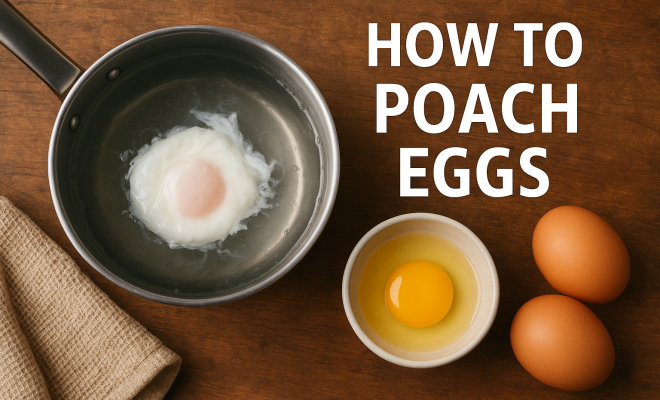
“`html
Poached eggs are a breakfast delight that can elevate your morning routine. Whether you’re enjoying them on toast, in a salad, or as part of a classic Eggs Benedict, learning how to poach eggs is a skill every home cook should master. In this comprehensive guide, we’ll explore the history, techniques, tips, and variations of poached eggs to help you prepare this delicious dish effortlessly.
1. The History of Poached Eggs
Poached eggs have a rich history that dates back centuries, with origins tied to various cultures. In fact, the term “poach” comes from the French word “pocher,” which means to “poach” or cook in simmering liquid. This cooking method became popular in European kitchens during the 19th century, particularly in France and England.
Interestingly, poached eggs were not always a breakfast staple. In medieval times, they were often part of complex dishes served at banquets. As culinary trends evolved, so did the popularity of poached eggs, which eventually found their way into breakfast menus worldwide. Today, they are cherished for their delicate texture and nutritional benefits, making them a favored choice for health-conscious eaters.
2. The Science Behind Poaching Eggs
Understanding how to poach eggs starts with the science of cooking them properly. When you poach an egg, you’re gently cooking the egg white while keeping the yolk runny. This is achieved by immersing the egg in simmering water, which causes the proteins in the egg to coagulate without becoming rubbery.
The perfect poach occurs when the water temperature hovers around 180°F to 190°F (82°C to 88°C). At this temperature, the egg whites set quickly, while the yolk remains creamy. Did you know that adding a splash of vinegar can help? The acidity moves the coagulation process along, allowing for a tighter egg white that holds its shape better during cooking.
3. Essential Tools for Poaching Eggs
Before diving into the poaching process, gather the necessary tools to ensure a smooth cooking experience:
- Deep Saucepan: A wide, deep saucepan is ideal for poaching. It allows enough water for the egg to float freely.
- Slotted Spoon: This handy tool lets you easily remove the poached egg from the water without damaging it.
- Small Bowl: Crack the egg into a small bowl first. This makes it easier to slide the egg into the water gently.
- Thermometer: If you want precision, a kitchen thermometer can ensure the water is at the perfect temperature.
- Vinegar: As mentioned, a little vinegar can help the egg whites coagulate faster, so keep a bottle handy.
4. How to Poach Eggs: Step-by-Step Guide
Now that you’re equipped with the right tools, let’s walk through the steps for perfect poached eggs:
- Prepare the Water: Fill your saucepan with water and bring it to a gentle simmer over medium heat. Add a tablespoon of vinegar if desired.
- Crack the Egg: Crack your egg into a small bowl, ensuring you don’t break the yolk.
- Swirl the Water: Use a spoon to create a gentle whirlpool in the simmering water. This helps the egg white wrap around the yolk.
- Slide in the Egg: Carefully slide the egg from the bowl into the center of the whirlpool. This will help it maintain a nice shape.
- Cook: Let the egg poach for about 3-4 minutes for a runny yolk or a bit longer if you prefer a firmer yolk.
- Remove and Drain: Use the slotted spoon to lift the poached egg out of the water and let it drain on a paper towel.
- Serve: Enjoy your poached egg as is, or serve it over toast, in a salad, or with your favorite sauce.
5. Troubleshooting Common Poaching Problems
Even seasoned cooks can run into issues while mastering how to poach eggs. Here are some common problems and their solutions:
- Frayed Egg Whites: If the egg whites spread out in the water, the water may be boiling too vigorously. Reduce the heat to maintain a gentle simmer.
- Overcooked Yolks: If your yolks are too firm for your liking, adjust your cooking time. Experiment with 30-second increments until you find your ideal poach time.
- Egg Sticking to the Bottom: If your egg sticks to the bottom of the pan, try stirring the water before adding the egg or use a non-stick pan.
6. Health Benefits of Poached Eggs
Poached eggs are not just delicious; they also come with a host of health benefits. Eggs are a great source of high-quality protein, providing essential amino acids that your body needs to function effectively. One large egg contains about 6 grams of protein, along with vitamins A, B12, D, and riboflavin.
Moreover, poached eggs are lower in calories compared to fried eggs that use oil or butter. They’re also free from any added fats, making them a heart-healthy option. Eating poached eggs can contribute to feelings of fullness, which may aid in weight management. They’re perfect for a protein-packed breakfast that doesn’t compromise on flavor.
7. Creative Variations on Poached Eggs
Once you’ve mastered classic poached eggs, the fun doesn’t stop there! Here are some creative ways to enjoy them:
- Eggs Benedict: A classic brunch staple, poached eggs are served on an English muffin with Canadian bacon and topped with hollandaise sauce.
- Shakshuka: This North African and Middle Eastern dish features poached eggs in a spicy tomato sauce, often served with crusty bread.
- Avocado Toast: Top your smashed avocado toast with a poached egg for added protein and a deliciously rich flavor.
- Salads: Add poached eggs to salads for a boost of flavor and nutrition. They pair wonderfully with greens and vinaigrettes.
8. Storing and Reheating Poached Eggs
While poached eggs are best enjoyed fresh, you can store leftovers for a short time. If you have poached eggs you need to save, place them in a bowl of cold water and cover them with plastic wrap. They’ll keep in the refrigerator for up to two days.
To reheat, gently warm some water in a saucepan until it simmers, then place the refrigerated poached egg in the water for about 30 seconds. This method helps to warm the egg without overcooking it. Remember, though, that reheated poached eggs may not have quite the same texture as fresh ones.
9. The Current Relevance of Poached Eggs
In a time when health-conscious eating is on the rise, poached eggs have become a trendy choice among food enthusiasts. Their versatility, nutritional value, and ease of preparation make them a prime candidate for breakfast, brunch, or even dinner dishes. Additionally, as more people turn to plant-based diets, poached eggs can complement a variety of vegetarian recipes.
With the growing popularity of brunch culture and the emphasis on culinary skills, knowing how to poach eggs is a valuable asset. As you experiment with different flavors and presentations, you’ll find poached eggs can adapt to your tastes and dietary preferences.
10. Advanced Techniques for Poaching Eggs
If you’re eager to elevate your poaching skills beyond the basics, consider exploring some advanced techniques that can give you more control over the final product:
- Water Temperature Variations: For a more precise poach, consider using an immersion circulator to maintain a specific temperature. This sous-vide method allows you to poach eggs perfectly every time, retaining their delicate structure while achieving a variety of desired yolk consistencies.
- Using Egg Poaching Cups: If you want to avoid the swirling technique, egg poaching cups can be a game-changer. These silicone or metal cups allow you to poach eggs in a water bath without the chance of the egg white spreading out. Just grease the cups lightly, add an egg, and place them in simmering water.
- Poaching in Broth: For a flavorful twist, try poaching eggs in broth instead of plain water. This infuses the egg with an extra layer of taste, perfect for soups or savory dishes.
11. Pairing Poached Eggs with Other Ingredients
Poached eggs are incredibly versatile and can be paired with a wide range of ingredients to create delicious meals. Here are some ideas:
- Cheese: Add grated cheese like feta or Parmesan on top of your poached eggs for a salty kick. Melted cheese can create a rich contrast with the creamy yolk.
- Herbs: Fresh herbs like chives, parsley, or dill can brighten up your poached egg dishes. A sprinkle of herbs adds color and enhances flavor.
- Spices: Experiment with spices like smoked paprika, cayenne, or even za’atar to give your poached eggs a unique twist.
- Protein: Include other proteins like smoked salmon, bacon, or sautéed greens for a more substantial meal that combines textures and flavors.
12. Frequently Asked Questions about Poached Eggs
Got questions about poaching eggs? Here are some of the most common queries answered:
- Can I use frozen eggs for poaching? Yes, you can poach frozen eggs, but they should be thawed beforehand. Use them immediately after thawing for the best results.
- Is it okay to poach eggs without vinegar? Absolutely! While vinegar helps to keep the egg whites from spreading, you can still achieve poached eggs without it. Just be sure to maintain a gentle simmer.
- How many eggs can I poach at once? You can typically poach 2-4 eggs at a time in a standard saucepan, depending on its size. Ensure there’s enough space between each egg to prevent them from sticking together.
- What’s the best way to tell when a poached egg is done? A poached egg is done when the white is fully set, and the yolk still jiggles slightly when gently shaken. If you prefer a firmer yolk, allow it to cook a bit longer.
- Can I poach eggs ahead of time for meal prep? Yes, you can poach eggs in advance and refrigerate them for a couple of days. Just reheat them in simmering water before serving.
13. Incorporating Poached Eggs into Your Meal Prep
Meal prepping with poached eggs can save time during busy weeks. Here’s how to incorporate poached eggs into your meal prep routine:
- Batch Cooking: Make a large batch of poached eggs at once. Store them individually in bowls of cold water in the fridge. This way, you can grab and reheat as needed for breakfast or lunch.
- Versatile Bowls: Use poached eggs as a protein source in grain bowls. Combine them with quinoa, brown rice, veggies, and your favorite dressing for a nutritious meal.
- Breakfast Sandwiches: Prepare breakfast sandwiches with poached eggs, avocado, and spinach. Wrap them in foil and freeze, then simply reheat in the oven for a quick bite.
14. Global Variations of Poached Eggs
Poached eggs are celebrated across the globe, each culture adding its unique twist. Here’s how different regions enjoy poached eggs:
- Eggs Florentine: A variation of Eggs Benedict that substitutes spinach for Canadian bacon, offering a vegetarian option that’s equally delicious.
- Turkish Menemen: In Turkey, poached eggs are often served in a skillet with sautéed tomatoes, green peppers, and spices, making for a hearty breakfast dish.
- Japanese Tamago: While not poached in the traditional sense, Japanese tamago dishes often feature eggs cooked gently, resulting in a soft and silky texture that’s reminiscent of poached eggs.
15. Expert Tips for Poaching Eggs Like a Pro
If you’re looking to elevate your poaching game, consider these expert tips:
- Fresh Eggs: The fresher the egg, the better the poach. Fresh eggs have tighter whites, which hold together better during cooking.
- Don’t Overcrowd: If you’re poaching multiple eggs, give them enough room in the water. This helps them cook evenly and prevents sticking.
- Skip the Salt in the Water: Adding salt to the poaching water can cause the egg whites to become less cohesive. It’s better to add salt after cooking.
16. Innovative Recipes Featuring Poached Eggs
Here are some innovative recipes that highlight the versatility of poached eggs:
- Poached Egg Ramen: Enhance a bowl of ramen noodles with a perfectly poached egg, adding richness and depth to the broth.
- Spicy Poached Eggs with Coconut Milk: Cook poached eggs in a spicy coconut milk sauce for a flavorful twist, served with rice or naan.
- Breakfast Tacos: Fill corn tortillas with scrambled eggs, fresh salsa, and top with a poached egg for a delicious breakfast option.
Mastering how to poach eggs isn’t just about technique; it’s an art that can enhance your culinary repertoire. By understanding the history, science, and variations of poached eggs, you’re not just cooking—you’re creating a delicious experience that can be enjoyed at any time of day.
“`
Trending Now
Frequently Asked Questions
What is the best way to poach an egg?
The best way to poach an egg is to simmer water between 180°F to 190°F (82°C to 88°C). Crack the egg into a small bowl, gently slide it into the simmering water, and cook for about 3-4 minutes until the whites are set but the yolk remains runny. Adding a splash of vinegar can help the egg whites coagulate better.
How long does it take to poach an egg?
Poaching an egg typically takes about 3 to 4 minutes. This allows the egg whites to set while keeping the yolk runny. The timing can vary slightly based on the size of the egg and your desired level of doneness.
Do you need vinegar to poach eggs?
While vinegar is not strictly necessary, adding a splash to the poaching water can help the egg whites coagulate more effectively, resulting in a neater shape. The acidity of the vinegar enhances the coagulation process, making it easier to achieve a perfect poach.
What is the history of poached eggs?
Poached eggs have a rich history dating back centuries, with origins tied to various cultures. The term 'poach' comes from the French word 'pocher.' This cooking method became popular in European kitchens during the 19th century and has evolved into a beloved breakfast staple worldwide.
What equipment do I need to poach eggs?
To poach eggs, you'll need a pot for simmering water, a slotted spoon for removing the eggs, and optionally, a small bowl to crack the eggs into before adding them to the water. A thermometer can also be helpful to ensure the water is at the right temperature.
Agree or disagree? Drop a comment and tell us what you think.