Master the Ollie: Your Ultimate Skateboard Trick Guide
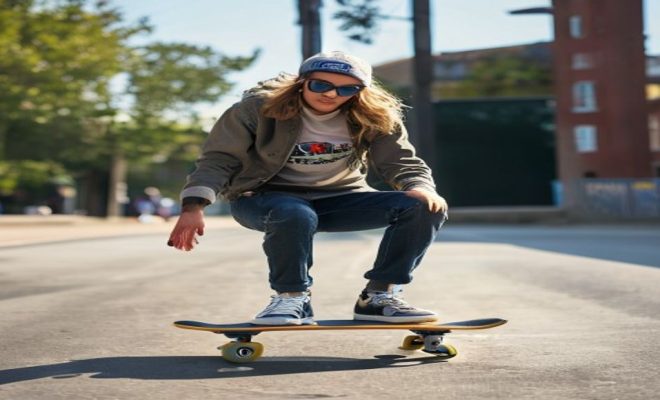
Skateboarding is not just a sport; it’s an art form, a lifestyle. Among the numerous tricks that skaters aspire to master, the ollie stands out as the foundational move. It’s the gateway to a wide array of other tricks and techniques. Whether you’re a beginner or looking to refine your skills, understanding how to ollie is crucial for every skateboarder. In this guide, we’ll break down everything you need to know about performing an ollie, including techniques, tips, common mistakes, and its relevance in today’s skateboarding culture.
1. The Origins of the Ollie
The ollie was popularized in the late 1970s and early 1980s by skateboard legend Alan ‘Ollie’ Gelfand. He developed the trick while riding in a skate park in Florida, and it was revolutionary because it allowed skaters to lift their boards off the ground without using their hands. Before the ollie, skaters primarily performed tricks that involved grabbing the board with their hands or using ramps. The ollie changed the game, making aerial tricks and street skating possible.
As skateboarding evolved, so did the ollie. It became a fundamental part of skateboarding, serving as a launching point for countless other tricks such as the kickflip, pop shove-it, and more. Today, the ollie is a staple in any skater’s repertoire and is widely recognized as the first trick a skater should learn.
2. Understanding the Mechanics of the Ollie
To truly master how to ollie, it’s essential to understand the mechanics behind the trick. The ollie is primarily a combination of timing, balance, and technique. At its core, the ollie involves a few key steps: the pop, the drag, and the land.
The first step is the pop, which involves pressing down on the tail of the skateboard while simultaneously jumping into the air. This motion creates upward momentum. Next comes the drag, where you slide your front foot up the board’s grip tape towards the nose. This motion helps to level the board in the air and keeps it underneath you as you land. Finally, the landing requires you to bend your knees to absorb the impact and ensure a smooth descent.
3. Step-by-Step Guide to Performing an Ollie
Now that you have a grasp on the mechanics, let’s get into the nitty-gritty of how to ollie step by step. Follow these instructions carefully, and practice regularly to improve your technique:
- Position Yourself: Start by standing on your skateboard with your feet in the correct stance. Your back foot should be on the tail, and your front foot should be placed about a foot away from the front bolts.
- Pop the Tail: Press down hard on the tail with your back foot. This action should be quick and forceful, launching the board into the air.
- Jump: As you pop the tail, jump upward. This is where timing is crucial; your jump should coincide with the popping of the tail.
- Drag Your Foot: As you ascend, slide your front foot up towards the nose of the board. This motion keeps the board close to you and helps level it out.
- Level the Board: Once your front foot reaches the nose, shift your weight slightly back to keep the board from tilting.
- Land: Prepare to land by bending your knees upon descent. Aim to land with both feet over the bolts for stability.
Repeat these steps consistently, and you’ll be on your way to mastering the ollie!
4. Common Mistakes to Avoid
Learning how to ollie isn’t without its challenges. Many beginners make common mistakes that hinder their progress. Here are some pitfalls to watch out for:
- Not Popping Hard Enough: A weak pop can lead to a low ollie, resulting in the board not leaving the ground. Make sure to apply sufficient pressure on the tail.
- Incorrect Foot Placement: If your feet are positioned incorrectly, it can affect your balance and control. Ensure your back foot is firmly on the tail and your front foot is in the right spot.
- Dragging Too Late: The timing of the drag is crucial. Dragging your front foot too late can lead to losing control, while dragging too soon can cause the board to tilt.
- Not Bending Your Knees: Landing without bending your knees can lead to falls or injuries. Always absorb the landing with your knees to maintain balance.
By being aware of these common mistakes, you can adjust your technique and progress faster. (See: Ollie in skateboarding history.)
5. Practice Tips for Mastering the Ollie
Like any skill, mastering the ollie requires practice and dedication. Here are some effective tips to help you improve your ollie:
- Find the Right Environment: Start practicing in a flat, open space where you feel comfortable and safe. Avoid crowded areas where distractions can disrupt your focus.
- Use Visual Aids: Watching tutorial videos can be immensely helpful. Pay attention to the foot placements and timing of experienced skaters to visualize your movements.
- Record Yourself: Film your practice sessions to identify areas for improvement. Reviewing your technique helps you catch mistakes you may not notice in real-time.
- Practice Regularly: Consistency is key. Set aside time to practice every week, even if it’s just for a short session. Over time, your muscle memory will develop, making the ollie feel more natural.
Remember, every skater progresses at their own pace. Don’t get discouraged if it takes time to master the ollie.
6. The Ollie Variations
Once you’ve nailed the basic ollie, you might be eager to explore the variations that expand your skating repertoire. Here are a few popular ollie variations to consider:
- Ollie North: This trick involves lifting the front wheels higher than the back, creating an upward motion that resembles an ollie but with a twist.
- Ollie to Fakie: After performing an ollie, you land in a fakie stance (riding backward) instead of going forward. This adds a new dimension to your trick sequence.
- Ollie 180: This trick combines an ollie with a 180-degree turn, allowing you to rotate your body while keeping the board beneath you.
- Ollie over Obstacles: Once you’re comfortable with the ollie, try clearing small obstacles like curbs or cones. This will test your control and confidence.
Exploring these variations can make your skating more dynamic and enjoyable.
7. The Ollie in Skateboarding Culture
The ollie is more than just a trick; it has become a cultural symbol within the skateboarding community. From skate parks to urban streets, the ollie represents freedom, creativity, and individuality. It’s often seen in professional competitions, video parts, and skateboarding documentaries, showcasing the skill and artistry that goes into executing the trick.
Moreover, the ollie has influenced other areas of pop culture. It’s often referenced in films, music videos, and advertisements. The trick embodies the spirit of youth, rebellion, and self-expression that skateboarding promotes. For many, learning how to ollie is a rite of passage that connects them to the broader skateboarding world.
8. Resources for Further Learning
To truly master the ollie and continue your skateboarding journey, consider utilizing various resources available online and offline. Here are some recommendations:
- YouTube Tutorials: Many skateboarding channels offer comprehensive tutorials and tips for mastering the ollie and its variations.
- Skateboarding Classes: If you prefer hands-on learning, joining a local skateboarding class can provide personalized guidance and feedback.
- Skateboarding Forums: Engaging with online communities allows you to share experiences, ask questions, and receive advice from fellow skaters.
- Books on Skateboarding: Some books detail the history and techniques of skateboarding, providing valuable insights into mastering the ollie.
Exploring these resources can deepen your understanding and enhance your skills.
9. Frequently Asked Questions (FAQ)
What is the best age to learn how to ollie?
There’s no specific age limit for learning how to ollie. Many start as young as five or six, but older beginners can absolutely learn as well. The key is to ensure that you feel comfortable on the skateboard and are ready to practice regularly.
Do I need special equipment to learn how to ollie?
While you can learn how to ollie on any skateboard, it’s recommended to use a well-maintained skateboard that fits your size and skill level. Ensure your skateboard has good grip tape, and consider wearing protective gear like a helmet and pads to prevent injuries.
How long does it take to learn how to ollie?
The time it takes to learn the ollie varies for each individual. Some might grasp the basics within a few hours, while others may take weeks or months to feel comfortable. Regular practice is essential, so don’t rush the process. Everyone learns at their own pace! (See: Skateboarding's cultural impact.)
What are some advanced tricks that use the ollie?
Once you’ve mastered the ollie, you can move on to advanced tricks like the kickflip, heelflip, and skateboard grabs. Each of these tricks builds upon the basic ollie motion, requiring additional foot placement and body movement techniques.
Can I learn how to ollie on a longboard?
While the ollie can be performed on a longboard, it’s generally more challenging due to the board’s length and flexibility. If you’re a longboarder, consider practicing the ollie on a standard skateboard first to get the mechanics down.
Is the ollie necessary for every skater?
While the ollie is a foundational trick, not every skater will need to use it in their style of skating. Some skaters may focus more on cruising or downhill riding, but for street and park skaters, the ollie is an essential skill that opens up many possibilities for tricks and transitions.
10. Tips from Professional Skaters
Learning how to ollie can be made easier with insight from professional skaters. Many pro skaters have shared their tips and tricks that can help you along your journey:
- Stay Relaxed: Skating is all about flow. If you’re tense, you might restrict your movement. Relax your body and let your skateboard do the work with your guidance.
- Focus on Your Landings: Landing is just as crucial as taking off. Practice landing on both feet and make it a habit to absorb the impact with your knees.
- Be Patient: Even the pros didn’t nail their ollies on the first try. If you’re struggling, take a break, and return with a fresh perspective.
- Experiment: Don’t be afraid to try different placements or modifications to your ollie. Each skater has a unique style, and finding what works for you is key.
11. The Evolution of the Ollie
Over the years, the ollie has not only remained a staple trick but has also evolved significantly. With advancements in skateboard design and technology, the ollie has seen variations that make it even more exciting. For instance, skaters have begun to develop tricks like the “ollie flip,” which combines the ollie with a flip of the skateboard, creating a mesmerizing effect.
Furthermore, the ollie has influenced other extreme sports, including snowboarding and BMX. Snowboarders have adapted the ollie to catch air off jumps, while BMX riders utilize the same explosive motion to launch off ramps. This cross-pollination of techniques showcases the ollie’s versatility beyond just skateboarding, emphasizing its importance as a foundational skill across various sports.
12. The Ollie and Its Impact on Skateboarding Techniques
The ollie serves as a building block for many other skateboard tricks, including grinds and slides, which are essential in street and vert skating. Learning how to ollie effectively can greatly enhance a skater’s overall skill set.
For example, when transitioning to tricks such as the Smith grind or the feeble grind, the ollie is a crucial component that allows skaters to get the necessary height and control. The ollie also plays a pivotal role in aerial tricks performed in halfpipes and bowls, where skaters need to gain height and maintain balance while performing flips and spins.
Statistics show that approximately 80% of advanced tricks seen in skateboarding competitions rely on a solid ollie as a starting point. This statistic highlights the importance of mastering the ollie for anyone serious about advancing their skills. (See: Skateboarding biomechanics study.)
13. Community and Collaboration
Skateboarding is as much about the community as it is about the tricks. The ollie has a unique way of bringing skaters together, whether they’re sharing tips at the skate park or filming videos for social media. Many local skate parks host ollie contests to encourage skaters to show off their skills and creativity.
These events foster a sense of camaraderie among skaters, providing a platform for individuals to showcase their progress and inspire one another. Additionally, online platforms and forums allow skaters from all around the world to connect, offering advice and sharing their experiences with learning the ollie.
Collaborative projects, such as skateboard videos showcasing different ollie variations, also contribute to the culture and evolution of the ollie. These videos often highlight unique interpretations of the ollie, encouraging creativity and individual expression.
14. Tips for Overcoming Frustration While Learning the Ollie
It’s normal to feel frustrated during the learning process. Here are some strategies to help you overcome these feelings:
- Set Realistic Goals: Break down your practice sessions into achievable goals. Instead of aiming to perfect the ollie in one session, focus on mastering one component at a time.
- Take Breaks: If you find yourself getting frustrated, take a short break. Stepping away can provide a fresh perspective and help you return to the skateboard with renewed energy.
- Join a Skate Group: Practicing with others can provide motivation and encouragement. A group can also offer constructive feedback and new ideas for improving your ollie.
- Celebrate Small Wins: Acknowledge your progress, no matter how minor. Each small improvement is a step toward mastering the ollie.
15. Conclusion: The Journey of Mastering the Ollie
In the world of skateboarding, the ollie is a fundamental trick that serves as a gateway to a plethora of other maneuvers. While mastering how to ollie may take time and perseverance, the journey is worth it. With consistent practice, patience, and a willingness to learn from mistakes, anyone can become proficient in this essential skill.
So, grab your skateboard, find a safe spot, and start practicing! The ollie not only opens doors to more complex tricks but also solidifies your place within the vibrant skateboarding community.
Trending Now
Frequently Asked Questions
What is the ollie in skateboarding?
The ollie is a fundamental skateboarding trick that allows riders to lift their board off the ground without using their hands. It involves a combination of timing, balance, and technique, making it essential for performing various other tricks.
How do you perform an ollie on a skateboard?
To perform an ollie, start by pressing down on the tail of the skateboard while jumping into the air. As you jump, slide your front foot up the board towards the nose to level it out before landing.
Why is the ollie important for skateboarders?
The ollie is crucial for skateboarders as it serves as the foundation for many other tricks, such as the kickflip and pop shove-it. Mastering the ollie opens up a wide array of possibilities in skateboarding.
Who invented the ollie trick?
The ollie was popularized by skateboard legend Alan 'Ollie' Gelfand in the late 1970s. He developed this revolutionary trick in a Florida skate park, changing the way skaters performed aerial tricks.
What are common mistakes when learning to ollie?
Common mistakes when learning to ollie include not getting enough pop, failing to slide the front foot properly, and not landing with both feet over the bolts. Proper technique and practice can help overcome these issues.
Agree or disagree? Drop a comment and tell us what you think.