How to interpret dreams
“`html
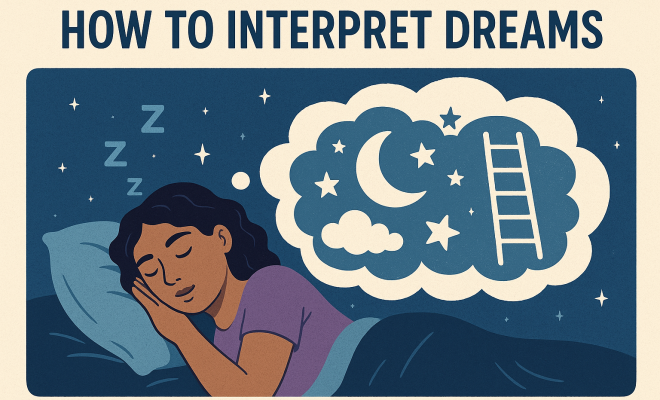
Dreams have captivated humanity for centuries, sparking curiosity and intrigue about their meanings. From ancient civilizations to modern psychology, the quest to interpret dreams has taken many forms. Today, with the rise of technology, dream interpretation apps are making this ancient practice accessible to everyone. In this article, we’ll explore how to interpret dreams, discussing key concepts, historical perspectives, and practical insights that can guide you on your journey into the mysterious world of dreams.
1. The Science and Psychology of Dreams: Understanding What Happens When We Sleep
Understanding dreams starts with grasping the science of sleep. The average adult spends approximately six years of their life dreaming, primarily during the REM (Rapid Eye Movement) sleep phase. During this time, the brain is highly active, almost resembling its functioning when awake. Theories on why we dream vary widely, but many psychologists agree that dreams may serve vital functions, such as processing emotions, consolidating memories, and offering insights into our waking lives.
Sigmund Freud famously suggested that dreams are the “royal road to the unconscious.” He viewed them as manifestations of our repressed desires and anxieties, often interpreting them with a focus on symbolism. Conversely, Carl Jung believed dreams connect us to our collective unconscious, offering archetypal images that resonate with universal human experiences. Both perspectives highlight the depth and complexity of dreams, serving as a foundation for modern dream interpretation.
In recent years, neuroscientific research has also provided insights into the biological underpinnings of dreaming. Studies suggest that dreams may help with emotional regulation, allowing individuals to process complex feelings and experiences. For example, a 2019 study published in the journal “Nature” found that REM sleep plays a critical role in emotional memory consolidation. This research underscores the idea that dreams can significantly influence our mental health and emotional resilience.
2. Common Themes in Dreams: What Your Dreams Might Be Telling You
Many dreams share common themes and symbols that can provide clues to their meanings. These themes often revolve around universal human experiences such as fear, love, conflict, and achievement. For instance, dreams about falling may symbolize insecurity or a sense of loss of control. Similarly, flying often represents freedom and the desire to break free from limitations.
Other recurring dream themes include being chased, which can signify avoidance of certain issues, or dreams of being unprepared for an exam, reflecting anxiety about performance or a fear of failure. Understanding these common themes is essential for anyone interested in dream interpretation, and a dream interpretation app can help users identify these patterns and their potential meanings.
Research into dream themes shows that certain symbols can be remarkably consistent across different cultures. For example, dreams of being chased are prevalent worldwide, often linked to feelings of anxiety or pressure. A study by the Sleep Research Society found that nearly 80% of participants reported experiencing such dreams, highlighting our shared human experiences even in the realm of the subconscious.
3. The Importance of Context: How Your Life Affects Your Dreams
While certain symbols may carry universal meanings, the context of your life greatly influences your dreams. Personal experiences, emotions, and everyday stressors can all shape the content of your dreams. For instance, if you’ve been dealing with a significant life change such as a new job or a breakup, your dreams may reflect these transitions.
When interpreting your dreams, consider what was happening in your life at the time of the dream. Reflecting on your current emotional state, relationships, and challenges can provide deeper insights into the messages your subconscious is trying to convey. This personal context reinforces the idea that dream interpretation is not a one-size-fits-all process and is best approached with sensitivity to individual experiences.
Additionally, keeping a dream journal can help you identify recurring themes linked to specific life events. By tracking your dreams alongside significant occurrences in your waking life, you may discover patterns that reveal how your subconscious processes those experiences. This reflective practice can deepen your understanding of both your dreams and your emotional landscape.
4. Journaling Your Dreams: A Practical Tool for Interpretation
One of the most effective ways to interpret dreams is through journaling. Keeping a dream journal allows you to record your dreams immediately upon waking, capturing details that may fade from memory as the day progresses. Over time, patterns may emerge that can aid in interpretation.
In your journal, include not just the narrative of the dream, but also your feelings during the dream and upon waking. Analyzing these emotions can reveal underlying issues or desires. Additionally, using a dream interpretation app can enhance this process by providing immediate insights into symbols and themes, making the journaling experience more interactive and engaging. (See: The Science of Sleep and Dreams.)
Consider categorizing your dreams in your journal, such as by themes, emotions, or types of dreams. This structured approach can make it easier to see connections and patterns over time. For example, if you frequently dream of being lost, you might explore what feelings of uncertainty or confusion you’re experiencing in your waking life. A dream interpretation app can also help you categorize your dreams, providing tailored suggestions based on your recorded entries.
5. Symbolism and Interpretation: Decoding Your Dream’s Language
Dreams often communicate through symbols, which can vary in meaning based on cultural backgrounds and personal experiences. For instance, water might symbolize emotions, while a house could represent the self. To decode these symbols effectively, it’s crucial to consider both cultural interpretations and your personal associations with them.
Many dream interpretation apps come equipped with extensive databases of symbols and meanings, helping you decode the language of your dreams. These apps can provide a starting point for interpretation but remember that personal significance is key. Your understanding of a symbol may differ significantly from a general interpretation, which makes combining app insights with personal reflection an ideal approach.
To enhance your understanding of symbols, you could also explore various resources, such as books or workshops on dream interpretation. Reading about others’ experiences can provide valuable insights and inspire new ways of thinking about your dreams. This can deepen your appreciation for the rich tapestry of meanings that can be woven from our nightly subconscious narratives.
6. Types of Dreams: Different Experiences and Their Meanings
Not all dreams are created equal. They can be categorized into various types, each serving unique purposes. For example, lucid dreams are those in which you become aware of dreaming and may even control the dream’s direction. These dreams can empower you to confront fears or explore your subconscious creatively.
On the other hand, nightmares can be distressing and often signal unresolved trauma or anxiety. Understanding the type of dream you’re experiencing can be crucial in interpreting its meaning. Dream interpretation apps often offer features that help categorize your dreams, enhancing your understanding of your subconscious mind’s workings.
Another type of dream that has gained attention in recent years is prophetic dreams, where individuals claim to have foreseen future events. While the scientific community often approaches this concept with skepticism, stories of prophetic dreams abound across cultures. Many believe these dreams tap into a collective consciousness or reveal insights that transcend ordinary perception. Understanding this spectrum of dream types can help you navigate your own dream experiences more effectively.
7. Using Technology for Dream Interpretation: The Rise of Dream Interpretation Apps
In our digital age, dream interpretation apps have emerged as a valuable resource for those seeking to understand their dreams better. These applications not only provide dictionaries of dream symbols but often include features like mood tracking, dream journaling, and personalized analysis based on user input.
Popular apps such as “Dream Moods” and “Lucid Dreamer” empower users to explore their dreams interactively. They allow you to input your dreams, analyze patterns over time, and even gain insights into recurring themes. The convenience of having dream interpretation tools at your fingertips makes these apps a modern aid in the age-old practice of dream analysis.
Additionally, some apps integrate community features, allowing users to share their dreams and interpretations with others. This can foster a sense of connection and provide varying perspectives on dream meanings. Engaging with a community can enhance your understanding and offer new interpretations that you may not have considered on your own.
As technology advances, we can expect even more innovative features in dream interpretation apps, such as AI-driven personalized coaching that offers insights tailored to your individual psychological profile. These advancements could revolutionize how we understand and navigate our dreams, making the process more intuitive and insightful than ever before.
8. Common Misconceptions About Dreams: Debunking Myths
Despite the wealth of knowledge surrounding dreams, numerous misconceptions persist. One common myth is that all dreams are prophetic or predict the future. While some people believe in precognitive dreams, most psychologists argue that dreams reflect our current thoughts and emotions rather than foretelling future events.
Another misconception is that dreams can be interpreted in a strict, literal sense. In reality, the meaning of a dream is often subjective and can vary from person to person. Embracing the idea that dream interpretation is an art rather than a science can liberate you from rigid interpretations and encourage more profound personal insights.
Many also believe that forgetting a dream means it was unimportant. However, the act of forgetting a dream can sometimes indicate that it was processing complex emotions or issues that require further exploration. Keeping a dream journal can help counter this belief, as writing down dreams can reveal underlying themes and insights that might initially seem lost.
9. Exploring Cultural Perspectives on Dreams: A Global Viewpoint
Across cultures, dreams have been viewed in various ways, adding depth to the understanding of their significance. For instance, in many Indigenous cultures, dreams are considered a direct line to the spiritual world, serving as guidance or warnings. In contrast, some Eastern philosophies view dreams as a reflection of the mind’s state and a tool for spiritual growth.
Exploring these diverse cultural perspectives can enrich your approach to dream interpretation, allowing for a more holistic understanding. When using a dream interpretation app, consider how cultural interpretations might align or contrast with your own experiences, adding layers to your insights.
In African cultures, dreams often hold communal significance, where they may be interpreted by elders or spiritual leaders. This communal aspect can differ greatly from Western individualistic interpretations. Understanding this broader context can enhance your appreciation for the diversity of dream understanding and interpretation practices around the world.
10. The Future of Dream Interpretation: Trends and Innovations
As technology continues to evolve, the future of dream interpretation holds exciting possibilities. Advances in artificial intelligence and machine learning could lead to more sophisticated dream interpretation apps that offer personalized analyses based on individual psychological profiles.
Moreover, as society becomes increasingly aware of mental health, the exploration of dreams as a therapeutic tool is likely to gain traction. Integrating dream analysis into therapeutic practices could provide individuals with profound insights into their subconscious, aiding in emotional healing and self-discovery. As we continue to explore the depths of our dreams, embracing technology while honoring the rich history of dream interpretation will be key to unlocking the secrets of our subconscious minds.
Looking ahead, we may also witness the emergence of virtual reality (VR) tools that allow users to immerse themselves in their dream states, exploring them in a controlled environment. This could provide new avenues for therapeutic exploration and self-discovery, allowing individuals to confront fears or traumas in a safe setting. The intersection of technology and dream interpretation is poised to redefine how we understand our subconscious minds.
11. Frequently Asked Questions (FAQ)
What is a dream interpretation app?
A dream interpretation app is a digital tool designed to help users analyze and understand their dreams. These apps often include features such as dream journals, symbol databases, and personalized insights based on user input. They aim to make dream analysis more accessible and engaging.
How can I use a dream interpretation app effectively?
To use a dream interpretation app effectively, start by recording your dreams immediately upon waking. Be as detailed as possible, noting emotions and symbols. Use the app’s features to explore common themes and symbols, and reflect on how they relate to your life. Over time, track your dreams to identify patterns that may emerge.
Are dreams always meaningful?
While many people believe dreams hold valuable insights, not all dreams carry profound meaning. Sometimes, dreams may simply reflect random thoughts or experiences. However, paying attention to recurring themes and symbols can help individuals uncover deeper meanings related to their emotions and experiences.
Can I interpret my dreams without an app?
Absolutely! You can interpret your dreams without an app by keeping a dream journal, researching dream symbolism in books, or discussing your dreams with friends or a therapist. However, apps can provide quick access to extensive resources and tools that may enhance your interpretation process.
What should I do if I have frequent nightmares?
If you experience frequent nightmares, it may be helpful to explore their themes with a therapist or counselor. They can assist you in uncovering any underlying issues or traumas that might be influencing your dreams. Additionally, practicing relaxation techniques before bed may help reduce anxiety and improve your sleep quality, potentially leading to fewer nightmares.
Is it possible to control my dreams?
Yes, some people practice lucid dreaming, where they become aware that they are dreaming and can exert control over the dream. Techniques such as reality checks, keeping a dream journal, and rehearsing dream scenarios can help increase the likelihood of having lucid dreams. Many dream interpretation apps also offer resources to assist users in developing their lucid dreaming skills.
12. Integrating Dream Interpretation into Daily Life: Making Dreams Work for You
Understanding your dreams can be more than just an intriguing pastime; it can actually influence your daily life and decision-making. By integrating dream interpretation into your routine, you can use insights from your dreams to inform your waking choices. For instance, if you frequently dream about conflict with a coworker, it might be time to reflect on that relationship and consider ways to improve communication in reality.
Employing your dream insights can also enhance your creativity. Many famous artists and writers have credited their dreams as a source of inspiration. Salvador Dalí and Mary Shelley are just a couple of examples of creatives who derived ideas from their dream experiences. Using a dream interpretation app can help you capture these moments of inspiration and turn them into tangible projects or artistic expressions.
Additionally, you might find it beneficial to set intentions before sleep. This practice involves thinking about a specific issue or question you wish to explore in your dreams. Some users have reported that this intentionality leads to more meaningful and relevant dream experiences. A dream interpretation app can aid in this process by allowing you to log your intentions and later analyze the dreams that arise in response.
13. Statistics on Dreaming: What the Numbers Say
Understanding dreams isn’t just philosophical or anecdotal; there’s a wealth of data that reveals trends about dreaming experiences. For example, studies show that around 95% of people forget their dreams shortly after waking, while only about 5% of dreams are remembered in detail. This statistic emphasizes the value of keeping a dream journal or using a dream interpretation app to capture fleeting memories before they’re lost. Furthermore, research indicates that the average person has about three to five dreams per night, amounting to a staggering 1,460 dreams each year.
Interestingly, a survey conducted by the “American Journal of Psychology” found that common themes in dreams—like being chased or falling—are so prevalent that they appear across many cultures. For instance, nearly 70% of respondents reported having a dream about being chased, highlighting a shared psychological experience that transcends geographical boundaries. This kind of data can provide comfort in knowing that you’re not alone in your dreaming experiences and can help frame your interpretations within a broader human context.
14. Expert Perspectives on Dream Interpretation: Insights from Professionals
To gain a deeper understanding of dream interpretation, it’s helpful to consider insights from experts in psychology and sleep studies. Dr. Matthew Walker, a well-known sleep scientist, emphasizes the role of dreams in processing emotions and restoring mental health. He argues that dreams serve as a “cognitive rehearsal” for real-life scenarios, aiding in problem-solving and emotional regulation. This perspective aligns with the idea that utilizing a dream interpretation app can enhance your self-awareness and mental clarity.
Psychoanalyst Dr. Ann Faraday suggests that dream interpretation is a personal journey. She argues that while symbols may carry general meanings, the most accurate interpretations come from the dreamer’s personal context and emotions. This viewpoint reinforces the importance of incorporating personal reflection alongside the use of a dream interpretation app. By doing so, you can tap into both universal symbols and your unique life experiences, creating a richer tapestry of understanding.
Ultimately, the insights from these experts underscore that dream interpretation is an evolving field. As more research emerges, and as technology advances, our understanding of dreams—and the tools we use to interpret them—will continue to grow and transform.
“`
Trending Now
Frequently Asked Questions
What do dreams mean?
Dreams can carry various meanings, often reflecting our emotions, memories, and subconscious thoughts. The interpretation can vary based on psychological theories, with Freud suggesting they reveal repressed desires and Jung viewing them as connections to the collective unconscious.
How can I interpret my dreams?
To interpret your dreams, start by keeping a dream journal to record details as soon as you wake up. Look for recurring themes, symbols, and emotions. Consider exploring different interpretations based on psychological theories or using dream interpretation apps for guidance.
What is the science behind dreaming?
Dreaming occurs primarily during the REM sleep phase, where the brain is highly active. Scientific theories suggest dreams help process emotions, consolidate memories, and may even assist in emotional regulation, as indicated by recent neuroscientific research.
Why do we have dreams?
We dream for several reasons, including emotional processing, memory consolidation, and problem-solving. Dreams may also serve to connect us with our subconscious, allowing us to explore our thoughts and feelings in a safe environment.
What are common symbols in dreams?
Common symbols in dreams can include water, which often represents emotions; flying, indicating freedom; and falling, which may signify loss of control. The meaning of these symbols can vary based on personal experiences and cultural context.
Agree or disagree? Drop a comment and tell us what you think.