9 Healthy Weight Gain Strategies: Build Muscle & Recover
“`html
Many people associate weight gain with unhealthy habits, but healthy weight gain is not only possible; it’s essential for certain individuals. Whether you’re an athlete looking to build muscle, someone recovering from illness, or simply someone who struggles to maintain a healthy weight, understanding how to gain weight healthily is crucial. In this guide, we’ll explore nine effective strategies for healthy weight gain that are backed by research and expert advice.
1. Understand Your Caloric Needs
The first step towards achieving healthy weight gain is understanding your caloric needs. Every individual has a unique basal metabolic rate (BMR), which is the number of calories your body needs to function at rest. To gain weight healthily, you need to consume more calories than you burn. A common recommendation is to aim for a calorie surplus of about 250-500 calories per day. This surplus allows for steady weight gain without excessive fat accumulation.
To calculate your BMR, you can use various online calculators that factor in your age, gender, weight, and activity level. Once you know your BMR, add your daily activity calories to find your total daily energy expenditure (TDEE). For effective healthy weight gain, aim to consume around 300-500 calories above your TDEE, adjusting as needed based on your progress.
2. Focus on Nutrient-Dense Foods
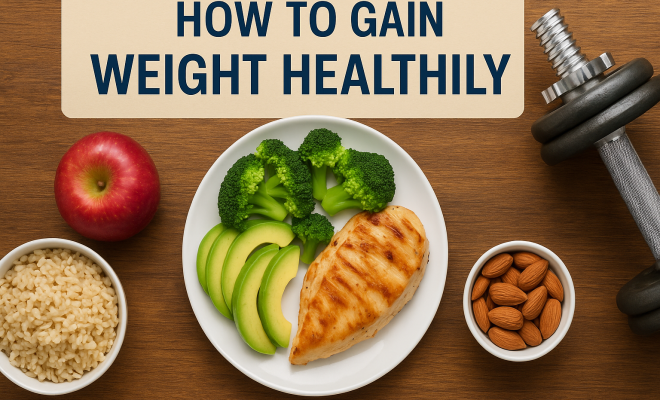
When it comes to healthy weight gain, not all calories are created equal. Prioritize nutrient-dense foods that provide a wealth of vitamins and minerals, alongside the necessary macronutrients. Foods rich in healthy fats, complex carbohydrates, and proteins should be at the forefront of your diet. Consider incorporating items such as avocados, nuts, seeds, whole grains, lean meats, and dairy products.
For instance, a handful of almonds or a tablespoon of peanut butter can pack a significant calorie punch while providing good fats and protein. Instead of empty-calorie snacks like chips and sugary drinks, opt for smoothies made with fruits, yogurt, and spinach, which can be both calorie-dense and nutrient-rich.
3. Emphasize Protein Intake
Protein is a critical component when it comes to healthy weight gain, especially if your goal is to build muscle. Aim to include a source of protein in every meal and snack. According to the American College of Sports Medicine, individuals looking to gain weight should consume between 1.6 to 2.2 grams of protein per kilogram of body weight per day.
High-protein foods include chicken, turkey, fish, eggs, dairy products, legumes, and plant-based proteins like tofu and tempeh. Implementing protein shakes or bars can also be an effective way to increase your intake without feeling overly full at mealtimes. Remember, the aim is to support muscle growth and recovery through adequate protein consumption, which is essential for effective healthy weight gain.
4. Incorporate Healthy Fats
Healthy fats are an essential aspect of a balanced diet, particularly when it comes to gaining weight healthily. Foods rich in unsaturated fats can help you meet your calorie goals without the need to consume large volumes of food. Sources of healthy fats include olive oil, avocados, nuts, seeds, and fatty fish like salmon.
Incorporating these foods into your meals can be simple. Drizzling olive oil over a salad, adding avocado to a sandwich, or snacking on mixed nuts can enhance both flavor and calorie content. It’s a misconception that all fats contribute to weight gain negatively; in reality, healthy fats can support your body’s functions while aiding in weight gain.
5. Eat More Frequently
If you find it challenging to consume enough calories in three meals, consider increasing your meal frequency. Eating smaller, more frequent meals throughout the day can help you reach your caloric goals without feeling overly stuffed. Aim for five to six smaller meals, each containing a balance of proteins, carbs, and fats. (See: BMI calculator from CDC.)
This approach can also be beneficial for those with smaller appetites. Including high-calorie snacks like trail mix, energy bars, or smoothies between meals can help you accumulate extra calories without needing to feel uncomfortable at your main meals. This strategy also keeps your metabolism active throughout the day.
6. Stay Hydrated but Don’t Fill Up on Water
While staying hydrated is crucial for overall wellness, consuming large amounts of water before meals can lead to feeling too full to eat adequately. Instead, aim to drink fluids between meals to avoid feeling overly satiated at mealtimes. Opt for calorie-rich beverages like smoothies, milkshakes, or 100% fruit juices for additional calories.
Moreover, hydration supports digestion and nutrient absorption, both vital for healthy weight gain. If you’re exercising, ensure that you’re replacing lost fluids, as staying hydrated can also help improve performance and muscle recovery.
7. Strength Training is Essential
Exercise plays a critical role in healthy weight gain, and strength training, in particular, is vital for building muscle mass. Engaging in resistance training at least 2-3 times a week can stimulate muscle growth, allowing you to gain weight in a healthy manner as opposed to just accumulating fat. Focus on compound movements such as squats, bench presses, and deadlifts, which engage multiple muscle groups and promote overall strength.
Working with a personal trainer or following a structured workout program can help you stay on track and achieve your weight gain goals efficiently. Remember, pairing your strength training with adequate protein intake is key to maximizing muscle gains.
8. Monitor Your Progress
Tracking your weight gain progress is essential to ensure that you’re moving toward your goals effectively. Keep a food journal to document your daily caloric intake and monitor your weight weekly. This practice not only helps you stay accountable but also lets you recognize patterns in your eating habits that may need adjustment.
Utilizing apps designed for tracking food and exercise can make this process smoother and provide insights into your nutritional intake. If you find that you’re not gaining weight despite following these guidelines, it may be necessary to reassess your caloric intake or consult with a healthcare professional or registered dietitian for personalized advice.
9. Be Patient and Stay Consistent
Healthy weight gain is not an overnight process; it takes time, patience, and consistent effort. Aim for a gradual gain of about 1-2 pounds per week, which is considered a healthy rate. Rapid weight gain can lead to unwanted fat accumulation and may adversely affect your health.
Staying dedicated to your eating and exercise regimen is vital. If you encounter setbacks or plateaus, don’t get discouraged. Instead, reassess your strategies, seek support from professionals, and remain focused on your long-term goals. Remember that healthy weight gain is a journey, and consistency will yield results over time.
Additional Strategies for Healthy Weight Gain
Understanding Macronutrients
Gaining weight healthily revolves around more than just eating more food; it’s also about the right types of food. It’s crucial to understand macronutrients—carbohydrates, proteins, and fats—and how they contribute to your overall nutrition. Carbohydrates are your body’s primary source of energy and can help replenish glycogen stores post-exercise, which is essential for athletes and those undergoing rigorous strength training.
Consider incorporating whole grains, fruits, and vegetables into your diet. For instance, brown rice, quinoa, and sweet potatoes not only provide necessary carbs but also come with added fiber and essential nutrients. Balancing your macronutrient intake can help you not just gain weight but do so in a way that enhances performance and overall health. (See: Healthy weight guidelines from NIH.)
Healthy Snacks to Enhance Caloric Intake
Snacking can significantly contribute to your caloric intake without making you feel overly full. Here are some healthy snack ideas that are calorie-dense and nutritious:
- Nuts and Nut Butters: These are packed with calories and healthy fats. A tablespoon of almond butter has about 98 calories.
- Dried Fruits: Apricots, dates, and raisins are energy-dense and make excellent snacks.
- Cheese and Whole Grain Crackers: Cheese is rich in protein and calories, making it a great snack when paired with whole-grain crackers.
- Protein Bars: Opt for those with natural ingredients and high protein content.
The Role of Supplements
While whole foods should be your primary source of nutrition, some supplements can aid in healthy weight gain. Protein powders, for example, can help you meet your protein goals without having to consume large quantities of food. Mass gainers, typically high in carbohydrates and proteins, can also help you achieve a calorie surplus. However, it’s essential to choose high-quality products and consult with a healthcare provider before starting any supplementation.
Consulting with Professionals
If you’re struggling with healthy weight gain or have specific health concerns, consulting with a registered dietitian or nutritionist can be invaluable. These professionals can provide personalized meal plans, help identify any potential nutritional deficiencies, and guide you on the safest and most effective strategies for your individual needs.
Frequently Asked Questions (FAQ)
What is considered a healthy weight gain rate?
A gradual weight gain of 1-2 pounds per week is generally considered healthy. Gaining weight too quickly can lead to increased fat accumulation rather than muscle gain.
Can I gain weight without exercise?
Yes, it is possible to gain weight without exercising by consuming more calories than you burn. However, incorporating strength training can help ensure that the weight gained is primarily muscle rather than fat.
Are there any foods I should avoid while trying to gain weight?
While you might be tempted to eat anything to increase calories, it’s best to avoid highly processed foods, sugary snacks, and fast food as they can lead to unhealthy fat gain and don’t provide adequate nutrition.
How do I know if I’m gaining weight healthily?
Monitoring your weight, energy levels, and body composition can help you assess if you’re gaining weight healthily. Ideally, you should be gaining muscle rather than just fat, so consider having body composition measurements taken.
Is it possible to gain weight as a vegetarian or vegan?
Absolutely! Many vegetarian and vegan foods are calorie-dense and nutritious. Focus on plant-based proteins, nuts, seeds, whole grains, and avocados to help meet your caloric needs.
How can I track my calorie intake effectively?
Using mobile apps like MyFitnessPal or Cronometer can streamline the process of tracking your calorie intake. These apps often come with extensive food databases and allow you to log your meals easily, making it simpler to achieve your caloric goals.
What role does sleep play in healthy weight gain?
Sleep is crucial for recovery and muscle growth, particularly if you’re engaging in strength training. Insufficient sleep can hinder your metabolism and influence your hormone levels, potentially making it harder to gain weight. Aim for 7-9 hours of quality sleep per night to support your weight gain efforts. (See: WHO fact sheet on obesity.)
Can stress affect my ability to gain weight?
Yes, stress can significantly impact your weight. High levels of stress can lead to a loss of appetite or emotional eating, which may make it challenging to maintain a caloric surplus. Implementing stress management techniques like yoga, meditation, or engaging in hobbies can help support your weight gain goals.
What should I do if I’m not gaining weight despite following all the guidelines?
If you’re consistently consuming enough calories and monitoring your progress but still not gaining weight, it may be worthwhile to consult a healthcare professional. They can help identify any underlying medical conditions or metabolic issues that may be affecting your ability to gain weight.
Expert Perspectives on Healthy Weight Gain
Consulting health professionals can provide deeper insights into healthy weight gain. Many nutritionists emphasize the importance of tailoring your approach based on individual health needs. For instance, registered dietitian Sarah Thompson notes that, “Healthy weight gain should be a personalized journey. Some individuals may need a higher caloric intake due to metabolic factors or activity levels.” She advocates for a balanced diet enriched with whole foods to ensure that weight gained is healthy and sustainable.
On the other hand, Dr. James Parker, an exercise physiologist, highlights that strength training is key for those looking to increase muscle mass. “Strength training not only builds muscle but also improves your metabolism, which is essential when trying to gain weight healthily,” he explains. This insight reinforces the importance of pairing nutrition with a solid exercise regimen.
Comparing Healthy Weight Gain Techniques
When embarking on a journey to gain weight healthily, you might come across various techniques. Here’s a quick comparison of some common methods:
| Technique | Description | Pros | Cons |
|---|---|---|---|
| Caloric Surplus | Consuming more calories than you burn. | Simple to understand; can lead to consistent weight gain. | Risk of gaining fat if not monitored properly. |
| Strength Training | Incorporating resistance exercises into your routine. | Builds muscle, boosts metabolism. | Requires commitment and time. |
| Frequent Meals | Eating more meals and snacks throughout the day. | Prevents fullness; easier to meet caloric goals. | Can be inconvenient for some schedules. |
| Supplement Use | Utilizing protein powders or mass gainers. | Convenient; can help meet protein needs. | May lead to dependency on supplements rather than whole foods. |
Choosing the right method often depends on personal preferences, lifestyle, and health considerations. It may be beneficial to combine several techniques for the best results.
In summary, achieving healthy weight gain is entirely feasible when it’s approached with the right mindset and strategies. By understanding your caloric needs, focusing on nutrient-dense foods, and implementing a balanced exercise routine, you can achieve your weight gain goals while promoting overall health. Whether you’re looking to build muscle, recover from illness, or simply maintain a healthy weight, these strategies will set you on the path to success.
“`
Trending Now
Frequently Asked Questions
What are healthy ways to gain weight?
Healthy weight gain can be achieved by focusing on nutrient-dense foods, such as avocados, nuts, lean meats, and whole grains. Aim for a calorie surplus of 250-500 calories per day, ensuring you consume more calories than you burn.
How can I calculate my caloric needs for weight gain?
To calculate your caloric needs for weight gain, determine your basal metabolic rate (BMR) using online calculators that factor in age, gender, weight, and activity level. Then, add your daily activity calories to find your total daily energy expenditure (TDEE) and aim to consume 300-500 calories above that.
What foods should I eat to gain weight?
To gain weight healthily, focus on nutrient-dense foods rich in healthy fats, complex carbohydrates, and proteins. Include items like avocados, nuts, seeds, whole grains, lean meats, and dairy products in your diet to provide essential nutrients alongside calories.
Is it possible to gain weight without getting fat?
Yes, it is possible to gain weight without excessive fat accumulation by maintaining a balanced diet with a caloric surplus of 250-500 calories. Focus on strength training and consuming nutrient-dense foods to promote muscle gain rather than fat.
How much weight can I gain in a week healthily?
A healthy weight gain goal is typically around 0.5 to 1 pound per week. This gradual increase helps ensure that the weight gained is more likely to be muscle rather than fat, provided you maintain a balanced diet and exercise regimen.
Agree or disagree? Drop a comment and tell us what you think.