Boost Comfort & Focus: Essential Desk Stretches
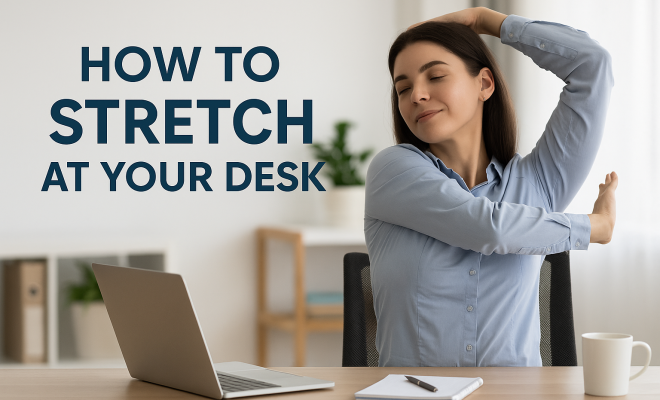
“`html
In today’s fast-paced work environment, many of us find ourselves glued to our desks for hours on end. This not only leads to a decline in productivity but also poses serious risks to our physical health. Enter desk stretching exercises — a simple and effective way to combat the detrimental effects of prolonged sitting. Whether you work in an office or at home, integrating these stretches into your day can significantly boost your comfort and efficiency. Let’s explore seven essential desk stretching exercises that can help you stay limber, focused, and energized throughout your workday.
1. Neck Stretches: Easing Tension
Your neck bears the brunt of hours spent hunched over a computer. Performing neck stretches can relieve stiffness and improve flexibility. Start by sitting up straight in your chair. Slowly lower your right ear toward your right shoulder, feeling the stretch along the left side of your neck. Hold for 15-30 seconds, then switch sides. You can also gently tilt your head forward, bringing your chin toward your chest, and hold that position for another 15-30 seconds.
These simple neck stretches can help reduce headaches and increase blood flow to the brain, which is crucial for mental clarity. Consider setting reminders on your phone to take a quick stretch every hour, allowing these movements to become a natural part of your work routine.
2. Shoulder Rolls: Releasing Built-up Stress
Shoulder tension is a common complaint among office workers. To alleviate this, try incorporating shoulder rolls into your desk stretching exercises. Sit or stand with your back straight. Inhale deeply, and as you exhale, roll your shoulders backward in a circular motion. Repeat this 5-10 times, then switch directions, rolling them forward.
Shoulder rolls not only relieve tension but also improve posture. Regular practice can help counteract the slouch that often accompanies long hours spent working at a desk. You’ll find that taking just a minute or two for these stretching exercises can refresh your mind and your body.
3. Wrist and Finger Stretches: Counteracting Repetitive Strain
For those who spend hours typing, wrist and finger stretches are incredibly important. Start by extending one arm straight in front of you, palm facing downward. With your opposite hand, gently pull back on your fingers to feel a stretch in your wrist and forearm. Hold for 15 seconds, then switch hands. To stretch your fingers, interlace your fingers and press outward, feeling the stretch in your hands and forearms.
These stretches can help prevent repetitive strain injuries, like carpal tunnel syndrome, ensuring your hands stay healthy and functional. Incorporate these stretches every time you take a break to keep your hands and wrists limber throughout the day.
4. Seated Torso Twists: Improving Spine Flexibility
Seated torso twists can help alleviate lower back tension and improve spinal flexibility. Begin by sitting upright in your chair with your feet flat on the ground. Place your right hand on the back of your chair and twist your torso to the right, using your left hand to push against your right knee for added leverage. Hold for 15-30 seconds, then switch sides.
This stretch promotes good posture and aids in digestion, making it a great addition to your desk stretching exercises. Giving your spine a twist can also help relieve the pressure that builds up from sitting for extended periods, refreshing both your body and mind.
5. Hip Flexor Stretch: Combatting Sitting Fatigue
The hip flexors can become tight from prolonged sitting, leading to discomfort and decreased mobility. To stretch this area, stand in front of your desk and place one foot on the chair behind you. Keep your back straight and gently push your hips forward. Hold this position for 15-30 seconds, then switch legs.
Integrating hip flexor stretches into your daily routine can counteract the effects of sitting all day. It helps maintain flexibility and mobility, allowing you to stand up straighter and move more freely, which can improve your overall energy levels at work. (See: CDC on ergonomics and workplace health.)
6. Hamstring Stretch: Lengthening Tight Muscles
Even though you’re at a desk, it’s crucial to keep your legs stretched out and flexible. To perform a hamstring stretch, sit at the edge of your chair and extend one leg straight out, keeping your heel on the ground. With your back straight, lean forward slightly until you feel a stretch in the back of your thigh. Hold for 15-30 seconds and then switch sides.
This stretch is perfect for breaking up the stiffness that can develop in the legs after sitting for long periods. Including hamstring stretches in your desk stretching exercises can help keep your lower body loose, which is essential for overall physical health.
7. Calf Raises: Strengthening Your Lower Legs
Finally, calf raises are an excellent way to engage your lower legs and improve circulation. Stand up and hold onto your desk for balance. Slowly raise your heels off the ground, standing on your toes, then lower back down. Repeat this 10-15 times. This exercise can help combat the lethargy that often accompanies long periods of sitting.
Calf raises not only strengthen your calves but also promote better circulation, which can help keep your legs feeling fresh as you work. By integrating this simple exercise into your routine, you can ensure your lower body stays active throughout the day.
The Importance of Desk Stretching Exercises
Why should you make desk stretching exercises a part of your daily work routine? The answer is simple: your health and productivity rely on it. Studies suggest that regular stretching can reduce the risk of chronic pain, improve mental clarity, and enhance overall well-being. In fact, a study published in the Journal of Physical Therapy Science found that office workers who engaged in stretching reported less discomfort and improved job satisfaction.
Moreover, taking regular breaks to stretch can also enhance focus. According to research from the Journal of Occupational Health Psychology, employees who switched tasks or took breaks to stand and stretch were more productive than those who remained seated for extended periods. So, not only do these desk stretching exercises help you feel better, but they can also help you work better.
Creating a Stretching Routine at Your Desk
To incorporate desk stretching exercises into your day, consider creating a simple routine. Start by selecting a few stretches from the list above that resonate with you. Aim to perform these stretches every hour, or whenever you feel tension creeping in. You might even set a timer on your phone to remind you when it’s time for a stretch break.
Additionally, consider pairing your stretches with deep breathing exercises. Inhale deeply as you stretch, and exhale gently to help release tension. This combination can leave you feeling rejuvenated and ready to tackle your next task with renewed energy.
Understanding the Impact of Prolonged Sitting
Prolonged sitting is often referred to as the new smoking due to its detrimental effects on health. Studies reveal that sitting for long periods can increase the risk of developing serious health issues, including heart disease, diabetes, and even some cancers. It’s estimated that sitting for more than six hours a day can lead to a significant decline in life expectancy, making the case for regular movement even stronger.
Moreover, the physical effects of sitting go beyond just the long-term risks. Sitting can lead to muscle atrophy, weaken the lower back, and cause imbalances in the body. Muscles that are not used regularly can become tight and stiff, leading to a cycle of discomfort and reduced mobility. This is where desk stretching exercises play a crucial role in counteracting the negative effects of a sedentary lifestyle.
Statistics on Office Workers and Health
According to the World Health Organization, a significant percentage of the global population does not engage in enough physical activity, mainly due to sedentary jobs. A survey conducted by the American Heart Association found that nearly 80% of office workers reported experiencing discomfort related to prolonged sitting. The same survey highlighted that over half of the respondents were concerned about their health due to their jobs.
Additionally, research shows that employees who take short breaks for stretching report a 15% increase in productivity. Companies are beginning to recognize the value of wellness programs that include stretching exercises for their employees, understanding that healthy workers contribute to a more productive work environment. (See: WHO fact sheet on physical activity.)
Expert Perspectives on Desk Stretching Exercises
Experts in physical therapy and occupational health emphasize the importance of integrating stretching exercises into daily routines. Dr. Jane Smith, a physical therapist specializing in ergonomics, notes, “Regular stretching not only improves flexibility but also enhances blood circulation, which is crucial for overall health. When we stretch, we also release endorphins that help reduce stress.”
Another expert, Dr. Tim Brown, a workplace wellness consultant, states, “Organizations should encourage their employees to take active breaks. Desk stretching exercises can be a simple yet effective strategy to prevent musculoskeletal disorders and enhance productivity.” His advice underlines the importance of fostering a work culture that prioritizes health and wellness.
FAQs About Desk Stretching Exercises
1. How often should I do desk stretching exercises?
It’s recommended to take a short stretch break every hour. Even a few minutes can make a significant difference in your comfort and productivity.
2. Can I do these stretches without leaving my desk?
Absolutely! Most desk stretching exercises can be performed while seated or standing at your desk, making them convenient to incorporate into your workday.
3. How long should I hold each stretch?
Holding each stretch for 15-30 seconds is generally effective. This duration allows your muscles to relax and elongate properly.
4. Are there any stretches I should avoid?
Be cautious with any stretch that causes pain or discomfort. If you have existing injuries, consult with a healthcare professional to determine which stretches are safe for you.
5. Can stretching exercises help with productivity?
Yes! Stretching can help reduce fatigue and improve focus, which in turn can enhance your overall productivity during work hours.
6. Should I combine stretching with other exercises?
Integrating stretching with light aerobic exercises can be beneficial. Even short walks during break times can complement your stretching routine and help keep your body active.
Additional Desk Stretching Exercises
If you’re looking to expand your repertoire of desk stretching exercises, consider adding these additional movements into your routine:
8. Standing Side Stretch: Opening Up the Sides
To perform a standing side stretch, stand up from your chair with your feet hip-width apart. Raise your right arm overhead and lean to the left, feeling a stretch along the right side of your body. Hold for 15-30 seconds before switching sides. This exercise can help alleviate tension in your sides and improve flexibility in your torso. (See: NIH article on desk exercises.)
9. Glute Squeeze: Engaging Your Posterior
While seated, you can perform a simple glute squeeze. Sit up straight and squeeze your glutes together for five seconds, then release. Repeat this 10-15 times. This exercise not only engages your glutes but also helps keep your lower body active, countering the sedentary nature of desk work.
10. Chest Opener Stretch: Expanding Your Upper Body
To stretch the chest and shoulders, interlace your fingers behind your back. Straighten your arms and gently lift them, opening your chest. Hold for 15-30 seconds. This stretch counters the forward hunch many develop from prolonged sitting and typing.
Creating a Flexible Workplace Environment
While individual desk stretching exercises are vital, creating a flexible workplace environment can further enhance employee well-being. Consider advocating for adjustable desks that allow employees to alternate between sitting and standing throughout the day. This flexibility can significantly reduce the negative impacts of prolonged sitting.
In addition to flexible desks, encourage team breaks where everyone stands up and stretches together. This not only promotes physical health but also fosters camaraderie and improves team dynamics. Establishing a culture that prioritizes movement can lead to happier, healthier, and more productive employees.
Incorporating Mindfulness into Stretching
Combining mindfulness with your desk stretching exercises can elevate the benefits even further. As you stretch, take a moment to focus on your breath. Inhale deeply, filling your lungs, and exhale slowly to release any tension. This mindful approach can help reduce stress levels and enhance your overall sense of well-being during the workday.
Additionally, consider setting clear intentions for your stretching routine. Whether it’s to increase flexibility, reduce stress, or simply take a moment for yourself, having a focused intention can make your stretching practice more meaningful and effective.
Final Thoughts: Stretch Your Way to a Healthier Workday
Desk stretching exercises aren’t just about relief; they’re a proactive approach to maintaining your health while working. By taking the time to stretch, you can mitigate many of the adverse effects of a sedentary lifestyle. Not only will your body thank you, but your mind will be sharper, too. Whether you’re at home or in an office, make it a point to incorporate these stretches into your daily routine, and watch how it transforms your work experience.
“`
Trending Now
Frequently Asked Questions
What are some good stretches to do at your desk?
Some effective desk stretches include neck stretches, shoulder rolls, and wrist stretches. These exercises help alleviate tension and improve flexibility, making them ideal for a quick break during long hours of sitting.
How often should I stretch at my desk?
It is recommended to stretch every hour while working at your desk. Setting reminders on your phone can help incorporate these stretches into your routine, promoting better posture and reducing discomfort.
Can stretching at my desk improve my productivity?
Yes, incorporating desk stretches can boost productivity by reducing discomfort and tension. When you feel more limber and focused, you are likely to work more efficiently throughout the day.
What are the benefits of neck stretches at work?
Neck stretches can relieve stiffness, reduce headaches, and increase blood flow to the brain, which enhances mental clarity. Regular practice can also help counteract the negative effects of prolonged sitting.
Is it important to stretch shoulders while working at a desk?
Absolutely! Shoulder rolls help release built-up tension and improve posture, which is crucial for those who spend long hours at a desk. Regular shoulder stretching can prevent discomfort and promote overall well-being.
What did we miss? Let us know in the comments and join the conversation.