How to season cast iron skillet
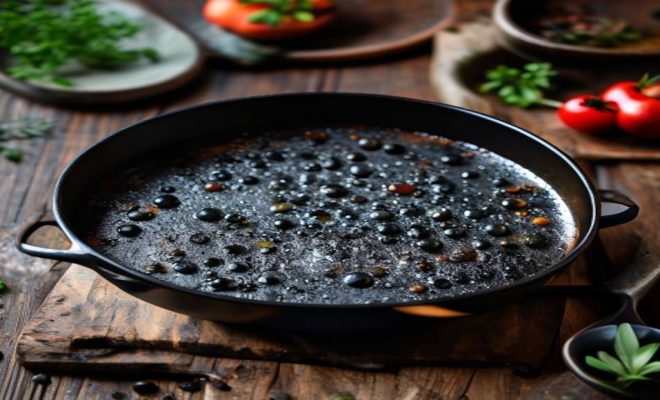
“`html
Seasoning a cast iron skillet is an essential skill that every home cook should master. Not only does it enhance the skillet’s non-stick properties, but it also protects the iron from rust and prolongs its lifespan. Whether you’re a seasoned chef or a novice in the kitchen, understanding how to season cast iron skillet can elevate your cooking game. Here’s a comprehensive guide to ensure you’re getting the most out of your beloved cast iron cookware.
1. Understanding the Importance of Seasoning
Seasoning is more than just a culinary buzzword; it’s a critical process that gives cast iron skillets their unique cooking properties. When you season cast iron, you create a layer of polymerized oil that not only prevents rust but also makes the cooking surface naturally non-stick. This is particularly important because unseasoned cast iron can lead to food sticking and can be hard to clean.
The seasoning process involves heating oil to the point where it bonds with the iron. Over time, as you cook with your skillet, this layer becomes more robust, improving the skillet’s performance. Regular seasoning can even contribute to the development of flavors in your dishes, as the oils and fats from food mingle with the seasoned surface.
2. Choosing the Right Oil for Seasoning
Not all oils are created equal when it comes to seasoning cast iron skillets. Some oils have higher smoke points, which makes them more suitable for the seasoning process. Generally, oils such as flaxseed oil, grapeseed oil, and canola oil are recommended because they polymerize well when heated.
Flaxseed oil, in particular, is often touted as the best oil for seasoning due to its high omega-3 content and ability to create a hard, durable coating. However, it can be pricier and may not be readily available. On the other hand, canola oil is a more economical choice that also works effectively. Ultimately, the choice of oil can depend on personal preference, availability, or even dietary restrictions.
3. Preparing Your Skillet for Seasoning
Before you can season your cast iron skillet, it’s essential to ensure that it’s clean and free of any old seasoning or rust. If your skillet has built-up layers of seasoning, you may need to remove them. This can be done using steel wool or a scouring pad along with hot water and a mild dish soap. While soap is often not recommended for regular cleaning, it’s acceptable for this initial restoration.
After scrubbing, rinse thoroughly and dry the skillet completely. Any moisture left on the skillet can lead to rust, which defeats the purpose of seasoning. Use a towel or heat the skillet on the stove for a few minutes to ensure it’s completely dry before applying oil.
4. The Step-by-Step Seasoning Process
Once your skillet is clean and dry, it’s time to season it. Start by preheating your oven to around 450°F (232°C). This temperature is ideal for allowing the oil to polymerize effectively. Next, pour a small amount of your chosen oil into the skillet—about a tablespoon should suffice. Using a paper towel or a cloth, spread the oil evenly across the entire cooking surface and the exterior of the skillet.
After applying the oil, you’ll want to remove any excess. This step is crucial because too much oil can result in a sticky surface. Wipe down the skillet until it appears almost dry. Place the skillet upside down in the preheated oven, with a baking sheet or aluminum foil on the rack below to catch any drips. Bake for about one hour, then turn off the oven and allow the skillet to cool inside. This cooling period helps the oil to bond further with the skillet.
5. Maintaining Your Seasoned Skillet
Once seasoned, maintaining your cast iron skillet is key to ensuring its longevity. Regular cooking with fats will help maintain the seasoning layer. After each use, clean the skillet by rinsing it under hot water and scrubbing it gently with a brush or sponge. Avoid soap unless absolutely necessary, as it can strip the seasoning. (See: Cast iron cookware properties.)
To keep your skillet in excellent condition, dry it completely after cleaning and apply a thin layer of oil to the surface. This will protect it from moisture and keep the seasoning intact. If you notice any areas where food begins to stick or if the surface appears dull, it may be time to re-season your skillet.
6. Recognizing Signs of a Well-Seasoned Skillet
How do you know if your cast iron skillet is properly seasoned? A well-seasoned skillet should have a smooth, glossy finish and should not have any rust or peeling. When cooking, food should slide easily across the surface, and cleanup should be straightforward. If your skillet exhibits any signs of stickiness or rust, it’s a good indication that you need to re-season it.
Additionally, as you use your skillet over time, you may notice that it develops a darker color, which is a good sign. This dark patina is an accumulation of oils and fats that enhance the skillet’s non-stick properties. Embrace this transformation as a sign of your skillet gaining character and improving performance with each use.
7. Common Mistakes to Avoid
When it comes to seasoning cast iron skillets, there are several common pitfalls that you’ll want to avoid. First, using too much oil during the seasoning process can lead to a sticky surface, which is frustrating and counterproductive. Always aim for a thin, even layer.
Secondly, neglecting to properly care for your skillet after seasoning can lead to rust and deterioration. Always dry your skillet thoroughly and apply a thin layer of oil after each use.
Lastly, be cautious about cooking acidic foods in a newly seasoned skillet. Foods like tomatoes or citrus can strip away the seasoning if your skillet is not well-seasoned. It’s usually best to wait until your skillet has developed a strong seasoning layer before cooking these types of foods.
8. Re-seasoning Your Cast Iron Skillet
Even with the best care, there will come a time when you need to re-season your cast iron skillet. This can occur after years of use, or if you’ve accidentally left your skillet wet and noticed rust forming. If your skillet needs re-seasoning, follow the same steps outlined above: clean thoroughly, dry completely, apply a thin layer of oil, and bake it upside down in the oven.
This time, you may want to consider using a different type of oil that may work better for your specific skillet or cooking habits. Experimenting with various oils can yield different results, and finding the right one can enhance your cooking experience.
9. Frequently Asked Questions
What is the best oil for seasoning a cast iron skillet?
The best oils for seasoning a cast iron skillet are those with high smoke points, such as flaxseed oil, grapeseed oil, or canola oil. Flaxseed oil is often preferred for its durability and non-stick properties, while canola oil is a cost-effective and widely available option.
Can I use vegetable oil to season my skillet?
Yes, vegetable oil can be used for seasoning, but it may not create as durable a coating as oils with higher smoke points. If using vegetable oil, be mindful of how often you need to re-season your skillet.
How often should I season my cast iron skillet?
It depends on how often you use it, but generally, re-seasoning is recommended every few months or when you notice food starting to stick, or if the skillet looks dull or rusty. Regular use and proper maintenance can also prolong the time between seasons.
Is it safe to use soap on my cast iron skillet?
Soap should be avoided during routine cleaning, as it can strip the seasoning. However, if your skillet is particularly dirty or has leftover food residues, using soap during the restoration process is acceptable. (See: Healthy cooking practices.)
Can I put my cast iron skillet in the dishwasher?
It’s not recommended to put cast iron skillets in the dishwasher. The harsh detergents and prolonged exposure to water can damage the seasoning and lead to rust. Hand washing is the best practice.
What should I do if my skillet gets rusty?
If your skillet develops rust, you can remove it by scrubbing the affected area with steel wool or a scrubber. After removing the rust, wash, dry, and then re-season the skillet to restore its protective layer.
Can I cook acidic foods in a cast iron skillet?
Cooking acidic foods in a cast iron skillet can strip the seasoning, especially if the skillet is newly seasoned or has a thinner seasoning layer. It’s best to wait until your skillet has developed a robust seasoning before cooking dishes with high acidity.
10. Advanced Seasoning Techniques
For those looking to take their seasoning technique to the next level, there are several advanced methods to consider. One popular technique is the “flaxseed oil method,” which involves applying multiple thin coats of flaxseed oil to the skillet, baking each layer for an hour, and allowing it to cool before applying the next. This method can create a very durable and smooth surface, providing excellent non-stick properties.
Another advanced technique is using a self-cleaning oven. If your skillet has significant buildup or rust, you can place it upside down in a self-cleaning oven and run the cleaning cycle. The high heat will burn off any old seasoning, allowing you to start fresh. Just be cautious, as this method can also damage any plastic handles or other non-metal parts.
11. The Science Behind Seasoning
Understanding the science behind seasoning can deepen your appreciation for cast iron skillets. When oil is heated, it undergoes a process called polymerization. This process transforms the oil into a hard, plastic-like substance that bonds with the iron. The smoke point of an oil indicates the temperature at which it begins to break down and smoke. Choosing an oil with a higher smoke point ensures that the polymerization process occurs effectively, creating a more durable non-stick surface.
Additionally, the thickness of the seasoning layer can affect its performance. A thicker layer may provide better protection against rust and sticking but may also flake off more easily if not applied correctly. Striking the right balance by applying thin, even layers is crucial for optimal results.
12. Cast Iron Skillets Around the World
Cast iron skillets are not just a staple in American kitchens; they have a global presence. Many cultures have embraced cast iron for its versatility and durability. For instance, in Europe, particularly in France and Spain, cast iron cookware is often used for traditional dishes like paella and ratatouille, where even heat distribution is essential.
In Asian cuisines, cast iron is popular for dishes like Korean bibimbap, which benefits from the skillet’s ability to maintain high heat, creating a crispy rice crust. The global appeal of cast iron skillets shows how this timeless cookware can adapt to a variety of culinary traditions, enhancing flavors and cooking techniques worldwide.
13. The Environmental Impact of Cast Iron Cookware
Using cast iron skillets can be a more environmentally friendly choice compared to other non-stick cookware. Cast iron is made from mined iron and is entirely recyclable. In contrast, some non-stick pans are made with chemicals that can be harmful to the environment and are typically not recyclable. With proper care, a cast iron skillet can last a lifetime, reducing the need for frequent replacements and contributing to a more sustainable kitchen. (See: How to season a cast iron skillet.)
Furthermore, cast iron skillets do not release harmful chemicals when heated, unlike some non-stick coatings that can emit toxic fumes at high temperatures. By choosing cast iron, you not only invest in durable cookware but also make a conscious decision to support a healthier planet.
14. Tips for Buying a Cast Iron Skillet
If you’re considering purchasing a cast iron skillet, there are a few key factors to keep in mind. First, look for quality brands that are known for their craftsmanship. Brands like Lodge, Le Creuset, and Staub have long-standing reputations for producing high-quality cast iron cookware that can last a lifetime.
Next, consider the size of the skillet. Depending on your cooking style and family size, you might want a smaller 8-inch skillet for personal meals or a larger 12-inch skillet for family gatherings. The size will determine how versatile the skillet can be in your kitchen.
Finally, pay attention to the weight. A good cast iron skillet should feel heavy and robust, indicating it’s made from quality material. While lighter skillets may be easier to handle, they may not provide the same heat retention and cooking performance as heavier ones.
15. Creative Recipes to Try with Your Cast Iron Skillet
Once you’ve seasoned your cast iron skillet, it’s time to put it to good use! Here are a few creative recipes to try out:
- Skillet Cornbread: This classic dish benefits from the skillet’s heat, giving it a crispy crust while remaining moist inside. Just mix cornmeal, flour, eggs, and buttermilk, then bake in your preheated skillet for a delicious side dish.
- Cast Iron Frittata: Perfect for breakfast or brunch, a frittata can be filled with seasonal vegetables, cheeses, and herbs. The even heat distribution of the skillet ensures that the frittata cooks perfectly without burning.
- Steak: For a perfect sear on your steak, heat your cast iron skillet to high heat and add a little oil. The skillet’s ability to retain heat will give you a beautifully caramelized crust on your meat.
16. Conclusion: The Beauty of Seasoned Cast Iron Cookware
Mastering the art of seasoning your cast iron skillet is crucial to unlocking its full cooking potential. This timeless kitchen tool, when properly seasoned and cared for, can last a lifetime and even be passed down through generations. Not only does a well-seasoned skillet enhance the flavors of your dishes, but it also provides a unique cooking experience that can’t be replicated with non-stick pans.
As you continue your culinary journey, remember that seasoning is an ongoing process. By following these guidelines and embracing the nuances of cast iron care, you’ll not only keep your skillet in tip-top shape but also cultivate a deeper appreciation for this remarkable kitchen staple. So roll up your sleeves, get that skillet sizzling, and enjoy the delicious meals you create!
“`
Trending Now
Frequently Asked Questions
What is the best way to season a cast iron skillet?
The best way to season a cast iron skillet involves cleaning it thoroughly, applying a thin layer of oil with a high smoke point, and heating it upside down in the oven. This process creates a durable non-stick surface and protects the skillet from rust.
How often should you season a cast iron skillet?
You should season your cast iron skillet regularly, ideally after every few uses or whenever food starts to stick. Regular seasoning enhances its non-stick properties and prolongs its lifespan.
Can you use any oil to season cast iron?
Not all oils are suitable for seasoning cast iron. Oils with high smoke points, like flaxseed oil, grapeseed oil, and canola oil, are recommended as they polymerize effectively when heated, creating a durable coating.
Why is seasoning important for a cast iron skillet?
Seasoning is crucial for a cast iron skillet as it creates a non-stick surface and prevents rust. The process involves bonding oil to the iron, enhancing cooking performance and contributing to flavor development over time.
What happens if you don’t season a cast iron skillet?
If you don’t season a cast iron skillet, it can lead to food sticking, rust formation, and a shorter lifespan for the cookware. Seasoning ensures that the skillet remains functional and maintains its cooking properties.
Agree or disagree? Drop a comment and tell us what you think.