Mastering Hollandaise Sauce: A Comprehensive Guide
“`html
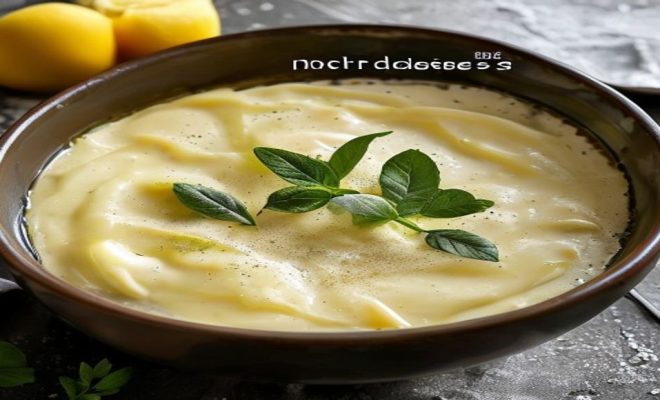
Hollandaise sauce, often hailed as one of the five mother sauces of classic French cuisine, is a creamy, rich sauce that elevates many dishes. Whether you’re drizzling it over poached eggs, vegetables, or fish, mastering the hollandaise sauce recipe can transform your culinary repertoire. In this comprehensive guide, we’ll explore its history, techniques for making it, variations, and practical tips to ensure you create a perfect sauce every time.
1. The History of Hollandaise Sauce
To truly appreciate the hollandaise sauce recipe, it’s essential to understand its origins. This sauce is believed to have roots in the 17th century, with its name derived from the Dutch word for the Netherlands, “Holland.” Originally known as Sauce Isigny, named after a French region known for its cream, hollandaise evolved over centuries, influenced by various culinary traditions.
Hollandaise gained popularity during the late 19th century, especially with the rise of French haute cuisine. Chefs began to refine the technique, emphasizing the importance of emulsification—a process that combines two liquids that typically do not mix, such as oil and water. This technique is fundamental in creating the smooth, creamy texture that characterizes a great hollandaise.
2. Understanding the Ingredients
The classic hollandaise sauce recipe requires only a few key ingredients: egg yolks, butter, lemon juice, and seasonings. Each plays a crucial role in the sauce’s texture and flavor. Let’s break them down:
- Egg Yolks: The primary emulsifier in hollandaise, egg yolks provide richness and help stabilize the sauce.
- Butter: Traditionally, clarified butter is used for its purity and smoothness, ensuring a velvety sauce.
- Lemon Juice: This adds acidity, balancing the richness of the butter and yolks and enhancing flavor.
- Seasonings: Salt, white pepper, and sometimes a dash of cayenne pepper are used to elevate the overall flavor profile.
Choosing high-quality ingredients can make a noticeable difference in the final sauce. Fresh, organic eggs and good-quality butter are worth the investment.
3. Equipment You’ll Need
While making hollandaise sauce, having the right equipment can make the process smoother. Here’s what you’ll need:
- Double Boiler: This is ideal for gentle heating, ensuring the egg yolks don’t scramble.
- Whisk: A good whisk helps in aerating and emulsifying the ingredients.
- Measuring Cups and Spoons: Precise measurements are key to achieving the right consistency and flavor.
- Heatproof Bowl: If you don’t have a double boiler, a heatproof bowl over a pot of simmering water works as a great alternative.
Having these tools on hand will ensure that your hollandaise sauce comes out perfectly every time.
4. Step-by-Step Instructions to Make Hollandaise Sauce
Now that you’ve gathered your ingredients and equipment, let’s get into the nitty-gritty of making hollandaise sauce. Follow these steps for the best results:
- Prepare Your Double Boiler: Fill the bottom pot with water and bring it to a simmer. Make sure the water doesn’t touch the bowl you’ll place on top.
- Whisk the Egg Yolks: In a heatproof bowl, whisk together the egg yolks and lemon juice until the mixture is pale and slightly thickened.
- Heat Gently: Place the bowl over the simmering water, whisking continuously. The key is to heat the yolks gently to avoid scrambling.
- Add the Butter: Once the yolks are thickened, slowly drizzle in the melted clarified butter while whisking constantly. This gradual incorporation is essential for proper emulsification.
- Season: Once all the butter is mixed in, season with salt, white pepper, and any additional flavorings you desire.
Keep the sauce warm until you’re ready to serve, but avoid letting it sit too long on the heat, as it can separate.
5. Common Mistakes and How to Avoid Them
Even experienced chefs can run into issues when making hollandaise sauce. Here are some common mistakes and tips on how to avoid them: (See: Hollandaise sauce on Wikipedia.)
- Scrambled Eggs: This happens when the egg yolks are heated too quickly. Always use a double boiler or a bowl set over simmering water to control the temperature.
- Separation: If the sauce separates, it may be due to too much butter being added too quickly. Ensure you whisk continuously and drizzle the butter slowly.
- Not Enough Flavor: If your sauce tastes flat, consider adding more lemon juice or seasoning. Taste as you go to ensure it meets your preference.
Understanding these pitfalls will empower you to create a flawless hollandaise sauce every time.
6. Variations on Hollandaise Sauce
While the classic hollandaise is a delicious base, there are several variations you can explore to add unique flavors to your dishes:
- Béarnaise Sauce: A derivative of hollandaise, this sauce incorporates shallots, tarragon, and vinegar for a more herbaceous flavor.
- Chili Hollandaise: Add a touch of Sriracha or finely chopped fresh chilies for a spicy kick.
- Herb-infused Hollandaise: Blend in fresh herbs like dill, parsley, or chives for a fresh twist.
- Mustard Hollandaise: Adding Dijon mustard can bring a tangy depth to the sauce, perfect for pairing with grilled meats or vegetables.
- Avocado Hollandaise: Pureeing ripe avocado into the sauce can add creaminess and a beautiful green color, making it a hit with health-conscious diners.
Experimenting with these variations can help you discover new favorite ways to enjoy hollandaise sauce.
7. Serving Suggestions
Hollandaise sauce is incredibly versatile and can be paired with numerous dishes. Here are a few classic and creative serving suggestions:
- Eggs Benedict: Perhaps the most famous dish featuring hollandaise, this breakfast classic combines poached eggs, Canadian bacon, and toasted English muffins.
- Vegetables: Drizzle hollandaise over steamed asparagus or broccoli for a gourmet touch.
- Fish: A light hollandaise can beautifully complement poached or grilled fish.
- Grilled Chicken: A drizzle of hollandaise can elevate grilled chicken breasts, adding richness and flavor.
- Artichokes: Serve hollandaise as a dipping sauce for steamed artichoke leaves; it’s a perfect combination.
Pairing hollandaise with the right dish can elevate your meal from ordinary to extraordinary.
8. Storage and Reheating Tips
While hollandaise sauce is best enjoyed fresh, you may have leftovers. Here’s how to store and reheat it:
- Storage: Store hollandaise in an airtight container in the refrigerator for up to two days. However, the sauce may thicken as it cools.
- Reheating: Gently reheat hollandaise in a double boiler or microwave in short bursts, whisking continuously to restore its creamy consistency.
- Freezing: While it’s not recommended to freeze hollandaise due to its egg content, if you must, freeze in small portions and use within a month. Be aware that the texture may change.
Proper storage and reheating techniques will help you enjoy your hollandaise longer without compromising its quality.
9. The Modern Relevance of Hollandaise Sauce
Today, hollandaise sauce remains a staple in many restaurants and home kitchens alike. Its timeless flavor and versatility make it suitable for various cuisines and occasions. As food trends evolve, so does the use of hollandaise, often appearing in brunch menus, gourmet dinners, and even as a component in fusion dishes.
As more home cooks experiment with gourmet cooking, the demand for a solid hollandaise sauce recipe has surged. It’s a sauce that, while requiring attention and skill, rewards those who master it with a creamy, luxurious addition to their culinary creations. So whether you’re a novice or an experienced chef, giving hollandaise a try is well worth the effort.
10. Why Emulsification Matters
Understanding emulsification is crucial for crafting the perfect hollandaise sauce. Emulsification is the process of mixing two liquids that typically don’t combine, resulting in a stable mixture. In hollandaise, the egg yolks act as the emulsifier, allowing the fat from the butter to blend seamlessly with water from the egg proteins, creating a thick and creamy sauce. When emulsification fails, the mixture can separate, leading to an unappealing texture. (See: Food safety tips for hollandaise.)
To ensure successful emulsification, start with room temperature ingredients. Cold butter can solidify the yolks, making it difficult to achieve the desired consistency. Additionally, whisking continuously while slowly adding the butter helps create a stable emulsion.
11. Expert Tips for Perfecting Hollandaise Sauce
Learning from experienced chefs can provide invaluable insight into mastering the hollandaise sauce recipe. Here are some expert tips:
- Use Fresh Ingredients: Fresh eggs and high-quality butter significantly enhance the flavor of your sauce. Avoid using margarine or artificially flavored butters.
- Temperature Control: Keeping the heat low is vital. If you’re using an electric stove, consider using a low setting to maintain gentle heat.
- Whisking Technique: Incorporate air into the sauce by whisking vigorously. This not only helps emulsify but also adds a lightness to the final product.
- Practice: Like any culinary skill, practice makes perfect. Make hollandaise sauce repeatedly to get a feel for the process and improve your technique.
12. Frequently Asked Questions (FAQ)
Q1: Can I use whole eggs instead of egg yolks for hollandaise sauce?
A: While it’s possible, using whole eggs will result in a different texture and flavor. The richness of hollandaise comes primarily from the yolks, so it’s best to stick to the traditional recipe for authentic results.
Q2: What if my hollandaise sauce gets too thick?
A: If your sauce becomes too thick, you can whisk in a teaspoon or two of warm water or lemon juice, which will help loosen it without compromising flavor.
Q3: Is there a vegan alternative to hollandaise sauce?
A: Yes, you can create a vegan hollandaise sauce using blended silken tofu, nutritional yeast, lemon juice, and a bit of turmeric for color. While it may not replicate the exact flavor, it will provide a creamy texture.
Q4: How can I tell if my hollandaise sauce has gone bad?
A: Look for changes in color or smell. If the sauce has a sour odor or unusual appearance, it’s best to discard it. Remember to always store your hollandaise properly to extend its freshness.
Q5: Can I make hollandaise sauce ahead of time?
A: While hollandaise is best served fresh, you can prepare it ahead and store it in the refrigerator for up to two days. Reheat gently before serving to restore its texture.
Q6: What can I do if my hollandaise sauce separates?
A: If your sauce separates, don’t panic! You can try whisking in a few drops of warm water or a new egg yolk in a clean bowl, gradually incorporating the separated sauce until it comes back together.
Q7: How can I make hollandaise sauce without a double boiler?
A: If you don’t have a double boiler, use a heatproof bowl over a pot of simmering water, ensuring the bowl does not touch the water. This method will provide gentle heating similar to a double boiler. (See: Hollandaise sauce recipe from NY Times.)
13. Hollandaise Sauce in Popular Culture
Hollandaise sauce has made its mark not just in kitchens but also in popular culture. From food blogs to cooking shows, it has emerged as a symbol of culinary sophistication. Chefs and home cooks alike showcase their hollandaise-making skills on various platforms, often competing to create the most innovative variations or to master the traditional approach.
Restaurants frequently feature hollandaise on their menus, especially in brunch offerings where it pairs perfectly with eggs and smoked salmon. The sauce is also celebrated in culinary competitions, where chefs are challenged to create their interpretation of classic dishes, often featuring hollandaise as a key component.
14. Hollandaise Sauce and Its Nutritional Profile
While hollandaise sauce is often associated with indulgence, understanding its nutritional value can help you appreciate it even more. Made primarily from egg yolks and butter, hollandaise is rich in various vitamins and minerals:
- Vitamin A: Essential for maintaining healthy vision, immune function, and skin health, egg yolks are a significant source of vitamin A.
- Vitamin D: Egg yolks are one of the few natural food sources of vitamin D, which supports bone health and immune function.
- Choline: Important for brain health and metabolism, choline is abundant in egg yolks.
- Healthy Fats: The fats in hollandaise come from high-quality butter, which contains short-chain and medium-chain fatty acids that can provide quick energy.
While it’s important to enjoy hollandaise sauce in moderation due to its calorie content, incorporating it thoughtfully into your meals can provide nutritional benefits alongside its delightful flavor.
15. Hollandaise Sauce Around the World
Hollandaise sauce has not only become a staple in French cuisine but has also made its way into various culinary traditions around the globe. Countries have adopted and adapted the sauce to suit local tastes:
- United States: The popular brunch dish, Eggs Benedict, is often a highlight, showcasing hollandaise as a culinary centerpiece.
- Mexico: A variation known as “salsa holandesa” is used in breakfast dishes, often served with poached eggs and spicy chorizo.
- Japan: In some restaurants, hollandaise is used as a sauce for tempura, adding a creamy element to the dish.
- Australia: The Australian café culture has embraced hollandaise, often pairing it with avocado toast and smoked salmon.
These global adaptations of hollandaise sauce highlight its versatility and the creativity of chefs worldwide.
16. Conclusion: The Endless Possibilities of Hollandaise Sauce
Hollandaise sauce is more than just a recipe; it’s a gateway to countless culinary adventures. As you perfect your technique, don’t hesitate to experiment with flavors and pairings to create unique dishes. This sauce is not only a staple of French cuisine but also a beloved addition to many modern recipes around the world. Whether you’re enhancing a humble vegetable or elevating a classic breakfast, mastering the hollandaise sauce recipe opens up a world of delicious possibilities.
“`
Trending Now
Frequently Asked Questions
What is hollandaise sauce made of?
Hollandaise sauce is made from a few key ingredients: egg yolks, clarified butter, lemon juice, and seasonings such as salt and white pepper. The egg yolks act as an emulsifier, while the butter provides richness, and the lemon juice adds acidity for balance.
How do you make hollandaise sauce from scratch?
To make hollandaise sauce from scratch, whisk together egg yolks and lemon juice over a double boiler until thickened. Gradually add melted clarified butter while whisking continuously until the sauce is smooth and creamy. Season with salt and pepper to taste.
What is the history of hollandaise sauce?
Hollandaise sauce has its origins in the 17th century and is named after the Netherlands, reflecting its Dutch influences. Originally known as Sauce Isigny, it gained popularity in the late 19th century as chefs refined the emulsification technique that defines its creamy texture.
What are some variations of hollandaise sauce?
Variations of hollandaise sauce include Béarnaise sauce, which adds tarragon and shallots, and Mousseline sauce, which incorporates whipped cream for extra lightness. Other adaptations might include different herbs or spices to complement specific dishes.
How do you fix broken hollandaise sauce?
To fix broken hollandaise sauce, you can whisk a new egg yolk in a separate bowl and slowly drizzle in the broken sauce while whisking continuously. Alternatively, you can add a few drops of warm water or lemon juice to help re-emulsify the mixture.
Have you experienced this yourself? We'd love to hear your story in the comments.