Stellantis Adds 10,000 Jobs; Rivian & Hyundai Make EV Strides
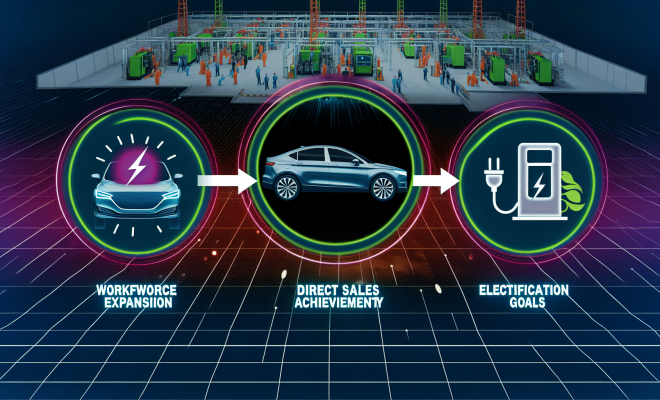
In a series of significant developments within the automotive industry, Stellantis has announced plans to add 10,000 new jobs as part of its workforce expansion strategy. Meanwhile, Rivian has secured direct-sales approval in Washington state, allowing the electric vehicle (EV) manufacturer to bypass traditional dealership models in its sales approach. Additionally, Hyundai has unveiled an ambitious roadmap to launch 36 new models by 2030, with a keen focus on electrification and diverse vehicle offerings.
Stellantis: A Commitment to Job Creation
Stellantis, the multinational automotive manufacturer formed from the merger of Fiat Chrysler and PSA Group, is taking significant steps to bolster its workforce. The addition of 10,000 jobs is a part of the company’s broader expansion efforts, demonstrating its commitment to growth in an increasingly competitive market. This move is expected to enhance Stellantis’s production capabilities and support the development of new technologies, particularly in the realm of electric and hybrid vehicles.
With the automotive sector undergoing rapid transformation due to the shift towards electrification and sustainable practices, Stellantis’s decision aligns with industry trends that emphasize the need for skilled labor. The company’s expansion will not only create new job opportunities but also help retain existing talent in a sector that is evolving at a breakneck pace.
Rivian: A New Era of Direct Sales
In a landmark achievement, Rivian has received direct-sales approval in Washington state, a pivotal step that allows the electric vehicle manufacturer to sell its vehicles directly to consumers without the need for dealership intermediaries. This decision marks a significant shift in how EV companies can engage with their customer base, enabling a more streamlined buying experience.
Rivian’s direct sales model is part of a broader trend among electric vehicle manufacturers seeking to establish a direct connection with their customers. By eliminating the dealership layer, Rivian can offer greater transparency in pricing and a more personalized purchasing experience. This approval is expected to pave the way for similar legislation in other states, further empowering consumers and manufacturers alike.
The Impact on the EV Market
The EV market is rapidly evolving, and Rivian’s success in Washington could prompt other states to reconsider their regulations regarding direct sales. This could lead to a more favorable environment for emerging EV manufacturers while enhancing competition in the automotive sector.
Hyundai’s Bold Roadmap to Electrification
As part of its ambitious strategy to capture market growth, Hyundai has announced plans to launch 36 new models by 2030. This initiative is particularly focused on electrification, with a goal to diversify its vehicle lineup and respond to the increasing consumer demand for sustainable transportation options.
The automotive giant is committed to investing heavily in electric vehicle technology and aims to offer a range of models that cater to various consumer preferences. From compact cars to larger SUVs, Hyundai’s future lineup is set to reflect the changing landscape of the industry, where electrification is becoming the norm rather than the exception.
Hyundai’s Electrification Strategy
- Diverse Offerings: Hyundai plans to cater to a wide range of consumers with various body styles and price points.
- Investment in Technology: The company is set to invest in advanced battery technologies and sustainable production methods.
- Focus on Sustainability: Aligning with global trends, Hyundai aims to reduce its carbon footprint through electrification.
Industry Implications and Future Outlook
The announcements from Stellantis, Rivian, and Hyundai signify a pivotal moment in the automotive industry. As these companies adapt to changing consumer preferences and regulatory pressures, the focus on job creation, direct sales, and electrification is expected to reshape the market landscape significantly.
Stellantis’s job expansion is a positive signal for the workforce, indicating growth and stability within the automotive sector. Rivian’s direct-sales model could redefine how vehicles are sold in the US, promoting a more consumer-friendly approach. Meanwhile, Hyundai’s commitment to launching a substantial number of new models underscores the urgency for automakers to innovate and respond to the growing demand for electric vehicles.
As the industry continues to evolve, the interplay between job creation, sales strategies, and electrification will play a crucial role in determining the future direction of automotive manufacturers. Stakeholders across the sector will be watching closely to see how these developments unfold and impact the competitive landscape.