Adolescent Diet & Mental Health: New 2024 Research Links Healthy Eating to Well-
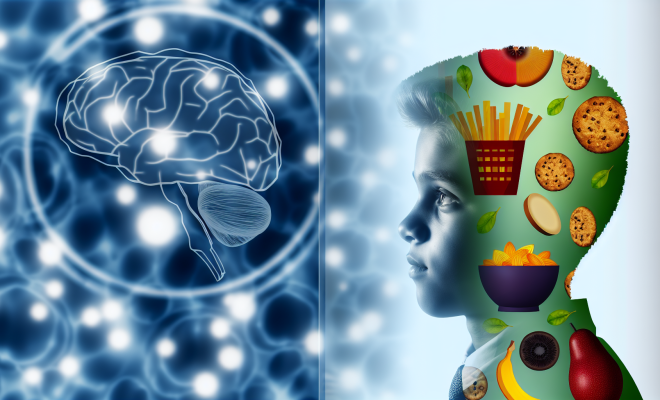
In recent years, the relationship between diet and mental health has garnered increasing attention, particularly among adolescents. A new study led by researchers from Swansea University, published in the journal Nutrients, has provided compelling evidence that what teenagers eat may significantly influence their mental well-being. The study reviewed 19 different studies that explored the connection between dietary habits and mental health outcomes in young people, revealing a clear pattern: healthier eating habits correlate with reduced symptoms of depression, while poorer dietary choices are linked to increased psychological distress.
The Study’s Findings
The comprehensive analysis conducted by the Swansea University team assessed a mix of six randomized controlled trials and 13 prospective cohort studies. The results consistently demonstrated that adolescents who adhered to healthier eating patterns reported fewer symptoms of depression. Conversely, those who followed lower-quality diets exhibited higher levels of psychological distress.
Whole-Diet Approaches vs. Individual Supplements
One of the most striking findings of the review was the superiority of whole-diet approaches over isolated nutrient supplementation. The researchers noted that diets rich in fruits, vegetables, whole grains, and lean proteins were more beneficial for mental health than taking individual supplements. While specific supplements, such as vitamin D, did show some potential benefits, the evidence remained inconclusive compared to the comprehensive benefits of a balanced diet.
Professor Hayley Young, one of the lead researchers, emphasized the importance of shifting public health strategies to focus on holistic dietary approaches rather than relying on isolated supplements. “Our findings suggest that a comprehensive dietary strategy may be more effective in supporting adolescent mental health,” said Young. “Rather than promoting single nutrient supplements, we should encourage an overall healthy eating pattern that encompasses a variety of foods.”
Understanding the Gaps in Research
Despite the valuable insights provided by this study, researchers identified significant gaps in the existing literature surrounding diet and adolescent mental health. Notably, while the majority of studies concentrated on depression, other critical mental health outcomes, such as anxiety, stress, and overall psychological well-being, have received relatively little attention.
- Focus on Depression: Most studies primarily assess depression, leaving a lack of understanding in how diet influences anxiety and stress among adolescents.
- Need for Diverse Research: There is a clear need for more extensive studies that encompass a broader range of mental health conditions.
- Longitudinal Studies: Future research should include longitudinal studies to track dietary habits and mental health outcomes over time.
Implications for Public Health
The implications of these findings are significant for public health initiatives aimed at improving adolescent mental health. With mental health issues among teens on the rise, integrating dietary education and promoting healthy eating habits in schools and community programs could be crucial. This approach may help mitigate the growing rates of depression and anxiety in young populations.
Moreover, mental health professionals could benefit from incorporating dietary assessments into their evaluations of adolescent patients. By understanding a teen’s eating habits and nutritional intake, healthcare providers can offer more tailored advice that addresses both mental and physical health.
Promoting Healthy Eating Habits
As parents, guardians, and educators, it is essential to foster an environment that encourages healthy eating habits among adolescents. Here are some practical tips to promote better dietary choices:
- Encourage Variety: Introduce a wide range of fruits, vegetables, whole grains, and lean proteins into meals to provide essential nutrients.
- Limit Processed Foods: Reduce the availability of sugary snacks and highly processed foods that can negatively impact mood and energy levels.
- Engage Teens in Cooking: Involve teenagers in meal preparation to help them understand nutrition and develop cooking skills.
- Model Healthy Behavior: Adults should model healthy eating habits, as children often emulate the dietary choices of their parents and caregivers.
- Educate About Nutrition: Provide information about the benefits of healthy eating and its impact on mental health.
Conclusion
The connection between diet and mental health in adolescents is an area that warrants further exploration and attention. The research conducted by Swansea University highlights the importance of adopting a comprehensive approach to nutrition as a strategy to enhance mental well-being. By prioritizing healthy eating habits, we may not only improve physical health but also support the mental resilience of our youth, ultimately paving the way for a healthier future.