How to set up ergonomic workstation
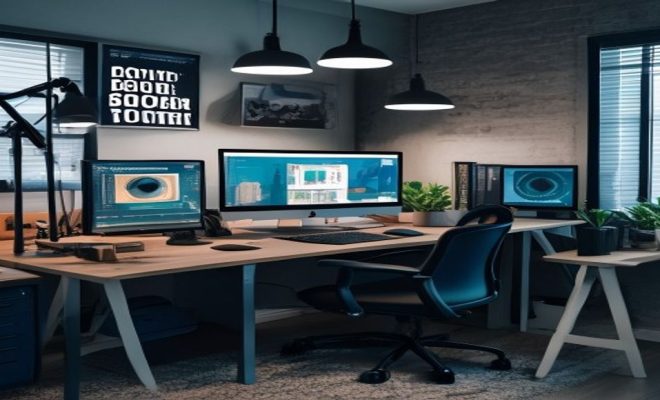
“`html
As remote work continues to dominate the employment landscape, understanding how to create an ergonomic workstation setup has never been more crucial. Not only does a well-designed workspace enhance productivity, but it also alleviates discomfort and reduces the risk of injury. Whether you’re working from home or in an office, optimizing your workstation can significantly impact your overall well-being. In this article, we’ll guide you through eight essential tips for creating an ergonomic workstation that caters to your needs.
1. Choose the Right Chair
The foundation of any ergonomic workstation setup is a good chair. An ideal chair should support your entire back, encourage good posture, and have adjustable features to fit your body. Look for chairs with lumbar support, which can help maintain the natural curve of your spine. Additionally, consider chairs that allow you to adjust the height, armrests, and tilt. This personalization is key to achieving comfort during those long working hours.
Moreover, materials matter. Opt for breathable fabrics and cushioned seats that offer support without becoming uncomfortable. If you’re unsure what works for you, it might be worth investing in a chair that allows for a trial period; after all, comfort is paramount.
According to a study conducted by the Occupational Safety and Health Administration (OSHA), investing in a good quality ergonomic chair can reduce back pain by up to 50%. This statistic highlights the importance of selecting a chair that not only fits your body but also supports it effectively.
2. Adjust Your Desk Height
The height of your desk plays a pivotal role in your ergonomic workstation setup. Ideally, your desk should be at elbow height when you’re seated. This means your elbows should form a 90-degree angle when your hands are resting on the keyboard. If your desk is too high or too low, you may experience strain in your shoulders, neck, and back.
Consider standing desks or adjustable desks that allow you to alternate between sitting and standing. This flexibility can enhance energy levels and help reduce the risks associated with prolonged sitting. It’s essential to experiment with desk heights to find what feels right for you.
In fact, a study by the University of Utah found that using a standing desk can increase productivity by up to 46%. This is particularly beneficial for tasks that require focus and concentration. If you’re able to incorporate a standing desk into your setup, it could be a game-changer for your workflow.
3. Position Your Monitor Correctly
Monitor placement is a key element of an ergonomic workstation setup. The top of your monitor should be at or just below eye level, enabling you to look straight ahead rather than craning your neck. Your screen should be about an arm’s length away to avoid eye strain. If you’re not able to adjust your monitor height, consider using a monitor stand or an adjustable arm.
Additionally, ensure your monitor is tilted slightly back (about 10 to 20 degrees) to reduce glare from overhead lights. This small adjustment can make a significant difference in your comfort level and productivity.
A survey by the American Optometric Association revealed that nearly 60% of adults experience symptoms of digital eye strain. Proper monitor positioning can help mitigate this issue, so it’s well worth the effort to get it right!
4. Keyboard and Mouse Placement
The keyboard and mouse are central to your workstation, and their placement is vital for an ergonomic setup. Your keyboard should be positioned at a height that allows your elbows to be close to your body, forming a 90-degree angle. This minimizes strain on your wrists and forearms. If possible, use a keyboard tray that can be adjusted to achieve the optimal height.
When it comes to the mouse, it should be positioned next to the keyboard, allowing your wrist to remain in a neutral position. Consider investing in an ergonomic mouse that fits comfortably in your hand or an ergonomic wrist pad to promote better alignment. (See: OSHA Ergonomics Overview.)
Statistics from the National Institute for Occupational Safety and Health (NIOSH) indicate that poor keyboard and mouse positioning can lead to repetitive strain injuries (RSIs) in nearly 40% of office workers. To avoid this, ensuring proper placement and investing in ergonomic tools is essential.
5. Incorporate Good Lighting
Lighting often gets overlooked in discussions about ergonomic workstation setup, but it plays a crucial role in reducing eye strain and promoting productivity. Natural light is ideal, so position your workstation near a window if possible. However, avoid glare on your computer screen by using blinds or curtains.
If natural light isn’t an option, invest in adjustable task lighting. Soft, diffused lights can reduce eye fatigue and make it easier to work for extended periods. Remember to take breaks and adjust your lighting as needed to keep your workspace comfortable.
A study by the Journal of Environmental Psychology found that employees who worked in well-lit environments reported a 10% increase in productivity compared to those in poorly lit spaces. This reinforces the importance of effective lighting in your ergonomic workstation setup.
6. Take Regular Breaks
No ergonomic workstation setup is complete without a plan for regular breaks. Sitting for long periods can lead to discomfort and fatigue, so it’s essential to stand up, stretch, and move around regularly. The 20-20-20 rule is a helpful guideline: every 20 minutes, look at something 20 feet away for 20 seconds to reduce eye strain.
Incorporate stretches into your daily routine, focusing on areas that can become tight, such as the neck, shoulders, and back. Some companies even encourage walking meetings or standing desks to promote movement throughout the day.
The Centers for Disease Control and Prevention (CDC) supports the idea of taking breaks, noting that regular movement can reduce the risk of chronic diseases, such as obesity and diabetes. So, not only does taking breaks help with immediate discomfort, but it can also contribute to long-term health!
7. Personalize Your Workspace
Your workstation should reflect your personality while being functional. Personalizing your workspace with items you enjoy or that inspire you can enhance your mood and productivity. Whether it’s a plant, artwork, or photographs, adding personal touches can make your workspace feel more inviting.
However, be mindful of clutter. A clean, organized workstation is essential to maintaining focus and efficiency. Use organizers for paperwork or supplies, and keep only the essentials on your desk to promote a clear mind.
Research from the University of Exeter found that employees who personalize their workspace reported feeling 32% more engaged in their work. This engagement can lead to improved job satisfaction and overall productivity, making it beneficial to create a space that reflects who you are.
8. Invest in Ergonomic Accessories
Finally, consider investing in ergonomic accessories that can enhance your workstation setup. Items like standing mats, footrests, or monitor risers can make a significant difference. A footrest can help keep your feet flat on the ground and reduce pressure on your lower back, while standing mats can provide cushioning for your feet during extended standing periods.
Wrist pads and lumbar cushions are also worth considering. They provide additional support for your wrists and lower back, ensuring that you maintain proper posture throughout your workday.
According to a report by Posture Magazine, using ergonomic accessories can lead to a significant reduction in discomfort, with users reporting a 40% decrease in back pain and a 30% decrease in wrist pain. Investing in these accessories can prove beneficial for long-term comfort and health. (See: CDC on Workplace Ergonomics.)
9. Understand the Importance of Posture
While you may have all the right equipment, it’s essential to understand how to use it correctly. Maintaining good posture is crucial in ensuring that your ergonomic workstation setup is effective. Keep your back straight, shoulders relaxed, and feet flat on the floor while sitting. Your knees should be at a 90-degree angle, and your hips should be slightly higher than your knees.
Many people are unaware that slouching can lead to a myriad of issues, from chronic pain to reduced lung capacity. As you work, check in with your body regularly to adjust your posture. Set reminders on your phone or computer to prompt you to sit up straight and realign your body throughout the day.
10. Utilize Technology to Your Advantage
In today’s digital age, technology can play a significant role in promoting an ergonomic workstation setup. There are various apps available that remind you to take breaks, stretch, or adjust your posture. Some devices even allow you to set timers for your standing and sitting intervals, helping you stay accountable.
Wearable technology can also track your movement throughout the day, ensuring that you’re not remaining sedentary for extended periods. For example, fitness trackers have features that monitor your steps and can remind you to move if you’ve been inactive for too long.
These technological tools not only help you maintain an ergonomic workstation but also contribute to an active lifestyle, which is essential for overall health.
11. Engage with Health Professionals
If you’re unsure about your ergonomic workstation setup, consulting with a professional can provide valuable insights. Ergonomists or occupational therapists have specific training to analyze workspaces and offer tailored recommendations based on your individual needs.
Many employers offer free ergonomic assessments for employees, so take advantage of these services if available. A professional can help identify any potential hazards in your workstation and suggest adjustments you might not have considered.
Furthermore, a well-structured ergonomic consultation can lead to increased productivity and reduced discomfort, making it a worthwhile investment for both employees and employers.
12. Common Misconceptions About Ergonomics
There are several myths surrounding ergonomic workstation setups that can lead to confusion. One common misconception is that ergonomic solutions are one-size-fits-all. In reality, the best ergonomic setup is highly individualized and can vary significantly from person to person. What works for one individual may not work for another, emphasizing the need for personal assessment.
Another myth is that ergonomic products are only for people who already experience pain or discomfort. However, preventive measures are equally important. Establishing an ergonomic workstation can help avoid problems before they start, making it essential for all workers—whether they’re in a traditional office or a home setup.
13. Importance of an Ergonomic Workstation in the Long Run
Investing time and resources into an ergonomic workstation setup can yield significant long-term benefits. Studies indicate that employees who work in ergonomically optimized environments report fewer health issues, leading to reduced absenteeism and improved job satisfaction. A survey by the Human Factors and Ergonomics Society found that over 70% of employees felt that an ergonomic setup improved their work experience.
Additionally, a well-structured ergonomic workstation can reduce healthcare costs for both employees and employers. Fewer injuries mean lower insurance premiums and less money spent on medical care. Thus, investing in ergonomics is not just a matter of personal comfort; it can also enhance a company’s bottom line. (See: NIH Study on Ergonomic Chairs.)
14. FAQ Section
What is an ergonomic workstation setup?
An ergonomic workstation setup is designed to optimize your comfort while working, reducing the risk of injury and improving productivity. It involves arranging your workspace and selecting equipment that supports good posture and minimizes strain on your body.
Why is ergonomics important for remote workers?
With more people working from home, the risk of developing musculoskeletal disorders increases if proper ergonomics are not considered. An ergonomic workspace can help prevent discomfort and promote better health, leading to improved overall productivity.
How can I tell if my chair is ergonomic?
An ergonomic chair should offer adjustable height, lumbar support, and armrest settings. It should also encourage a natural posture while allowing your feet to rest flat on the floor. If your chair doesn’t meet these criteria, it may not be ergonomic.
How often should I take breaks while working?
It’s recommended to take a break every 30 to 60 minutes. The 20-20-20 rule is also effective: every 20 minutes, look at something 20 feet away for 20 seconds to reduce eye strain.
Can I create an ergonomic workstation without spending a lot of money?
Yes! Many ergonomic adjustments can be made using what you already have. For example, books or boxes can be used to raise your monitor to eye level, and cushions can provide lumbar support without investing in expensive gear.
Are there specific exercises to help with workstation-related discomfort?
Absolutely! Simple exercises like shoulder rolls, neck stretches, and wrist flexes can help alleviate tension. You might also try seated exercises like ankle pumps or standing calf raises during breaks to keep your circulation flowing. Even yoga can be a fantastic way to stretch and relax the body throughout the day.
What are some signs that my workstation is not ergonomic?
Signs include persistent discomfort in the neck, back, or wrists, frequent headaches, eye strain, or even fatigue. If you notice any of these symptoms, it may be time to reassess your workstation setup and make necessary adjustments.
Creating an ergonomic workstation setup doesn’t have to be overwhelming. By making small adjustments and considering your individual needs, you can significantly enhance your comfort and productivity. Remember, the goal is to create a space that allows you to work efficiently while minimizing discomfort and the risk of injury. Prioritize your well-being, and your body will thank you for it!
“`
Trending Now
Frequently Asked Questions
What are the key elements of an ergonomic workstation?
The key elements of an ergonomic workstation include a supportive chair with lumbar support, a desk at the correct height, proper monitor positioning, and adjustable keyboard and mouse placements. Each component should be tailored to fit your body to ensure comfort and reduce the risk of injury.
How can I adjust my chair for better ergonomics?
To adjust your chair for better ergonomics, ensure it supports your entire back, allows for height adjustment, and has adjustable armrests. Your feet should rest flat on the floor, and your knees should be at a 90-degree angle, promoting good posture throughout your workday.
What is the ideal desk height for an ergonomic setup?
The ideal desk height for an ergonomic setup is at elbow height when seated. Your elbows should form a 90-degree angle when your hands are on the keyboard. This positioning helps prevent strain in the shoulders, neck, and back during extended periods of work.
Why is lumbar support important in a chair?
Lumbar support is crucial in a chair because it helps maintain the natural curve of your spine, reducing the risk of back pain. A chair with proper lumbar support encourages good posture and provides comfort during long hours of sitting, significantly improving overall well-being.
What materials should I look for in an ergonomic chair?
When selecting an ergonomic chair, look for breathable fabrics and cushioned seats that provide support without compromising comfort. Quality materials enhance durability and ensure that the chair remains comfortable even during prolonged use, making it a worthwhile investment for your workspace.
What's your take on this? Share your thoughts in the comments below — we read every one.