How to install landscape lighting
“`html
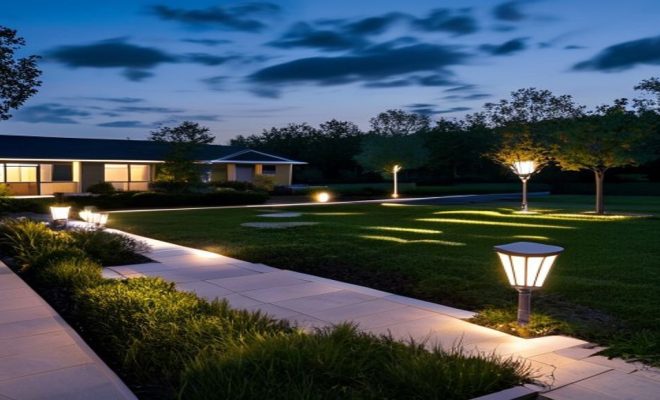
Landscape lighting installation is one of the most effective ways to enhance the beauty and functionality of your outdoor space. Whether you’re looking to illuminate a garden path, highlight architectural features of your home, or create a cozy ambiance on your patio, the right lighting can make all the difference. In this comprehensive guide, we’ll explore the essential steps for a successful landscape lighting installation, discuss various types of lighting available, and provide insights to help you create a stunning outdoor environment.
1. Understanding Landscape Lighting
Before diving into the technical details of landscape lighting installation, it’s crucial to understand what it encompasses. Landscape lighting involves much more than just placing a few lights around your yard. It’s an art form that can enhance the aesthetics of outdoor areas while improving safety and security. Properly planned and executed, it can transform your garden or yard into a magical space that is inviting and functional even after dark.
The primary purposes of landscape lighting include highlighting specific features, providing a safe walking environment, creating ambiance, and increasing the overall value of your property. Various light types — including path lights, spotlights, and floodlights — serve different purposes, and understanding them will help you make informed choices during your installation.
2. Planning Your Landscape Lighting Layout
A successful landscape lighting installation begins with a well-thought-out plan. Start by considering the areas you want to illuminate and the purpose of each lighting feature. For example, if safety is your primary concern, focus on pathways, driveways, and entry points. If ambiance is your goal, think about how to cast subtle light on trees, shrubs, or outdoor living spaces.
When sketching out your layout, take into account the scale of your landscape. You’ll want to avoid over-lighting, which can create harsh shadows and diminish the beauty of your garden. Instead, aim for a balanced approach that combines ambient, task, and accent lighting. Using a mix of lighting types will help create layers and depth, enhancing the visual appeal of your outdoor space.
3. Choosing the Right Type of Landscape Lighting
Now that you have a plan, it’s time to select the types of lights that will best serve your needs. Here are some of the most popular options for landscape lighting installation:
- Path Lights: These low fixtures are designed to light walkways and driveways, making them safer and more inviting.
- Spotlights: Used to highlight architectural features, trees, or artwork, spotlights are typically brighter and create focused beams.
- Floodlights: Ideal for illuminating large areas, floodlights cast broad beams and are excellent for security purposes.
- Wall Lights: Mounted on walls, these lights contribute to both safety and aesthetic appeal, often used to highlight entrances and patios.
- String Lights: Perfect for creating a festive atmosphere, string lights add charm and warmth to outdoor spaces.
- In-ground Lights: Installed directly into the ground, these fixtures can illuminate pathways or highlight specific landscape features without being obtrusive.
When selecting fixtures, consider energy-efficient options such as LED lights, which offer long lifespans and lower energy costs, making them a popular choice for eco-conscious homeowners.
4. Tools and Materials Needed for Installation
Before starting your landscape lighting installation, ensure you have the right tools and materials on hand. You’ll typically need:
- Low-voltage lighting fixtures
- Transformer (to convert standard voltage to low voltage)
- Low-voltage wire
- Wire connectors
- Splicing tools (wire strippers, pliers)
- Shovel or trenching tool (for burying cables)
- Drill (for mounting fixtures)
- Electrical tape
- Voltage tester
Having these materials ready will streamline the installation process and help you avoid unnecessary delays. Additionally, check local building codes or HOA regulations regarding outdoor lighting to ensure compliance before proceeding. (See: landscape lighting benefits and tips.)
5. Preparing the Site for Installation
With your plan in place and materials gathered, it’s time to prepare the site for your landscape lighting installation. Start by marking the locations of your light fixtures according to your layout sketch. Use stakes or chalk to outline where each light will go. This step will help visualize the installation and ensure that you’re happy with the placements before digging.
Next, clear the areas where you’ll be working. Remove any debris, rocks, or plants that might obstruct the lights or interfere with the installation process. If you’re running wire underground, you’ll need to dig trenches that are at least 6 inches deep to protect the wiring from damage. Always be cautious of existing utilities — call local service providers to mark buried lines before you start digging.
6. Installing the Lights
The actual installation of landscape lighting can be one of the most rewarding aspects of the project. Begin by installing your transformer in a dry, shaded area close to a power source. Follow the manufacturer’s instructions for connecting the transformer to your power supply, ensuring that all electrical connections are secure.
Once your transformer is in place, start laying out your low-voltage wire from the transformer to the fixtures according to your marked locations. Use wire connectors to attach the lights to the wire and ensure that the connections are waterproof. If burying the wire, neatly place it in the trenches you dug earlier. After installation, test each light to confirm that they are functioning properly before backfilling the trenches.
7. Adjusting and Maintaining Your Landscape Lighting
After completing your landscape lighting installation, take time to adjust the fixtures for optimal performance. Experiment with angles and brightness to achieve the desired effects. Spotlights may need to be repositioned to avoid glare or to better highlight specific features. Similarly, path lights can be adjusted to create a more inviting path without overwhelming brightness.
Regular maintenance is key to ensuring your landscape lighting remains effective and visually appealing. Check bulbs periodically and replace any burnt-out ones promptly. Clean fixtures to remove dirt and debris that can diminish their brightness. Make sure that the wiring remains protected and that plants don’t obstruct the light paths. By putting in just a little effort, you can keep your outdoor space looking its best year-round.
8. Enhancing Your Landscape with Smart Lighting
As technology continues to advance, smart landscape lighting installation has become a popular choice among homeowners looking for convenience and efficiency. Smart lighting systems allow you to control your outdoor lights from your smartphone or tablet, offering features such as scheduling, dimming, and color changes. This level of control not only adds convenience but also enhances security by allowing you to simulate occupancy when you’re away.
Integrating smart lighting with existing landscape designs can be straightforward. Many smart fixtures are compatible with traditional low-voltage systems, making installation simpler. With various applications available, you can tailor your landscape lighting to fit your lifestyle and preferences, adding an exciting layer of personalization to your outdoor spaces.
9. Common Mistakes to Avoid During Landscape Lighting Installation
While embarking on your landscape lighting installation journey, you may encounter several common pitfalls. Awareness of these potential mistakes can save you time, money, and effort:
- Ignoring Light Placement: One of the most significant mistakes is not properly considering the placement of lights. Placing them too close together can create overly bright areas, while too far apart can leave dark spots. Aim for a balanced distribution of light to enhance the overall aesthetic.
- Overlooking Environmental Considerations: Be mindful of surrounding trees, plants, and structures that can obstruct light. You want to ensure your lights are positioned to maximize their effect without being hindered.
- Neglecting to Plan for Seasonal Changes: A landscape looks different in various seasons. Consider how foliage may impact your lighting. For instance, deciduous trees will block more light in the summer than in winter.
- Underestimating the Power Needs: Ensure your transformer is adequately sized for your lighting system. An undersized transformer can lead to poor performance. It’s recommended to calculate the total wattage of your fixtures and choose a transformer that can handle at least 20% more than your total load.
10. Cost Considerations in Landscape Lighting Installation
The cost of landscape lighting installation can vary significantly based on several factors, including the size of your outdoor space, the type of fixtures chosen, and whether you’ll be doing the installation yourself or hiring professionals. Here’s a breakdown of what to consider:
- Fixture Costs: Depending on the design and technology, landscape lighting fixtures can range from $20 for basic options to over $500 for high-end, smart fixtures.
- Installation Costs: If you opt for professional installation, labor costs can add anywhere from $50 to $100 per hour, depending on your location.
- Energy Efficiency: Investing in LED lighting can significantly reduce your energy bills over time. While the upfront cost is higher, the long-term savings can make it worthwhile.
- Maintenance Costs: Regular maintenance is essential to ensure longevity and performance. Budget for occasional bulb replacements and cleaning supplies.
11. Case Studies: Successful Landscape Lighting Projects
To give you a clearer picture of what effective landscape lighting installation can achieve, let’s look at a few inspiring examples: (See: impact of outdoor lighting on safety.)
Project 1: Urban Oasis
In a small urban backyard, a homeowner transformed a plain space into a relaxing oasis. Using a combination of in-ground lights and string lights, they created an inviting atmosphere. The string lights draped over a pergola provided a cozy ambiance, while in-ground lights illuminated the surrounding plants, bringing the garden to life at night.
Project 2: Dramatic Pathway
In another case, a suburban home featured a long, winding path leading to the front door. By installing path lights at regular intervals, the homeowner enhanced safety while adding a beautiful glow that guided guests. The lights were placed strategically to highlight garden beds on either side, adding depth and intrigue to the landscape.
Project 3: Architectural Spotlighting
A homeowner wanted to showcase their newly renovated home. They installed spotlights to accentuate key architectural features, including decorative columns and an intricate facade. The result was a stunning display that not only improved visibility but also elevated the home’s overall curb appeal.
12. Frequently Asked Questions (FAQ)
What is the best time of year to install landscape lighting?
The best time for landscape lighting installation is during the spring or fall. Weather conditions are typically more favorable, and you can better visualize the effects of lighting on your landscape as plants are fuller in spring or when they change color in fall.
Can I install landscape lighting myself?
Yes, many homeowners choose to install landscape lighting themselves, especially with low-voltage systems. However, be sure to follow local codes and manufacturer instructions. If you’re uncomfortable with electrical work, hiring a professional is a wise choice.
What are the benefits of LED landscape lighting?
LED lighting offers several benefits, including energy efficiency, longer lifespan, and lower heat output. They consume significantly less energy than traditional bulbs, leading to reduced electricity costs and a smaller carbon footprint.
How do I choose the right color temperature for my landscape lighting?
Color temperature is measured in Kelvins (K). For a warm, inviting feel, choose lights between 2700K to 3000K. If you prefer a cooler, more modern look, lights in the 4000K to 5000K range may be suitable.
Will landscape lighting increase my property value?
Yes, well-designed landscape lighting can enhance your home’s curb appeal and overall value. It creates a welcoming atmosphere and improves safety, which are attractive features for potential buyers.
13. Understanding the Benefits of Professional Installation
While DIY landscape lighting installation is achievable for many homeowners, there are distinct advantages to hiring a professional. Experts in landscape lighting can assess your property comprehensively, ensuring that each light is placed to maximize effect and efficiency. They also have the experience necessary to navigate any challenges that may arise, such as dealing with existing utility lines or ensuring compliance with local regulations. (See: CDC guidelines on outdoor lighting.)
Professionals also can provide you with lighting design services, which allow for more intricate and dynamic lighting schemes than you might consider on your own. They can help create layers of light that not only enhance safety but also elevate the mood of your space. A well-executed lighting design can turn your outdoor area into a stunning nighttime environment that reflects your personal style.
According to a survey by the American Society of Landscape Architects, nearly 70% of homeowners reported that professional landscape lighting installation provided them with improved outdoor experiences. Investing in professional services can often lead to a more satisfying outcome and save you time in the long run.
14. Seasonal Considerations for Landscape Lighting
Seasonal changes can significantly impact the effectiveness and aesthetics of your landscape lighting installation. In spring and summer, the abundance of foliage may obscure some lighting effects, emphasizing the need for strategic placement. For instance, during these seasons, you might want to focus more on uplighting trees and shrubs to illuminate their branches and enhance your garden’s beauty.
In contrast, fall and winter provide an opportunity to showcase different features of your landscape. As deciduous trees lose their leaves, you may discover new perspectives and angles to highlight. This change in the landscape calls for adjustments to your lighting setup to ensure all elements remain visible and captivating. Some homeowners even opt for seasonal lighting changes, including festive string lights during the winter holidays, which can infuse your landscape with seasonal cheer.
Statistics show that homes with adjustable outdoor lighting systems can adapt more effectively to changing seasons, providing both beauty and functionality throughout the year. Planning for these adjustments during installation will keep your outdoor space vibrant no matter the time of year.
15. Final Thoughts: Transforming Your Outdoor Space
Landscape lighting installation is not just about illuminating your outdoor space; it’s about transforming it into a welcoming and safe environment. By taking the time to plan your layout, select the right fixtures, and execute the installation carefully, you can create a beautiful landscape that enhances your home’s curb appeal and functionality. Whether you’re entertaining guests or enjoying a quiet evening outside, the right lighting will enhance your outdoor experience. So, roll up your sleeves, grab your tools, and get ready to illuminate your world!
“`
Trending Now
Frequently Asked Questions
What are the steps to install landscape lighting?
To install landscape lighting, first understand the types of lights available and their purposes. Then, plan your layout by identifying key areas to illuminate. Finally, install the lights according to your plan, ensuring proper placement for safety and ambiance.
What types of landscape lighting are available?
There are several types of landscape lighting, including path lights for walkways, spotlights for highlighting features, and floodlights for broader illumination. Each type serves a specific purpose, enhancing safety and aesthetics in your outdoor space.
How do I plan my landscape lighting layout?
Begin by identifying the areas you wish to illuminate and their intended purpose, such as safety or ambiance. Sketch a layout considering the scale of your landscape, and avoid over-lighting to maintain a pleasant atmosphere.
Why is landscape lighting important?
Landscape lighting enhances the beauty and functionality of outdoor spaces. It improves safety by illuminating pathways, creates ambiance for outdoor living areas, highlights architectural features, and can even increase your property’s value.
Can I install landscape lighting myself?
Yes, you can install landscape lighting yourself by following a well-planned guide. However, ensure you understand the types of lights, layout planning, and safety precautions to achieve effective and aesthetically pleasing results.
What’s your take on this? Share your thoughts in the comments below — we read every one.