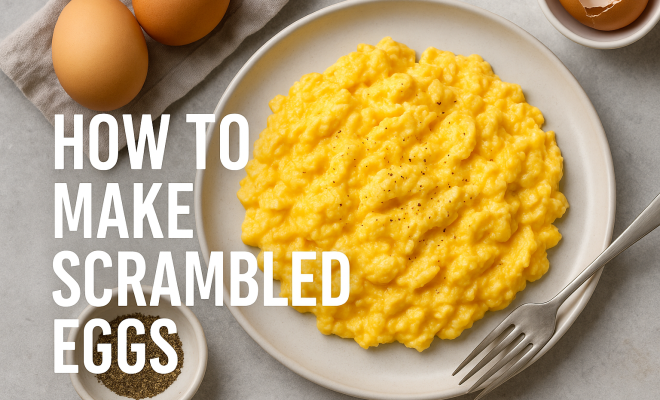
Master the Art of Fluffy Scrambled Eggs Today!
“`html
When it comes to breakfast staples, few dishes are as beloved as scrambled eggs. This humble dish is not only quick and easy to prepare but also incredibly versatile, making it a favorite for many. Whether you’re starting your day off right or crafting the perfect brunch, mastering a scrambled eggs recipe is essential. Let’s dive into the art and science of making scrambled eggs.
1. The Basics of Scrambled Eggs
Scrambled eggs are made by whisking eggs together and then cooking them gently over low heat. The process transforms the liquid eggs into soft, fluffy curds. This dish can be seasoned simply with salt and pepper or enhanced with various ingredients to create a multitude of flavors.
The origins of scrambled eggs can be traced back to ancient civilizations, but it became a popular breakfast item in America during the 19th century. Today, it remains a staple in kitchens worldwide, and its simplicity allows for endless variations.
2. Choosing the Right Eggs
The quality of the eggs you use significantly impacts the final flavor and texture of your scrambled eggs. Fresh, organic eggs tend to yield the best results. Look for eggs that have a bright yellow yolk and firm whites, indicating freshness.
While you can use any type of eggs, including free-range or pasture-raised, the difference in taste can be noticeable. The rearing conditions of these hens often lead to richer flavors and a more vibrant color. For those who are health-conscious, consider egg substitutes or egg whites for a lower-calorie option.
3. Essential Tools for Making Scrambled Eggs
Cooking scrambled eggs doesn’t require a lot of equipment, but having the right tools can make the process smoother. Here are some essentials:
- Non-stick skillet: A high-quality non-stick skillet is ideal for preventing sticking and ensuring even cooking.
- Whisk or fork: You’ll need a whisk or fork to beat the eggs thoroughly before cooking.
- Spatula: A silicone or wooden spatula helps to gently stir the eggs without damaging your skillet.
Optional tools include a mixing bowl for whisking and a thermometer to check the temperature if you’re aiming for precision.
4. The Perfect Scrambled Eggs Recipe
Creating the perfect scrambled eggs recipe is all about technique. Here’s a straightforward method that yields fluffy, delicious eggs:
- Start by cracking 2-3 eggs per serving into a bowl and whisk them until the yolks and whites are fully combined.
- Add a pinch of salt and pepper, along with a splash of milk or cream if desired. This adds richness and creaminess.
- Heat your skillet over low to medium-low heat and add butter (about one tablespoon per two eggs). Allow it to melt without browning.
- Pour the beaten eggs into the skillet and let them sit for a few seconds before gently stirring with your spatula.
- Continue to stir occasionally, allowing the eggs to cook slowly. Remove them from heat just before they reach your desired doneness, as they will continue to cook off the heat.
This technique ensures that you achieve the creamy texture that makes scrambled eggs so appealing.
5. Common Mistakes to Avoid
Even the simplest dishes can go wrong if you’re not careful. Here are some common mistakes to watch out for when cooking scrambled eggs: (See: Nutritional benefits of eggs.)
- Overcooking: This is the most common mistake. Eggs should be creamy and slightly undercooked when removed from the heat.
- High heat: Cooking scrambled eggs on high heat can lead to tough, rubbery eggs. Always opt for low to medium heat.
- Not whisking enough: Properly whisking the eggs incorporates air, leading to fluffier scrambled eggs.
By avoiding these pitfalls, you’ll be well on your way to making the perfect scrambled eggs every time.
6. Elevating Your Scrambled Eggs
While classic scrambled eggs are delicious on their own, you can elevate them with various ingredients. Consider adding:
- Cheese: Cheddar, feta, or goat cheese can add creaminess and flavor.
- Herbs: Fresh herbs like chives, parsley, or basil can brighten the dish.
- Vegetables: Sautéed mushrooms, spinach, or bell peppers can make the eggs more hearty and nutritious.
Experimenting with flavors can turn a simple scrambled eggs recipe into a gourmet breakfast experience.
7. Health Benefits of Eggs
Eggs are not only a delicious breakfast option but also packed with nutrients. They are an excellent source of high-quality protein, which is essential for muscle repair and growth. Each egg contains about 6 grams of protein along with essential vitamins and minerals.
Additionally, eggs are rich in choline, which is vital for brain health, and they contain antioxidants like lutein and zeaxanthin, which benefit eye health. Incorporating eggs into your diet has been linked to improved satiety, making them a great choice for weight management.
8. Scrambled Eggs Around the World
Scrambled eggs aren’t just made the same way everywhere; different cultures have their own takes. For instance:
- Spanish Huevos Rotos: This dish features broken eggs served over fried potatoes.
- Indian Bhurji: Scrambled eggs are mixed with spices, onions, and tomatoes for a savory, flavorful dish.
- French Omelette: Though not exactly scrambled eggs, this technique emphasizes soft, creamy curds and is often filled with herbs and cheese.
Exploring these variations can give you new ideas for your scrambled eggs recipe and inspire you to create a fusion dish.
9. Tips for Perfecting Your Scrambled Eggs
To ensure you’re always making the best scrambled eggs, keep these tips in mind:
- Use a gentle hand: Scrambling should be done gently to create soft curds.
- Experiment with cooking fats: Try olive oil, ghee, or bacon fat for different flavor profiles.
- Mind the timing: Scrambled eggs cook quickly, so stay attentive to avoid overcooking.
Taking these tips into account will enhance your cooking skills and result in delicious scrambled eggs every time.
10. Creative Variations of Scrambled Eggs
If you’re looking to spice things up beyond the classic scrambled eggs recipe, here are some creative variations:
10.1. Mediterranean Scrambled Eggs
Incorporate flavors from the Mediterranean by adding diced tomatoes, olives, and feta cheese. Serve with a sprinkle of oregano or dill to enhance the taste. This version is not only delicious but also colorful and vibrant on your plate. (See: USDA guidelines on egg safety.)
10.2. Mexican Inspired Scrambled Eggs
Add salsa, avocado, and cilantro for a fresh twist. You can even add a hint of cumin or chili powder for an added kick. Pair it with corn tortillas for a complete breakfast that’s bursting with flavor.
10.3. Asian Fusion Scrambled Eggs
For a unique take, whisk in soy sauce and sesame oil, and toss in some scallions and cooked rice. This gives your scrambled eggs a savory umami flavor that is reminiscent of fried rice. Garnish with sesame seeds for a crunchy finish.
11. Why Scrambled Eggs are a Go-To Breakfast
Scrambled eggs are often a preferred choice for breakfast due to their ease of preparation and quick cooking time. With just a few ingredients, you can whip up a satisfying meal that keeps you full for hours. The protein content helps sustain energy levels, making it a great option for those busy mornings.
Additionally, scrambled eggs are budget-friendly. Eggs are relatively inexpensive compared to other proteins, making them accessible for most households. This economic advantage paired with their nutritional value makes scrambled eggs a wise choice for breakfast.
12. Expert Perspectives on Scrambled Eggs
Let’s look at what some culinary experts say about making the perfect scrambled eggs:
Chef Gordon Ramsay emphasizes the importance of low heat and constant movement, stating that “the secret to perfect scrambled eggs is low and slow.” He suggests cooking them in a saucepan instead of a skillet for better heat control.
Julia Child once remarked on the joy of adding butter. “Butter is the best thing for scrambled eggs,” she said. It enhances flavor and gives the eggs a luxurious texture.
13. Frequently Asked Questions about Scrambled Eggs
13.1. Can I add milk or cream to scrambled eggs? Is it necessary?
While adding milk or cream can make scrambled eggs creamier, it’s not necessary. Some prefer their eggs without any dairy for a more intense egg flavor. Ultimately, it comes down to personal preference.
13.2. What is the best temperature to cook scrambled eggs?
Cooking scrambled eggs on low to medium-low heat is ideal. This allows them to cook slowly, resulting in a creamy and soft texture without the risk of rubberiness.
13.3. How long do scrambled eggs take to cook?
Scrambled eggs typically take about 5-7 minutes to cook, depending on the heat and the number of eggs. The key is to stir gently and remove them from the heat just before they’re fully cooked. (See: Healthy diet recommendations.)
13.4. Can I store leftover scrambled eggs?
Yes, you can store leftover scrambled eggs in an airtight container in the refrigerator for up to three days. Reheat them on low heat, adding a little butter to restore some moisture.
13.5. What toppings pair well with scrambled eggs?
Popular toppings for scrambled eggs include fresh herbs, hot sauce, salsa, avocado, or a sprinkle of cheese. Feel free to get creative and try out different combinations!
14. Scrambled Eggs in Meal Prep
Scrambled eggs can be an excellent choice for meal prepping. Whether you’re preparing breakfast for the week or planning a quick lunch, here are some insights on how to incorporate scrambled eggs into your meal prep routine:
- Batch Cooking: Cook a large batch of scrambled eggs and divide them into individual containers. You can pair them with whole grain toast, sautéed vegetables, or even a side of fruit for a well-rounded meal.
- Freezing: If you want to save time later, scrambled eggs can be frozen. Cook them as usual, let them cool completely, and then portion them into freezer-safe bags or containers. When you’re ready to eat, simply reheat in the microwave or on the stove.
- Mixing in Extras: To keep things interesting throughout the week, add different ingredients each time you prepare scrambled eggs. One day, mix in spinach and feta; the next, try bell peppers and pepper jack cheese.
15. Scrambled Eggs and Dietary Considerations
Scrambled eggs fit well into many dietary lifestyles, including low-carb, ketogenic, and even vegetarian (if you’re using egg substitutes). Here’s how different diets can incorporate scrambled eggs:
- Keto Diet: Eggs are high in healthy fats and proteins, making them an ideal choice for those on a ketogenic diet. You can enhance the fat content by adding butter, cream, or avocado.
- Vegetarian Options: For vegetarians, scrambled eggs provide a great source of protein. You can also experiment with egg substitutes like tofu or chickpea flour to create a similar texture.
- Gluten-Free: Scrambled eggs are naturally gluten-free. Pair them with gluten-free toast or serve them with a side of fresh fruit for a healthy breakfast.
16. The Science of Scrambling
The process of scrambling eggs involves a bit of culinary science. When you whisk eggs, you incorporate air into the mixture. This air helps create the fluffy texture that everyone loves. Here’s a quick breakdown of what happens during the cooking process:
- Protein Structure: Eggs contain proteins that, when heated, denature and coagulate. This means that the proteins unfold and then re-bond, forming a solid structure.
- Heat and Time: Cooking eggs too quickly or at too high a temperature can cause the proteins to bond too tightly, leading to a rubbery texture. This is why low and slow cooking is crucial.
- Resting Time: When removed from heat, scrambled eggs continue to cook due to residual heat. This is why it’s important to take them off the stove before they seem fully done.
17. Scrambled Eggs as a Canvas
Think of scrambled eggs as a blank canvas. They can be dressed up or down depending on your mood or what you have in your fridge. Here are a few unique ideas:
- Sweet Scrambled Eggs: Yes, you can make scrambled eggs sweet! Add a bit of sugar and vanilla, and serve them with fresh fruit or a drizzle of honey.
- Savory Herbs: Elevate your scrambled eggs with a variety of herbs and spices. Try thyme, dill, or smoked paprika for an unexpected twist.
- International Inspirations: Look to global cuisines for inspiration. Add curry powder for Indian spice or miso for a Japanese flavor profile.
Ultimately, mastering a scrambled eggs recipe is about practice and experimentation. Whether you prefer them plain, cheesy, or loaded with veggies, there’s a scrambled eggs variation for everyone. So grab your eggs and start whisking—breakfast is waiting!
“`
Trending Now
Frequently Asked Questions
What is the best way to make scrambled eggs?
The best way to make scrambled eggs is to whisk fresh eggs together and cook them gently over low heat. This method allows the eggs to form soft, fluffy curds, resulting in a delicious and creamy texture. Season with salt and pepper, or add ingredients like cheese and herbs for extra flavor.
How do you choose the right eggs for scrambled eggs?
Choose fresh, organic eggs for the best flavor and texture in your scrambled eggs. Look for eggs with bright yellow yolks and firm whites, as these indicate freshness. Free-range or pasture-raised eggs can enhance the taste due to the hens' diet and living conditions.
What tools do I need to make scrambled eggs?
To make scrambled eggs, you need a non-stick skillet to prevent sticking, a whisk or fork to beat the eggs, and a spatula for stirring and serving. These tools help ensure even cooking and a smooth texture.
Can you make scrambled eggs with egg substitutes?
Yes, you can make scrambled eggs with egg substitutes or egg whites for a lower-calorie option. While the texture may differ slightly, using substitutes can still yield a tasty and satisfying dish, especially for those watching their calorie intake.
What seasonings can I add to scrambled eggs?
You can enhance scrambled eggs with a variety of seasonings. Common additions include salt, pepper, cheese, herbs, and vegetables. Experimenting with different flavors allows you to create a customized dish that suits your taste preferences.
Have you experienced this yourself? We’d love to hear your story in the comments.